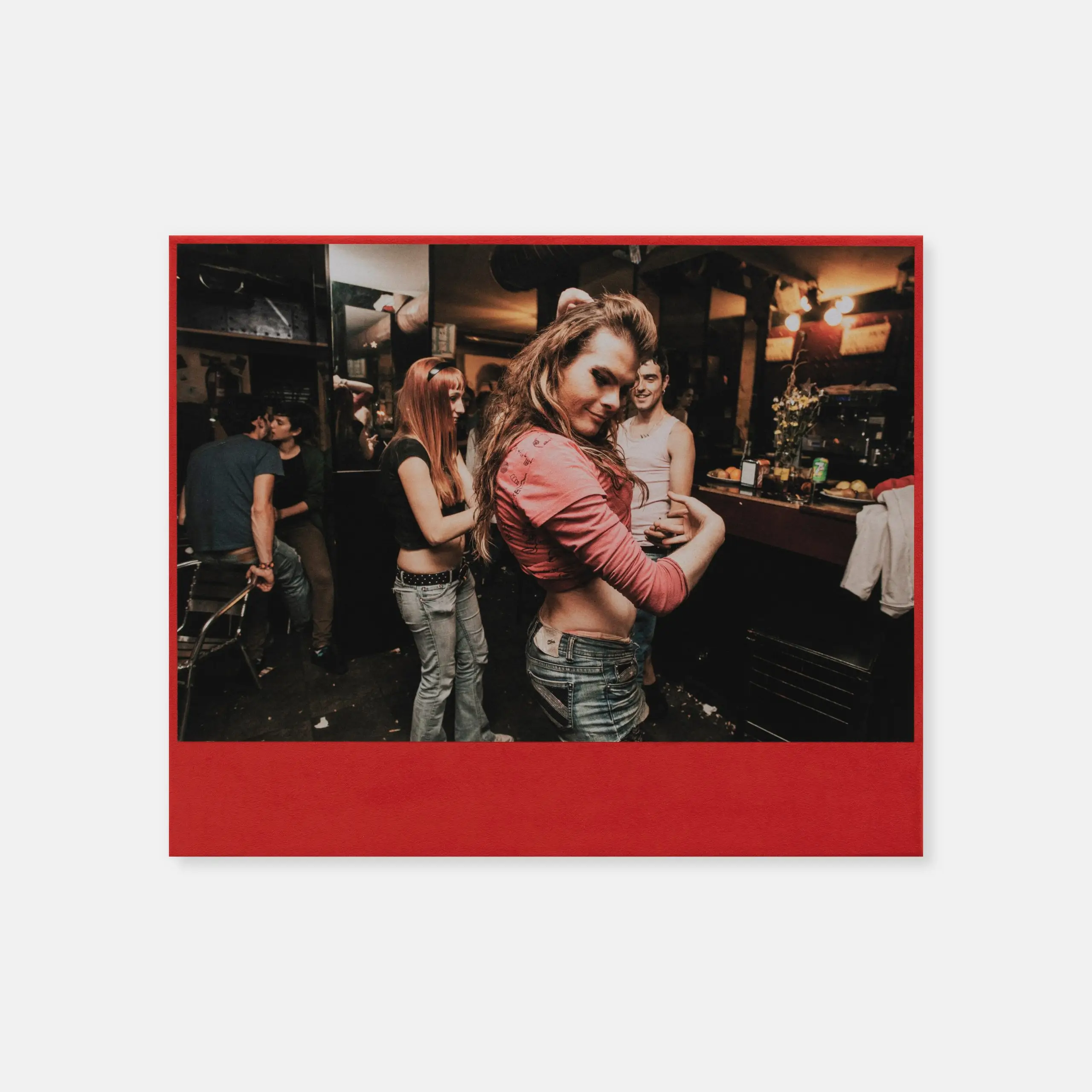
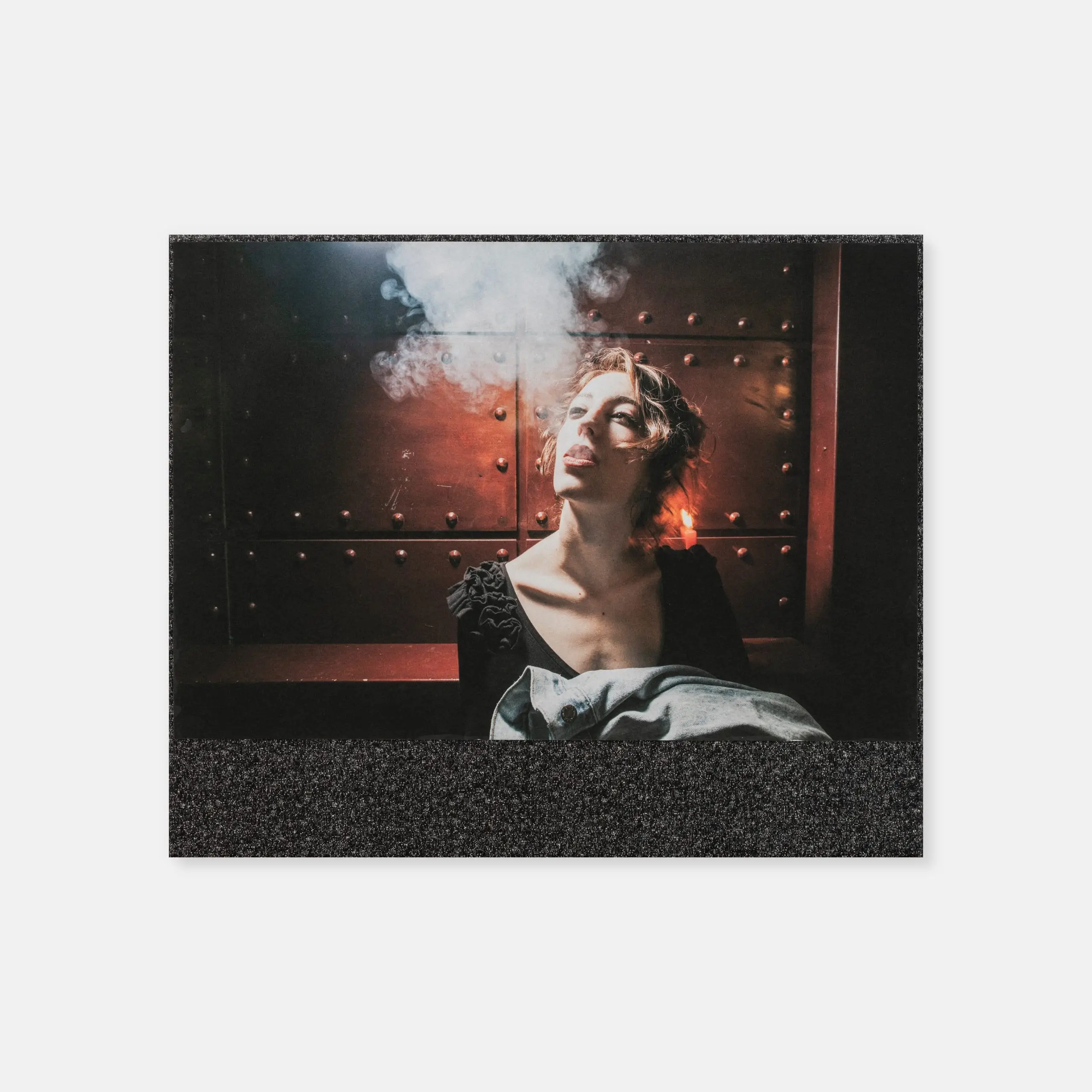
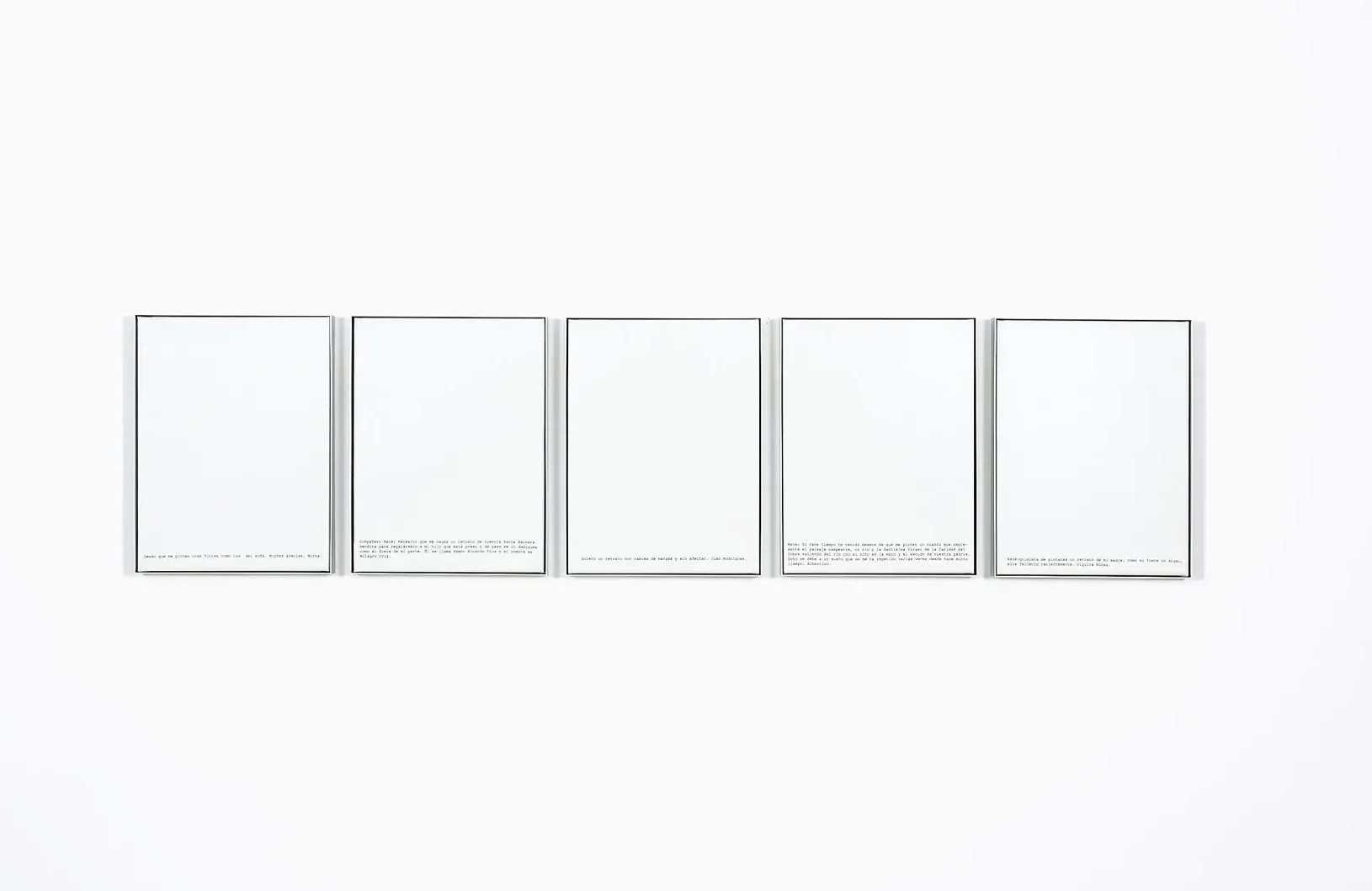
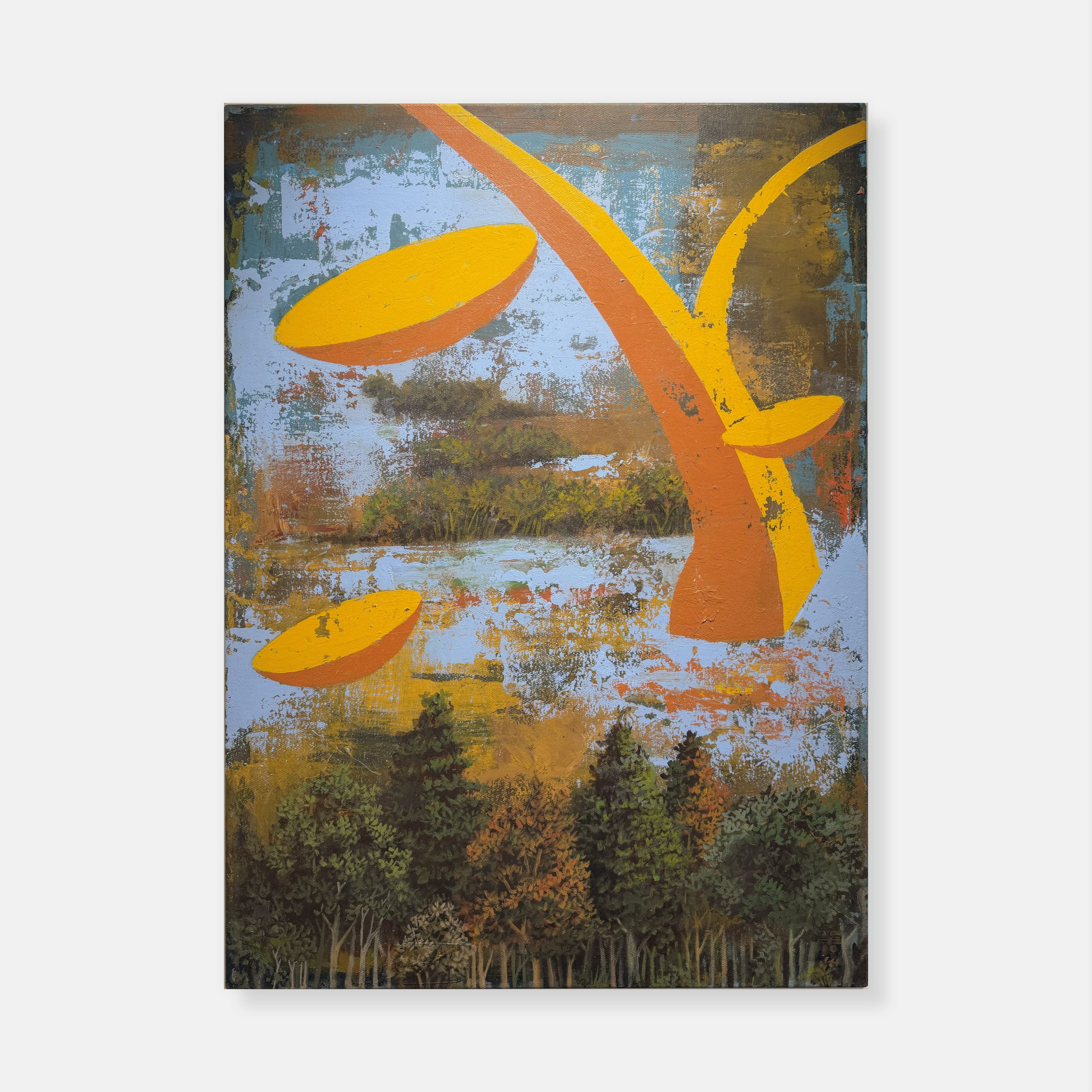
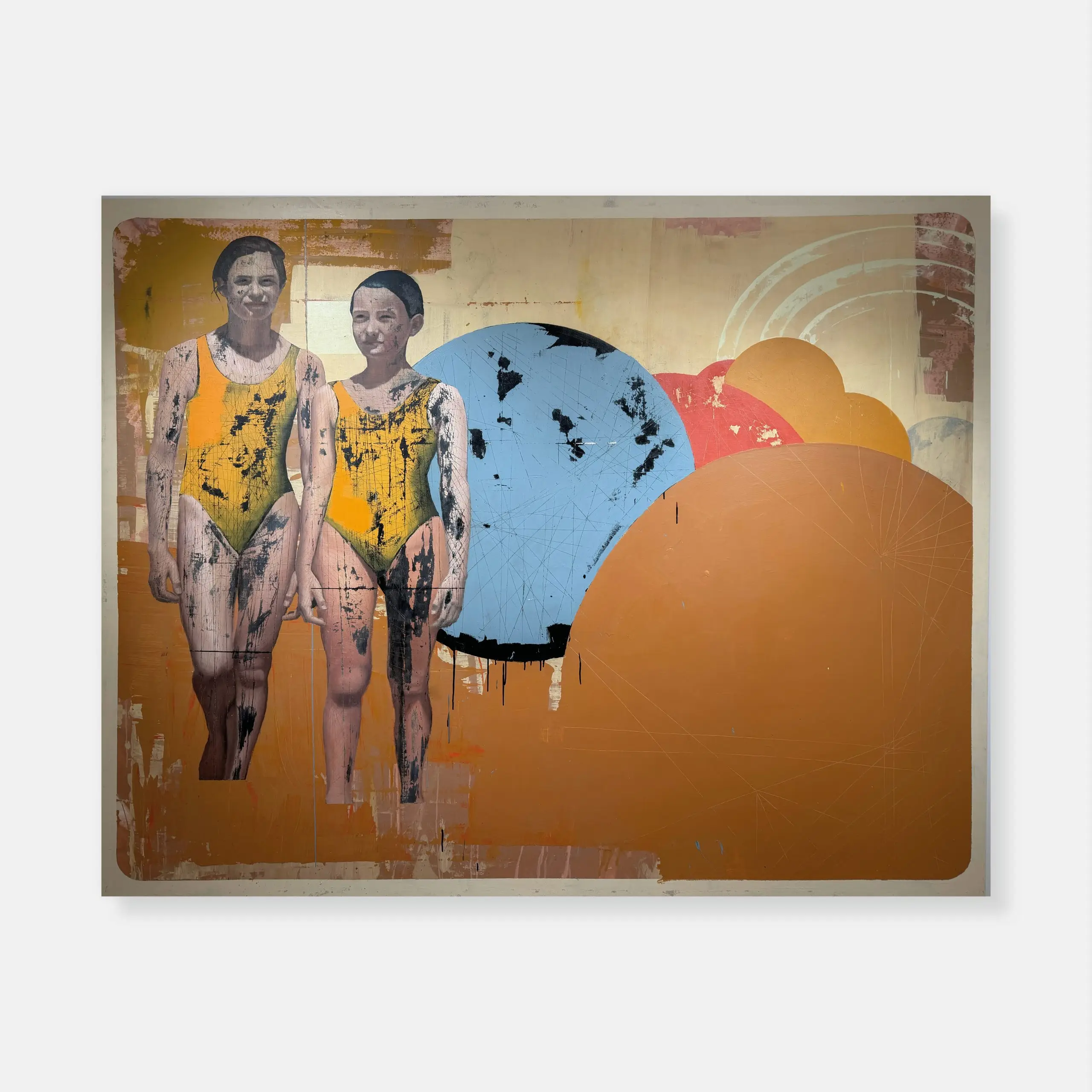
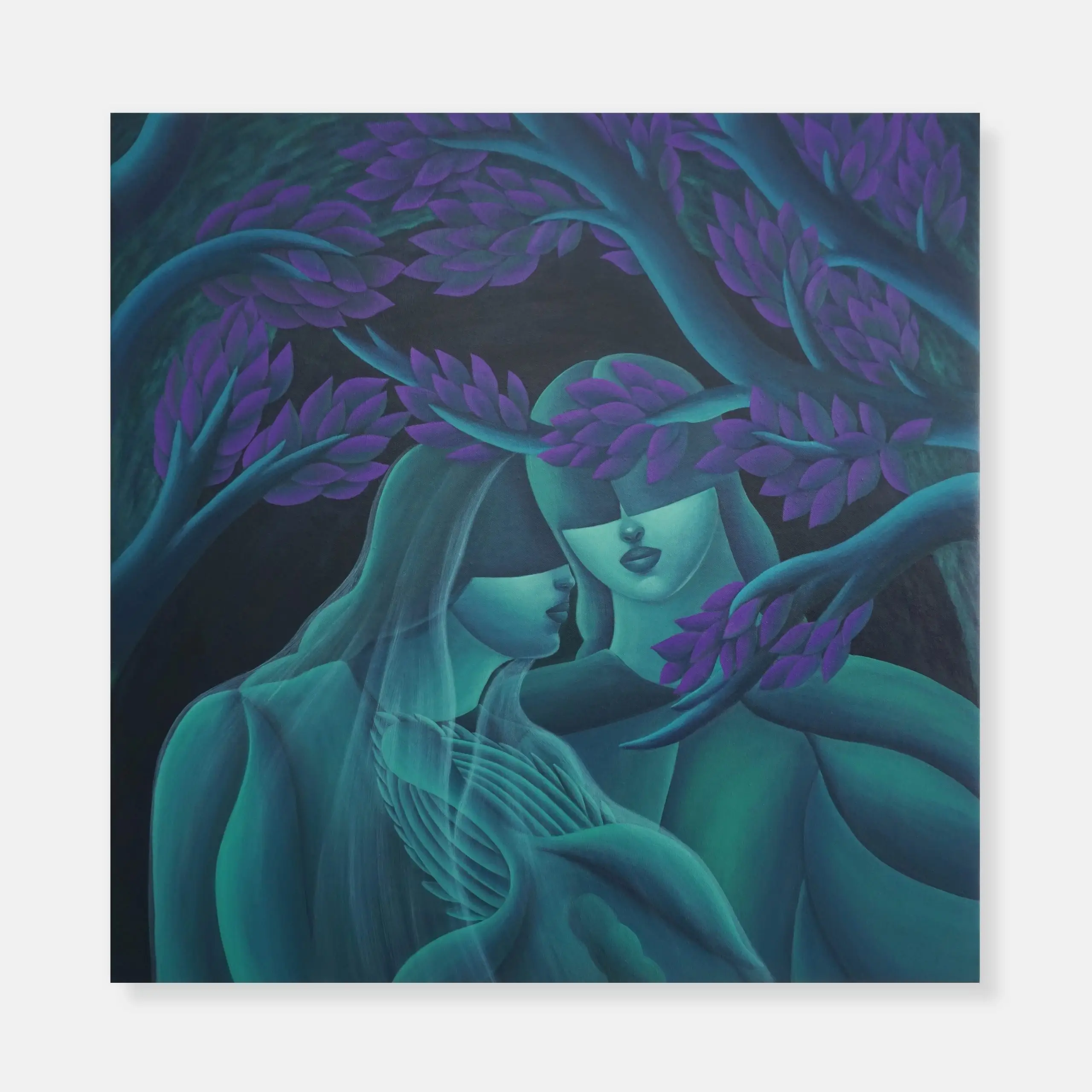
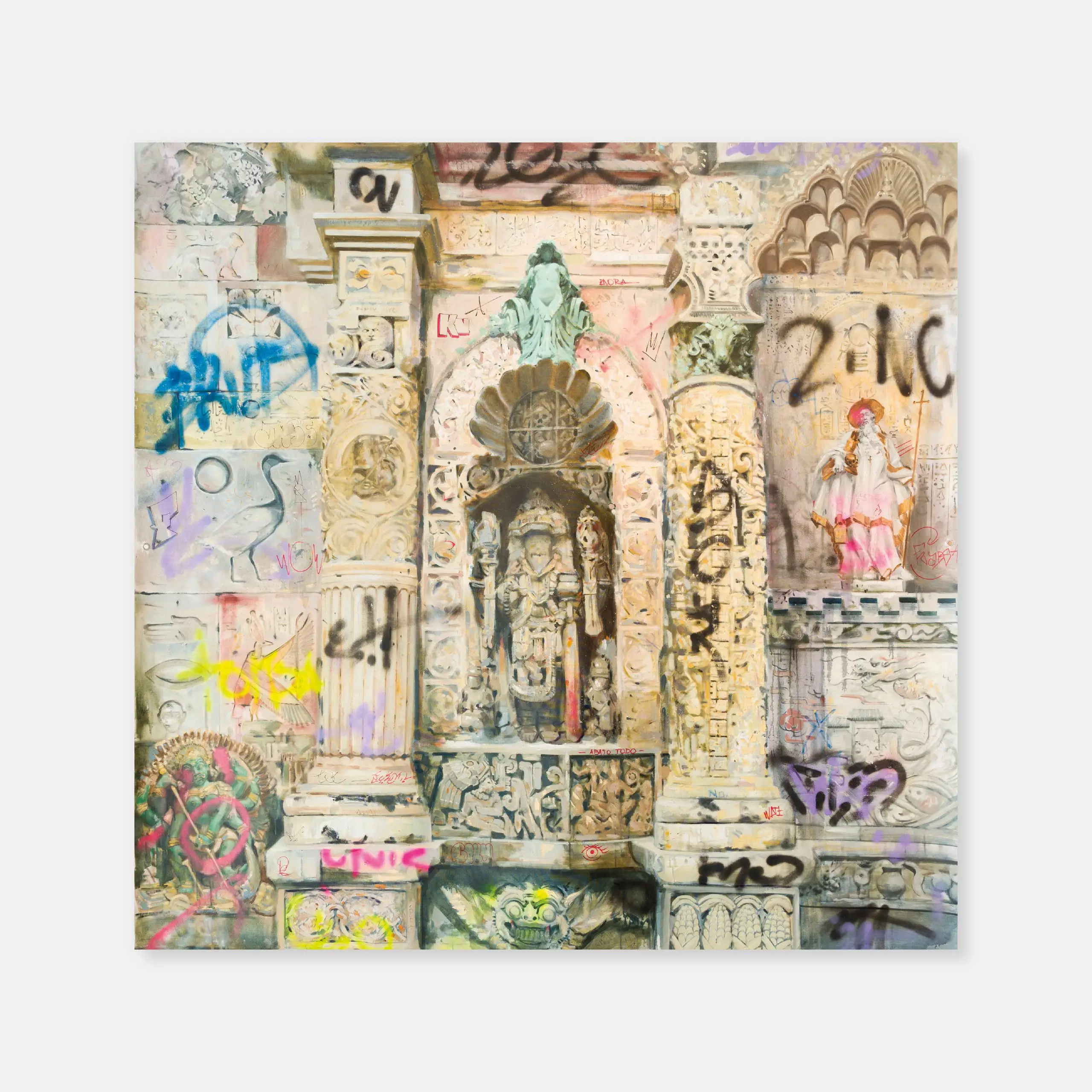
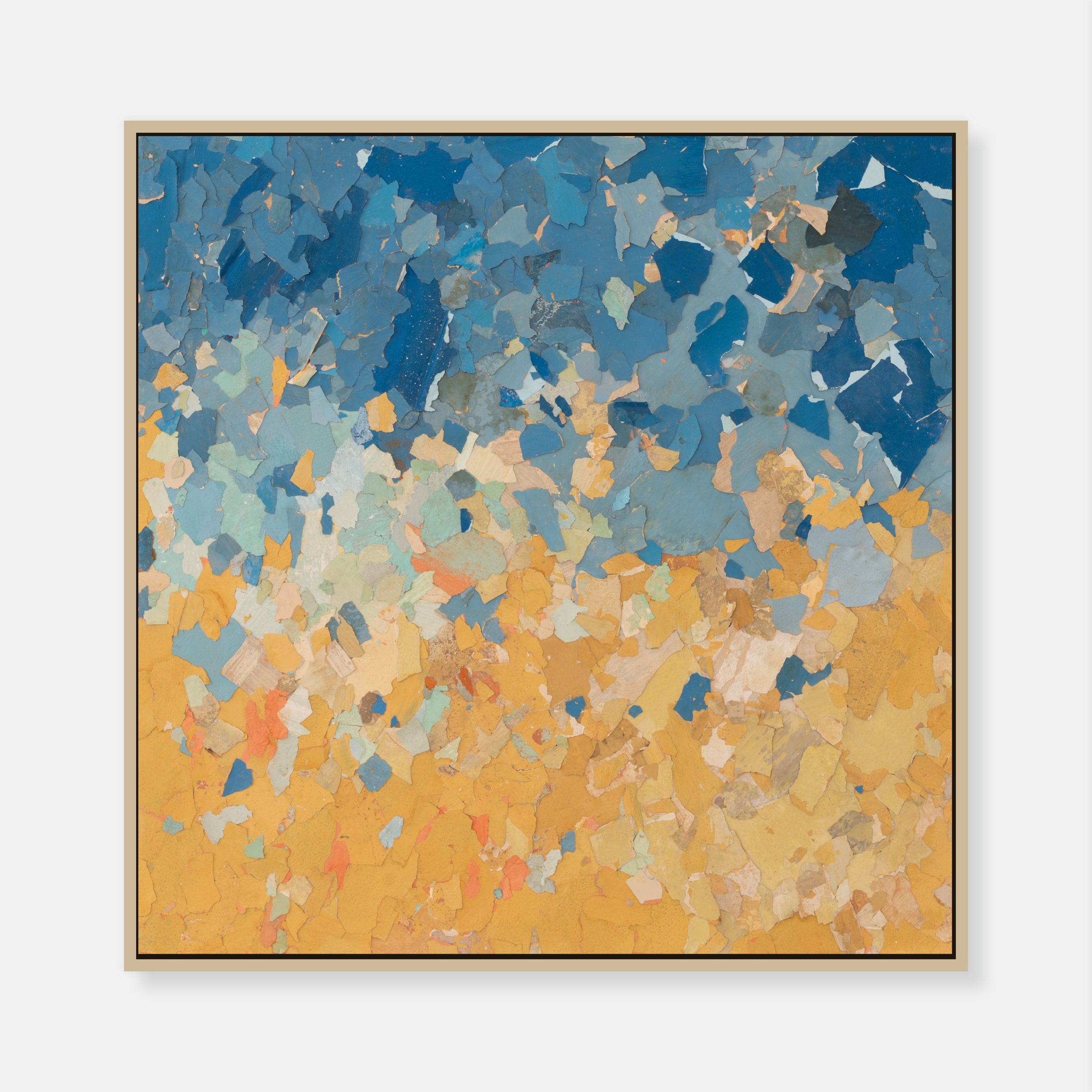
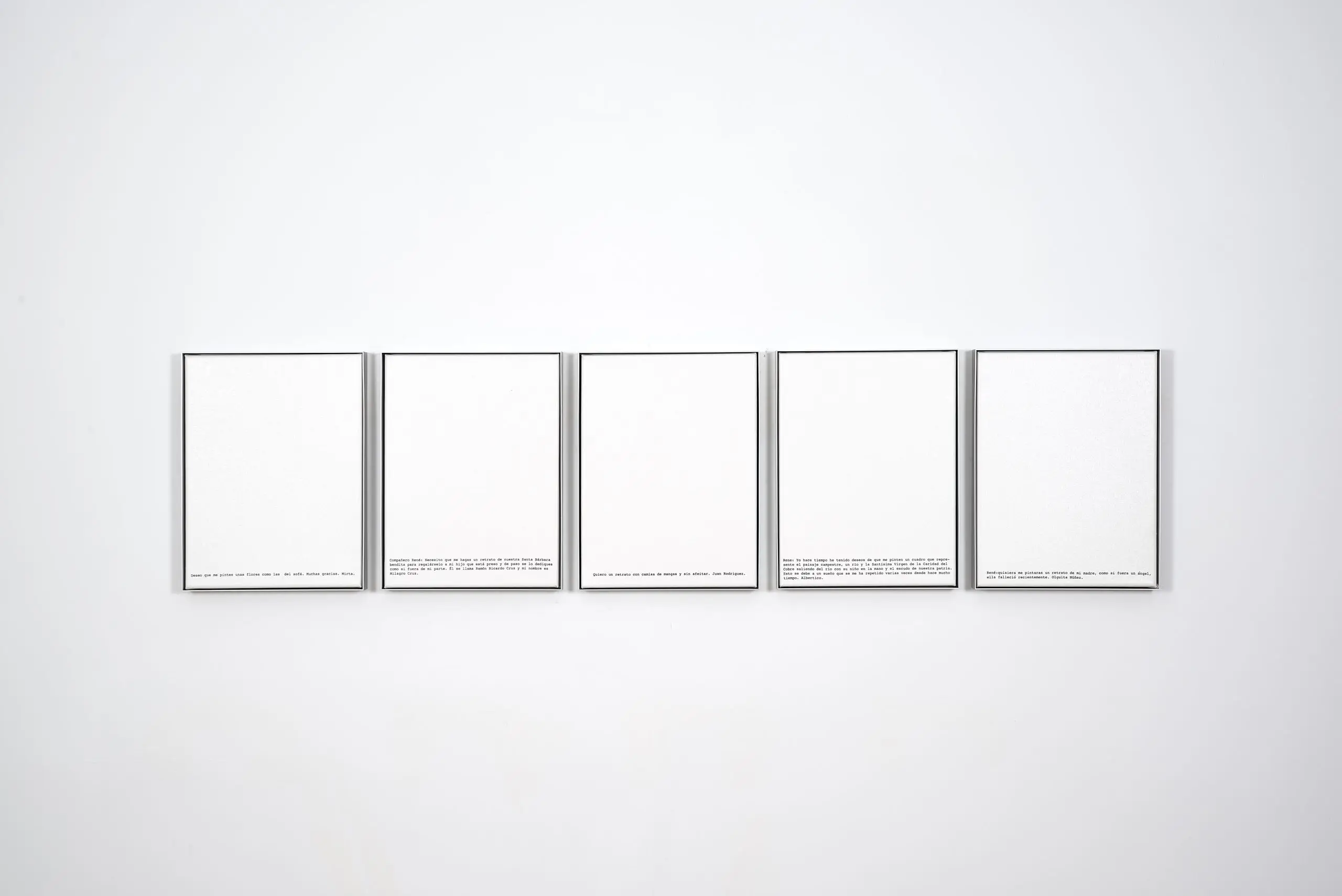
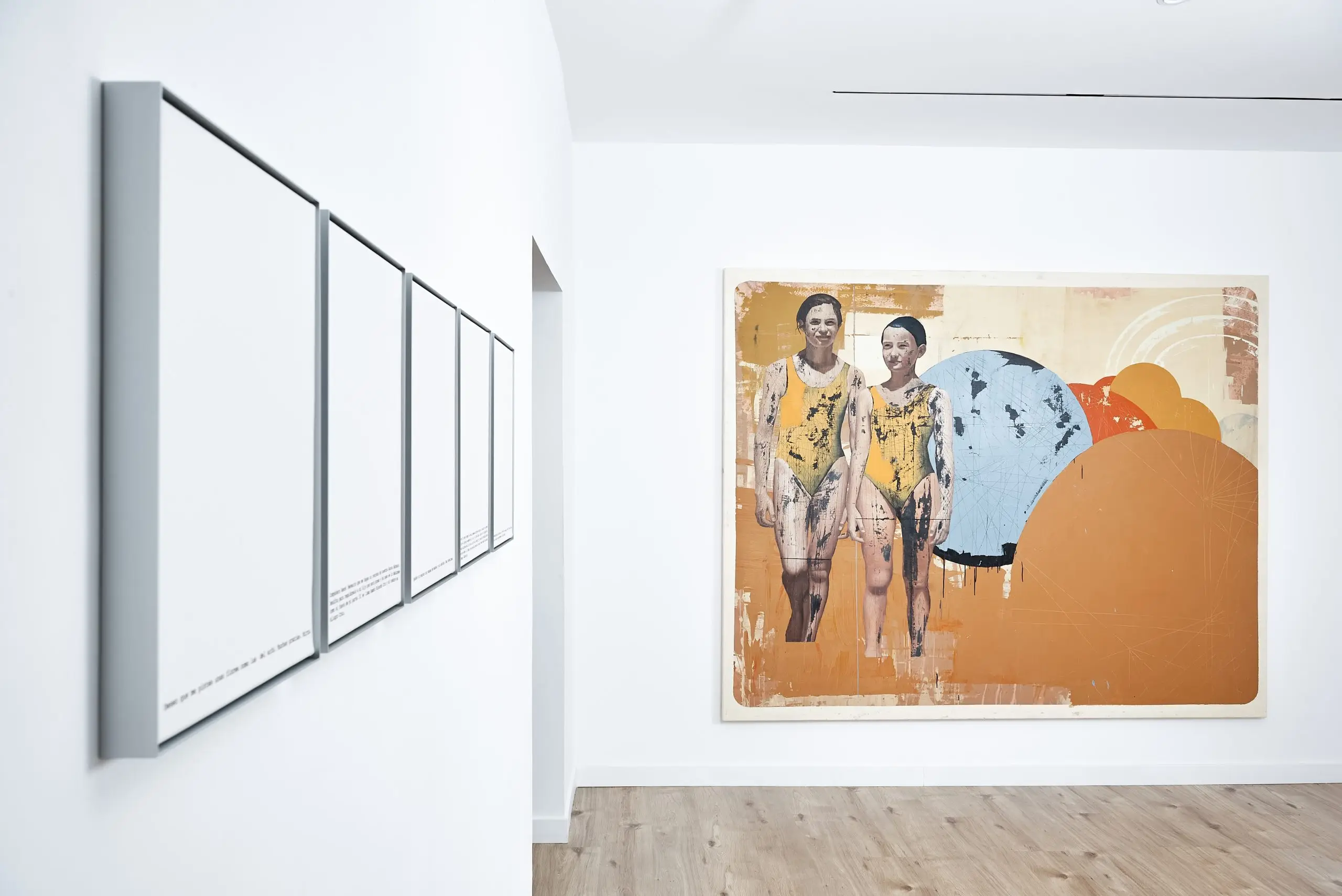
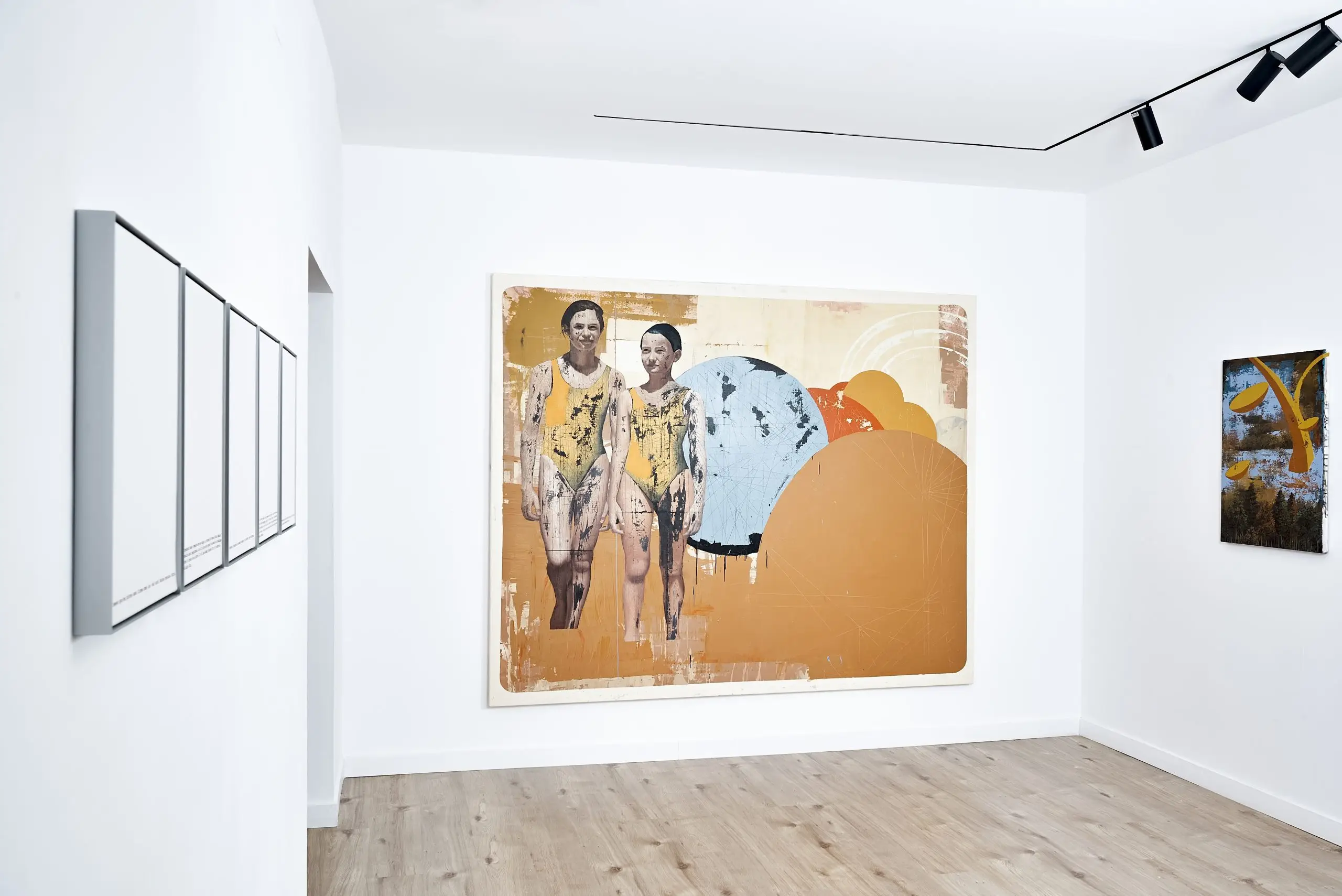
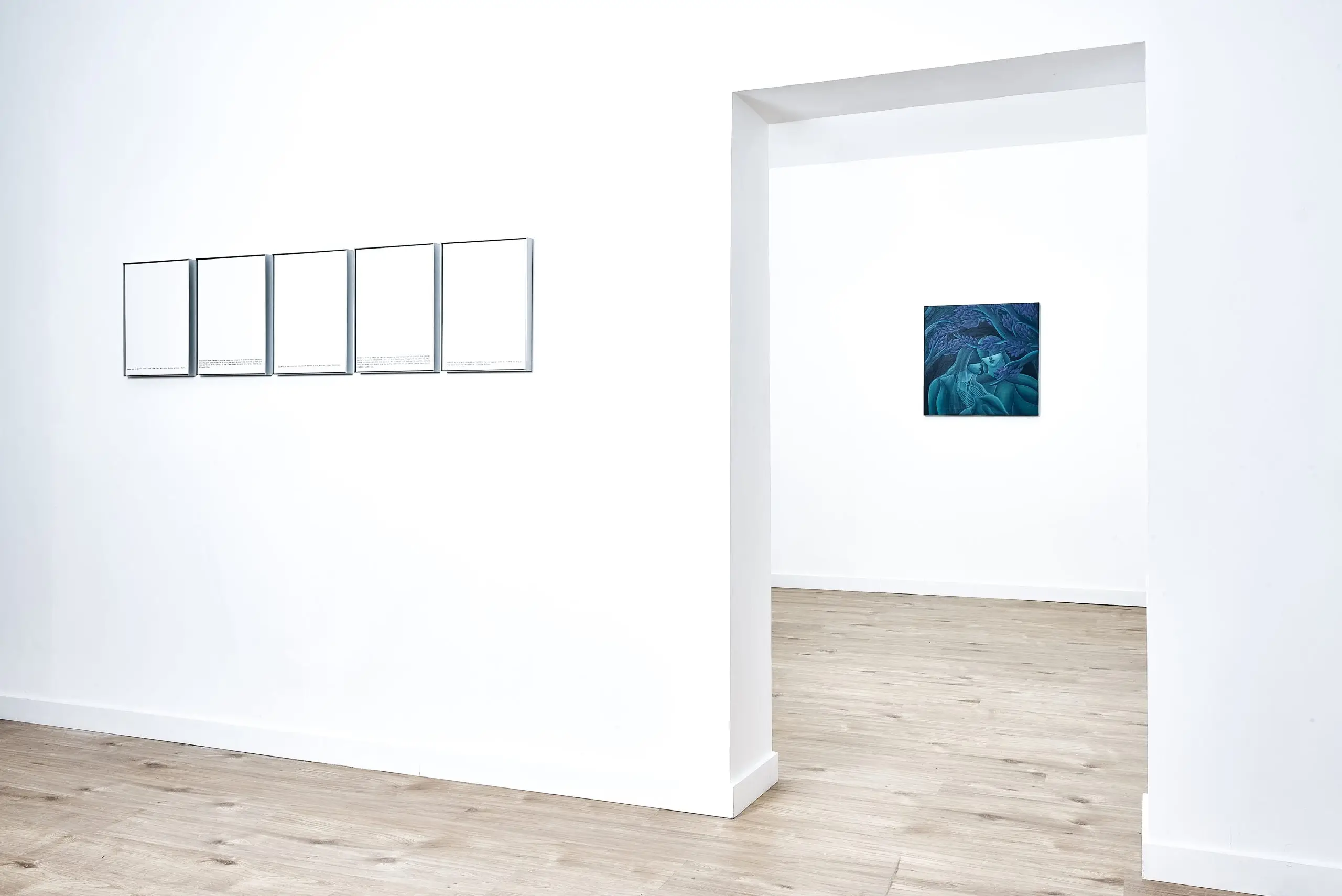
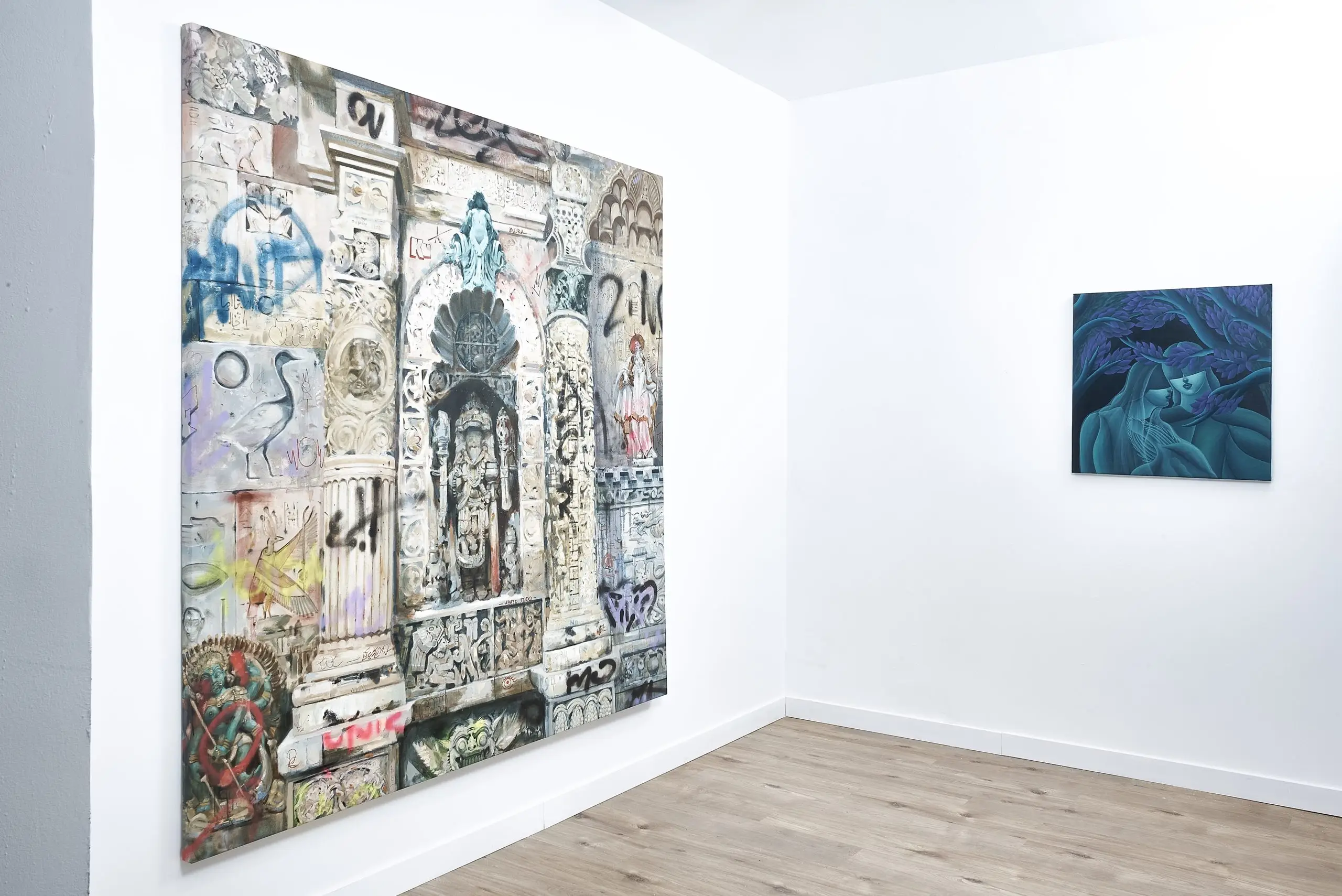
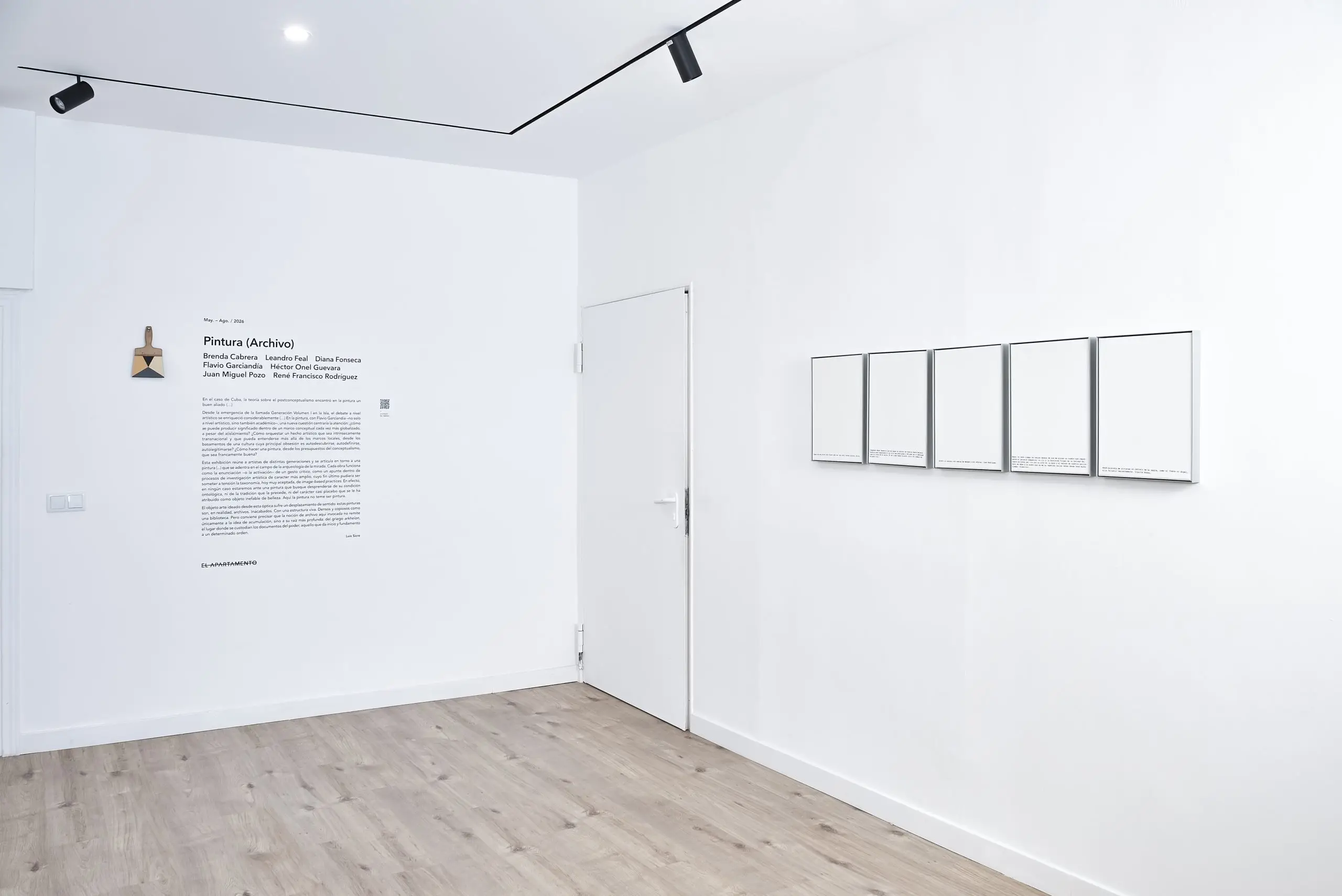
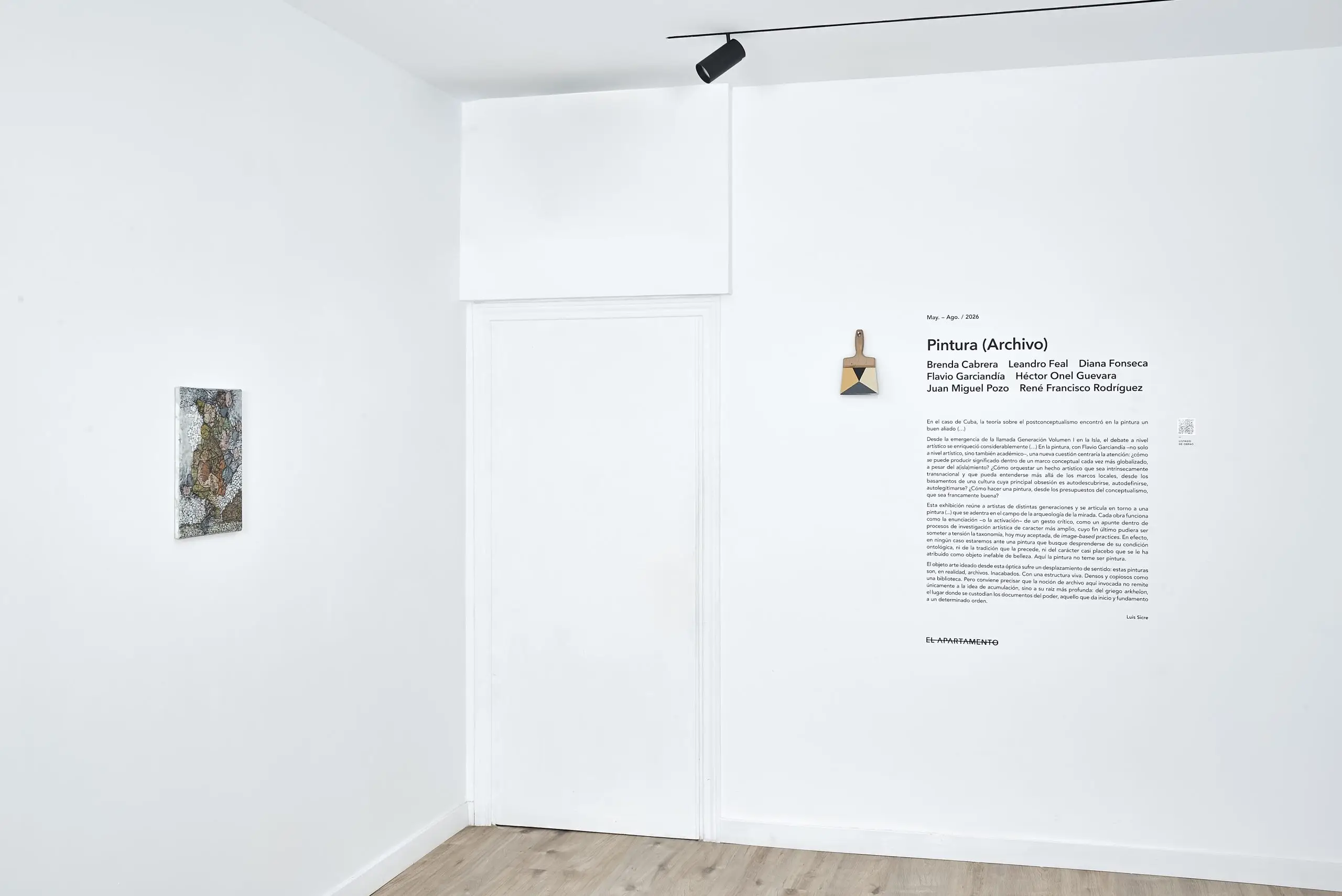
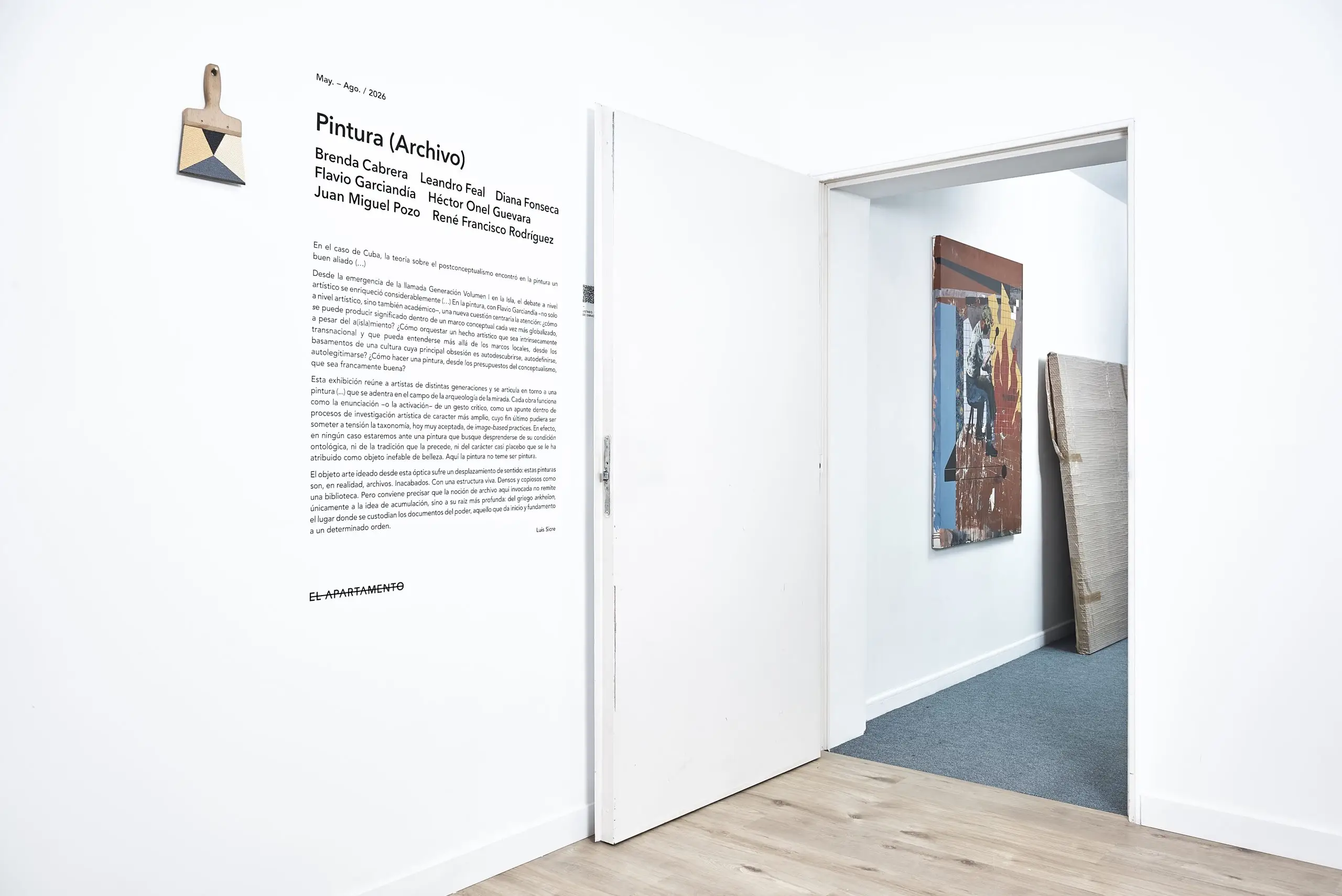
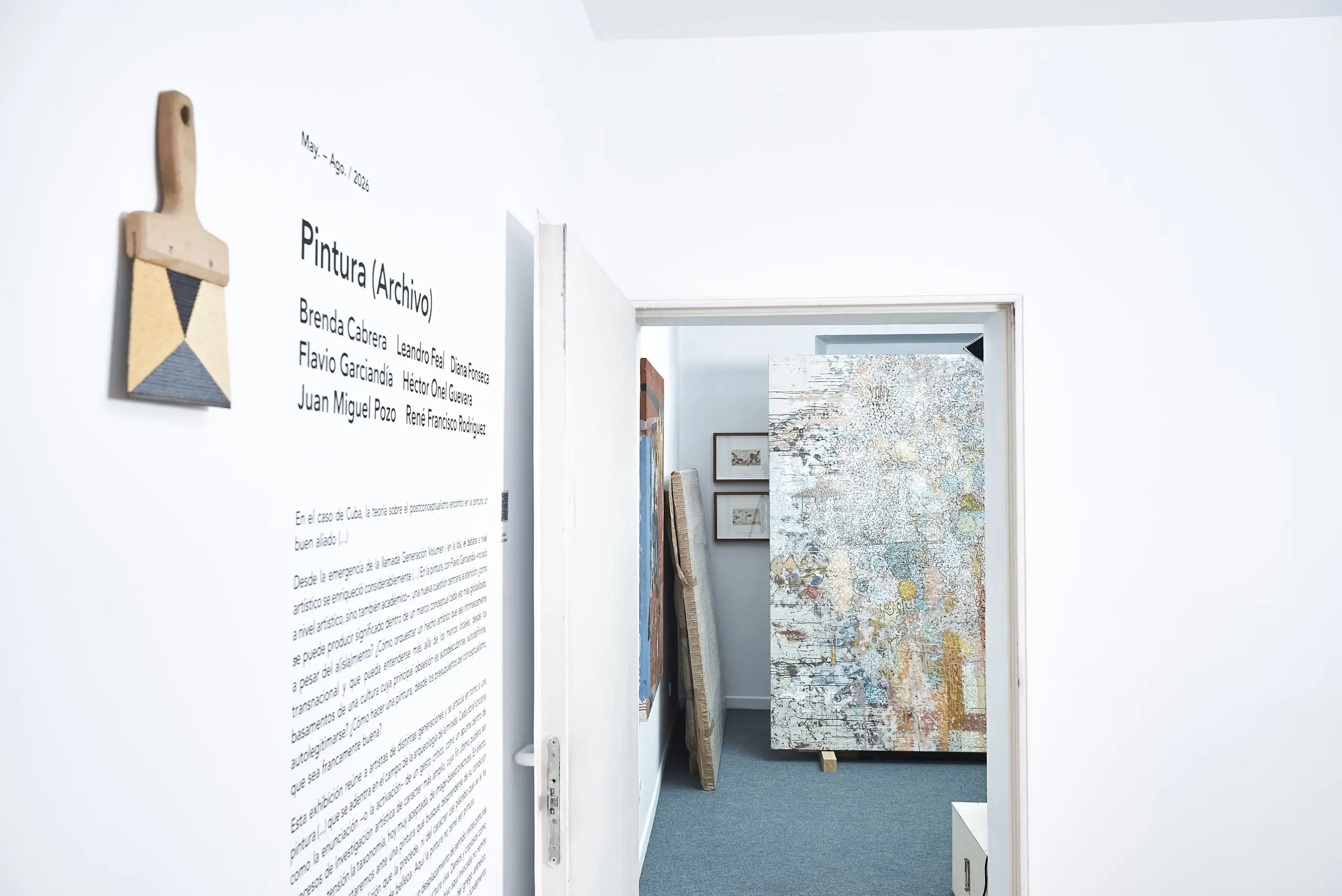
Painting has been at the center of a heated institutional debate since the late 19th century. Its recent history cannot be understood outside of cyclical productive crises, through which language reveals its metanoia. The pictorial has become a support for the critique of the systems of representation and functions as a meta-archive of complex socio-cultural responses. The image, thus conceived, has reached the depth of the imaginary.
In the specific case of Cuba, the theory on post-conceptualism found in painting a good ally. Since the 1980s, language came to play a decisive role in the analysis of one of the defining habits of Latin American culture and, by extension, of the insular culture: the ability to digest, metabolize and appropriate foreign canons, images and concepts. This would add up to an interesting debate at the regional level, nuanced by postcolonial thinking. The curious thing is that, while some were engaged in criticizing the consequences of colonialism suffered in the past, others focused on the impact of disguised forms of contemporary colonialism, as in the case of the Soviet influence on Cuban popular culture. Since then, a considerable part of the pictorial production has been focused on analyzing and eternalizing the popular response to the influence of different regimes of representation and foreign aesthetics.
Since the emergence of the so-called Volume I Generation on the island, the debate at the artistic level has been considerably enriched, in tune with the assumptions of postmodernity. In painting, with Flavio Garciandía -not only at the artistic level, but also at the academic level-, a new question would focus attention to this day: how can meaning be produced within an increasingly globalized conceptual framework, despite the a(isla)miento? How to orchestrate an artistic fact that is intrinsically transnational and that can be understood beyond local frameworks, from the foundations of a culture whose main obsession is self-discovery, self-definition, self-legitimization? How to make a painting, from the assumptions of conceptualism, that is frankly good?
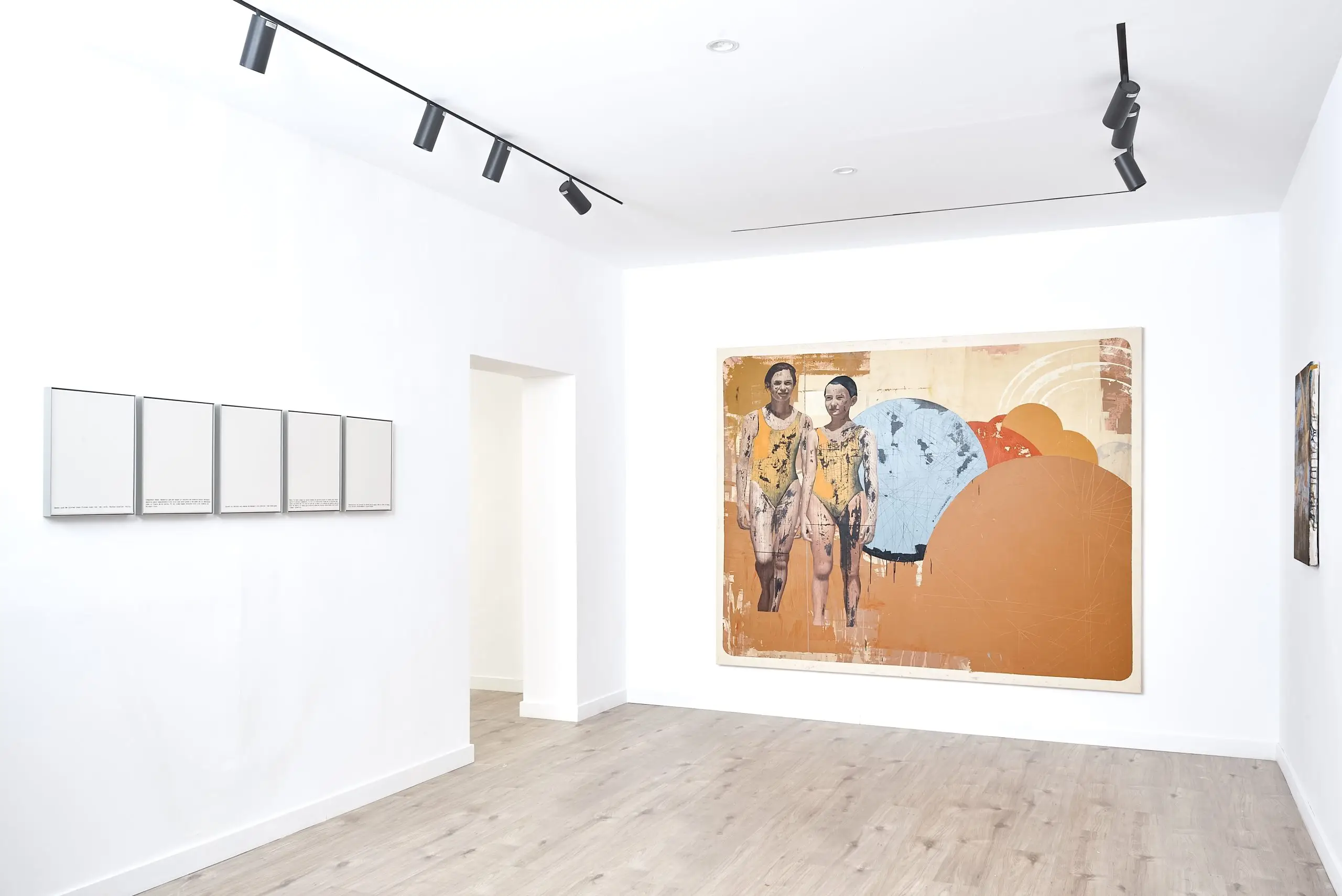
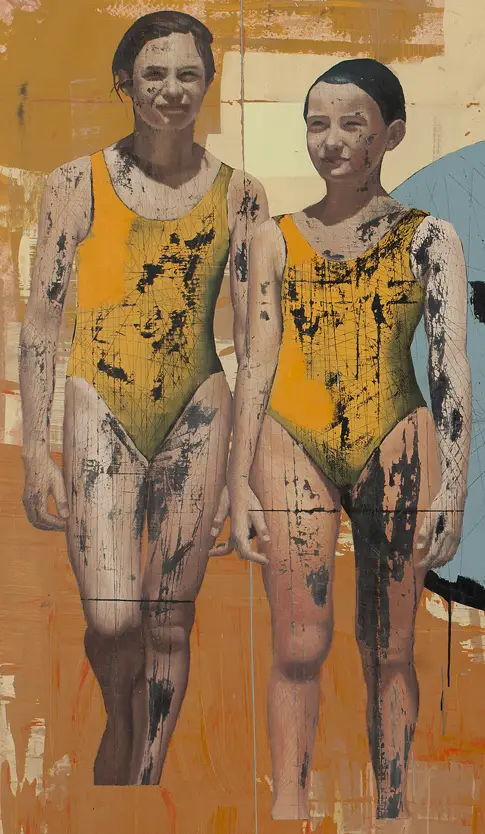
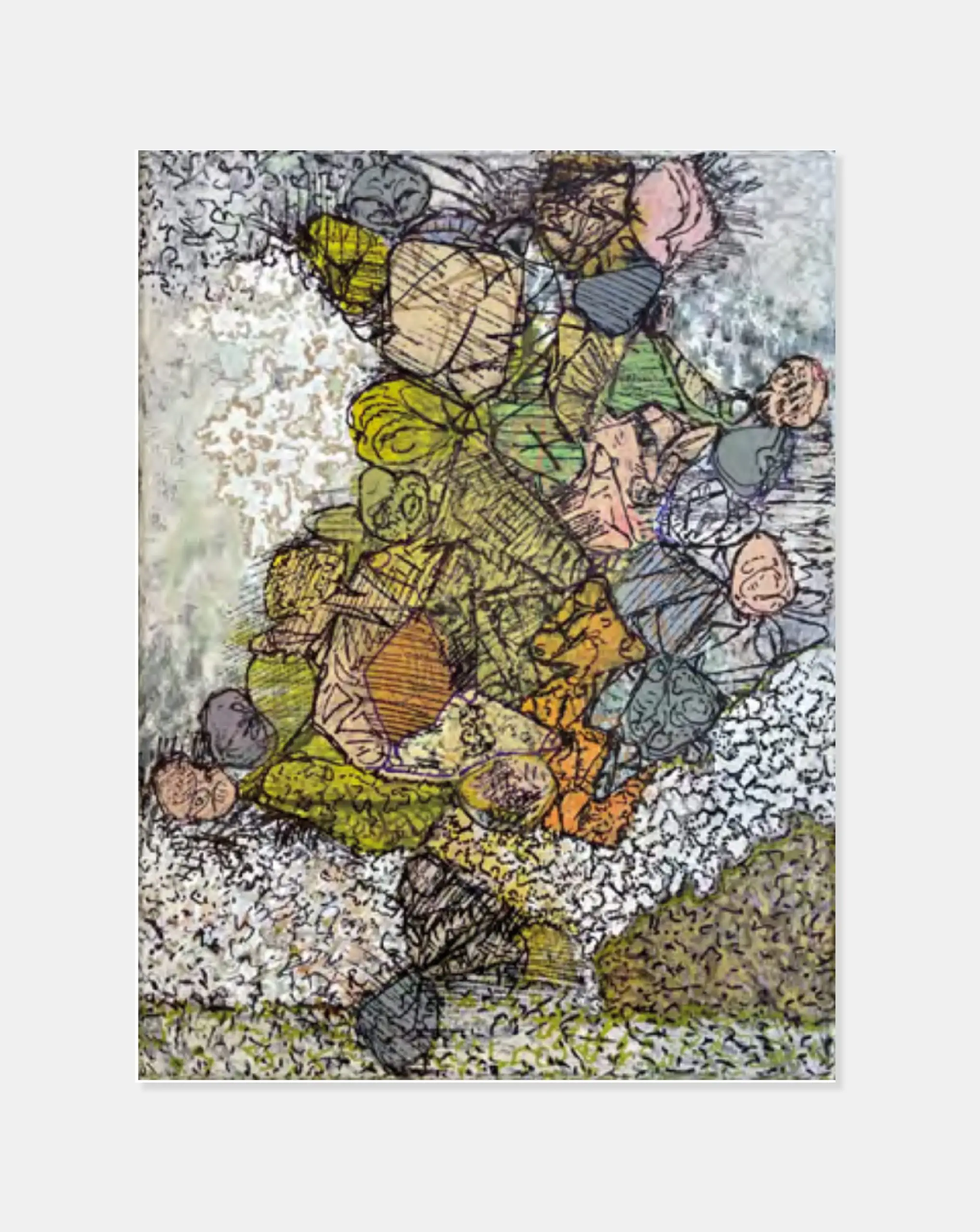
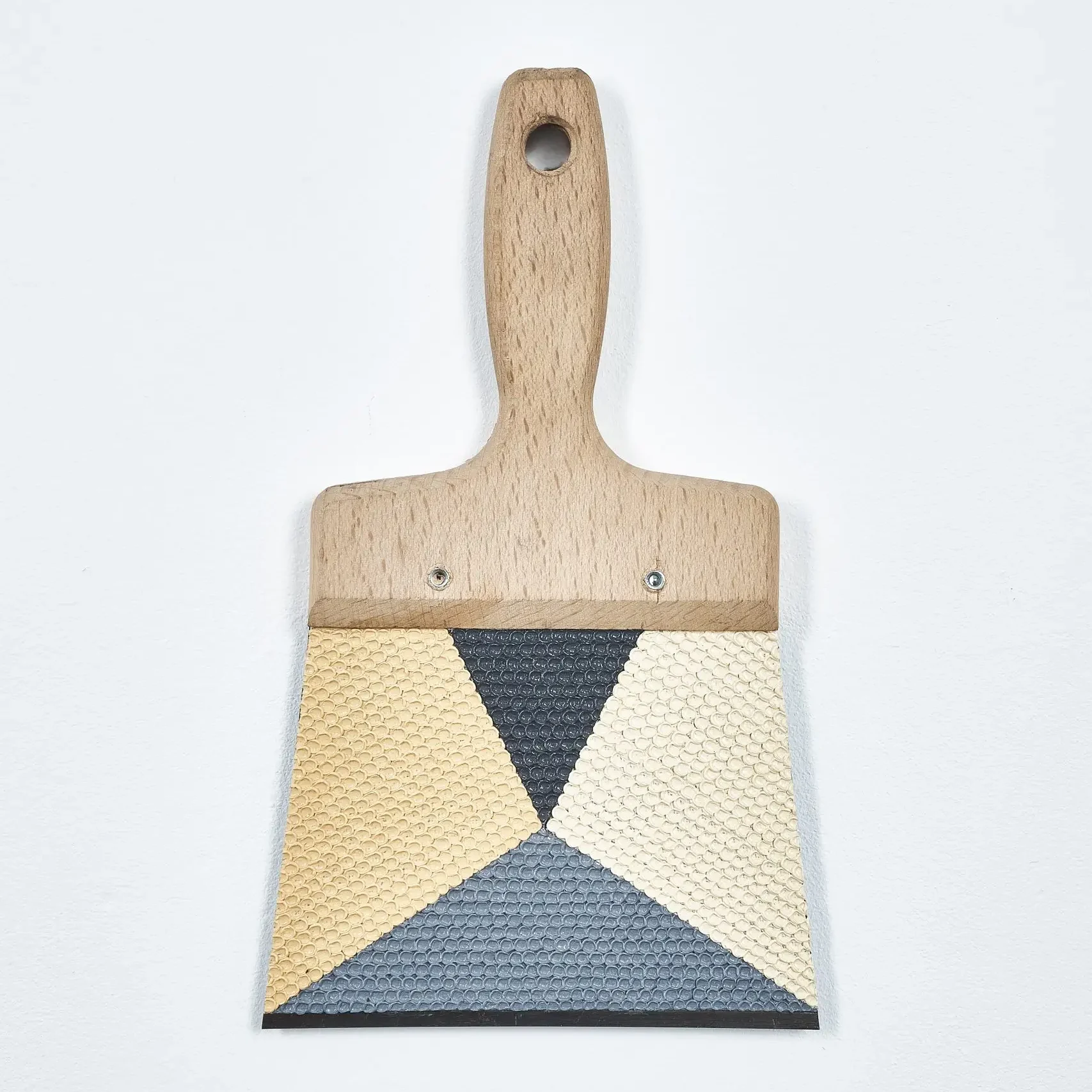
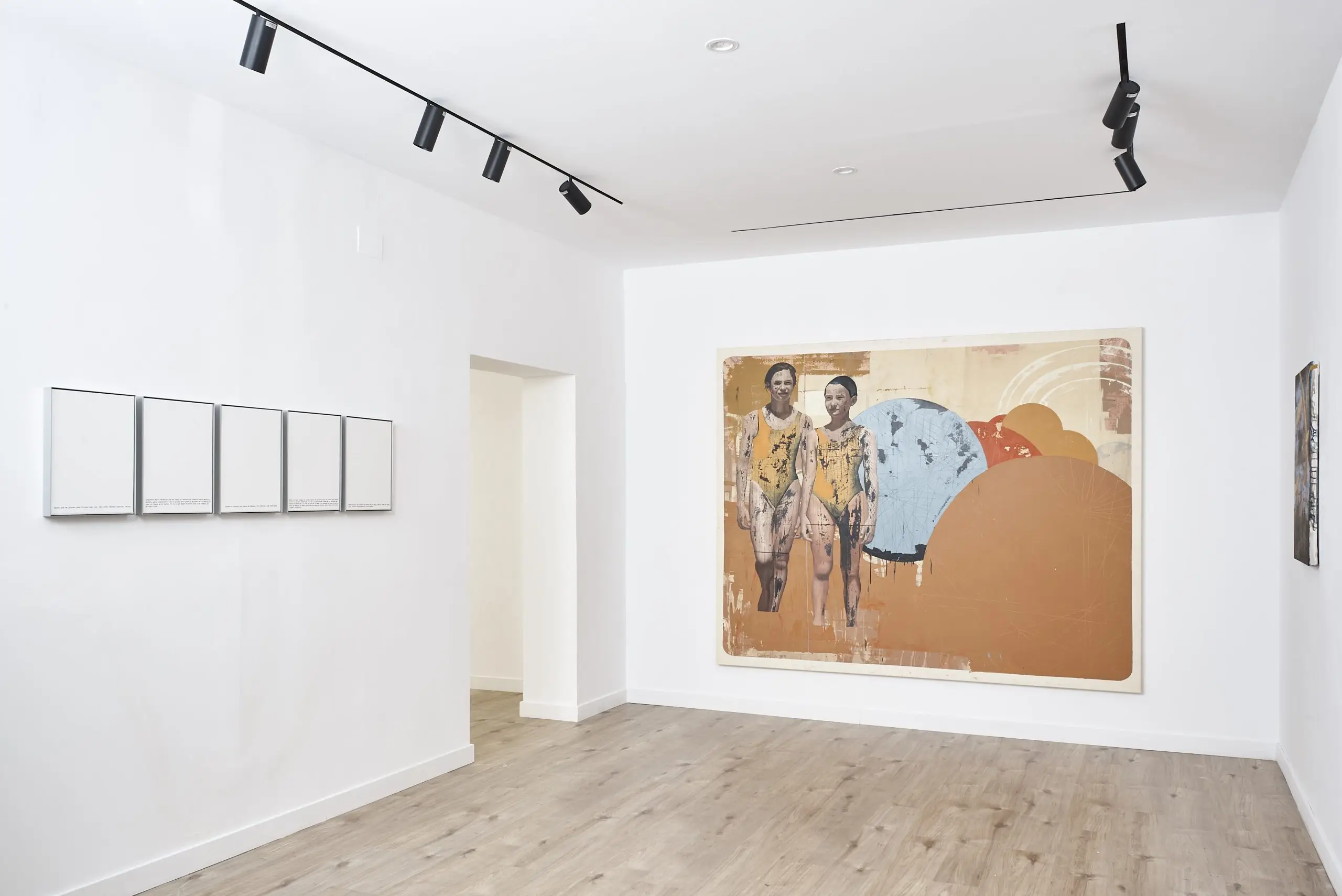
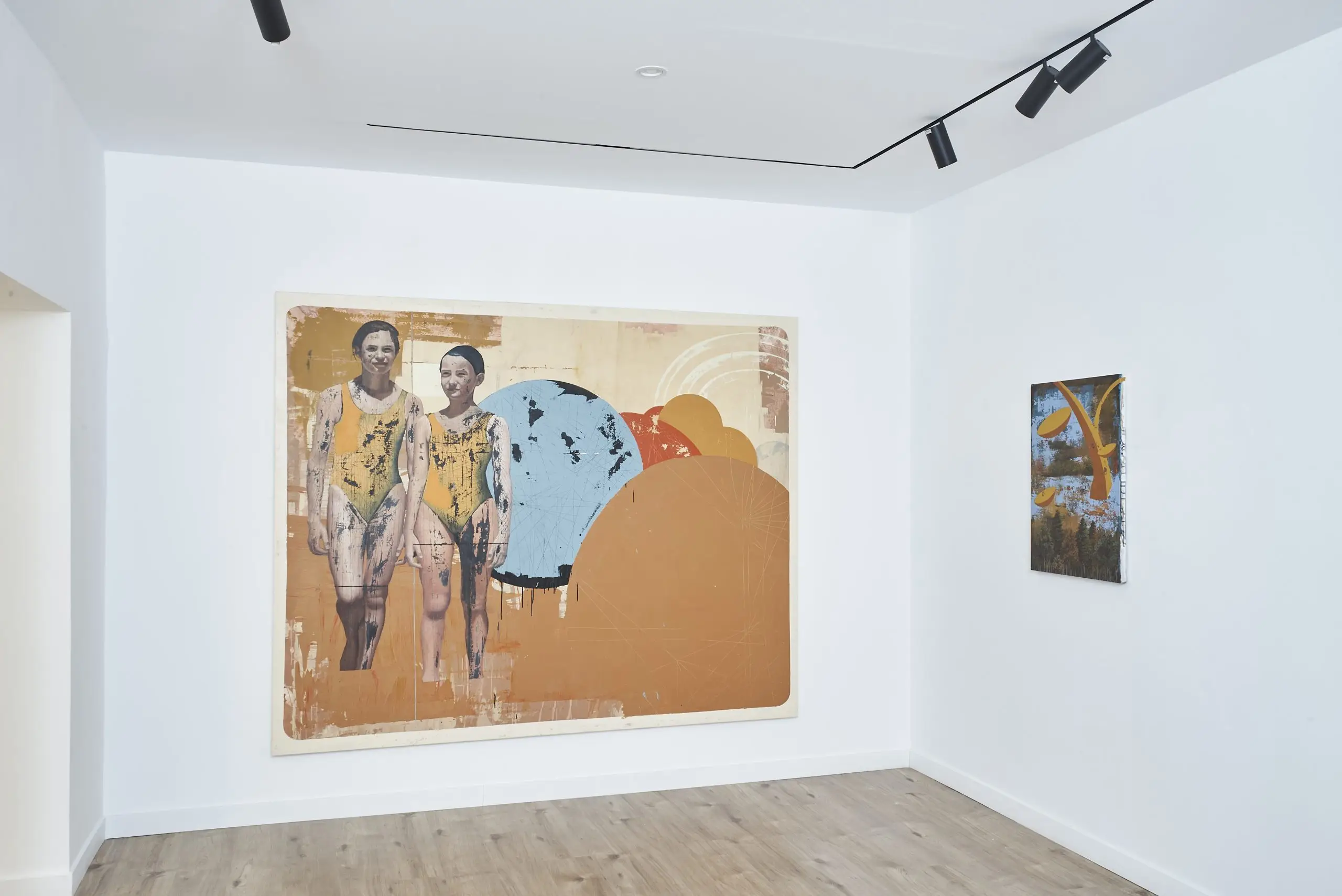
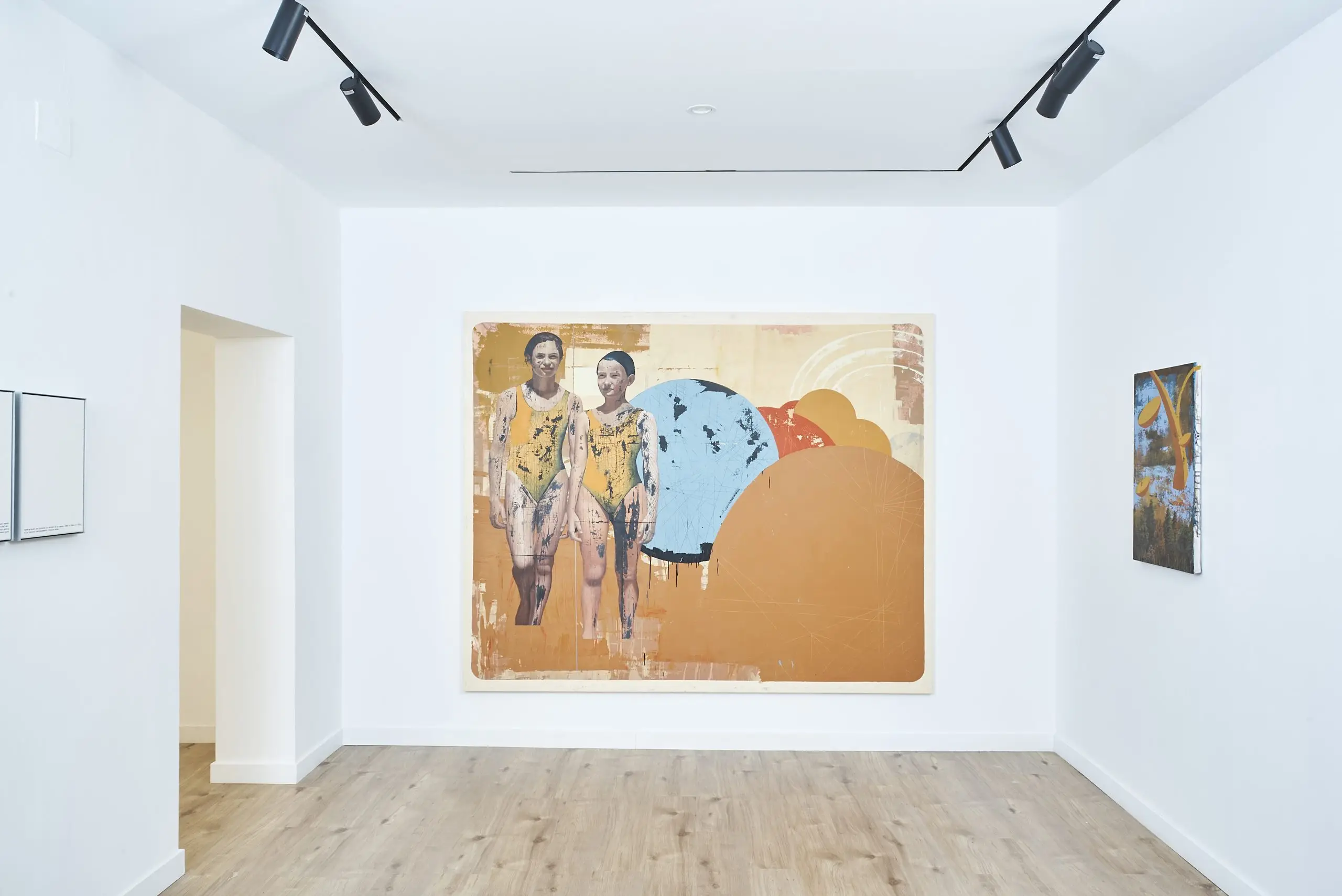
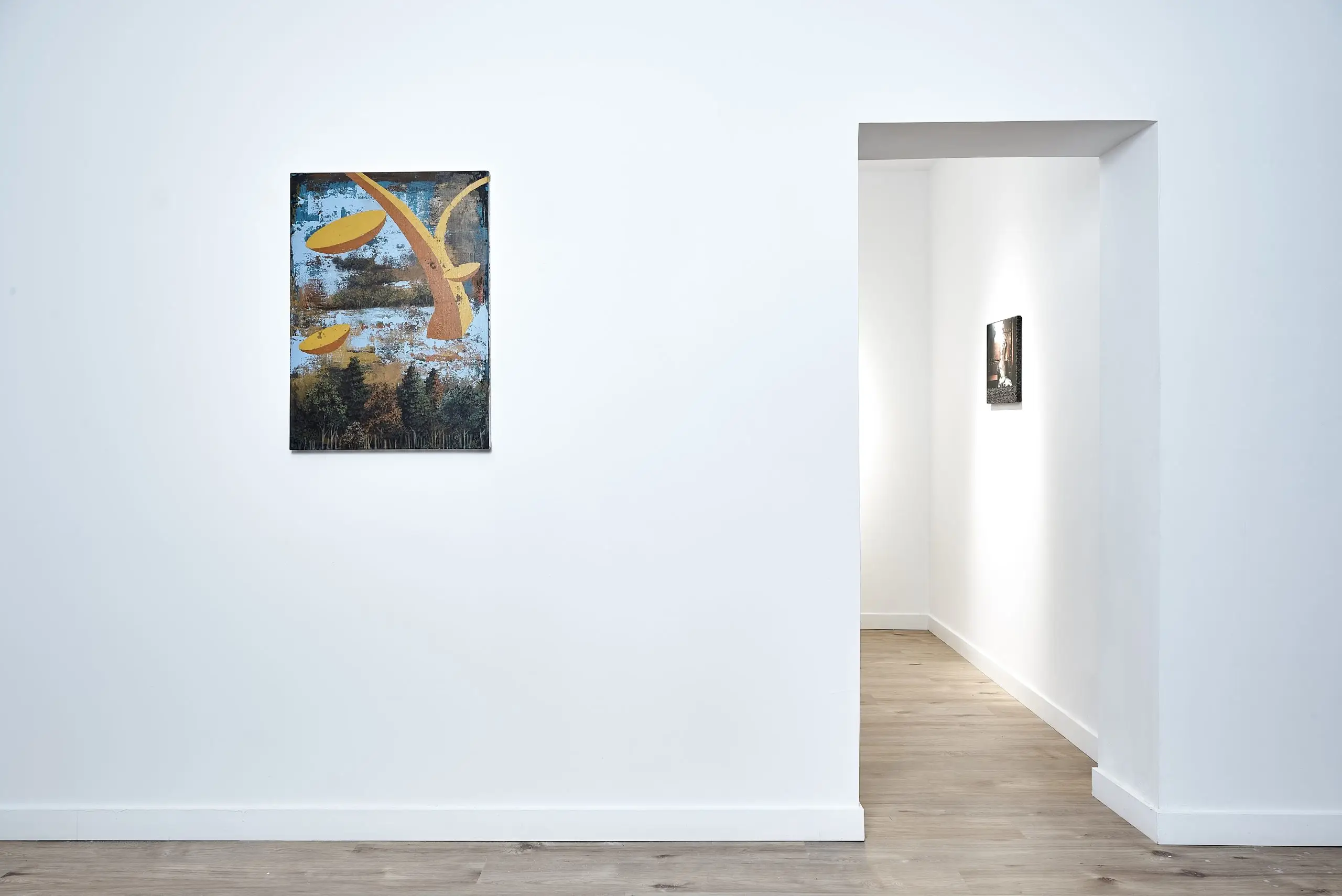
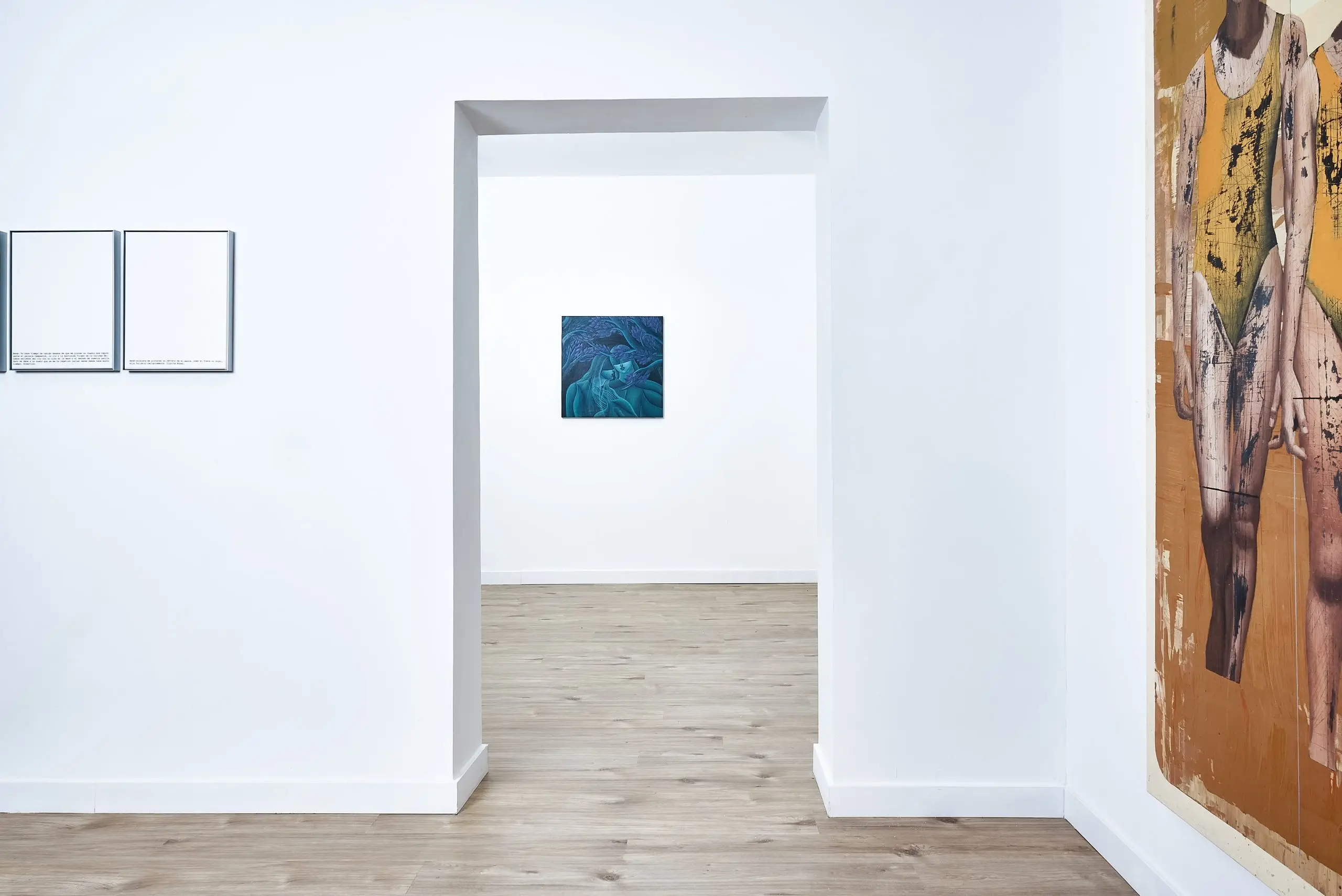
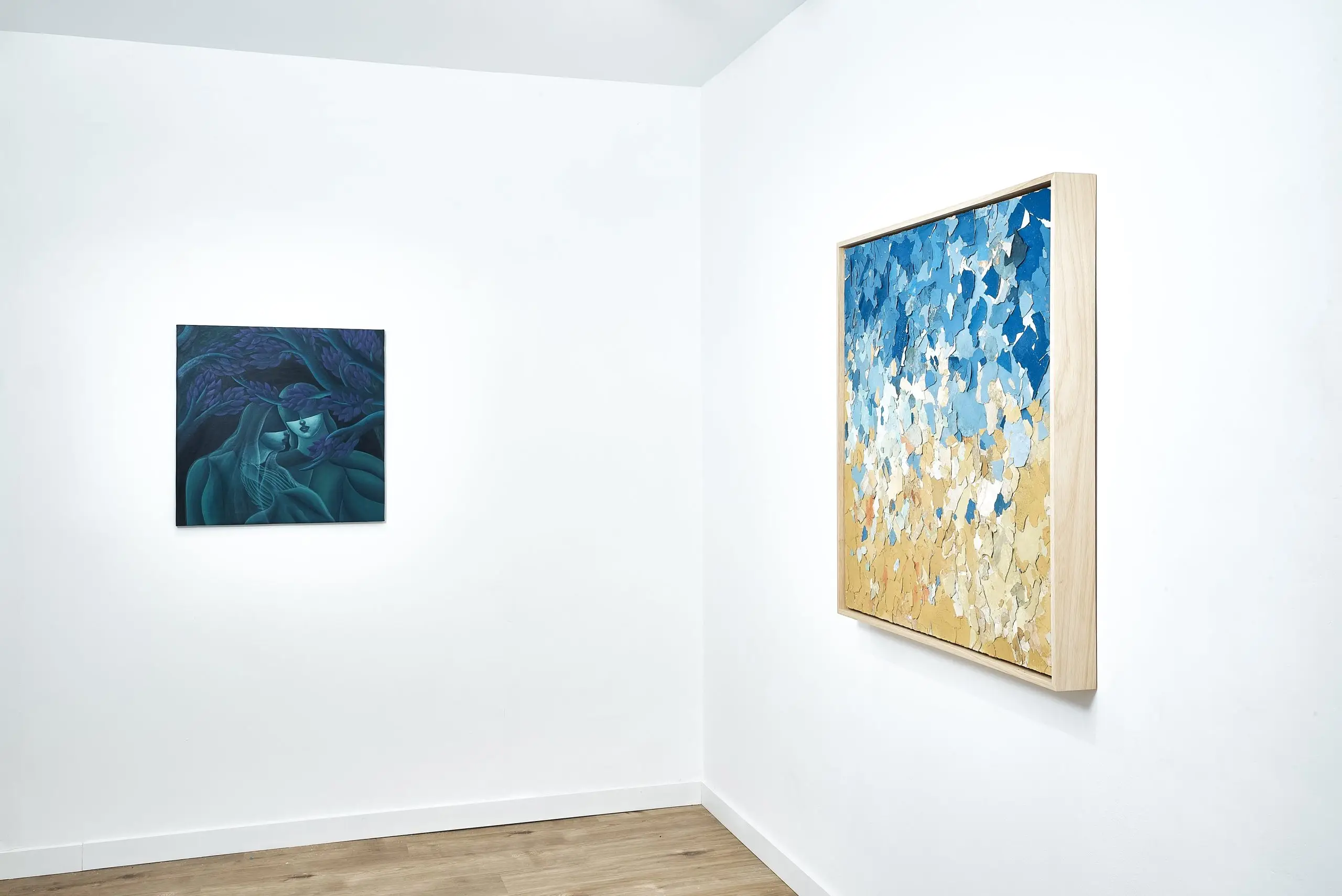
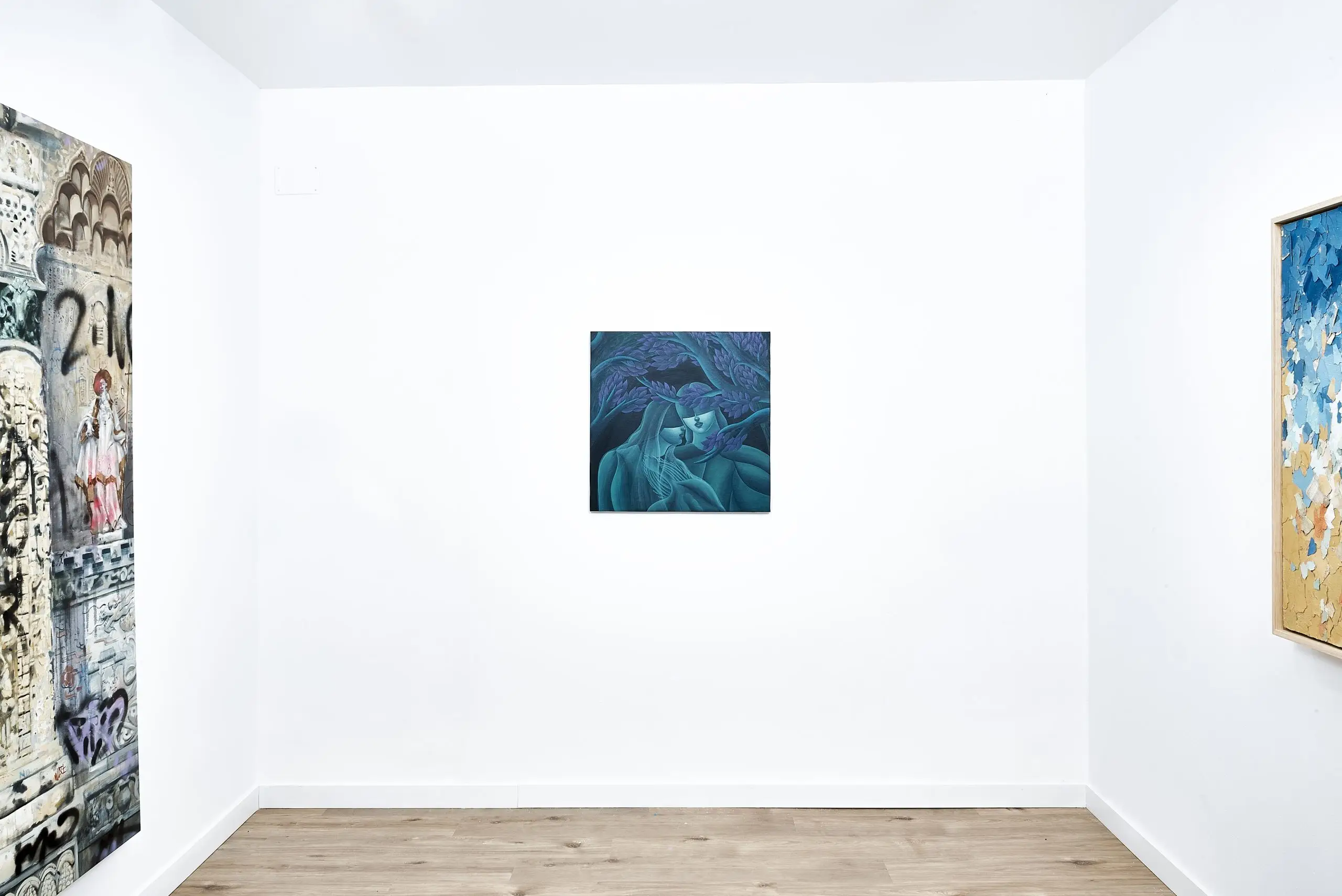
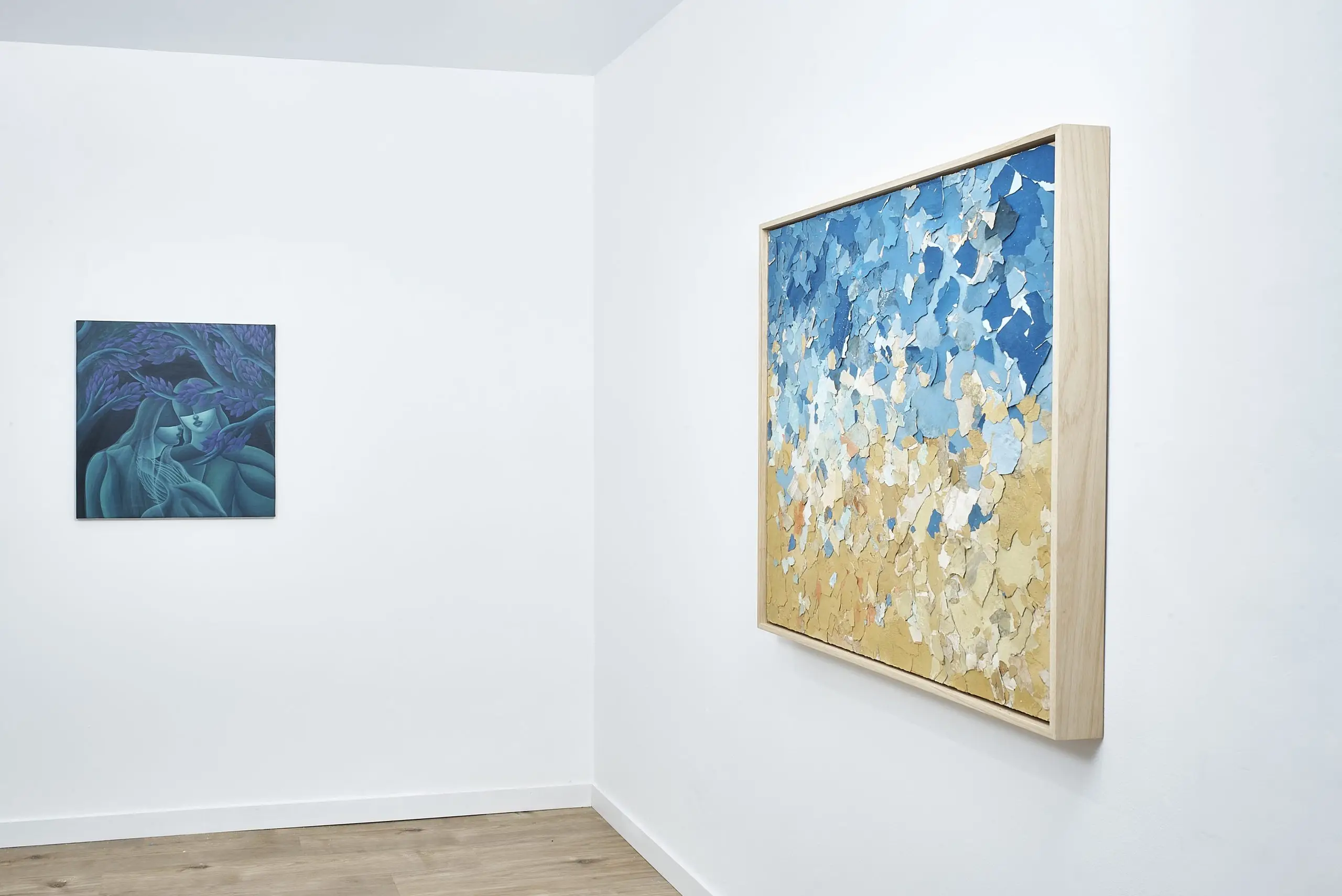
This exhibition brings together artists from different generations and is articulated around a painting that is thought and activated as an instrument of exploration of the truths that traverse contemporary cultures; that delves into the field of the archeology of the gaze. In the selected pieces, the issue is not always presented in a visible way: each one functions as the enunciation -or the activation- of a critical gesture, as a point within processes of artistic research of a broader character, whose ultimate goal could be to put under tension the taxonomy, today widely accepted, of image-based practices. Indeed, in no case will we be before a painting that seeks to detach itself from its ontological condition, nor from the tradition that precedes it, nor from the almost placebo character that has been attributed to it as an ineffable object of beauty. Here painting is not afraid to be painting.
The art object conceived from this point of view undergoes a shift in meaning: these paintings are, in reality, archives. Unfinished. With a living structure. Dense and copious like a library. But it should be pointed out that the notion of archive invoked here does not refer only to the idea of accumulation, but to its deepest root: from the Greek arkheîon, the place where the documents of power are kept, that which gives beginning and foundation to a certain order. Luis Sicre
 EN
EN  ES
ES  IT
IT  FR
FR  ZH
ZH  PT
PT