
 EN
EN  ES
ES  IT
IT  FR
FR  ZH
ZH  PT
PT 
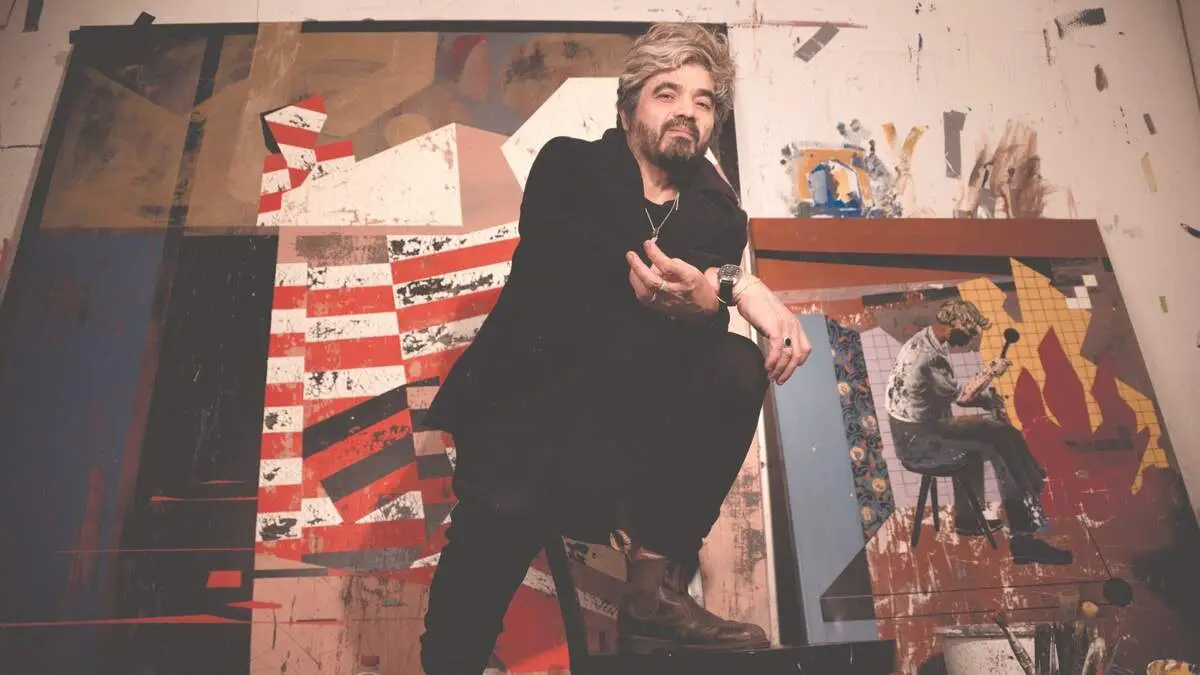



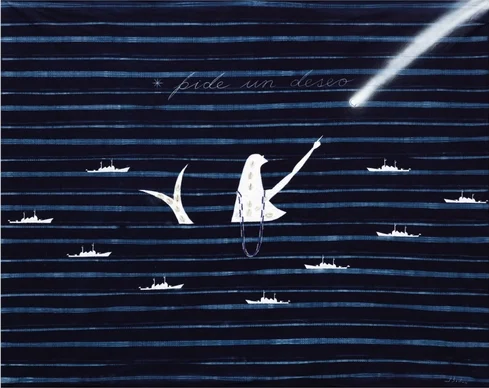



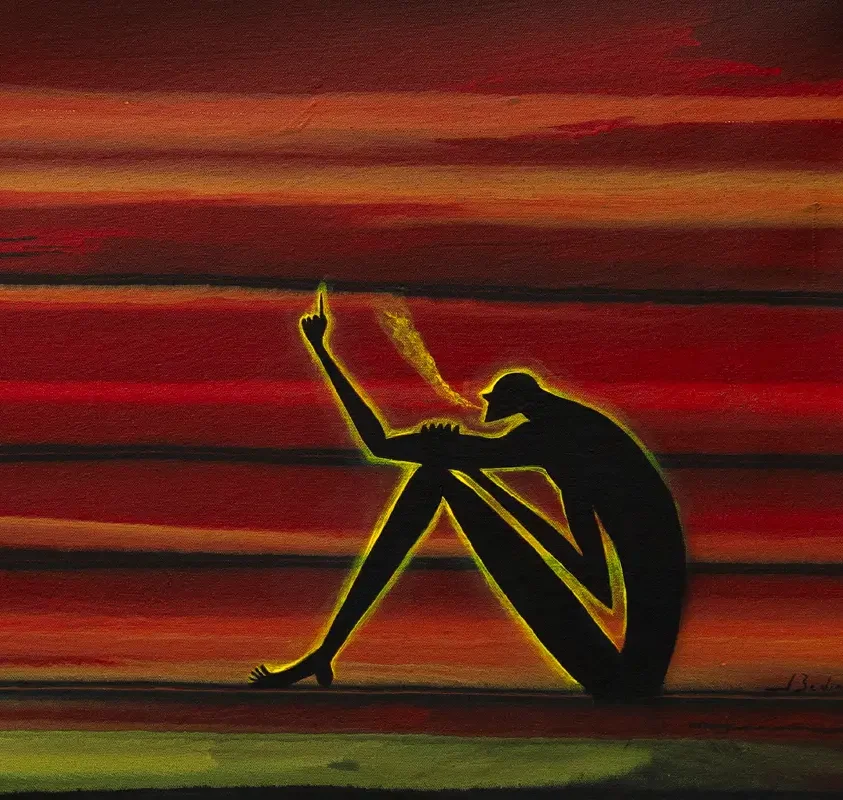
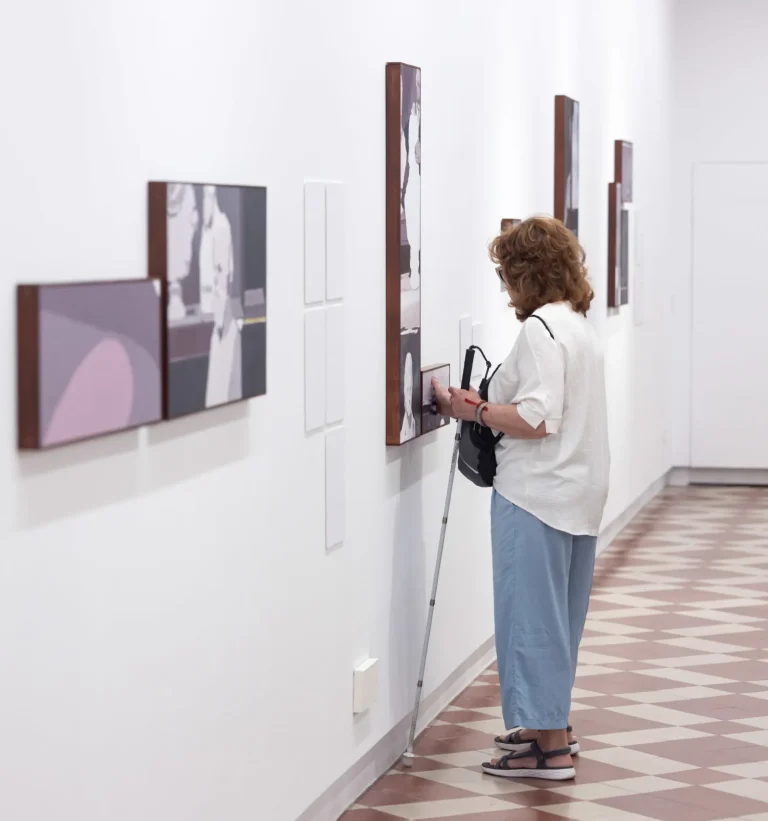
Nacho Martín Silva. Solo exhibition at La Térmica, Málaga
Max Estrella
La Térmica is opening “Tangere,” an exhibition of paintings by Nacho Martín Silva designed for blind and visually impaired visitors. This new in-house production, curated by Juan Francisco Rueda and developed in collaboration with the ONCE branch in Málaga, will be open to the public through September 20. Tangere actively involves blind people as collaborators in the project, making inclusion an essential part of the artistic experience.
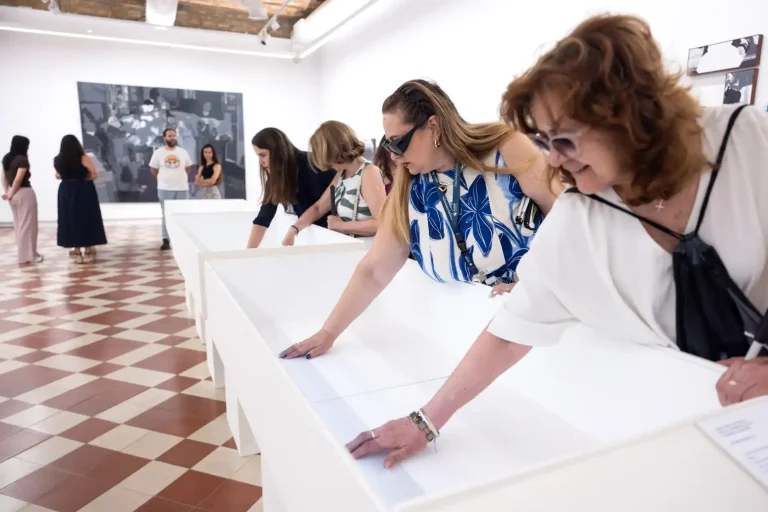
La Térmica Opens ‘Tangere,’ a Painting Exhibition by Nacho Martín Silva for the Visually Impaired
Málaga Provincial Council
The new in-house exhibition, curated by Juan Francisco Rueda and developed in collaboration with the ONCE branch in Málaga, will be open to the public through September 20. ‘Tangere’ features the participation of blind individuals as project collaborators, making inclusion an essential part of the artistic experience.
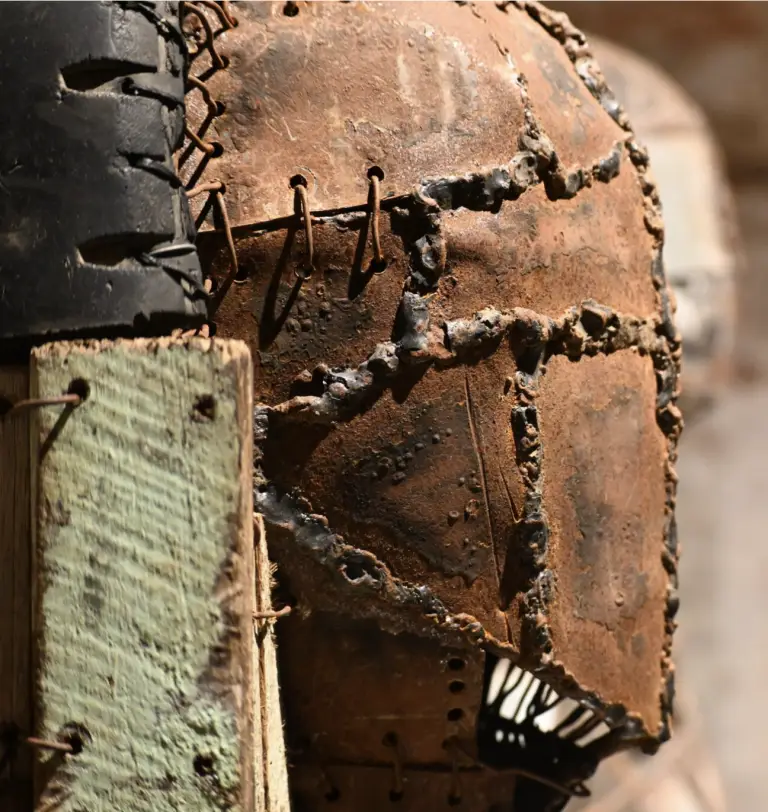

BOOK PRESENTATION: «SOME POSSIBILITIES (FROM GARBAGE AND SIMULACRUM)».»
KULTURKLIK
On Thursday, May 21, BilbaoArte's Sala URIBITARTE40 will present the book «Algunas posibilidades (a partir de basura y simulacro)» about Miren Doiz's exhibition, which will be on display until May 31. With the participation of the artist herself and Emma Brasó, art historian and curator.

BilbaoArte opens the exhibition ‘Some possibilities (from garbage and simulacrum)’ by artist Miren Doiz
EXIBART
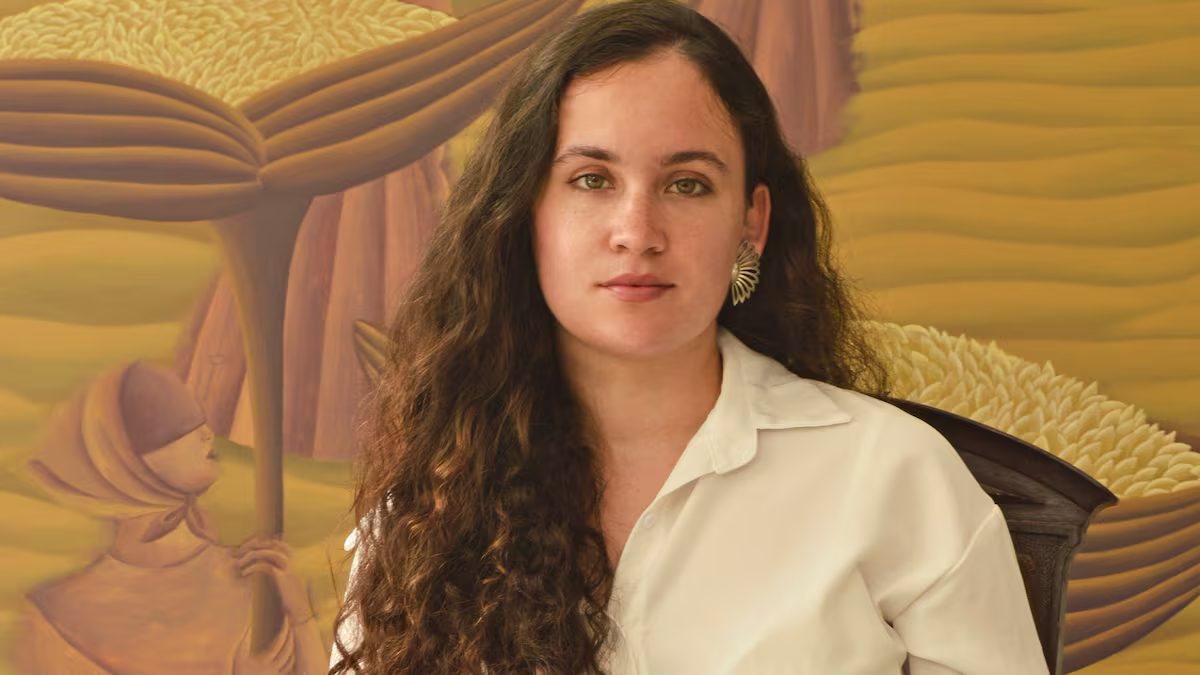
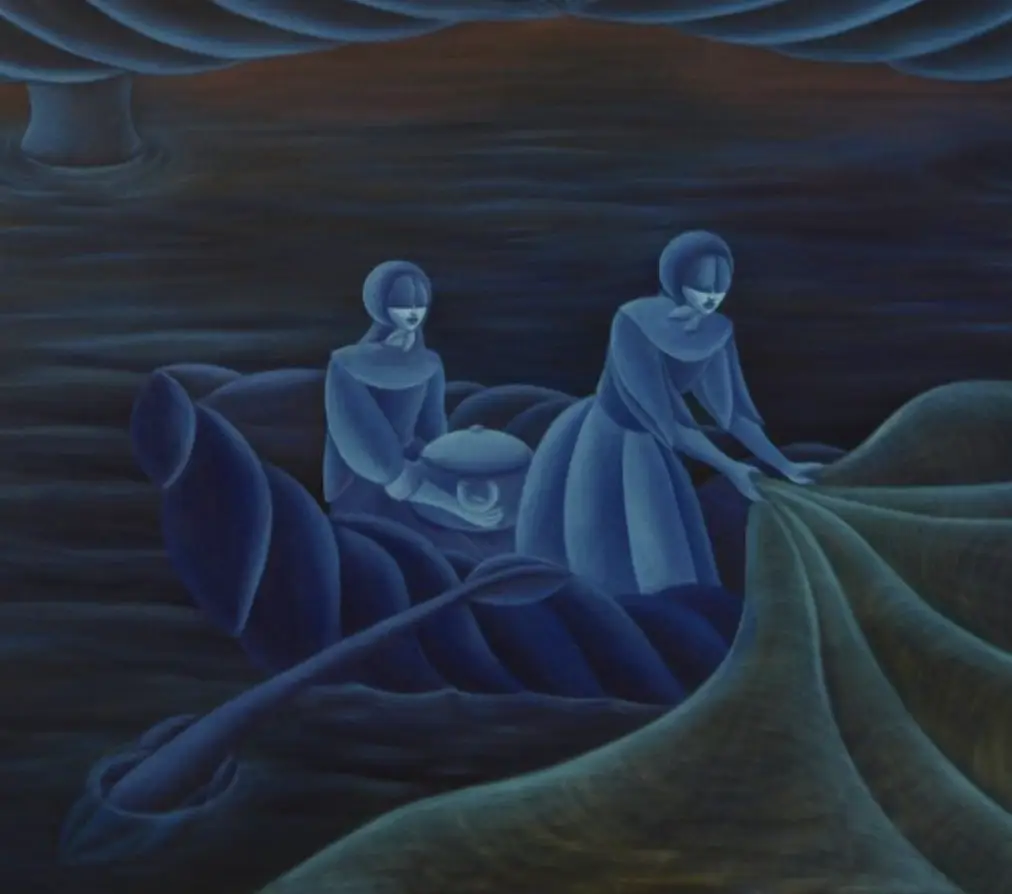
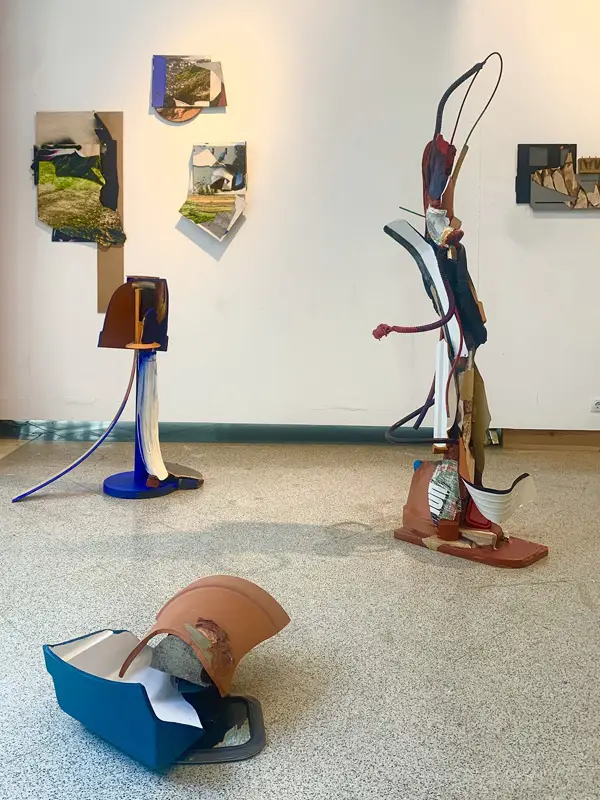
The Center for Artistic Production of the Bilbao City Hall presents the exhibition Algunas posibilidades (a partir de basura y simulacro), by artist Miren Doiz (Pamplona, 1980). The exhibition, which can be visited until May 31 at Sala Uribitarte40, reflects on the logic of production and destruction of materials that defines our times.
Miren Doiz, art, space and society
BONART
The artist from Navarre explores expanded painting and the use of recovered materials to reflect on sustainability, precariousness and contemporary social context in her new exhibition in Bilbao.
Nacho Martín Silva. Solo exhibition at La Térmica, Málaga
Max Estrella
La Térmica is opening “Tangere,” an exhibition of paintings by Nacho Martín Silva designed for blind and visually impaired visitors. This new in-house production, curated by Juan Francisco Rueda and developed in collaboration with the ONCE branch in Málaga, will be open to the public through September 20. Tangere actively involves blind people as collaborators in the project, making inclusion an essential part of the artistic experience.
La Térmica Opens ‘Tangere,’ a Painting Exhibition by Nacho Martín Silva for the Visually Impaired
Málaga Provincial Council
The new in-house exhibition, curated by Juan Francisco Rueda and developed in collaboration with the ONCE branch in Málaga, will be open to the public through September 20. ‘Tangere’ features the participation of blind individuals as project collaborators, making inclusion an essential part of the artistic experience.
BOOK PRESENTATION: «SOME POSSIBILITIES (FROM GARBAGE AND SIMULACRUM)».»
KULTURKLIK
On Thursday, May 21, BilbaoArte's Sala URIBITARTE40 will present the book «Algunas posibilidades (a partir de basura y simulacro)» about Miren Doiz's exhibition, which will be on display until May 31. With the participation of the artist herself and Emma Brasó, art historian and curator.
BilbaoArte opens the exhibition ‘Some possibilities (from garbage and simulacrum)’ by artist Miren Doiz
EXIBART
The Center for Artistic Production of the Bilbao City Hall presents the exhibition Algunas posibilidades (a partir de basura y simulacro), by artist Miren Doiz (Pamplona, 1980). The exhibition, which can be visited until May 31 at Sala Uribitarte40, reflects on the logic of production and destruction of materials that defines our times.
Miren Doiz, art, space and society
BONART
The artist from Navarre explores expanded painting and the use of recovered materials to reflect on sustainability, precariousness and contemporary social context in her new exhibition in Bilbao.