
 EN
EN  ES
ES  IT
IT  FR
FR  ZH
ZH  PT
PT 






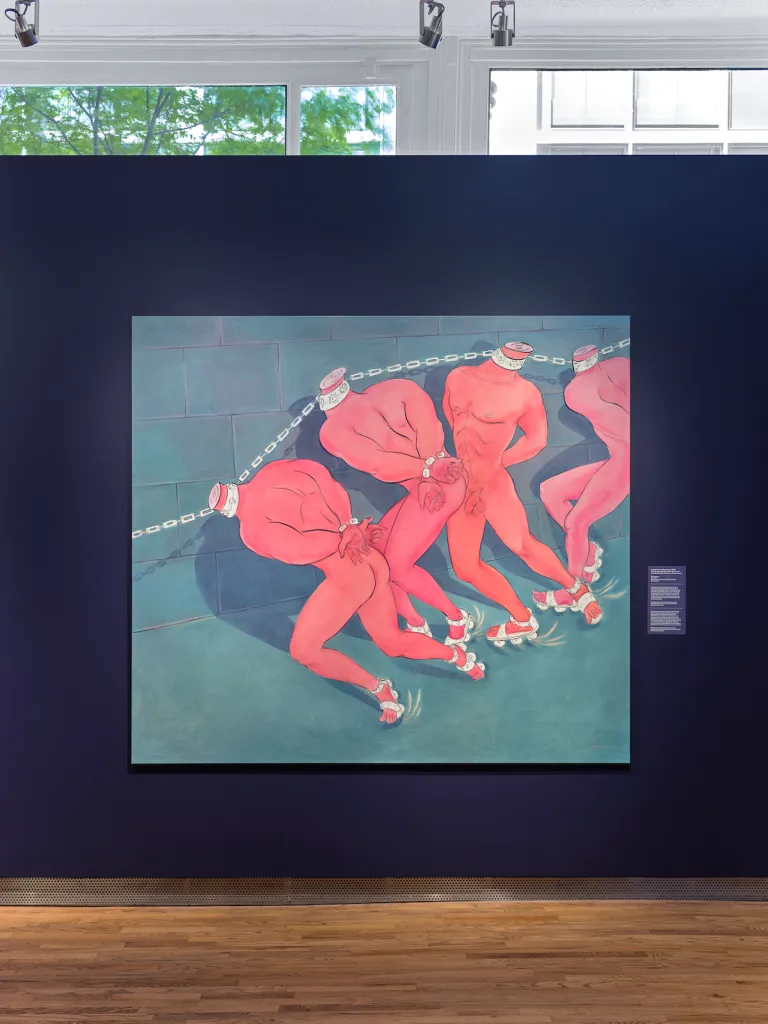
Bodies, bodies, bodies: artists revisit the nude in exhibitions around New York
ARTNEWS
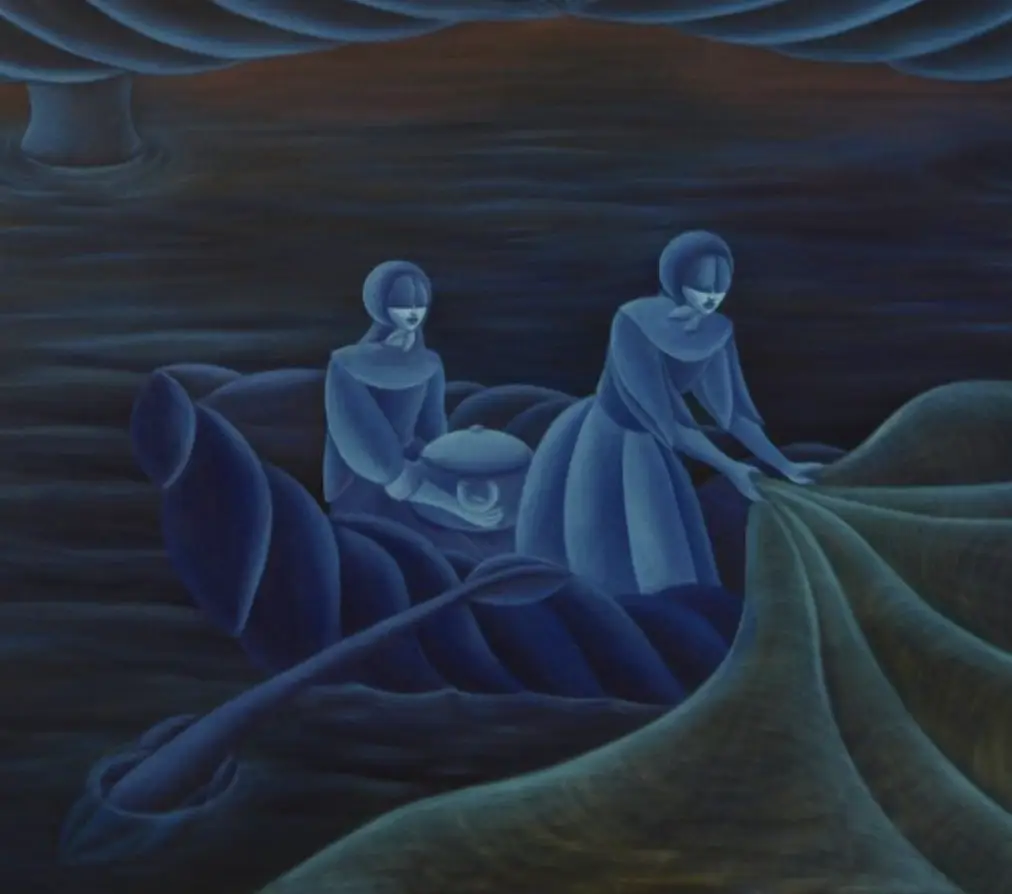
At a time of renewed interest in the representation of the body and the nude in contemporary art in New York, Rocío García's work stands out for its provocative exploration of the dynamics of power, desire and sexuality from a narrative and deeply political perspective. Her paintings, charged with erotic tension and symbolism, consolidate her presence as one of the most singular voices in the Cuban art scene today.
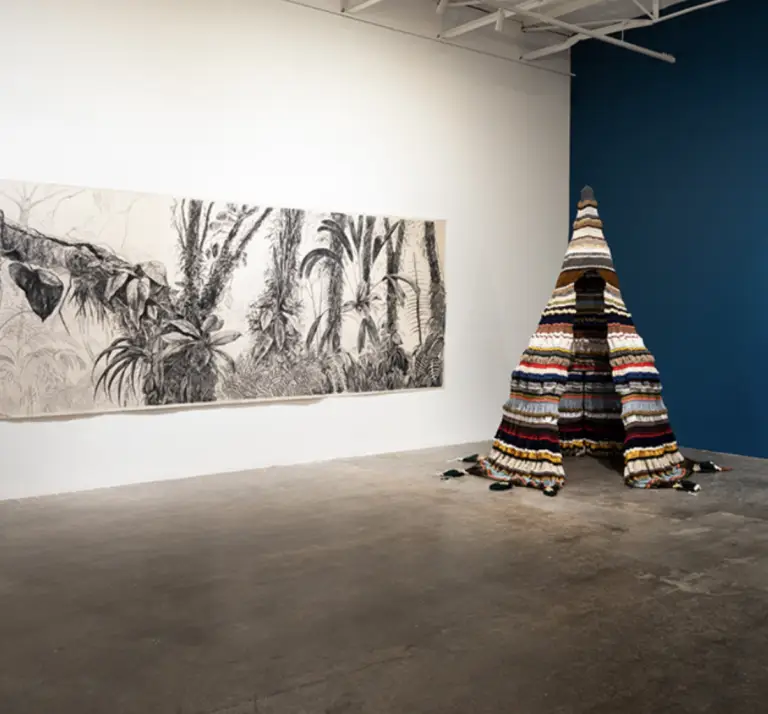
Miami's El Espacio 23 Debuts New Exhibition: ‘A World Far Away, Nearby and Invisible’.’
BUSINESS WIRE
The exhibition features nearly 150 works by over 100 artists from the Americas, Europe, Africa, and beyond, representing a broad range of cultural perspectives and artistic traditions. Alongside these international voices, Miami-based artists Nina Surel and Jennifer Basile are featured for the first time in a public institutional setting, highlighting the space's commitment to nurturing local talent. Through painting, sculpture, photography, video, and installations, the show examines territory as both a living organism and a cultural construct shaped by natural forces and human perception.
The Space 23 Exhibition Reimagines Territory and Belonging
ArtBurst
In a city where borders feel permeable and reinvention is a local instinct, El Espacio 23 returns with a timely question: What is territory now? Is it land? History? A wound? A spiritual force? A place we inherit, or a place we imagine? That inquiry anchors “A World Far Away, Nearby and Invisible: Territory Narratives in the Jorge M. Pérez Collection,” the sixth exhibition at the contemporary art space founded by Miami developer, art collector and philanthropist Jorge M. Pérez.
Venice Biennale 2026 Highlights: Off-Site Exhibitions
Art Review
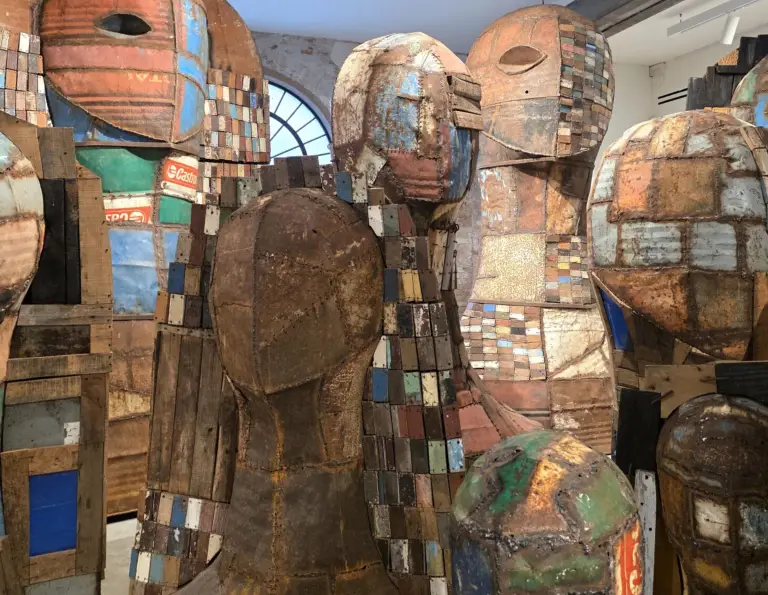
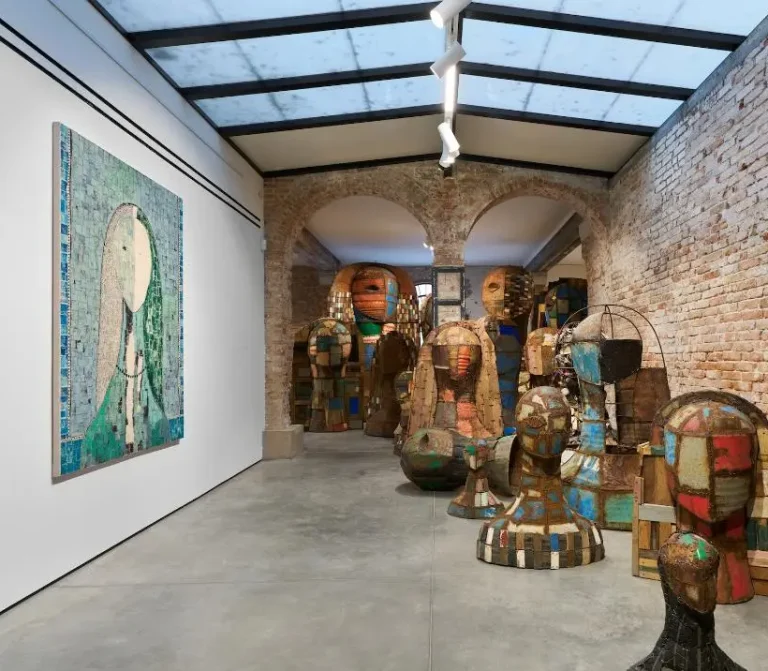
Roberto Diago's Cuban Pavilion brings together rusted iron heads, fragmented wooden figures and small birdhouse-like structures that recall the structures of a shrine, shelter or prison cell. Installed within the rough brick architecture of the Venetian space, the works carry the appearance of things salvaged after collapse: weathered surfaces, patched timbers and bodies assembled from scraps.
At the Cuban Pavilion, a physical and symbolic journey through Afro-descendant memory
Il Giornale Dell'Arte
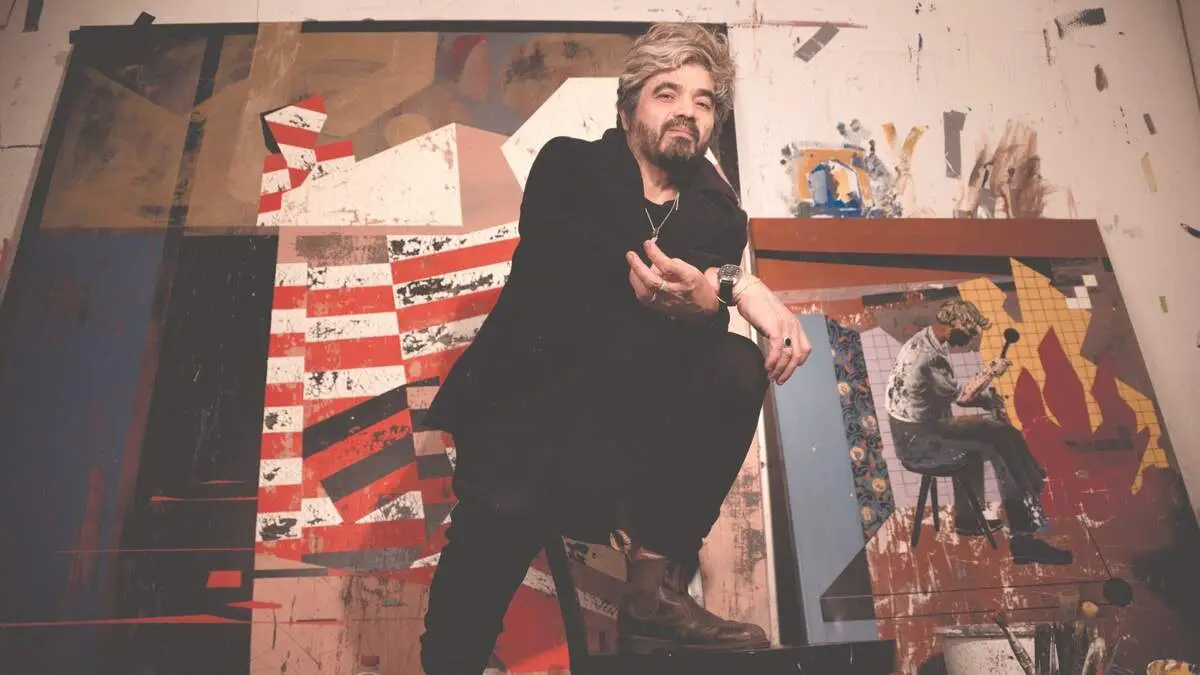
In a material context, for his participation in the 61st International Art Exhibition of the Venice Biennale, the artist Roberto Diago does not represent black skin as a passive surface, but as an archive of trauma, resistance and survival.
Writer Carmen Maria Machado Turns Curator for a Subversive New Show in New York: Rocío García
VOGUE
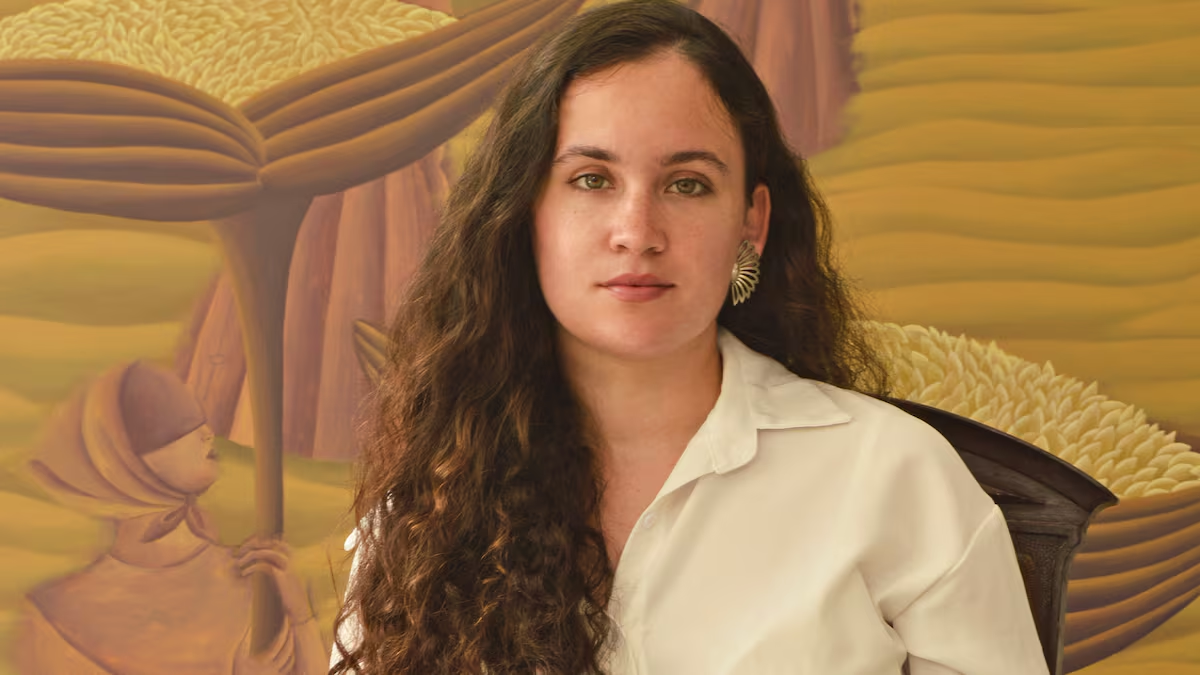
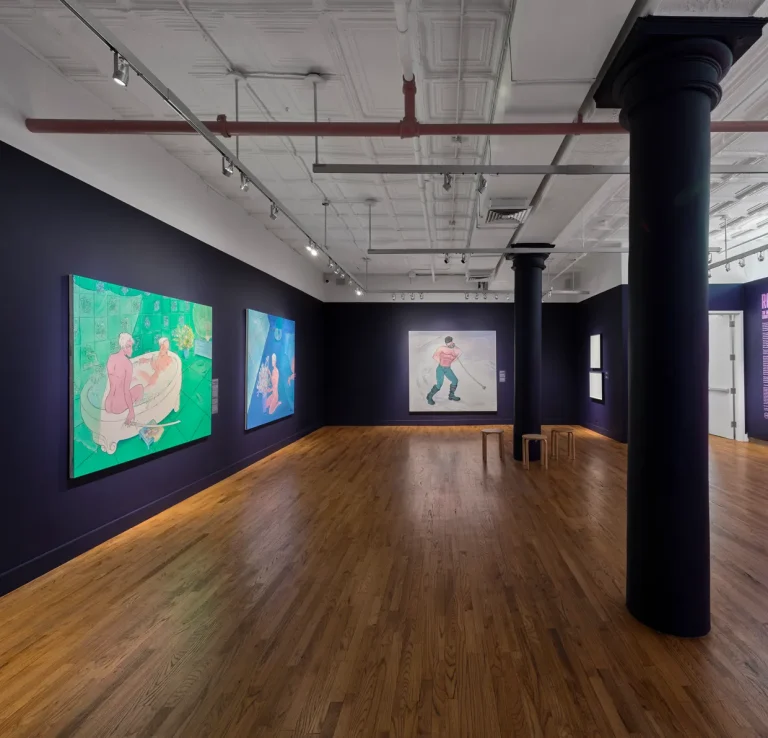
Themes of power, pain, desire, sexuality, and fear animate much of Machado's work as well as García's, making a multimedia collaboration between the two creatives feel especially apropos. Machado, who is also of Cuban descent, notes that while working with García, who lives in Havana, posed certain logistical challenges-“since bringing stuff out of Cuba is pretty hard right now”-encountering the artist's work in person was a revelation.
Bodies, bodies, bodies: artists revisit the nude in exhibitions around New York
ARTNEWS
At a time of renewed interest in the representation of the body and the nude in contemporary art in New York, Rocío García's work stands out for its provocative exploration of the dynamics of power, desire and sexuality from a narrative and deeply political perspective. Her paintings, charged with erotic tension and symbolism, consolidate her presence as one of the most singular voices in the Cuban art scene today.
Miami's El Espacio 23 Debuts New Exhibition: ‘A World Far Away, Nearby and Invisible’.’
BUSINESS WIRE
The exhibition features nearly 150 works by over 100 artists from the Americas, Europe, Africa, and beyond, representing a broad range of cultural perspectives and artistic traditions. Alongside these international voices, Miami-based artists Nina Surel and Jennifer Basile are featured for the first time in a public institutional setting, highlighting the space's commitment to nurturing local talent. Through painting, sculpture, photography, video, and installations, the show examines territory as both a living organism and a cultural construct shaped by natural forces and human perception.
The Space 23 Exhibition Reimagines Territory and Belonging
ArtBurst
In a city where borders feel permeable and reinvention is a local instinct, El Espacio 23 returns with a timely question: What is territory now? Is it land? History? A wound? A spiritual force? A place we inherit, or a place we imagine? That inquiry anchors “A World Far Away, Nearby and Invisible: Territory Narratives in the Jorge M. Pérez Collection,” the sixth exhibition at the contemporary art space founded by Miami developer, art collector and philanthropist Jorge M. Pérez.
Venice Biennale 2026 Highlights: Off-Site Exhibitions
Art Review
Roberto Diago's Cuban Pavilion brings together rusted iron heads, fragmented wooden figures and small birdhouse-like structures that recall the structures of a shrine, shelter or prison cell. Installed within the rough brick architecture of the Venetian space, the works carry the appearance of things salvaged after collapse: weathered surfaces, patched timbers and bodies assembled from scraps.
At the Cuban Pavilion, a physical and symbolic journey through Afro-descendant memory
Il Giornale Dell'Arte
In a material context, for his participation in the 61st International Art Exhibition of the Venice Biennale, the artist Roberto Diago does not represent black skin as a passive surface, but as an archive of trauma, resistance and survival.
Writer Carmen Maria Machado Turns Curator for a Subversive New Show in New York: Rocío García
VOGUE
Themes of power, pain, desire, sexuality, and fear animate much of Machado's work as well as García's, making a multimedia collaboration between the two creatives feel especially apropos. Machado, who is also of Cuban descent, notes that while working with García, who lives in Havana, posed certain logistical challenges-“since bringing stuff out of Cuba is pretty hard right now”-encountering the artist's work in person was a revelation.