
 ES
ES  EN
EN  IT
IT  FR
FR  ZH
ZH  PT
PT 
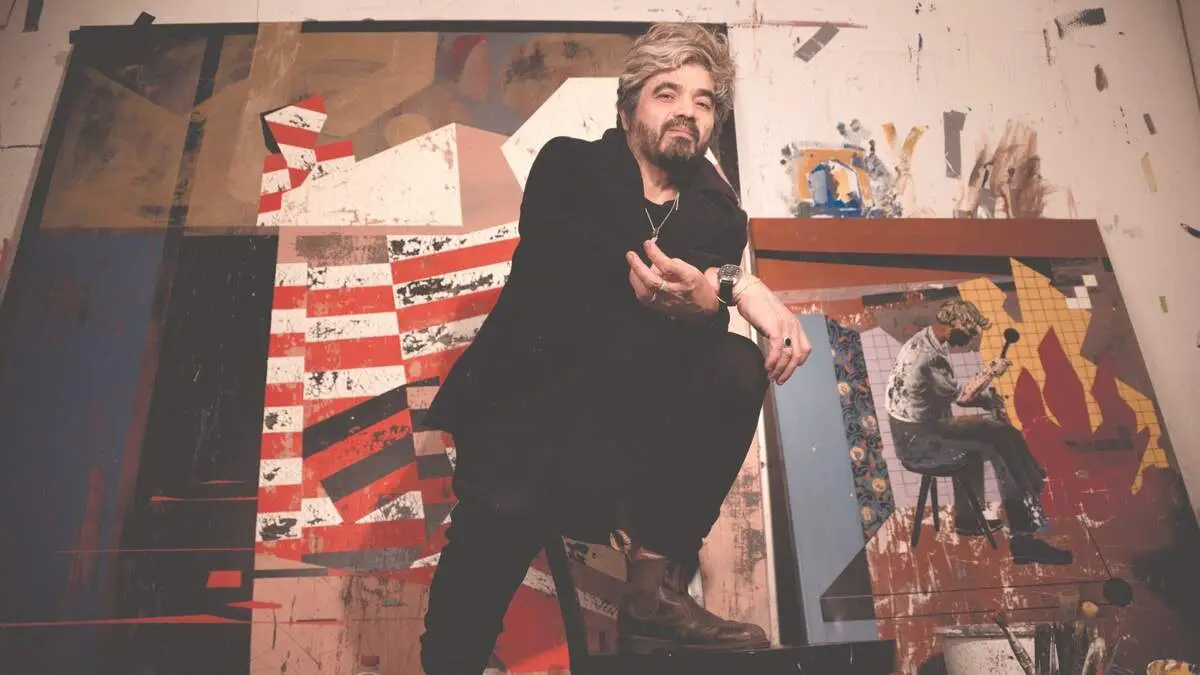






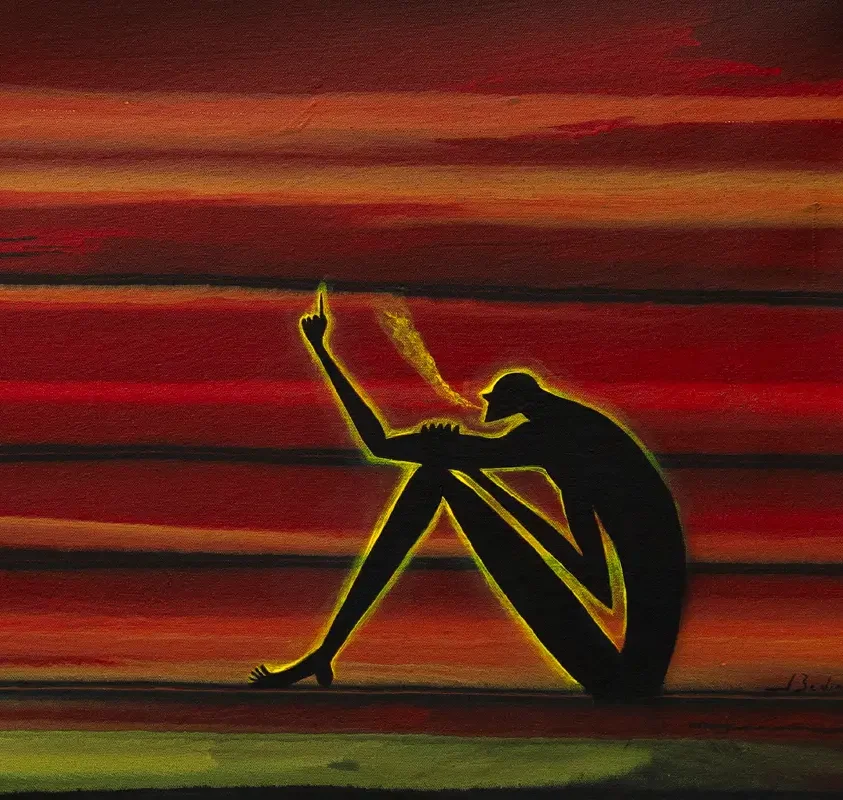
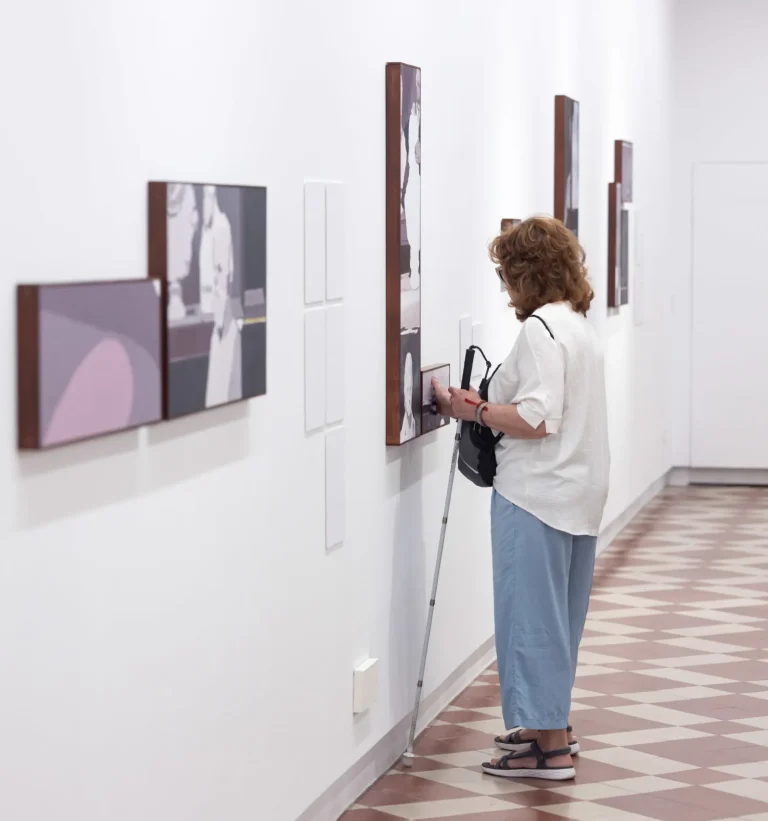
Nacho Martín Silva. Solo show at La Térmica, Málaga
Max Estrella
La Térmica inaugura Tangere, una exposición de pintura de Nacho Martín Silva pensada para visitantes ciegos y con discapacidad visual. Esta nueva producción propia, comisariada por Juan Francisco Rueda y desarrollada en colaboración con la Delegación de la ONCE en Málaga, estará abierta al público hasta el 20 de septiembre. Tangere involucra activamente a personas ciegas como colaboradoras en el proyecto, haciendo de la inclusión una parte esencial de la experiencia artística.
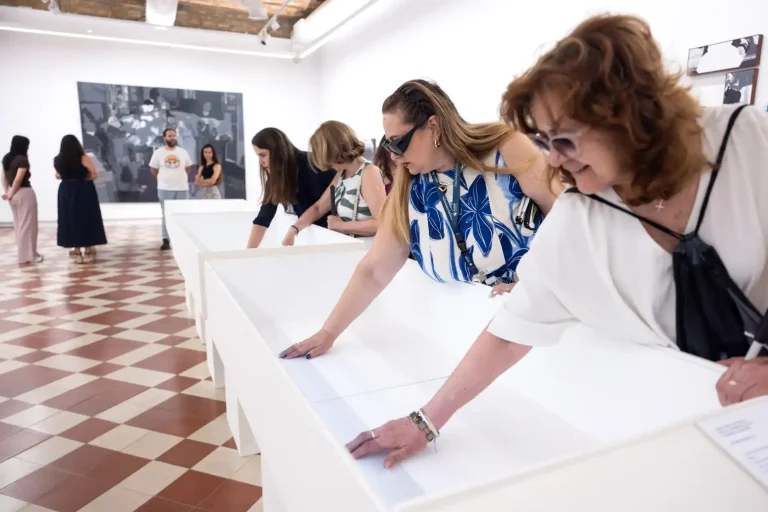
La Térmica inaugura ‘Tangere’, una exposición de pintura de Nacho Martín Silva para invidentes
Diputación Provincial de Málaga
La nueva exposición de producción propia, comisariada por Juan Francisco Rueda y desarrollada en colaboración con la Delegación de la ONCE en Málaga, podrá visitarse hasta el próximo 20 de septiembre. ‘Tangere’ incorpora la participación de personas invidentes como colaboradoras del proyecto, haciendo de la inclusión una parte esencial de la experiencia artística.
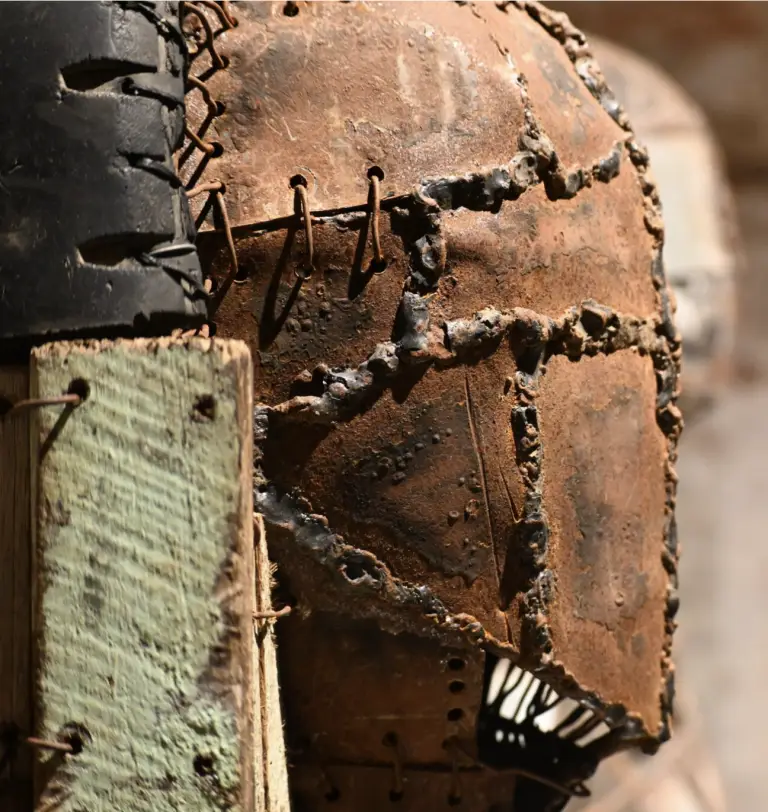
Hombres Libres / Free Men
ART AFRICA
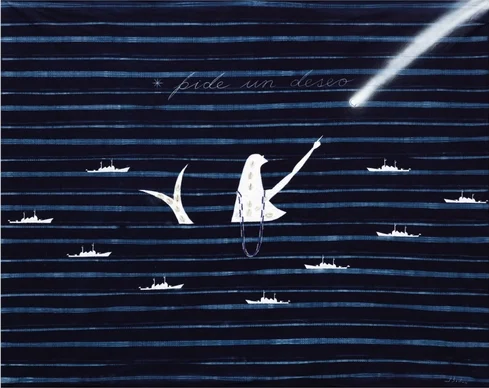
Roberto Diago turns the Cuban Pavilion into a scarred counter-history of empire, labour, Black survival, and the human warmth missing from the polished machinery of the Venice Biennale.
PRESENTACIÓN DE LIBRO: «ALGUNAS POSIBILIDADES (A PARTIR DE BASURA Y SIMULACRO)»
KULTURKLIK
El jueves 21 de mayo, la Sala URIBITARTE40 de BilbaoArte presentará el libro «Algunas posibilidades (a partir de basura y simulacro)» sobre la exposición de Miren Doiz que estará hasta el hasta el 31 de mayo. Participan la prpioa artista, y Emma Brasó, historiadora del arte y comisaria.

BilbaoArte inaugura la exposición ‘Algunas posibilidades (a partir de basura y simulacro)’ de la artista Miren Doiz
EXIBART
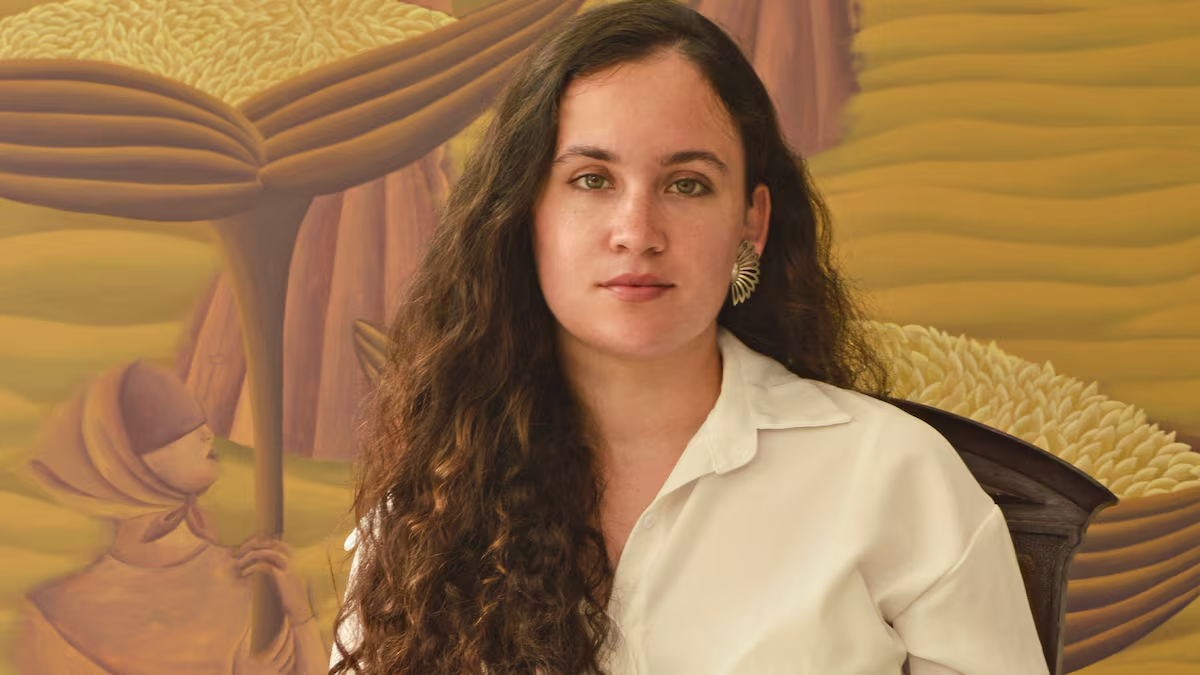
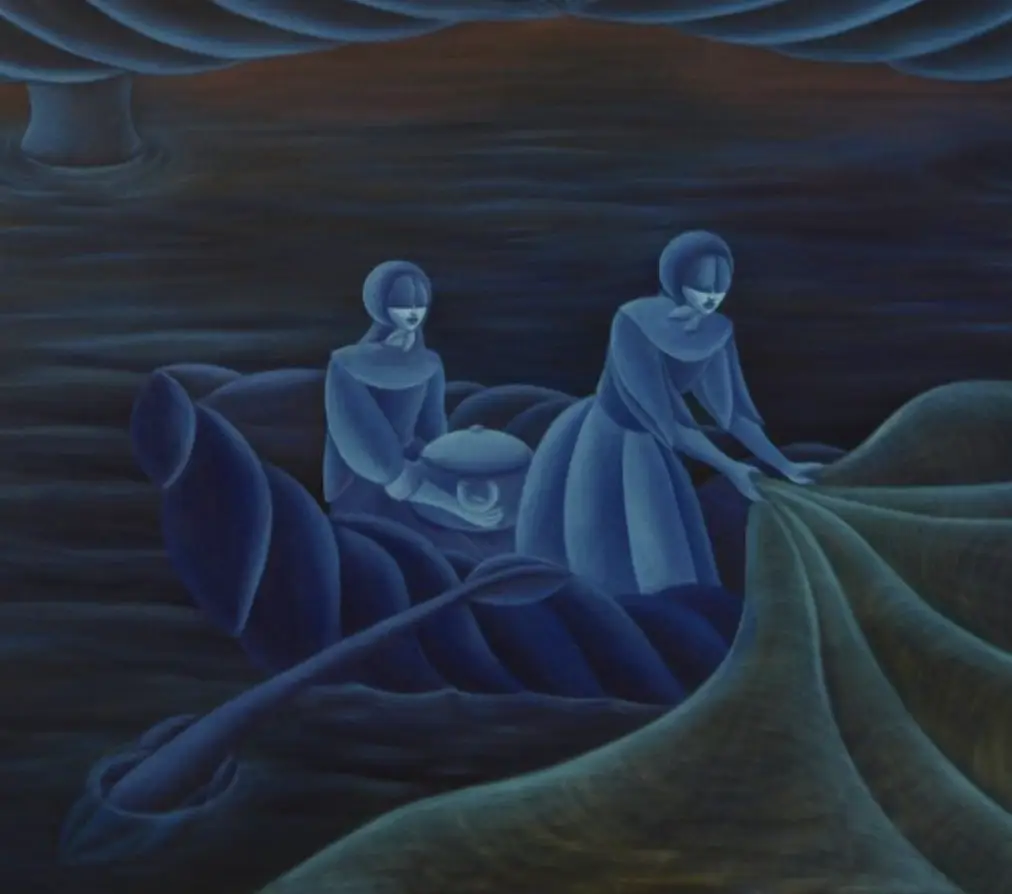
El Centro de Producción Artística del Ayuntamiento de Bilbao presenta la exposición Algunas posibilidades (a partir de basura y simulacro), de la artista Miren Doiz (Pamplona, 1980). La muestra, que podrá visitarse hasta el 31 de mayo en la Sala Uribitarte40, reflexiona sobre la lógica de producción y destrucción de materiales que define nuestra época.
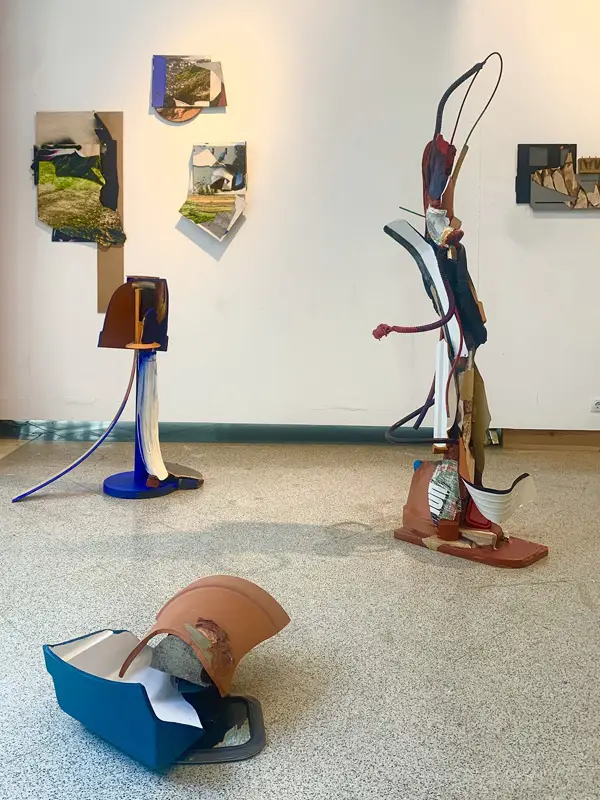
Miren Doiz, arte, espacio y sociedad
BONART
La artista navarra explora la pintura expandida y el uso de materiales recuperados para reflexionar sobre sostenibilidad, precariedad y contexto social contemporáneo en su nueva exposición en Bilbao.
Nacho Martín Silva. Solo show at La Térmica, Málaga
Max Estrella
La Térmica inaugura Tangere, una exposición de pintura de Nacho Martín Silva pensada para visitantes ciegos y con discapacidad visual. Esta nueva producción propia, comisariada por Juan Francisco Rueda y desarrollada en colaboración con la Delegación de la ONCE en Málaga, estará abierta al público hasta el 20 de septiembre. Tangere involucra activamente a personas ciegas como colaboradoras en el proyecto, haciendo de la inclusión una parte esencial de la experiencia artística.
La Térmica inaugura ‘Tangere’, una exposición de pintura de Nacho Martín Silva para invidentes
Diputación Provincial de Málaga
La nueva exposición de producción propia, comisariada por Juan Francisco Rueda y desarrollada en colaboración con la Delegación de la ONCE en Málaga, podrá visitarse hasta el próximo 20 de septiembre. ‘Tangere’ incorpora la participación de personas invidentes como colaboradoras del proyecto, haciendo de la inclusión una parte esencial de la experiencia artística.
Hombres Libres / Free Men
ART AFRICA
Roberto Diago turns the Cuban Pavilion into a scarred counter-history of empire, labour, Black survival, and the human warmth missing from the polished machinery of the Venice Biennale.
PRESENTACIÓN DE LIBRO: «ALGUNAS POSIBILIDADES (A PARTIR DE BASURA Y SIMULACRO)»
KULTURKLIK
El jueves 21 de mayo, la Sala URIBITARTE40 de BilbaoArte presentará el libro «Algunas posibilidades (a partir de basura y simulacro)» sobre la exposición de Miren Doiz que estará hasta el hasta el 31 de mayo. Participan la prpioa artista, y Emma Brasó, historiadora del arte y comisaria.
BilbaoArte inaugura la exposición ‘Algunas posibilidades (a partir de basura y simulacro)’ de la artista Miren Doiz
EXIBART
El Centro de Producción Artística del Ayuntamiento de Bilbao presenta la exposición Algunas posibilidades (a partir de basura y simulacro), de la artista Miren Doiz (Pamplona, 1980). La muestra, que podrá visitarse hasta el 31 de mayo en la Sala Uribitarte40, reflexiona sobre la lógica de producción y destrucción de materiales que define nuestra época.
Miren Doiz, arte, espacio y sociedad
BONART
La artista navarra explora la pintura expandida y el uso de materiales recuperados para reflexionar sobre sostenibilidad, precariedad y contexto social contemporáneo en su nueva exposición en Bilbao.