 EN
EN  ES
ES  IT
IT  FR
FR  ZH
ZH  PT
PT Ruy Lopez Opening
Eduardo Ponjuán
February - May, 2026
Main Room, El Apartamento, Madrid
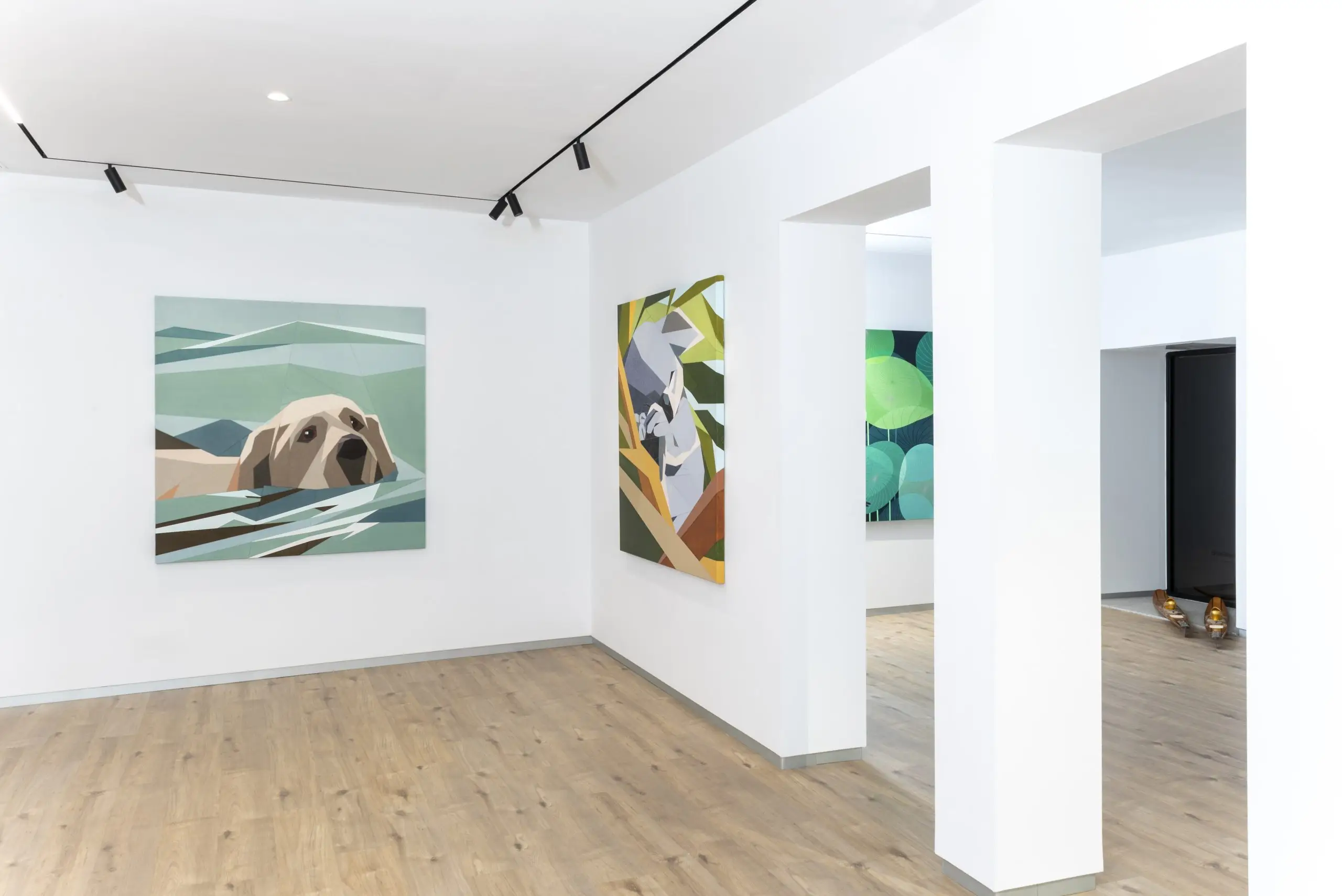
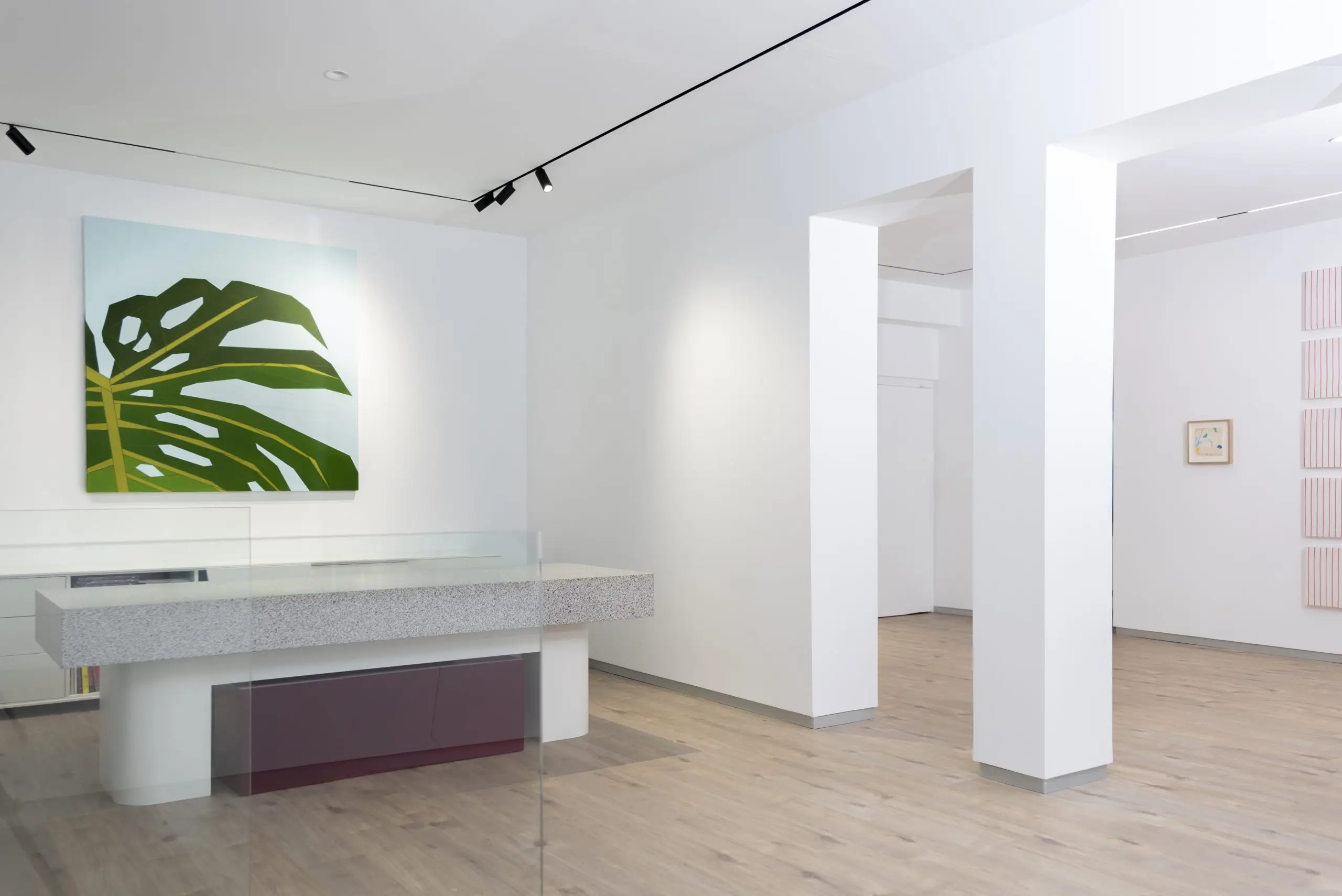
Eduardo Ponjuán appoints Ruy Lopez Opening to his first exhibition at El Apartamento gallery, in Madrid. His strategy wields an analogy between art and game where the Ruy Lopez, also known as Spanish Opening, serves as an excuse to show a relationship between the mental combat inherent to chess, and the struggle of aesthetic ideas and conflicts of interests that governs the art world, with its implicit consequence of winning or losing. As a background, a tautology: this is an initial move, an introduction to a cultural context, the Spanish one, that (he) does not know.
Uncertainties aside, the exhibition, apparently chaotic and cumulative, gathers a year and a half of work. The history of art parades on this catwalk with nods to Goya, Picasso, Fra Angelico, Caspar Friedrich, Velázquez, Van Gogh... or Duchamp, who believed in the aesthetic delight of chess for its ability to articulate intellectual rigor with chance and play. In his words, the purity of chess is not limited to its impossibility of commercialization, it extends to the displacement of the pieces on the board as an expression of thought. Thought, which in Ponjuán is always projected as est(ethics), protected by the conscience of its negative freedom (Isaiah Berlin) in the face of a world that is more and more doomed to dystopias.
Appropriation, quotation, irony, pastiche, deconstruction, intertextuality... these are concepts that run through a production marked by postmodern theoretical and cultural thinking, which in Latin America was redefined from the crossbreeding and criticism of its peripheral condition with respect to the centers of power. This circumstance is what defines its carefree movement between high and low culture, the original and the copy, the trompe-l'oeil and the readymade, The figurative and the abstract, the analogical and the digital. Something logical in a man who taught several generations of Cuban artists from the classrooms of the Instituto Superior de Arte (ISA) in Havana.
True to himself, Ponjuán returns to his research on representation with skepticism. Analytical of art marked by visual heterodoxy, and the indistinct projection towards drawing, painting, object or installation, according to his objectives. His behavior responds to a post-conceptual thinking, of rationalization of the creative process, now in function of a cynical relationship with the new “paradigm of reality” that drives the digitalization, virtualization and aestheticization of the real.
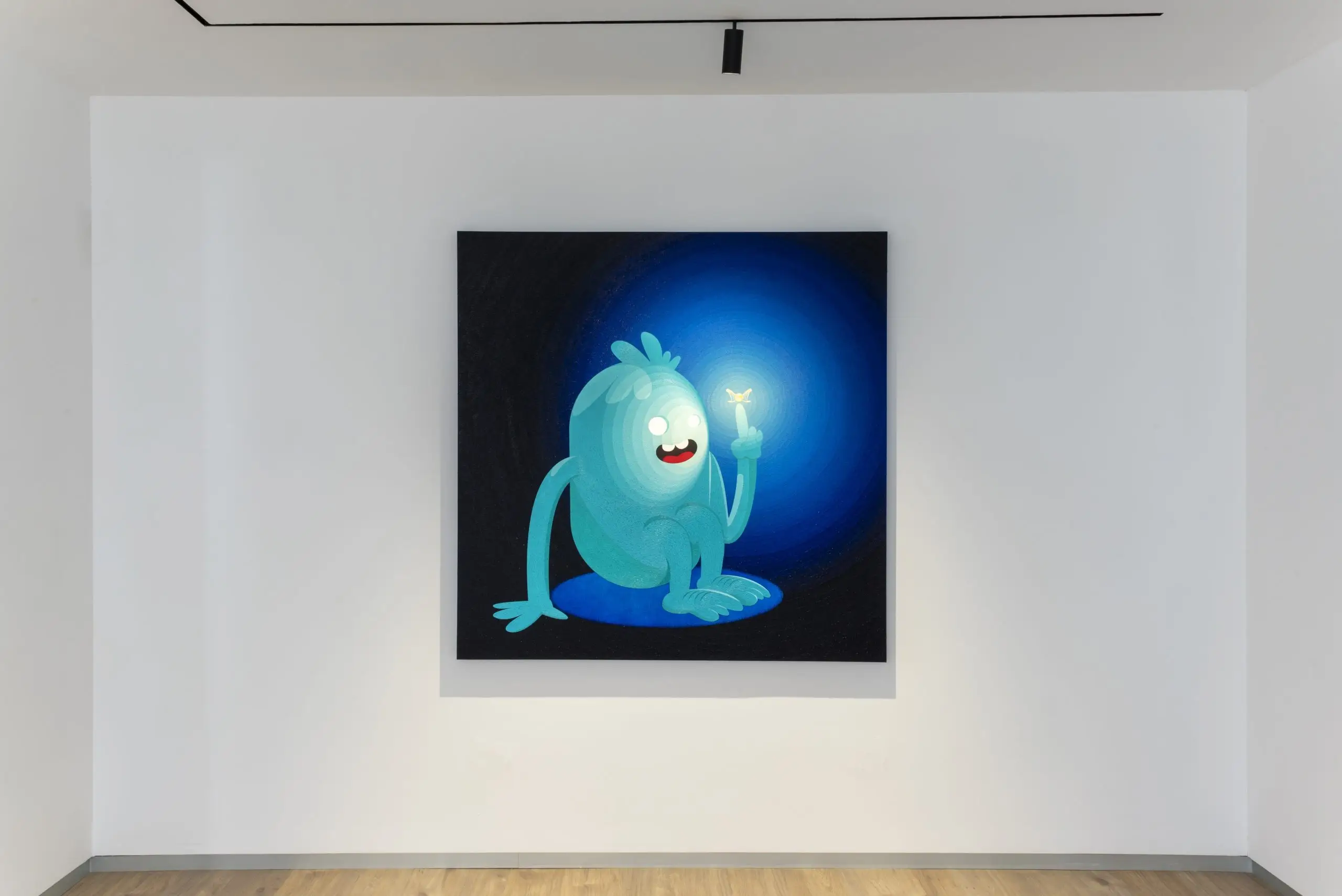
Ruy Lopez Opening The exhibition is the result of an evolution of two previous exhibitions: Snow country (2019), y Cartas a Théo (2022). With them, he established a line of work where he took possession of vectors, mockups, plugins..., digital products created for apps and social networks, marketing, advertising, etc., and materialized them through oil painting. Prototypes, whose layered construction, allows to edit multiple variants and speed up production and delivery times of contemporary design. Its visuality kitsch, The stereotyped and idealized with respect to the referent, found in Ponjuán an impeccable executor for an erotic of the painting that imitates the invoice. digital print.
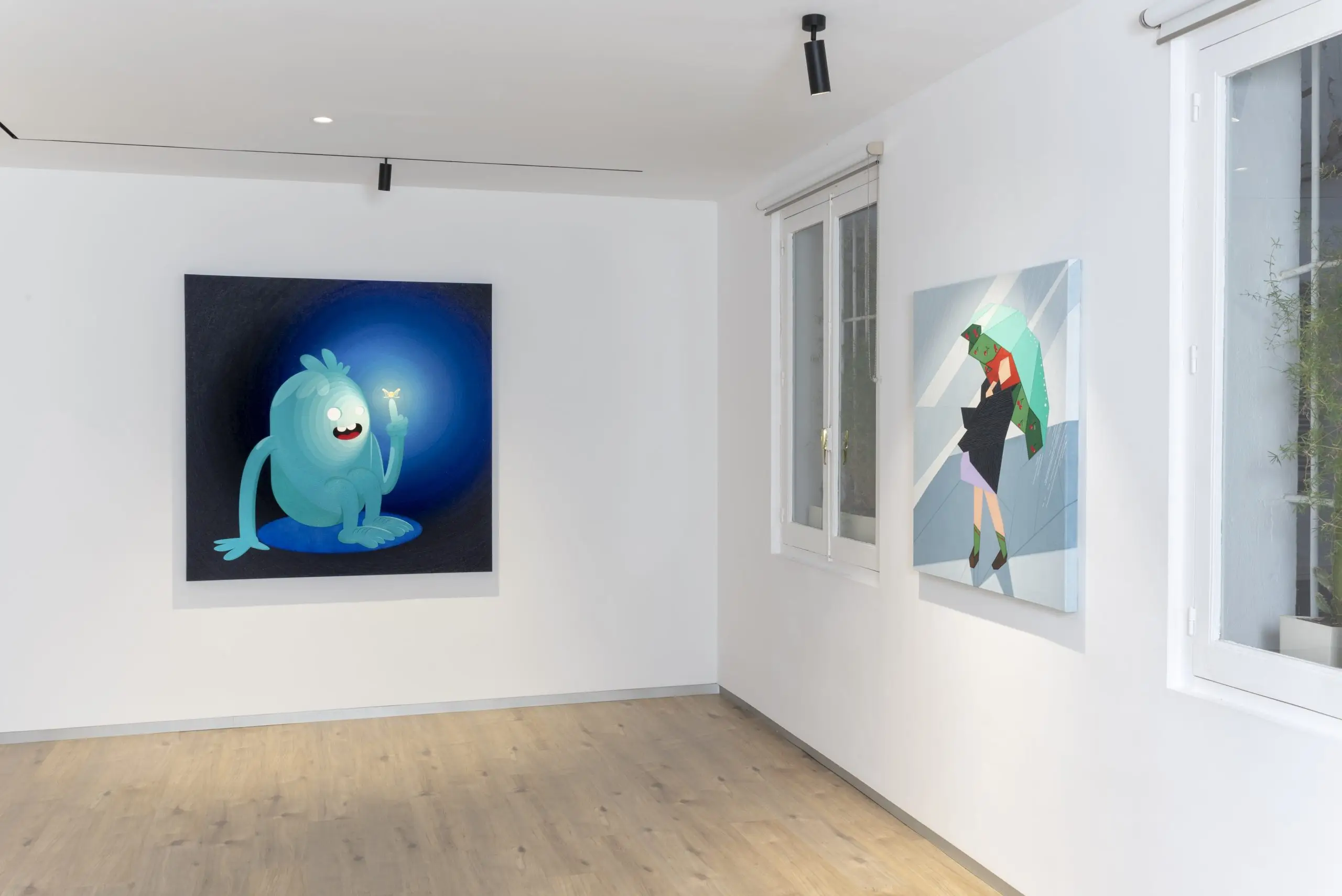
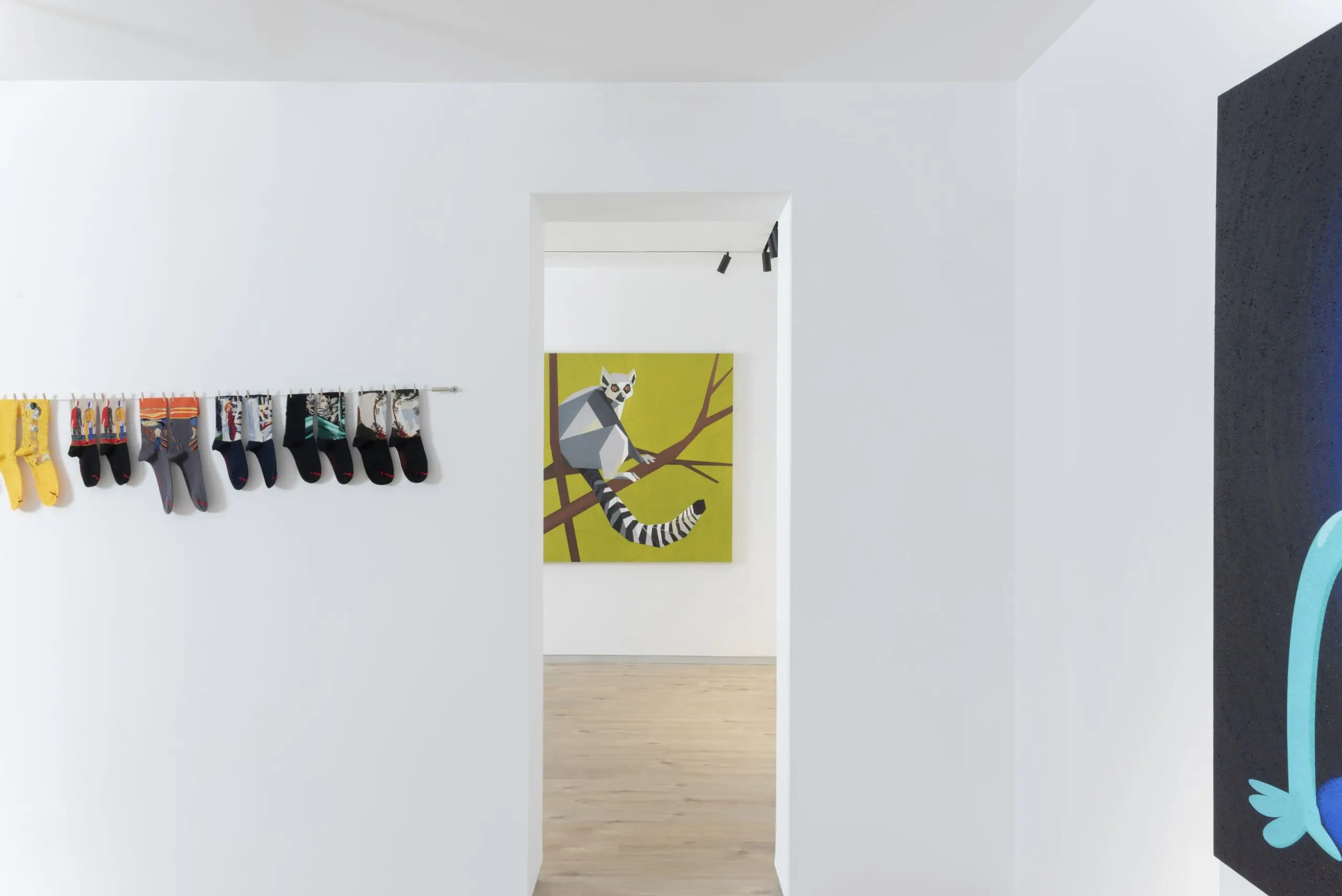
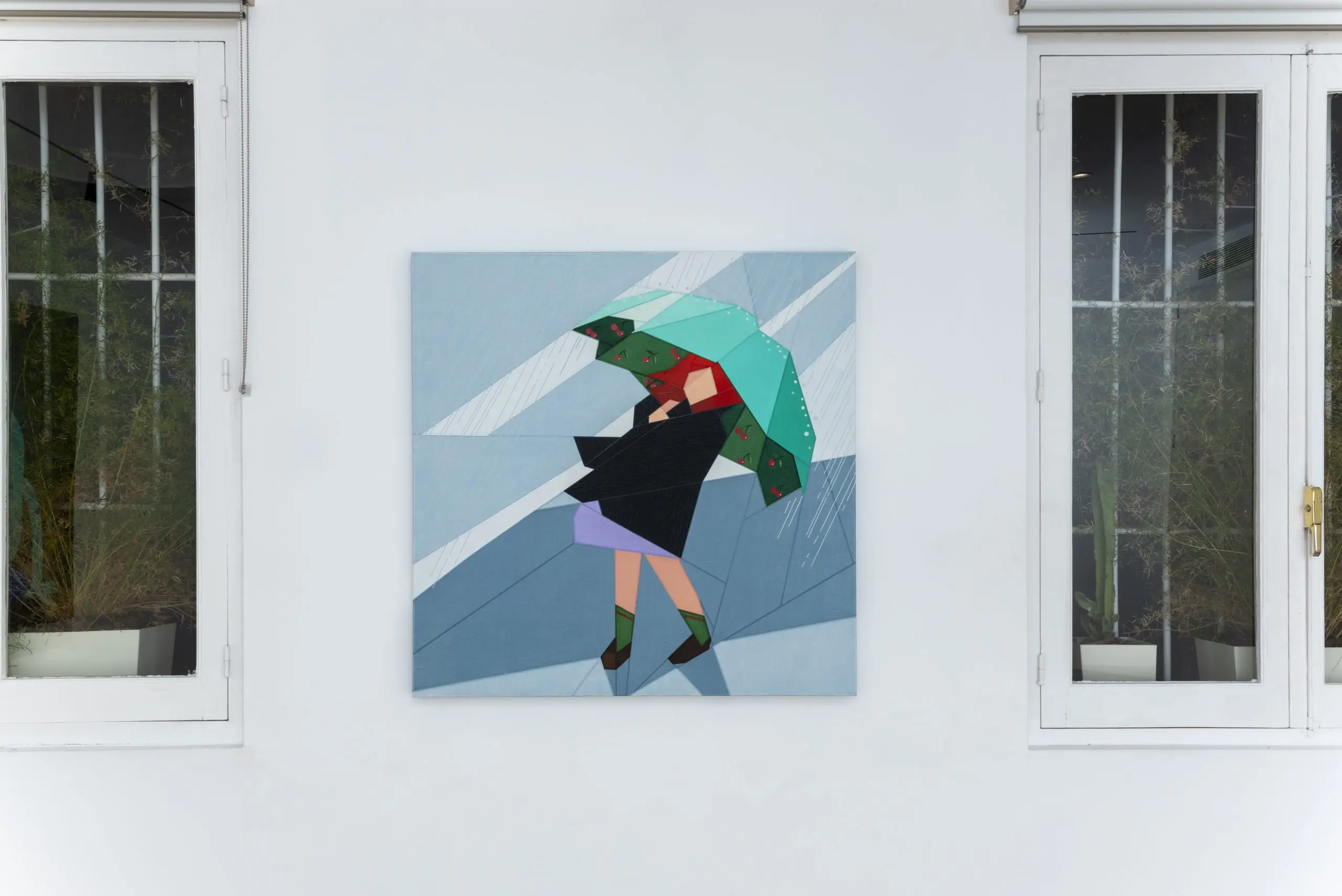
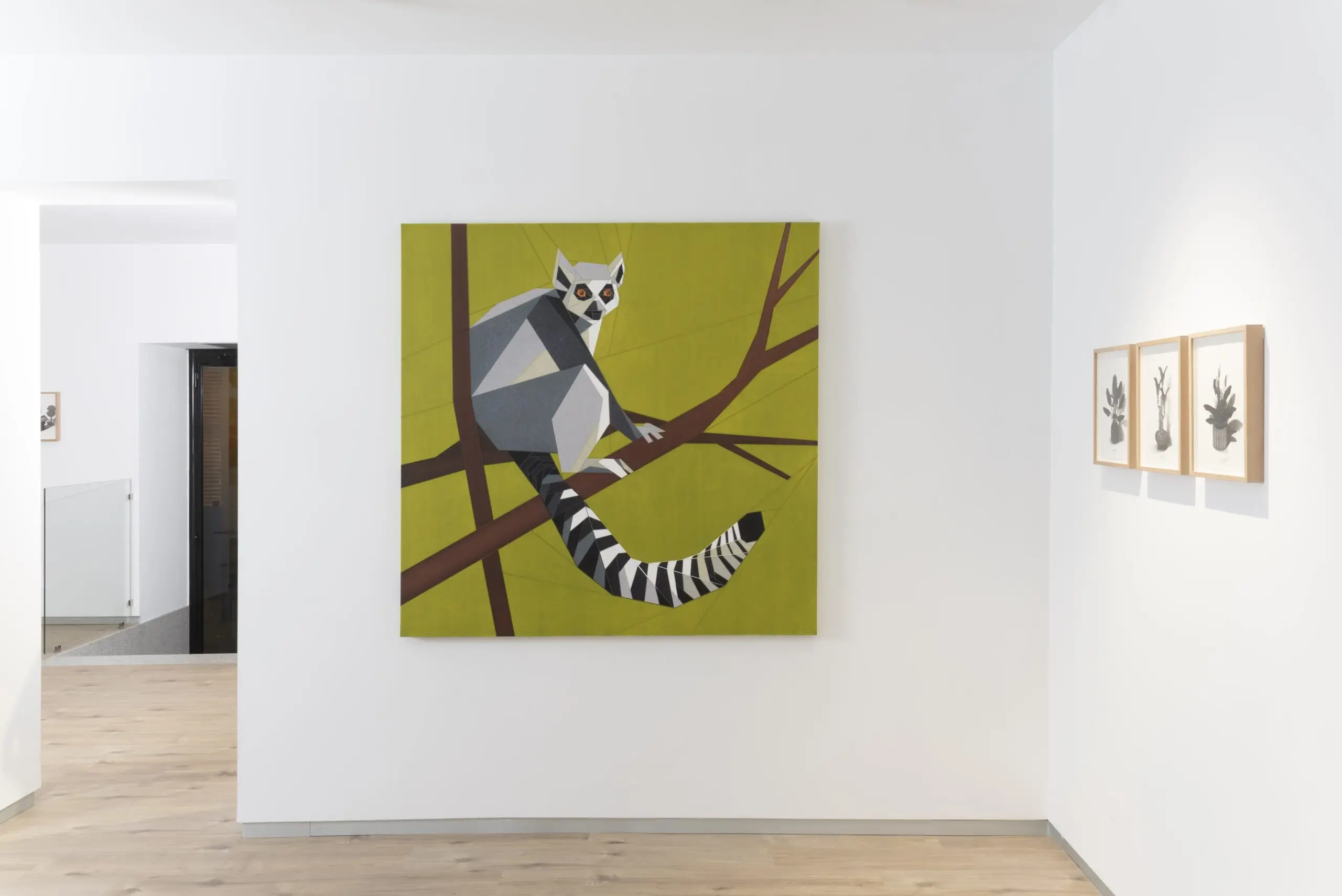
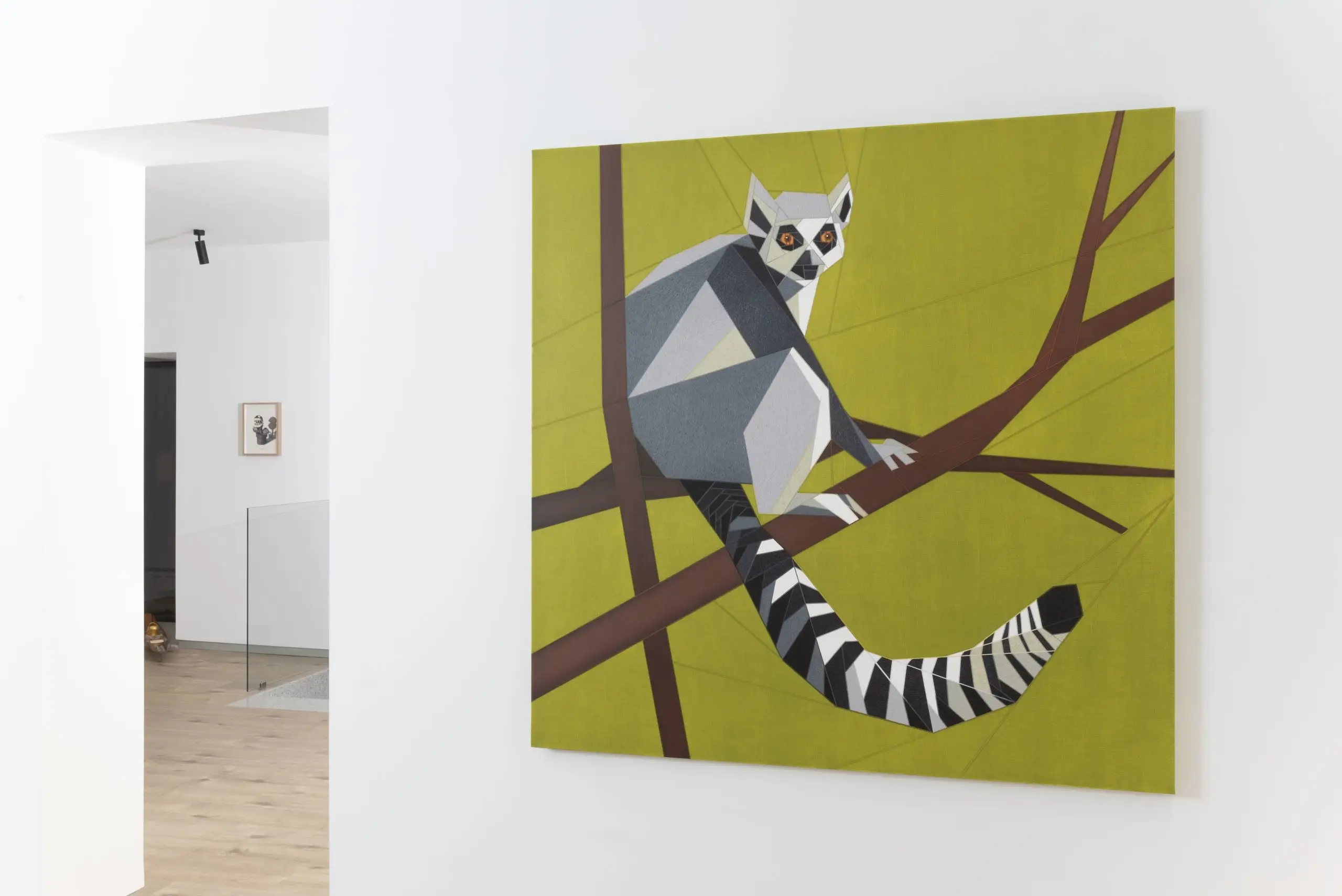
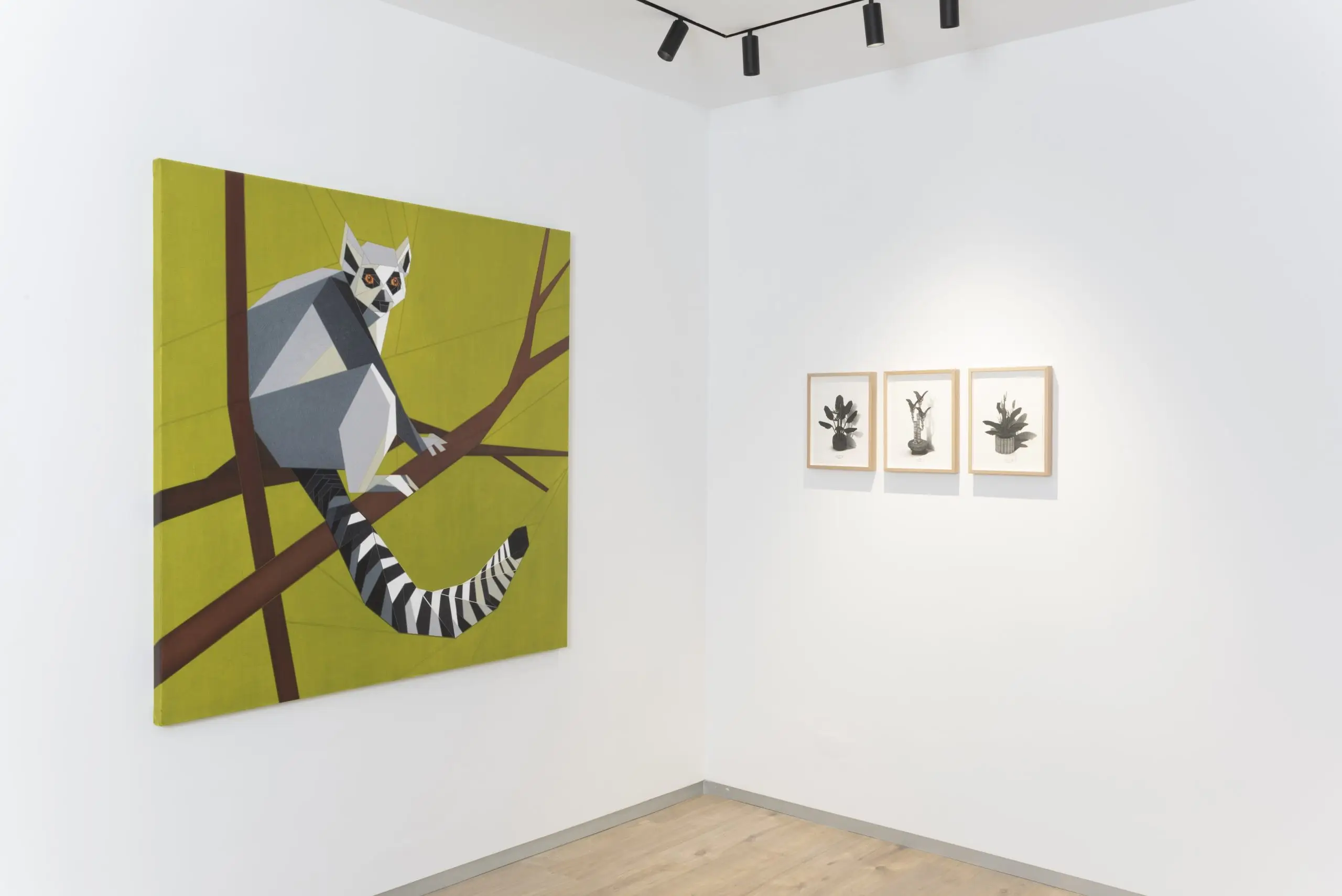
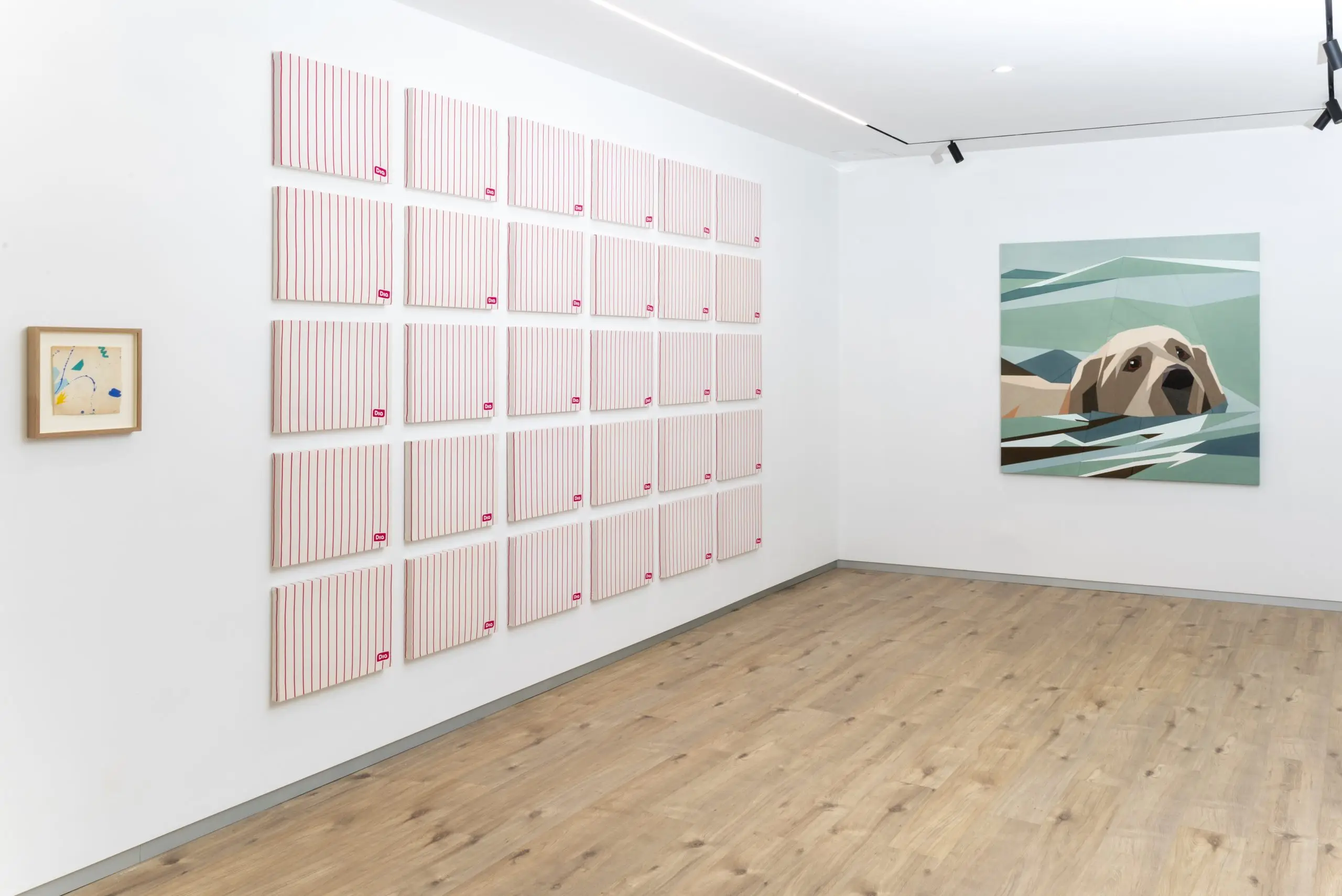
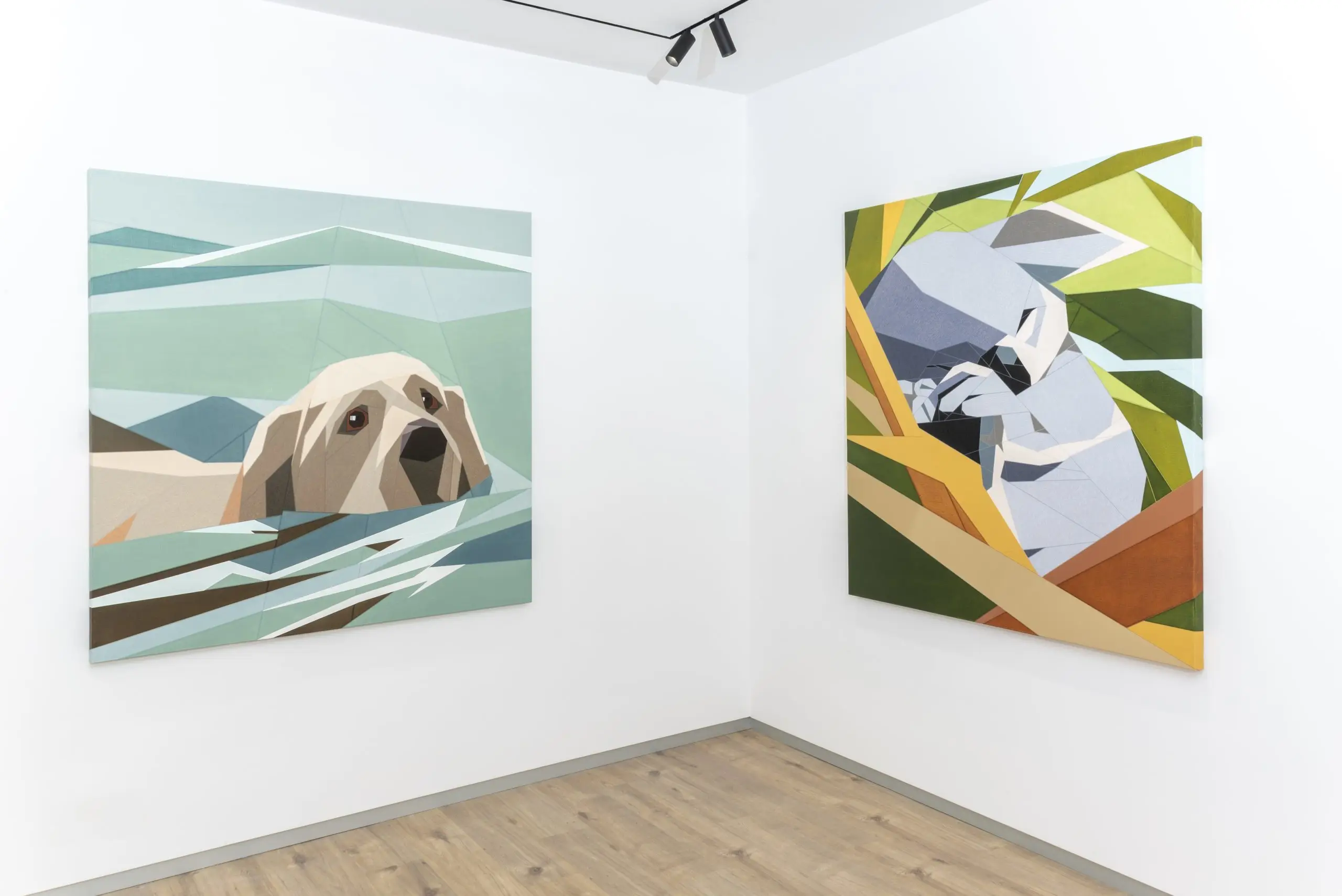
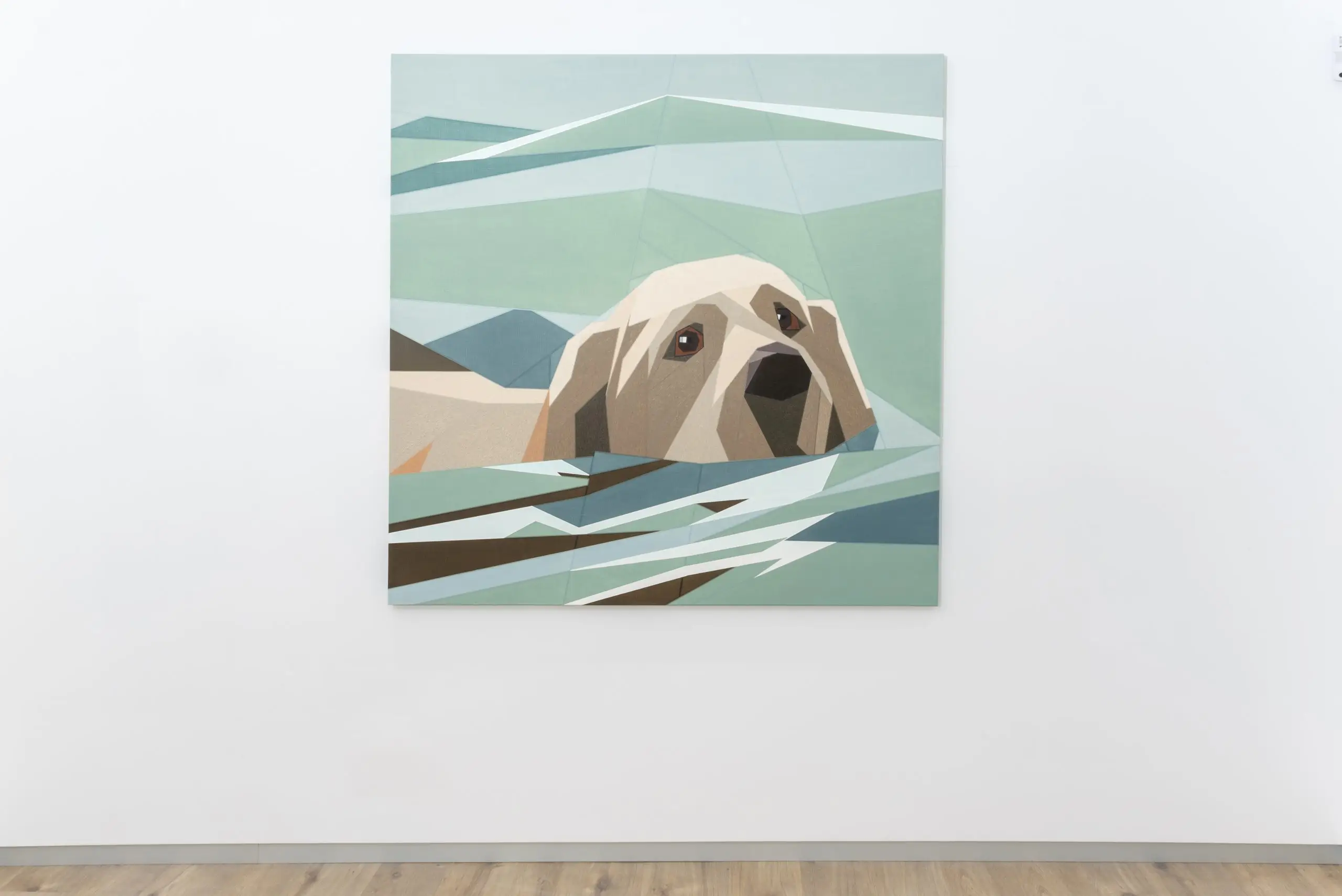
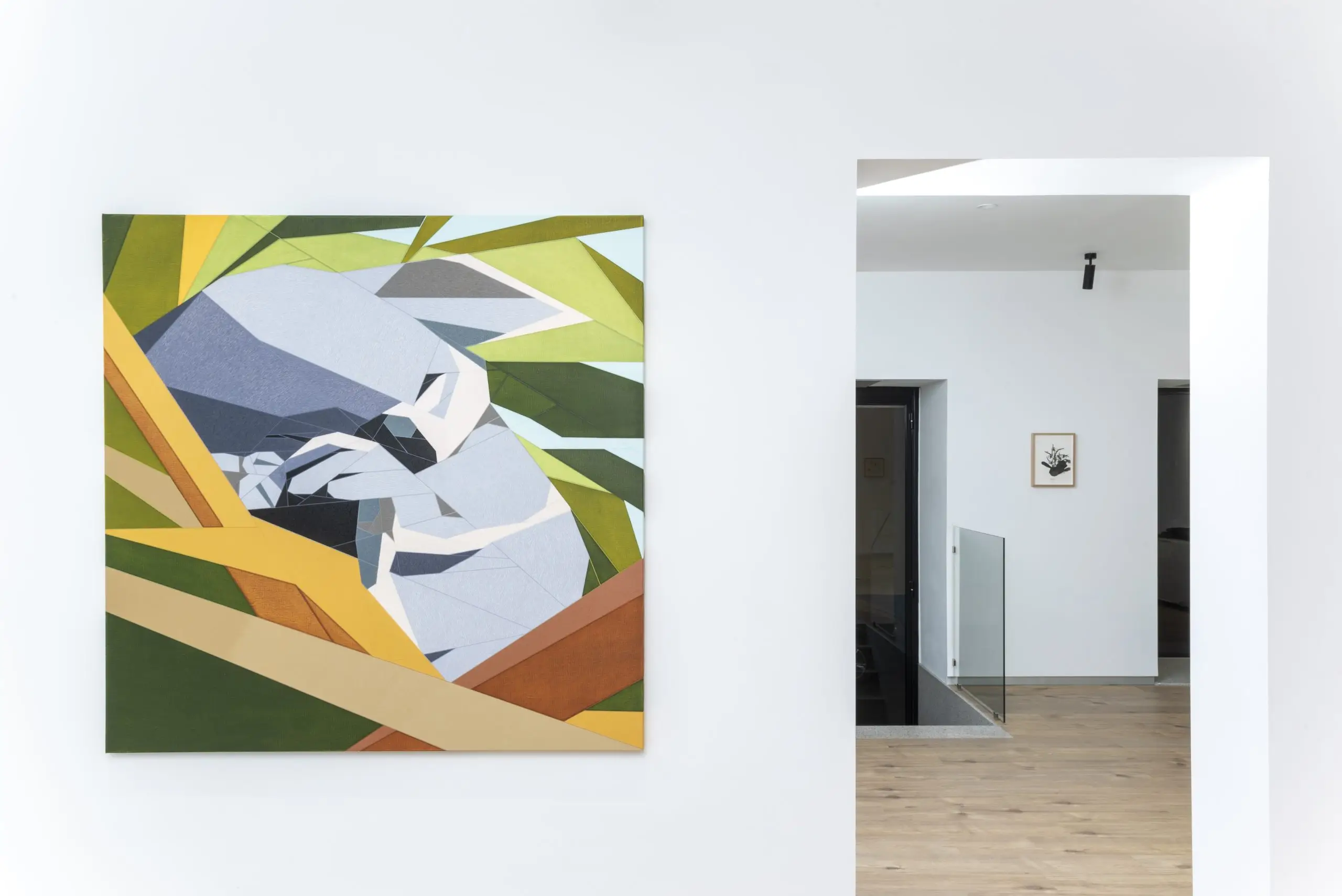
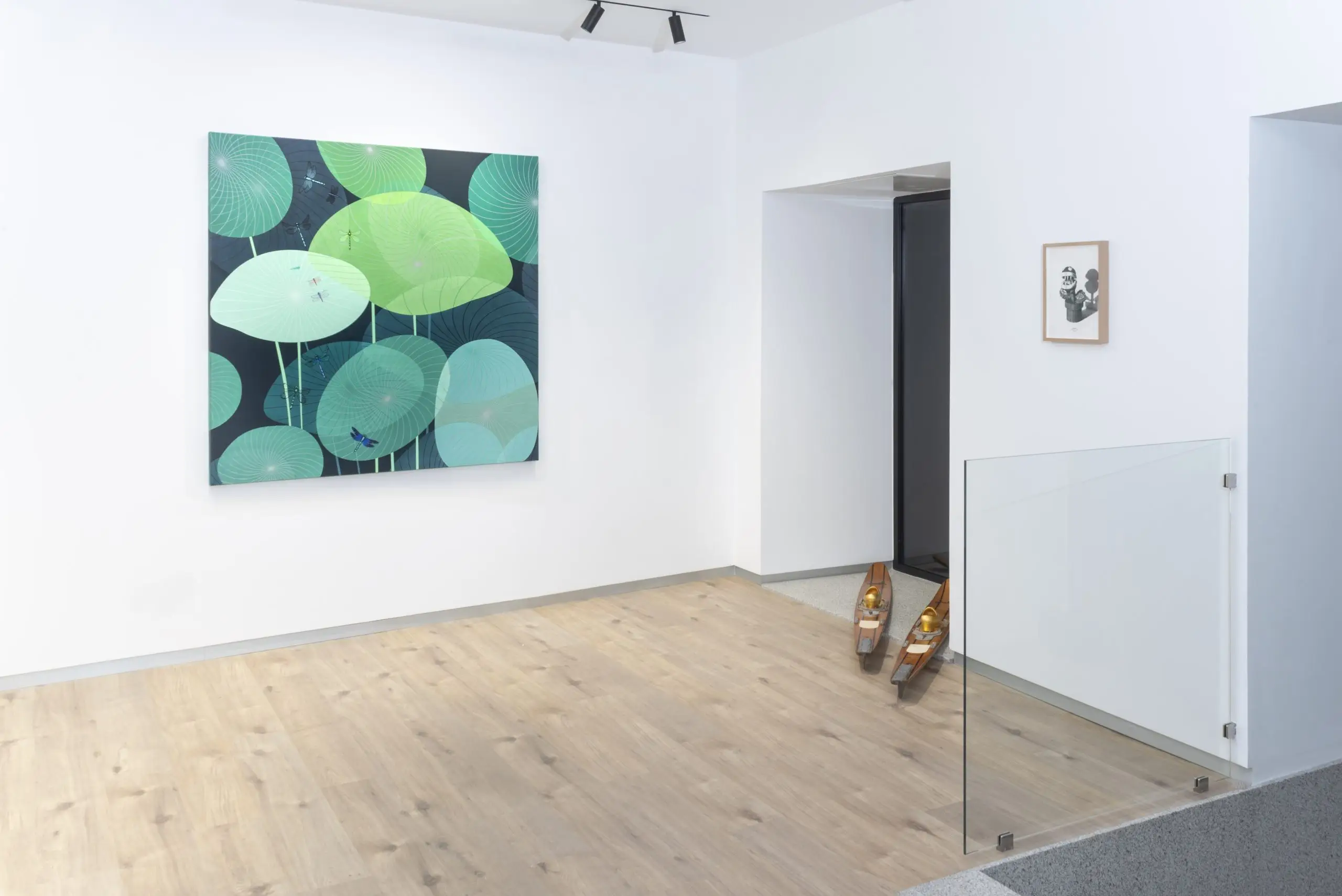
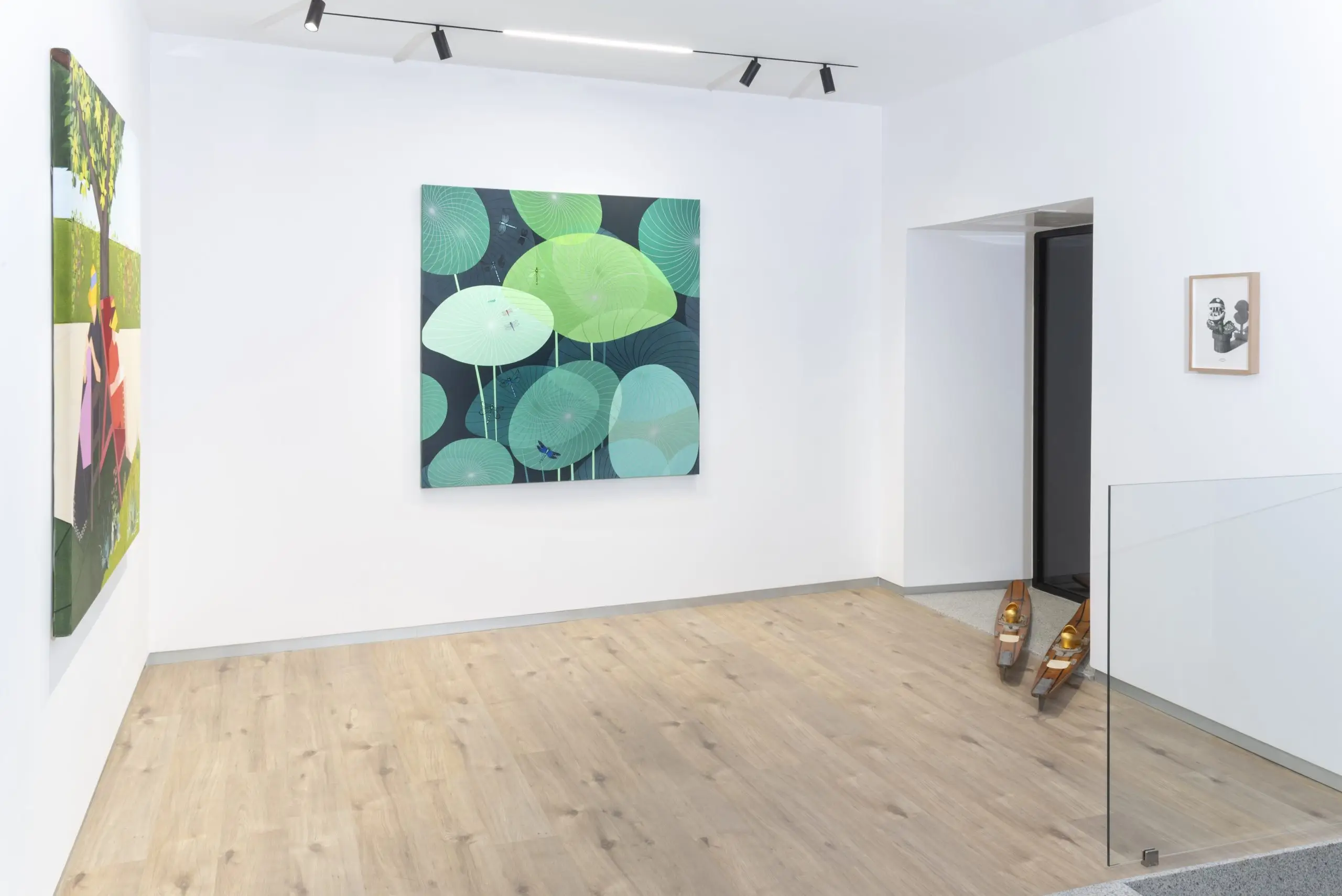
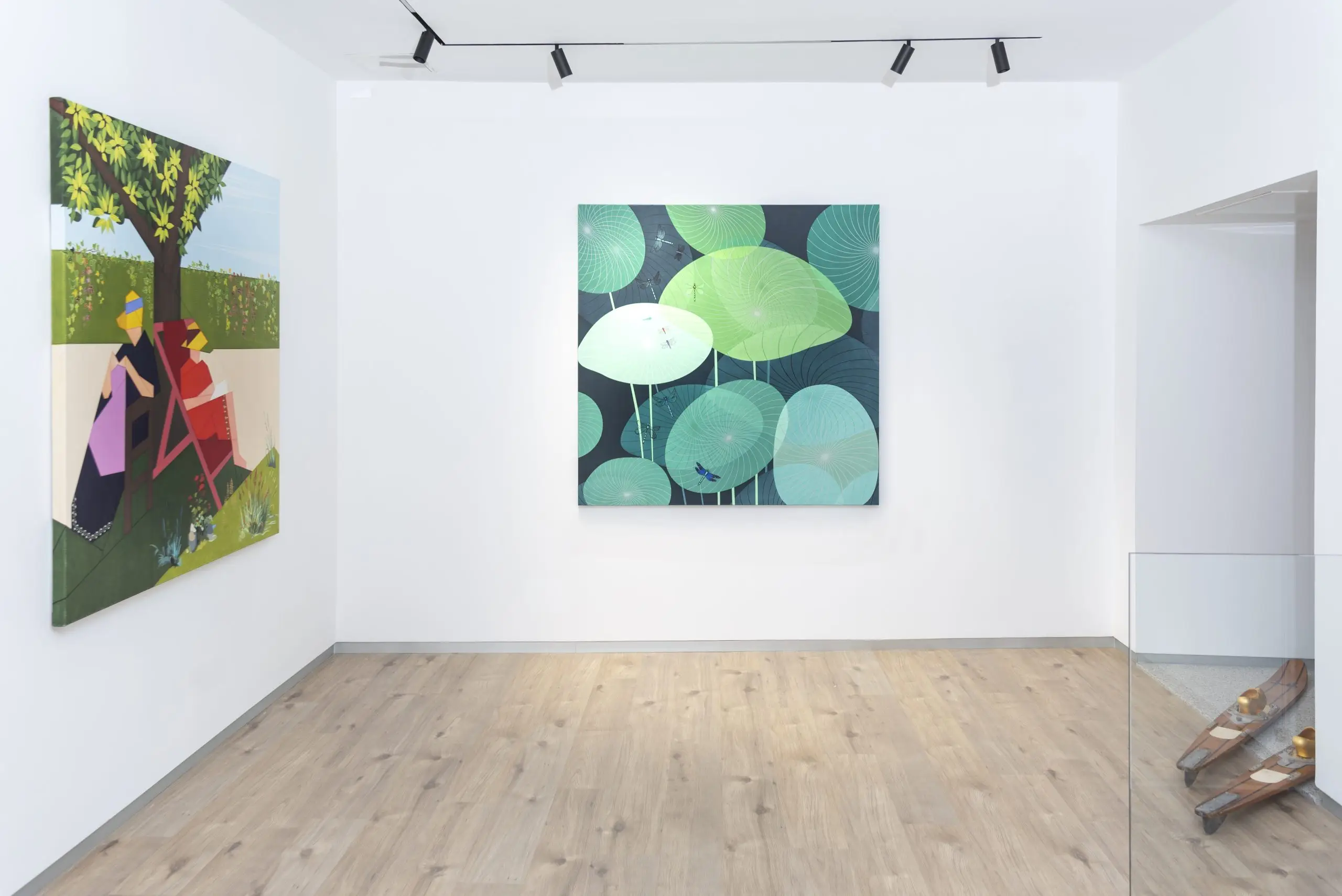
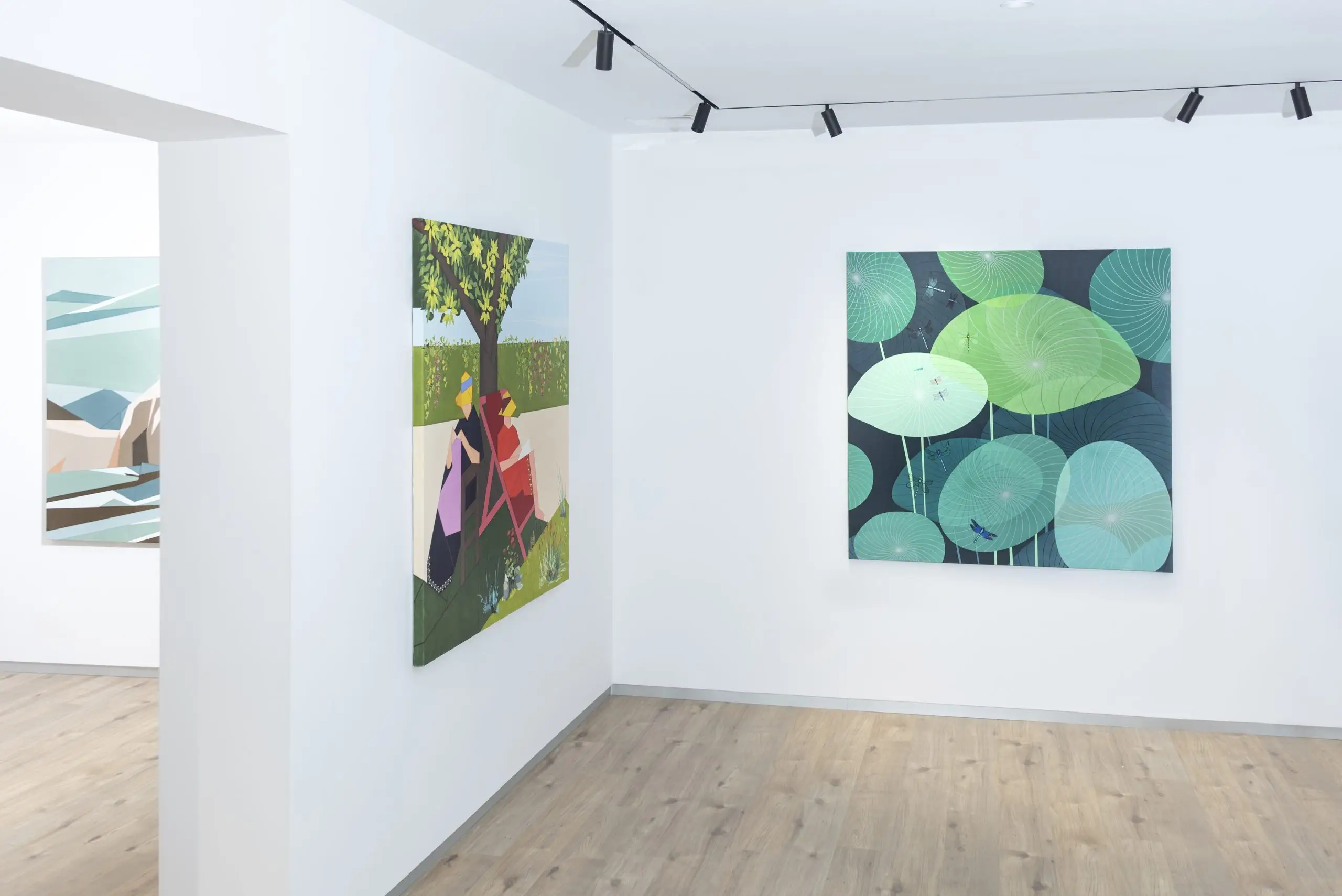
On this occasion, his attention was diverted to the quilting art. Her appropriation of a feminine cultural expression does not respond to an act of intrusiveness in the gender discourse. What interests him are his figurative stencils: images modified through the use of software, and converted -literally- into patterns of representation of a cubism naïf. Geometric drawings with colored legends serve as sketches and working tools for the quilter to enhance their creative capacity. Each quilting is unique, although its starting point is the same.
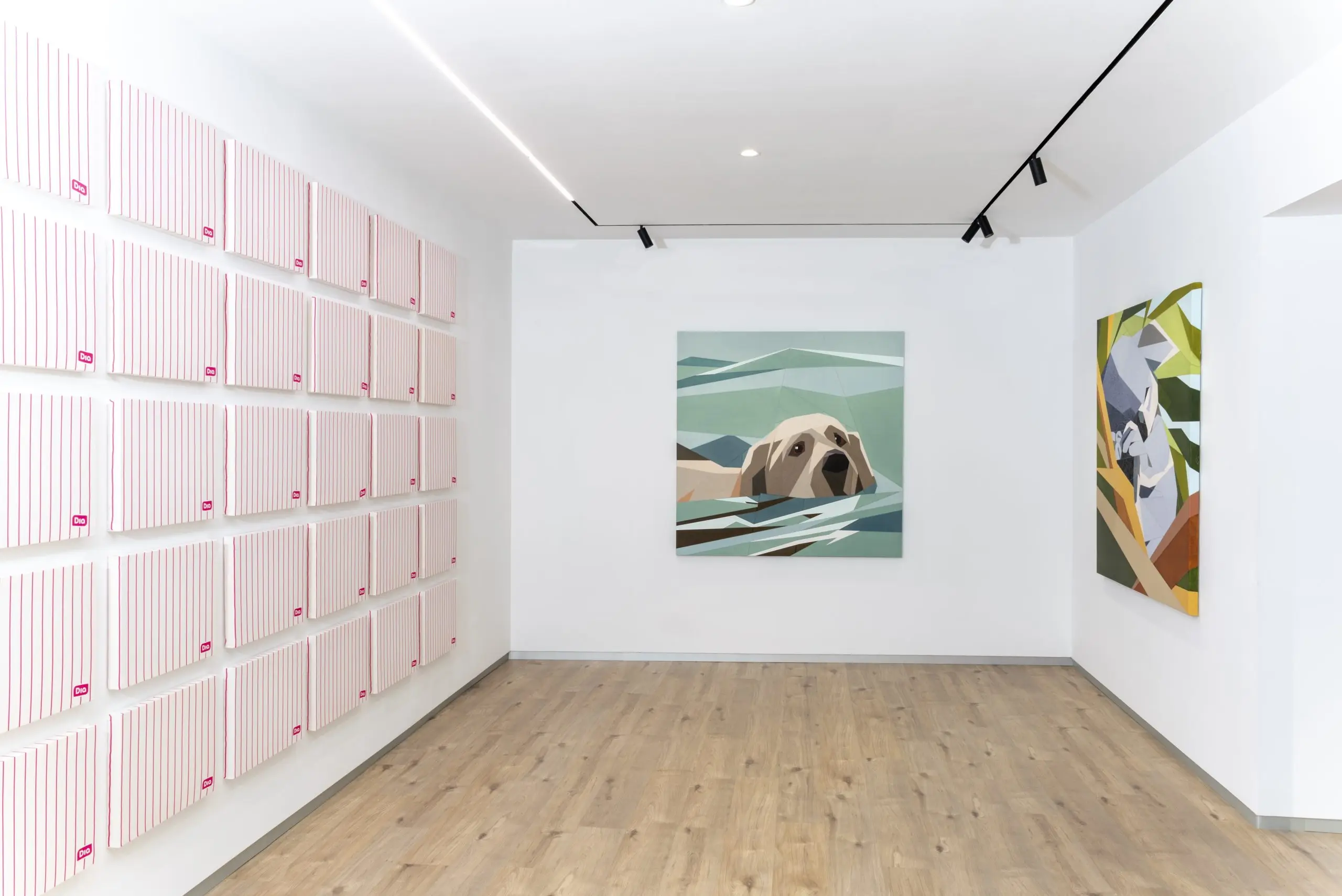
Ponjuán replicates the procedure. He chooses scenes with unreal girls, immersed in leisure or doing domestic activities. Compositions to which he adds naturalistic elements, in an eclectic pastiche that fractures the rigidity of the pattern. At other times, he takes advantage of the synthesis offered by a close-up of pets and wild animals. The individualization demanded by portraiture as a genre is diluted in an impersonal representation.
The disconcerting thing is that every pattern suffers from problems of drawing, proportion, perspective...; even those versions of paintings created in the late nineteenth and early twentieth centuries by Albert Guillaume, Henri Lebasque or Vilhelm Hammershoi. Painting the “error” becomes a choice of the absurd as a value. Behind it there is an emotional detachment, never indifference, preceded by another decision: these images are chosen and downloaded by his wife from the Internet. Collaboration where the author allows himself to act as a kind of amanuensis, who seeks and finds in amateur creativity as a viral expression of culture. remix a revision of its own aesthetic limits.
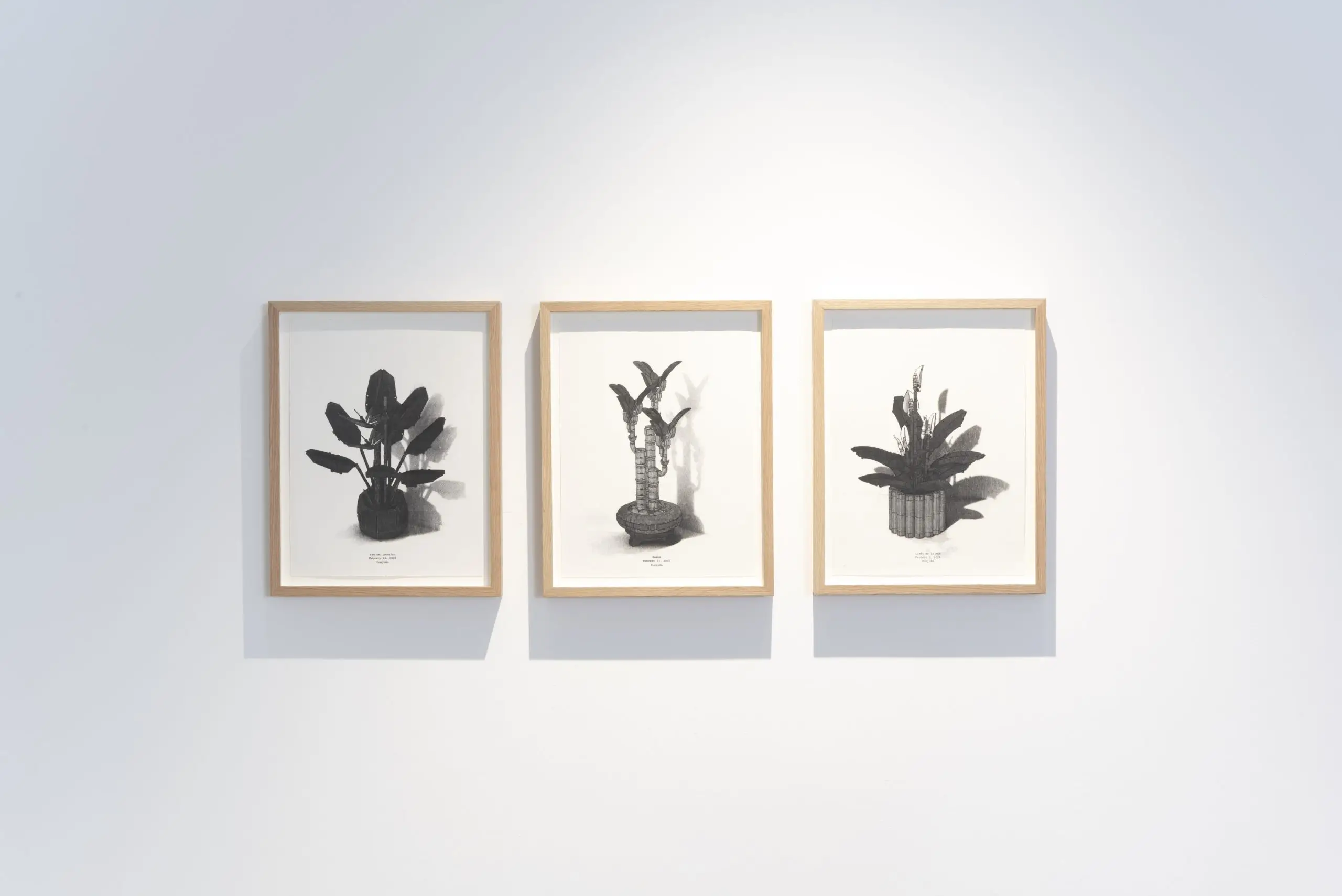
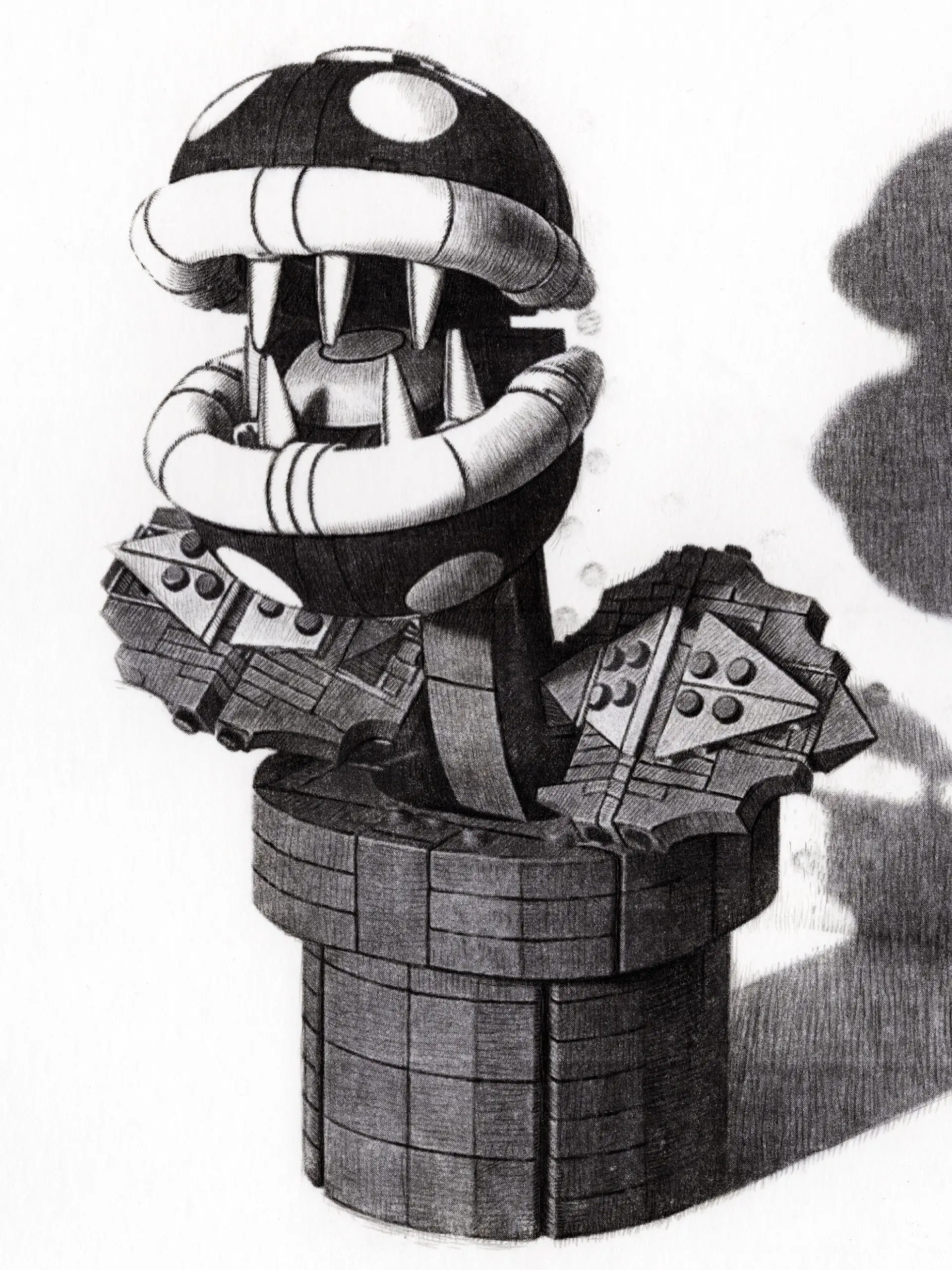
Under the slogan that artificial flowers and plants are made to last, the Botanical Legospeaks of an eternal freshness where the organic becomes a high quality ABS material. It is not bought, it is collected, and in this exchange of terms a simulacrum of nature is sold, which is (dis)assembled and exchanged at pleasure. The therapeutic amusement of each construction adds, apart from the instruction manual, the freedom to customize branches, flowers, buds and petals. Ponjuán apprehends this “realistic effect” that embodies the fragment, the industrial, the serial, the decorative, the playful and interactive, through a series of drawings. The gesture returns to the complex processes that govern contemporary representation, haunted by the faint boundary between stereotype and archetype.
In a more heterodox vein, a triad of works each one narrates a specific dimension of the disenchantment that surrounds art, where loss, crisis, failure, oblivion and uneasiness pulsate. But this existential discourse, in the form of readymade The most direct perception overlaps: the critique of the art institution and the artist's resistance to the market as a figure of inflection.
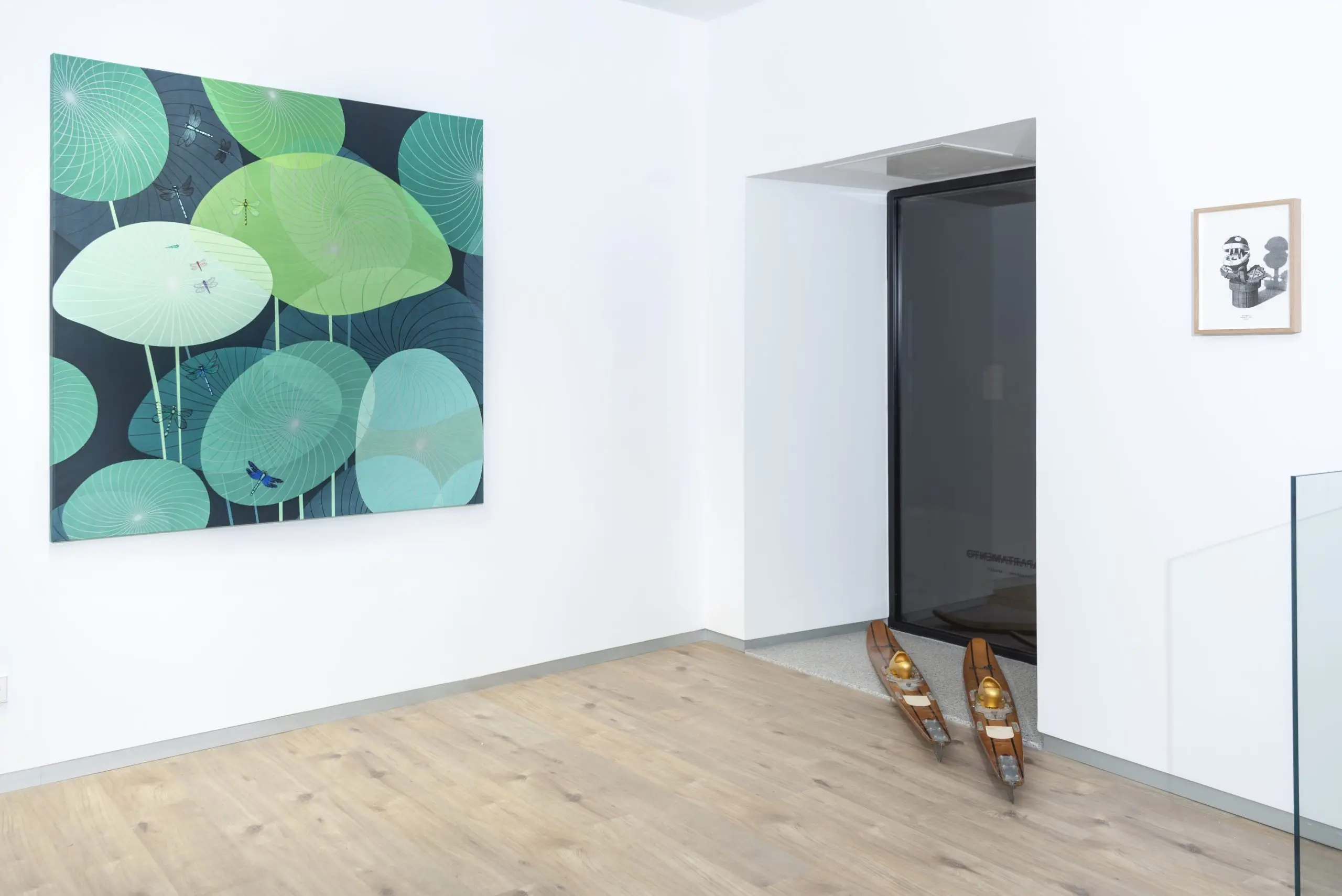
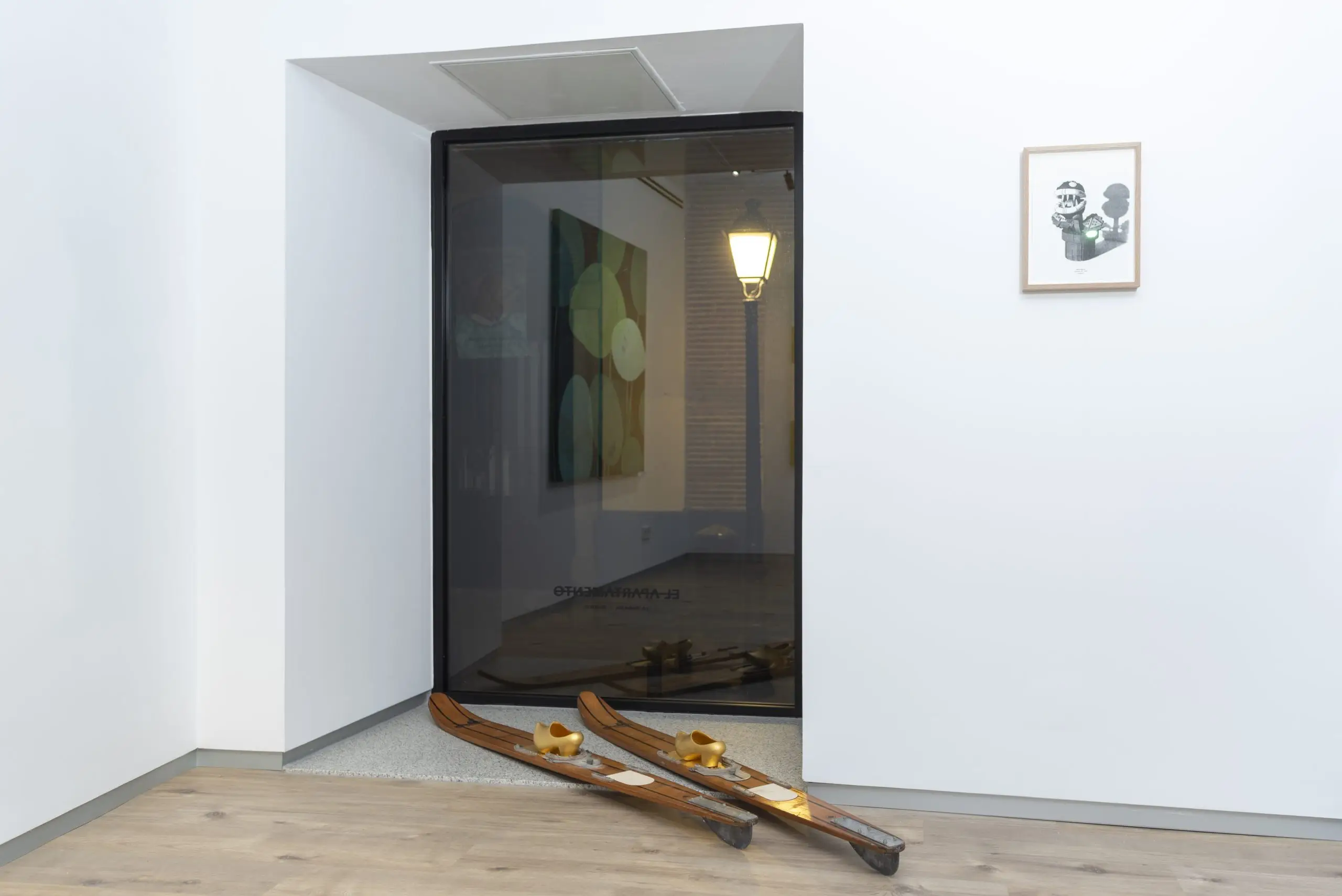
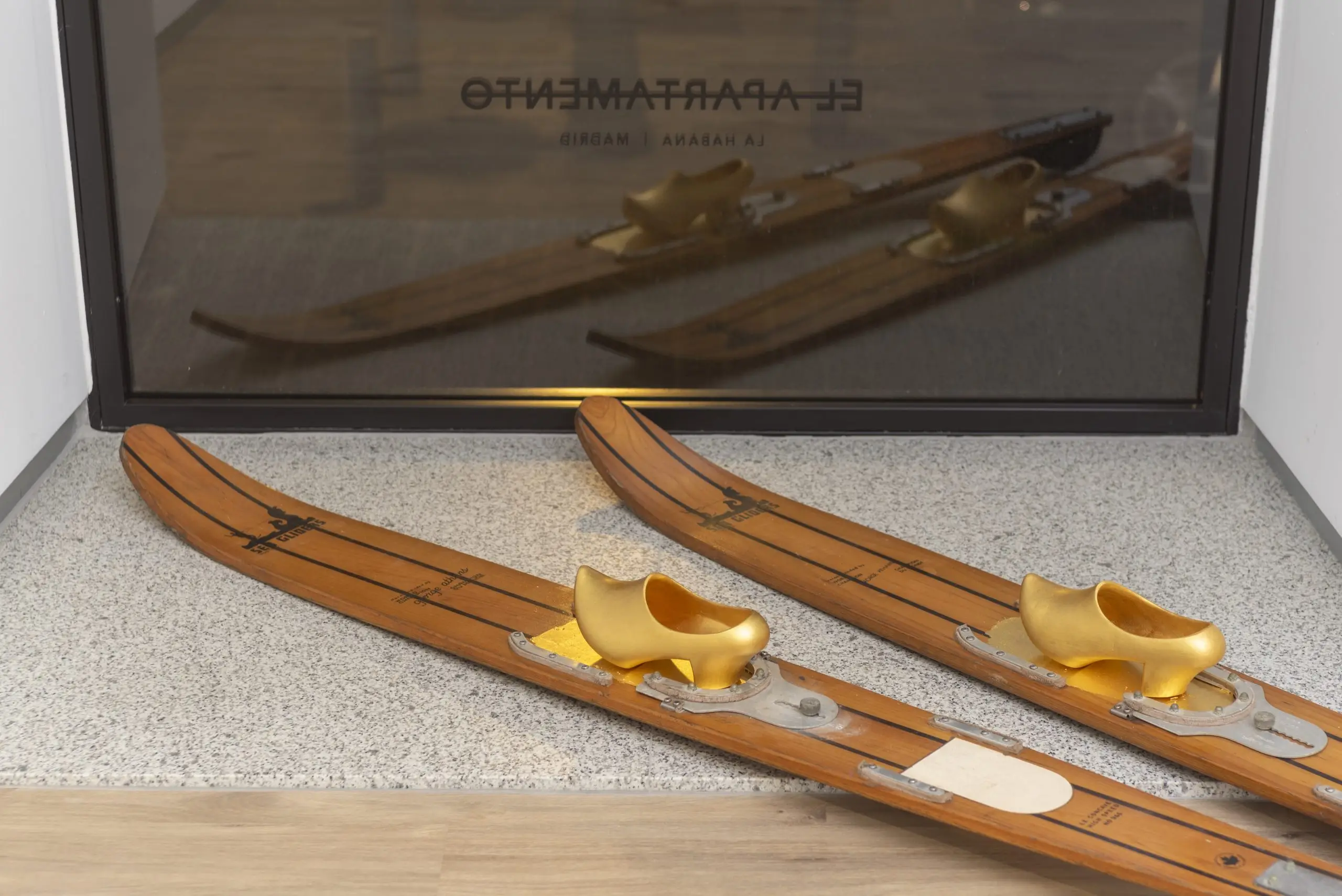
Cartas a Théo (2022) recovers the spiritual and artistic autobiography that gathers Vincent van Gogh's letters to his younger brother and patron. Testimony that converges in a sculptural exercise of upcyclingThe clogs are a pair of old water skis with wooden clogs covered in 24k gold leaf as a fastening mechanism. The clogs go back to van Gogh, and to his fondness for yellow and shoes - he created 26 between paintings and drawings - which some relate, rather than to peasant or working-class life, to his wandering in search of belonging and subsistence. For completeness, the reference to a competitive sport of adventure, sliding, and speed, requiring balance, strength, reflexes, and endurance, amounts to a manifesto of what an artist needs to survive his obsession. His background is the man whose creation is one of the most expensive and priceless in the world, but who lived and committed suicide in poverty, being one of the most terrible examples of posthumous success.
This subtle interchange between the public and the private reappears in A fax to Flavio Garciandía (2026), who is a friend and mentor. Ponjuán combines a copy of the textile design Garciandía made for Telarte (1985), a public initiative that connected art and industry in 1980s Cuba, and 30 frames lined with bags from Dia supermarkets. Although the piece mimics Daniel Buren's conceptualism, it also points to one that Flavio made in collaboration with 158 Cuban artists during two weeks at the IX Havana Biennial (2006): Rise or Decline of Cuban Art. The minimal insolence of his staging lies in the conversion of the bags, emblem of daily subsistence, into an artistic object. Their serial, reusable, ecological, politically correct character, discusses, through a game of substitutions, the position of the artist, trapped in an economy of art as merchandise. As Nietzsche suggested: «If you stare into the abyss, the abyss will stare back at you”.
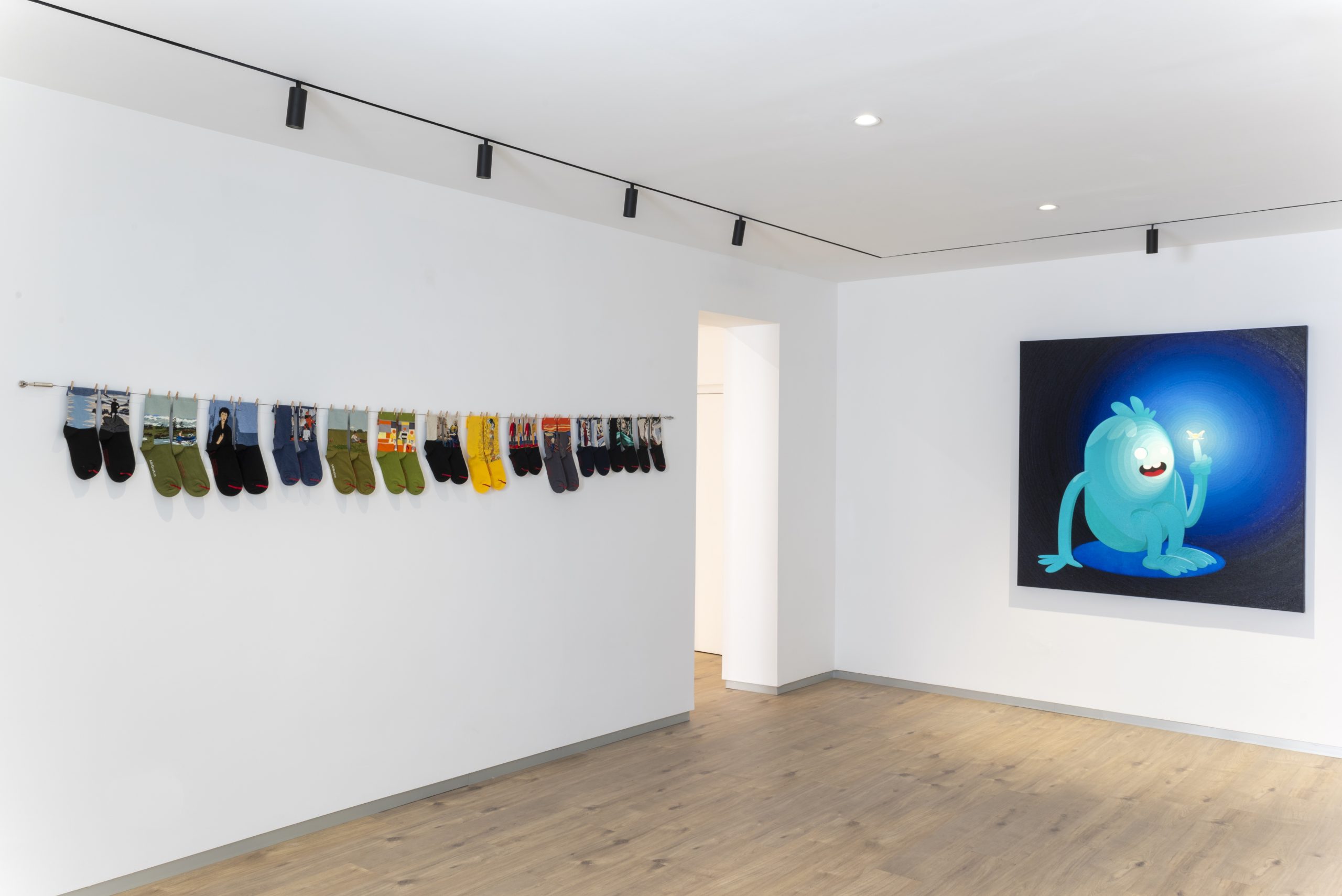
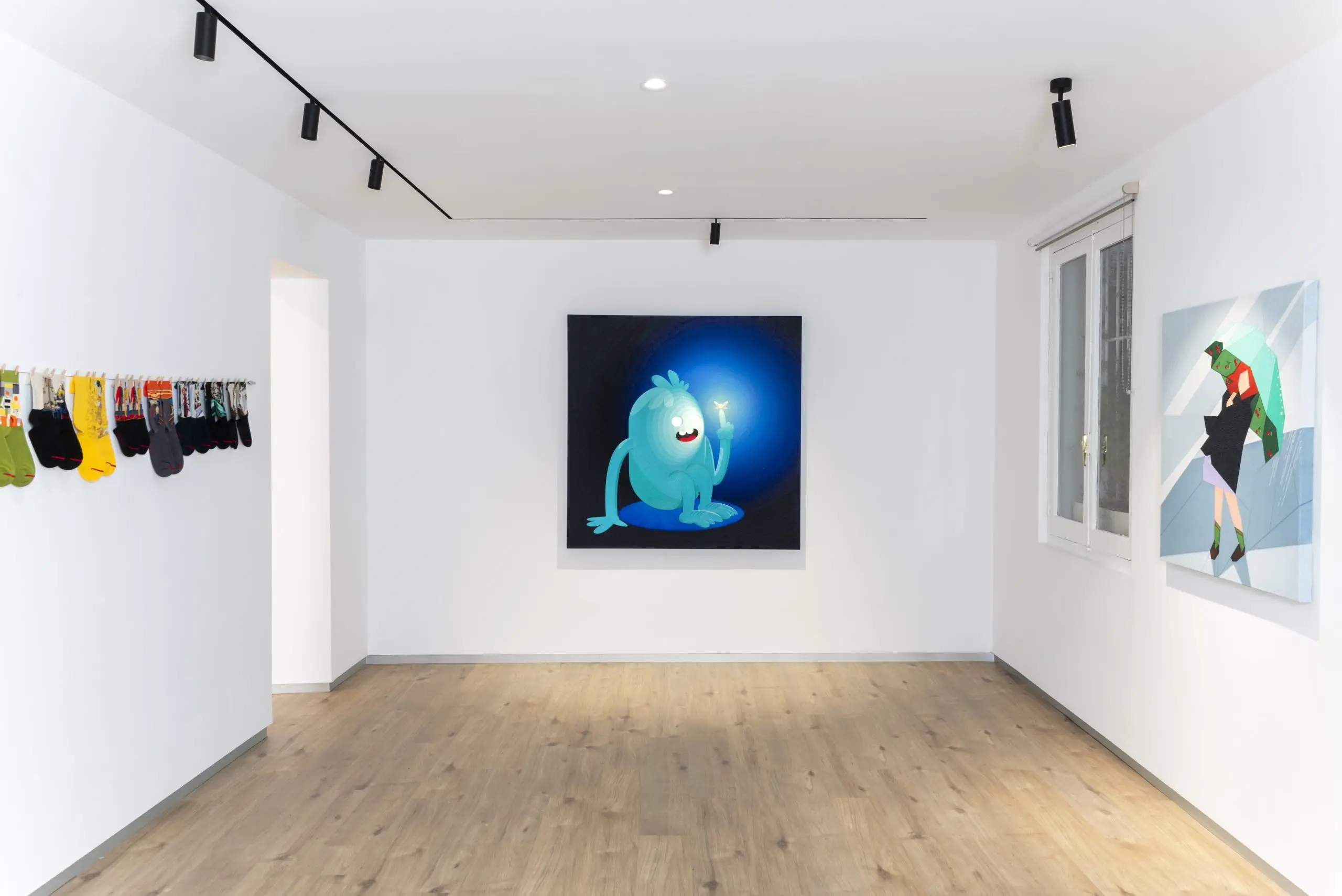
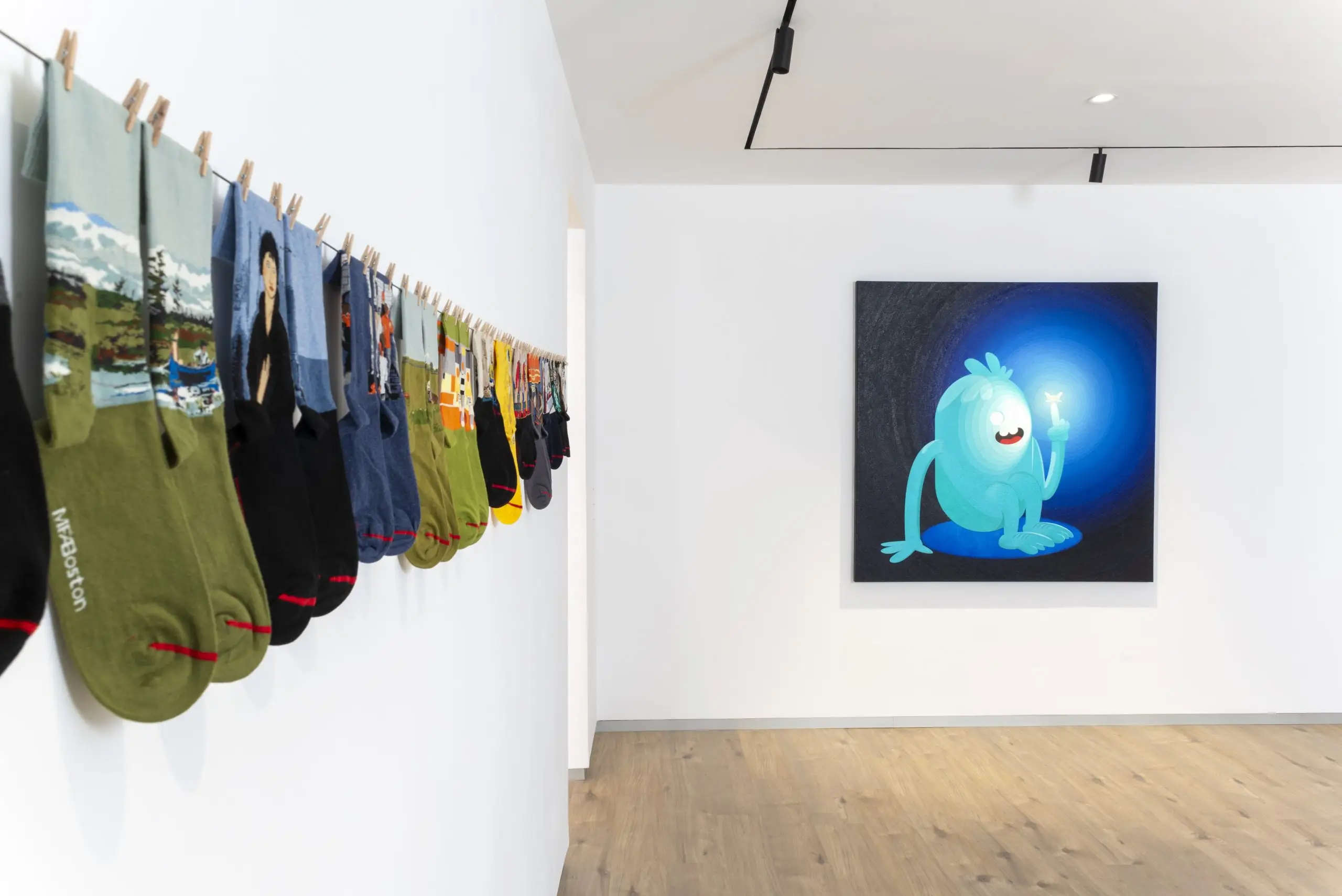
Another aspect of the same phenomenon describes White cliffs (2026): 15 pairs of socks with adaptations of classic and modern paintings hang on a clothesline. Their object of attention is the merchandising The art, a procedure that transforms art and design into a collectible narrative, under the simulacrum of a cultural democratization. Simulacrum because, as a pillar of the marketing and advertising, reproduces the interests of the cultural industries. Unlike Constructivism, which rejected decorative art and opted for a functional and utilitarian beauty at the service of society, or the Bauhaus, with its motto “form follows function”, the merchandising translates into an impoverishment of imagination and creativity in its reproduction of the original. The result is an adaptation of its forms to the standard of a mass culture, focused on the consumer rather than the citizen. The title of this installation is not fortuitous, it belongs to a painting by the romantic painter Caspar David Friedrich, where a woman and two men with their backs turned, look, indistinctly, at the sea and the abyss. Once again the subtle reference to the abyss that dazzles and kills.
For Eduardo Ponjuán the question remains the same one that Sartre put in Tintoretto's mouth: “The painter is in the night. And how to paint in the night?” _Sandra Sosa (Madrid, Feb. 8, 2026)
works
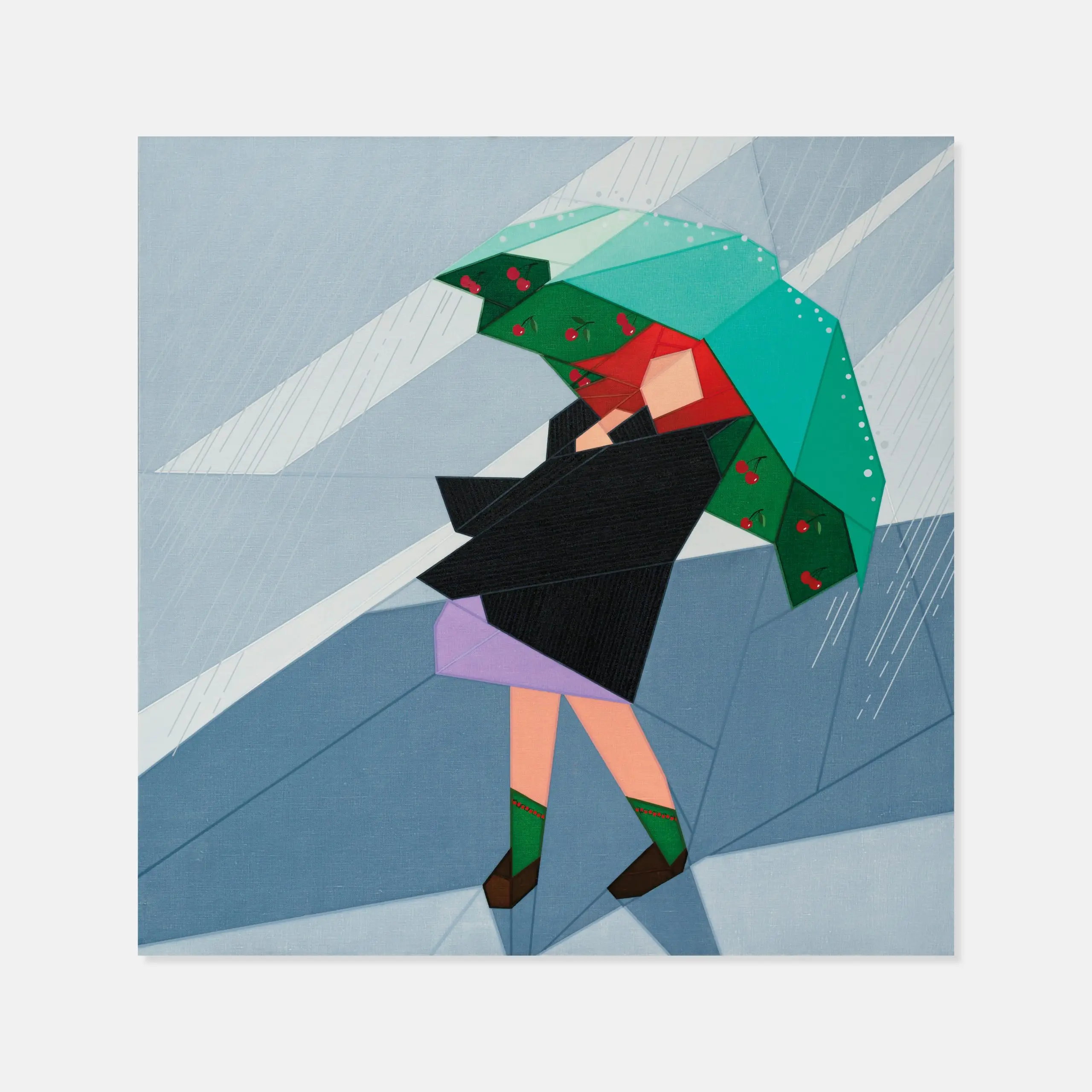
Eduardo Ponjuán
Autumn, 2025
Oil on Velazquez linen
100 x 100 cm (39.4 x 39.4 in)
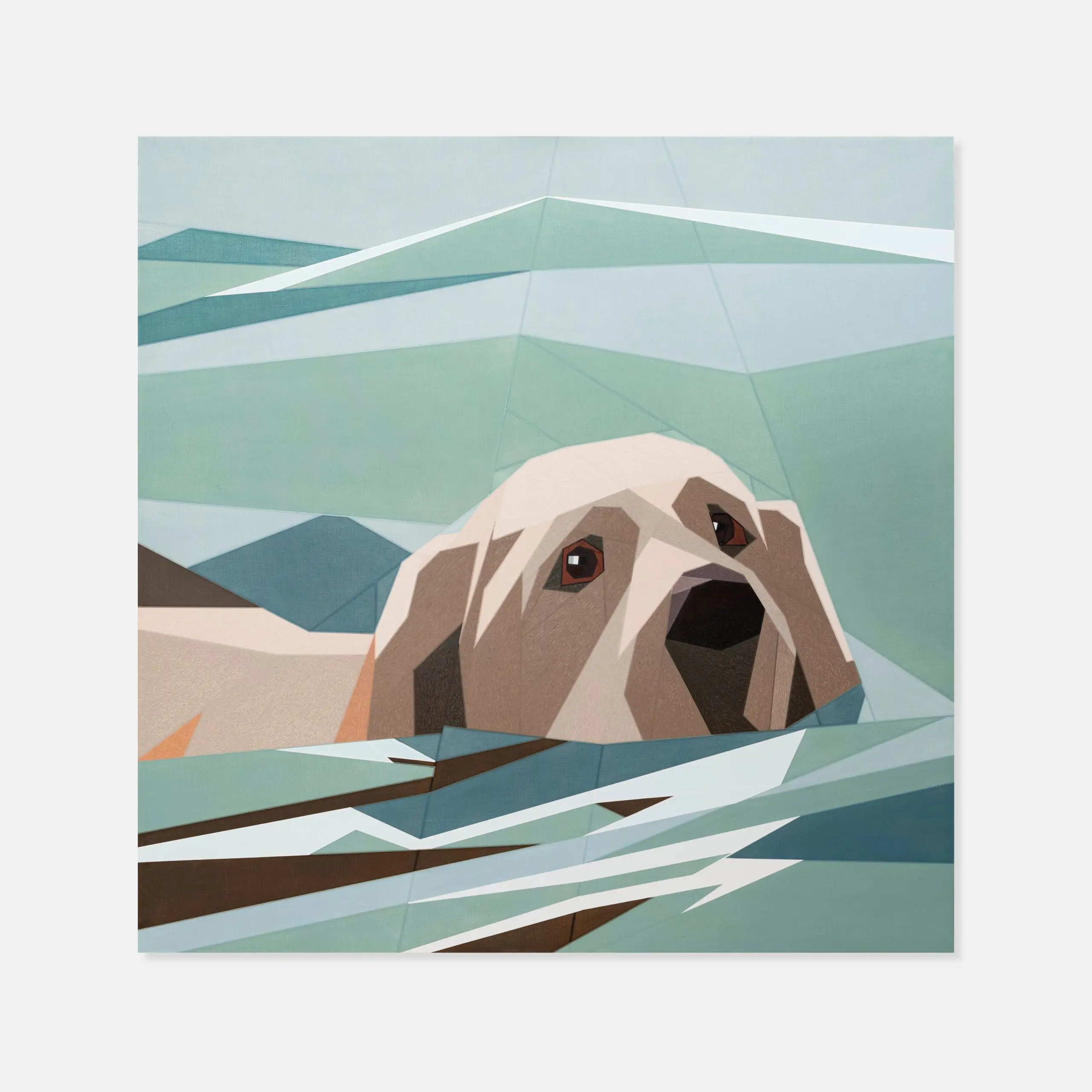
Eduardo Ponjuán
Water dog, 2025
Oil on Velazquez linen
150 x 150 cm (59 x 59 in)
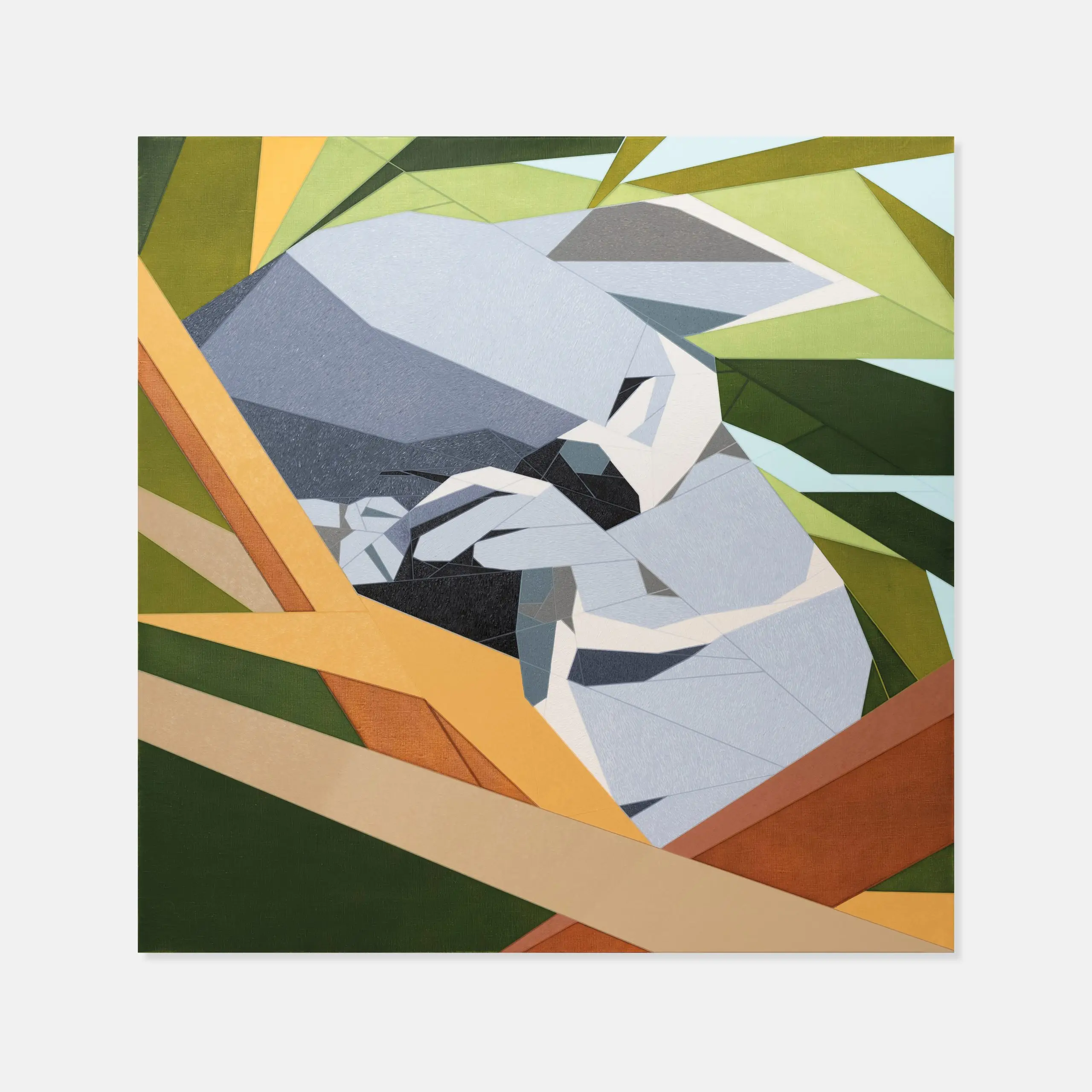
Eduardo Ponjuán
Siesta (Koala), 2025
Oil on Velazquez linen
150 x 150 cm (59 x 59 in)
Eduardo Ponjuán
Autumn, 2025
Oil on Velazquez linen
100 x 100 cm (39.4 x 39.4 in)
Eduardo Ponjuán
Water dog, 2025
Oil on Velazquez linen
150 x 150 cm (59 x 59 in)
Eduardo Ponjuán
Siesta (Koala), 2025
Oil on Velazquez linen
150 x 150 cm (59 x 59 in)
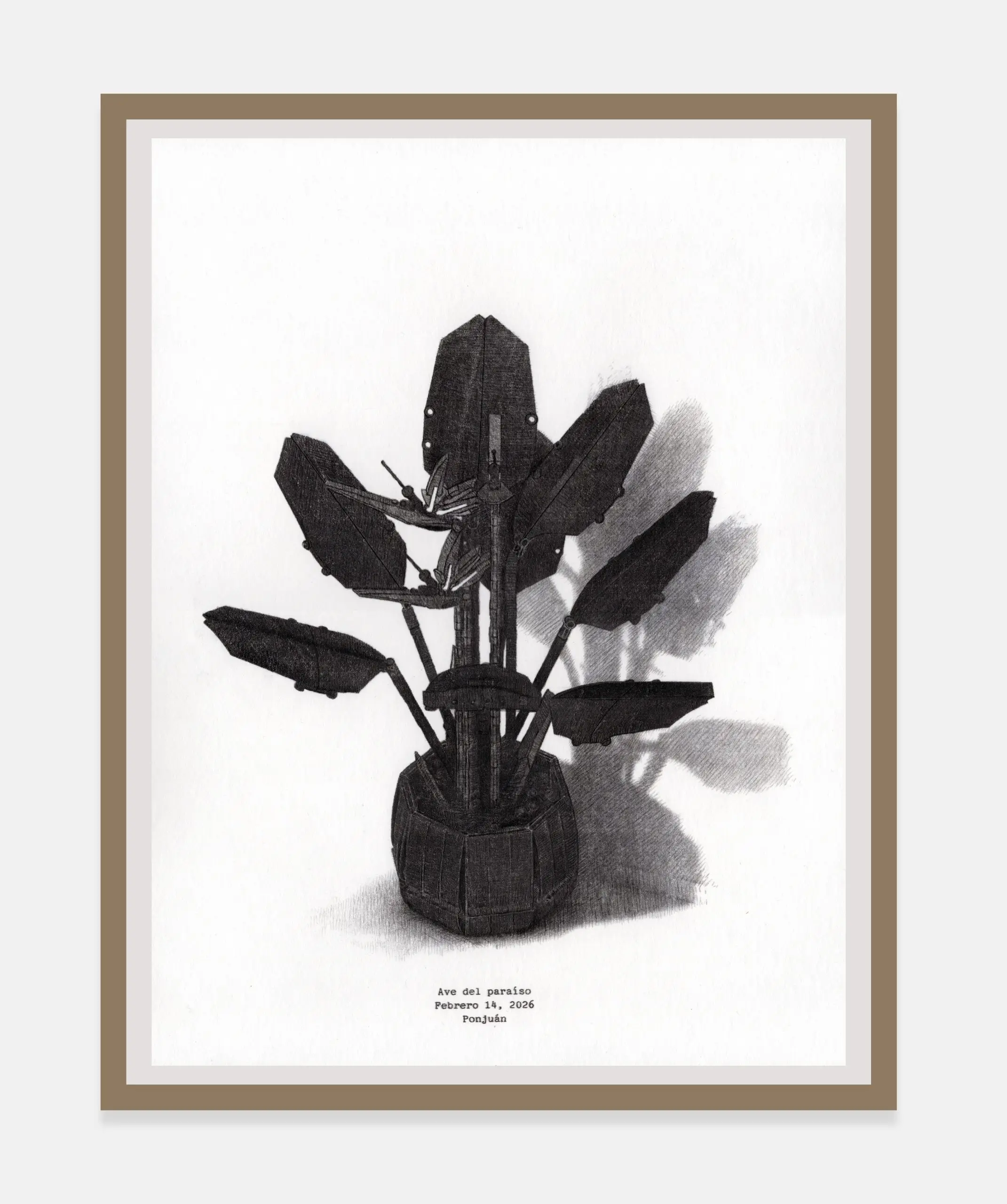
Eduardo Ponjuán
Bird of paradise, from series Botanical Lego, 2026
Black Star pencil and transfer on Hahnemüller paper 450 g/m 2
34 x 24 cm (12.5 x 9.4 in)
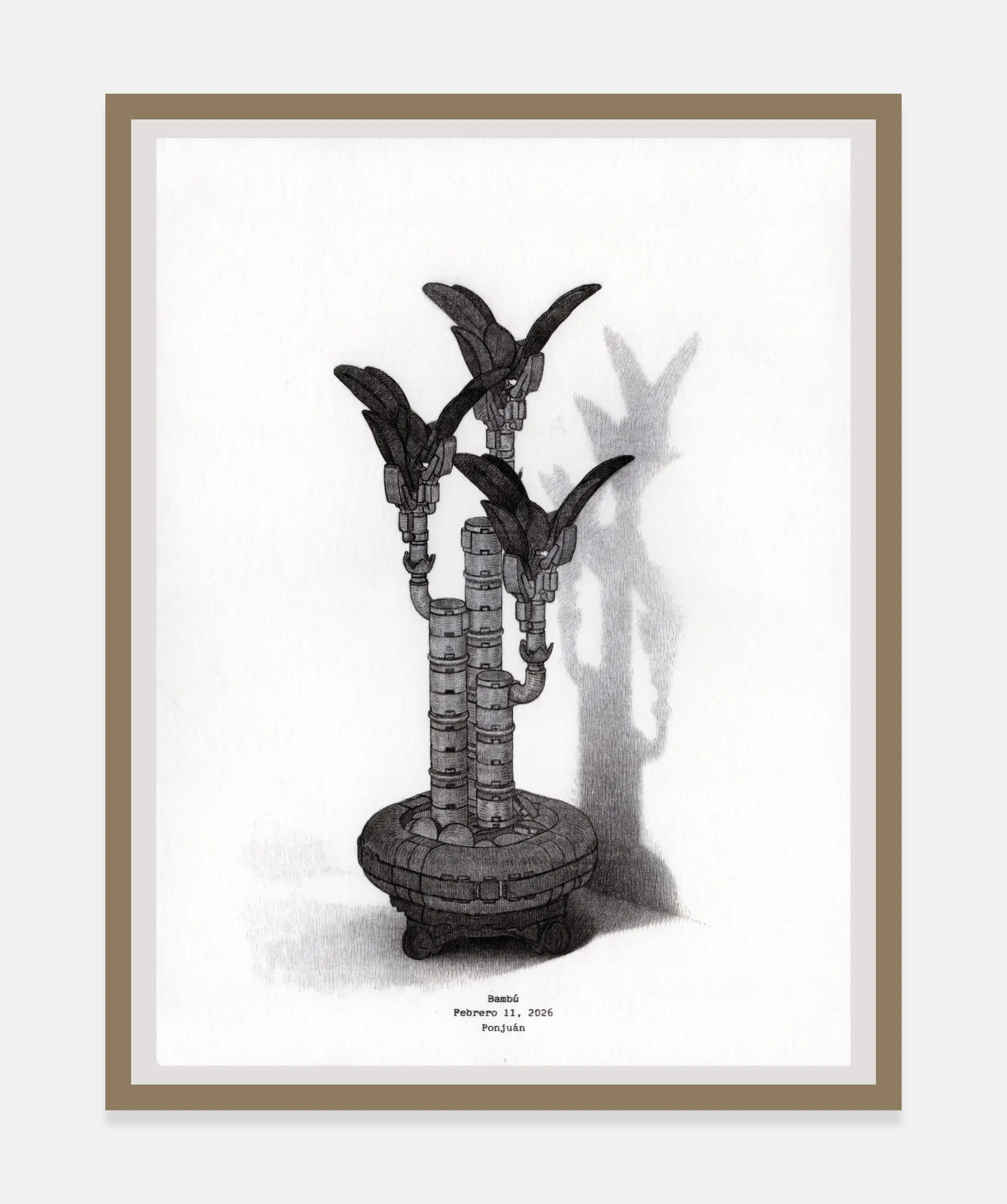
Eduardo Ponjuán
Bamboo, from series Botanical Lego, 2026
Black Star pencil and transfer on Hahnemüller paper 450 g/m 2
34 x 24 cm (12.5 x 9.4 in)
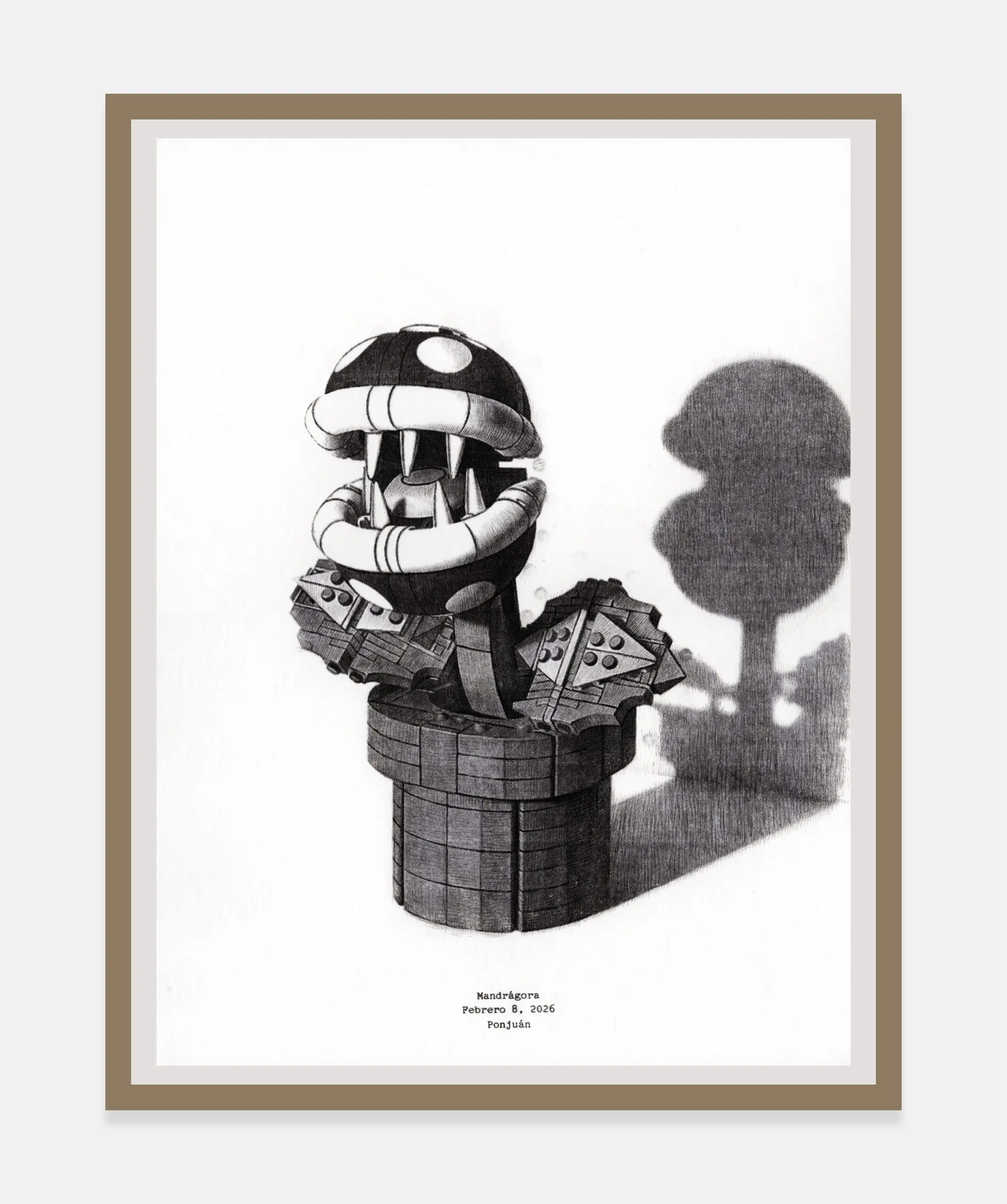
Eduardo Ponjuán
Mandrake, from series Botanical Lego, 2026
Black Star pencil and transfer on Hahnemüller paper 450 g/m 2
34 x 24 cm (12.5 x 9.4 in)
Eduardo Ponjuán
Bird of paradise, from series Botanical Lego, 2026
Black Star pencil and transfer on Hahnemüller paper 450 g/m 2
34 x 24 cm (12.5 x 9.4 in)
Eduardo Ponjuán
Bamboo, from series Botanical Lego, 2026
Black Star pencil and transfer on Hahnemüller paper 450 g/m 2
34 x 24 cm (12.5 x 9.4 in)
Eduardo Ponjuán
Mandrake, from series Botanical Lego, 2026
Black Star pencil and transfer on Hahnemüller paper 450 g/m 2
34 x 24 cm (12.5 x 9.4 in)
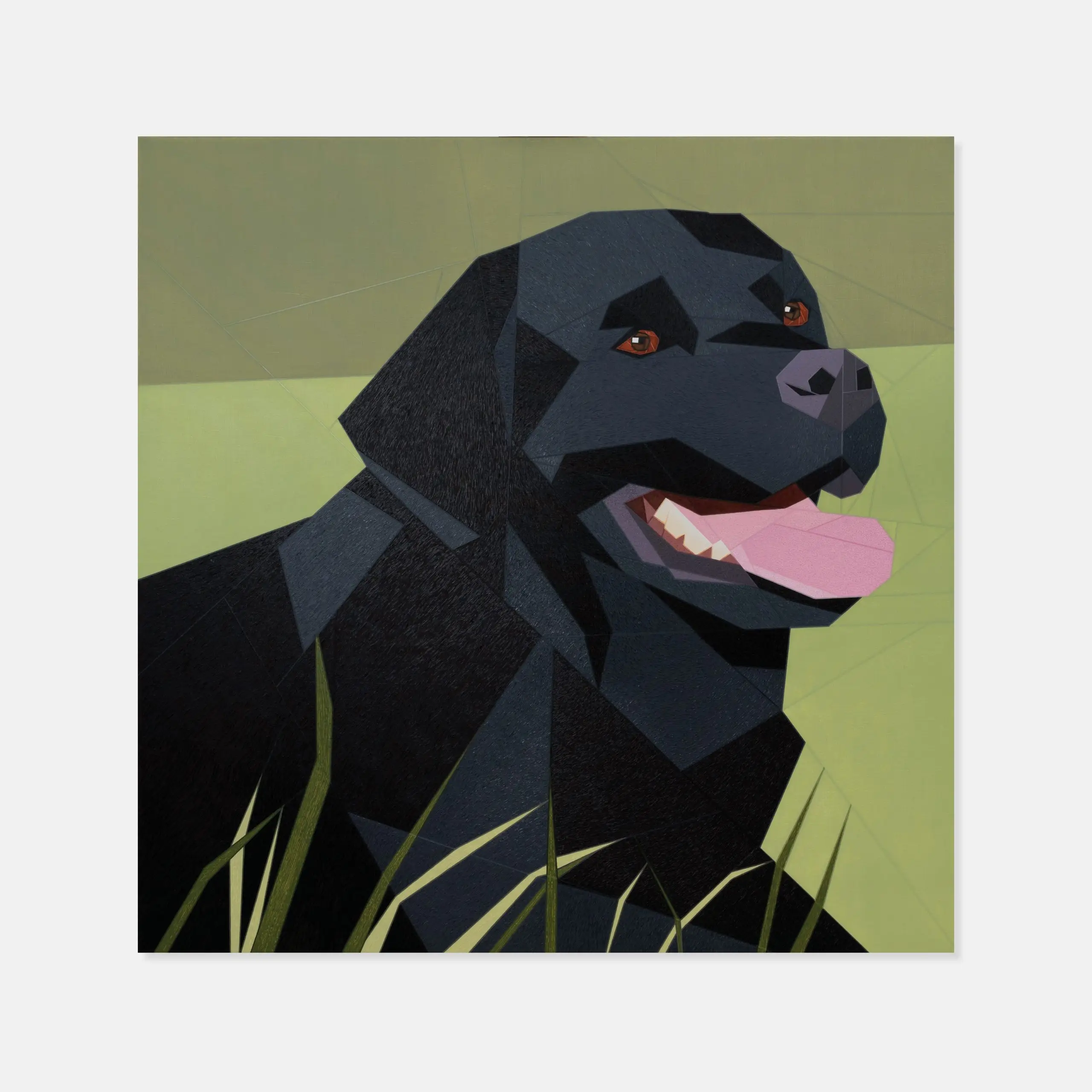
Eduardo Ponjuán
Sphinx, 2025
Oil on Velazquez linen
150 x 150 cm (59 x 59 in)
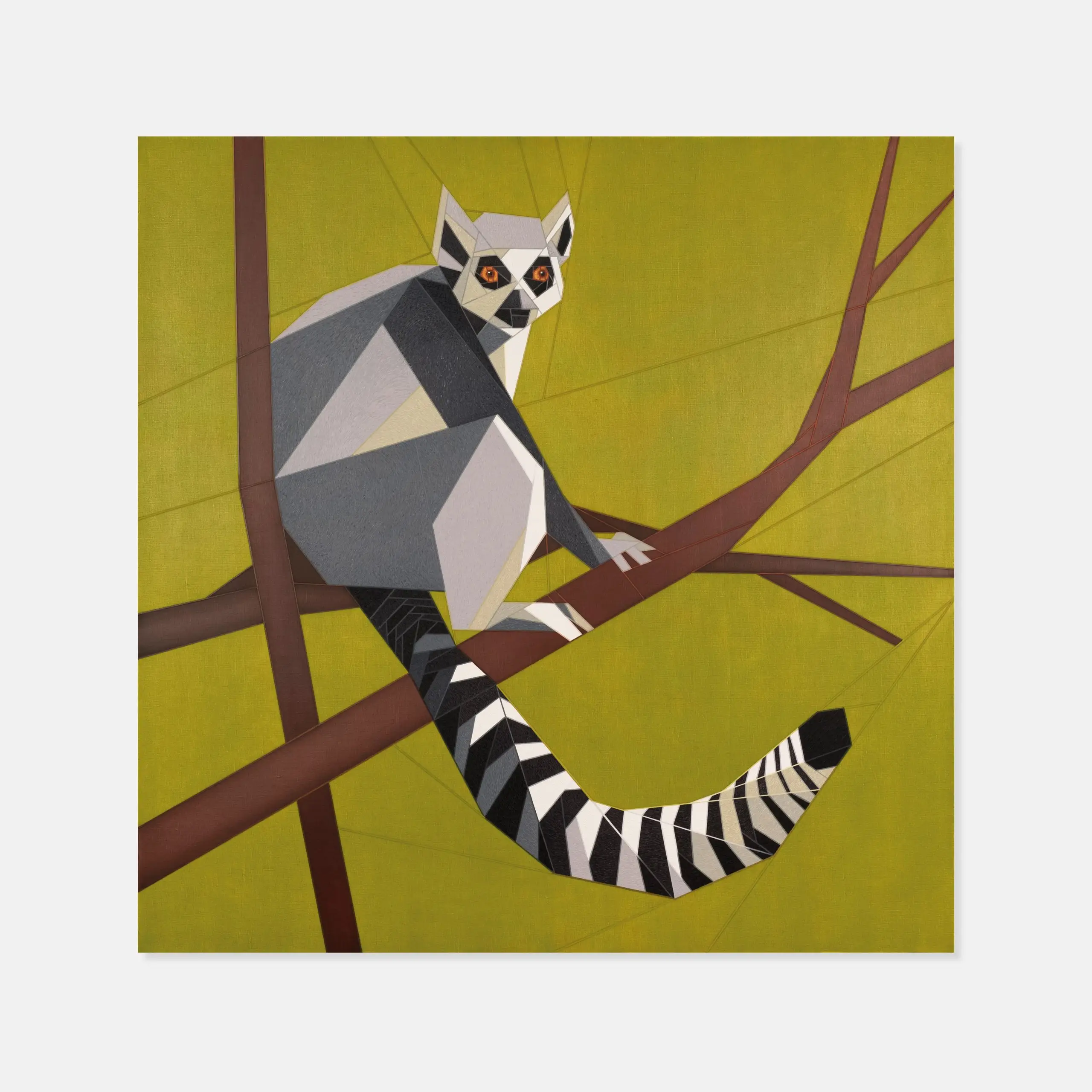
Eduardo Ponjuán
Lemur, 2025
Oil on Velazquez linen
150 x 150 cm (59 x 59 in)
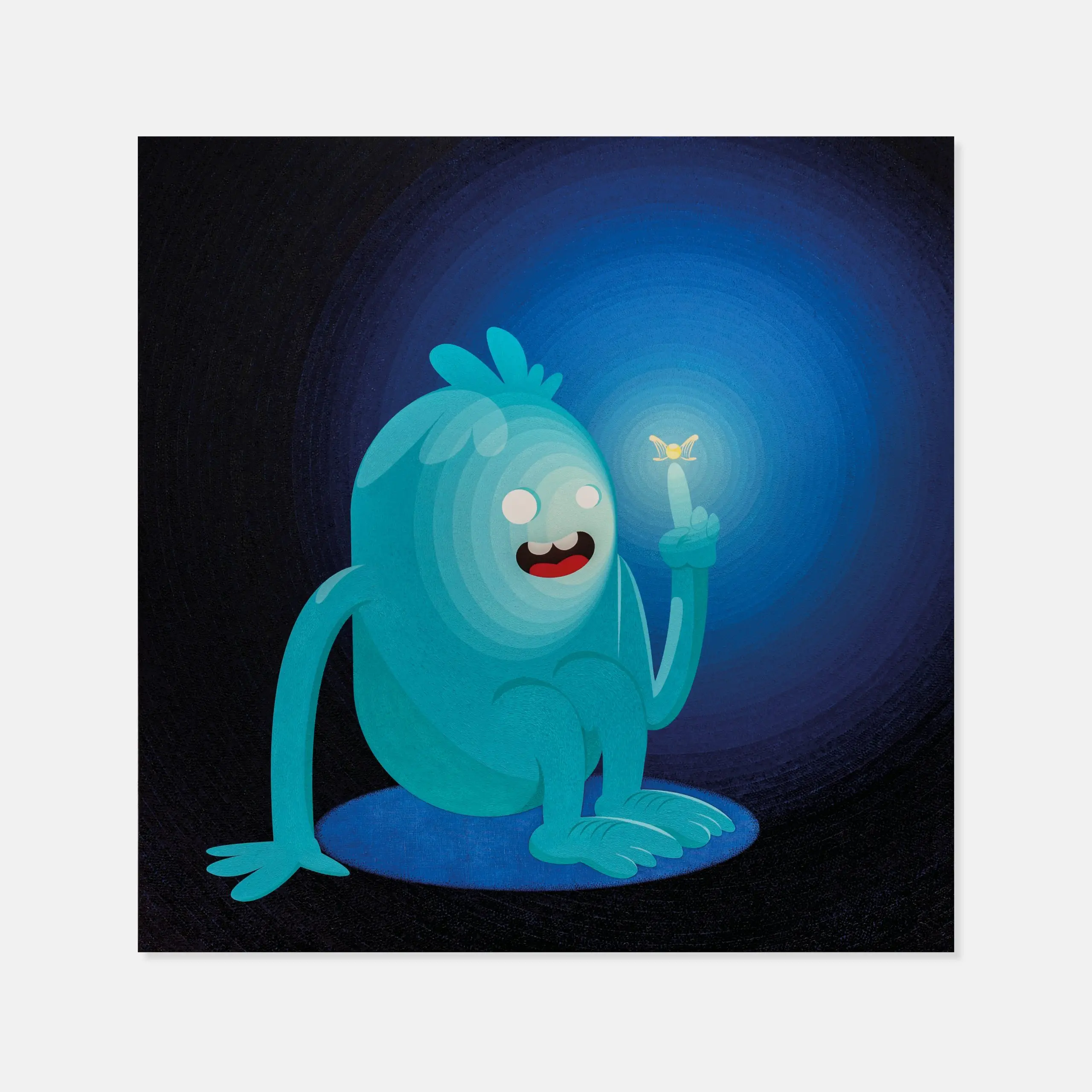
Eduardo Ponjuán
Wounded by shadows, 2025
Oil on Velazquez linen
150 x 150 cm (59 x 59 in)
Eduardo Ponjuán
Sphinx, 2025
Oil on Velazquez linen
150 x 150 cm (59 x 59 in)
Eduardo Ponjuán
Lemur, 2025
Oil on Velazquez linen
150 x 150 cm (59 x 59 in)
Eduardo Ponjuán
Wounded by shadows, 2025
Oil on Velazquez linen
150 x 150 cm (59 x 59 in)
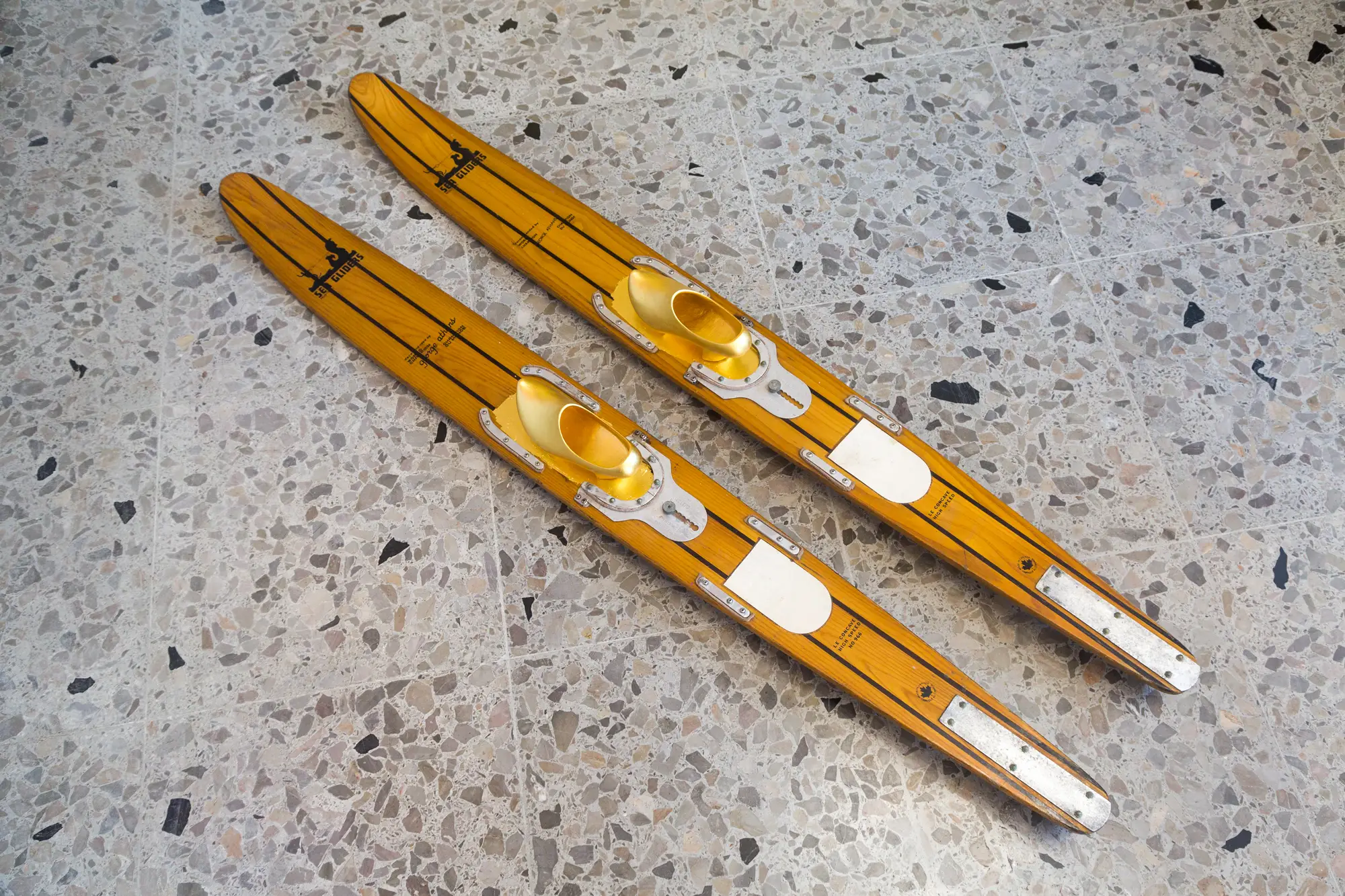
Eduardo Ponjuán
Letters to Théo, December 6, 2021, 2021
Sculpture (wooden skis, Dutch clogs, and 24k gold leaf)
166.37 x 16.51 x 13.97 cm (65.5 × 6.5 × 5.5 in) e/o
Eduardo Ponjuán
Letters to Théo, December 6, 2021, 2021
Sculpture (wooden skis, Dutch clogs, and 24k gold leaf)
166.37 x 16.51 x 13.97 cm (65.5 × 6.5 × 5.5 in) e/o
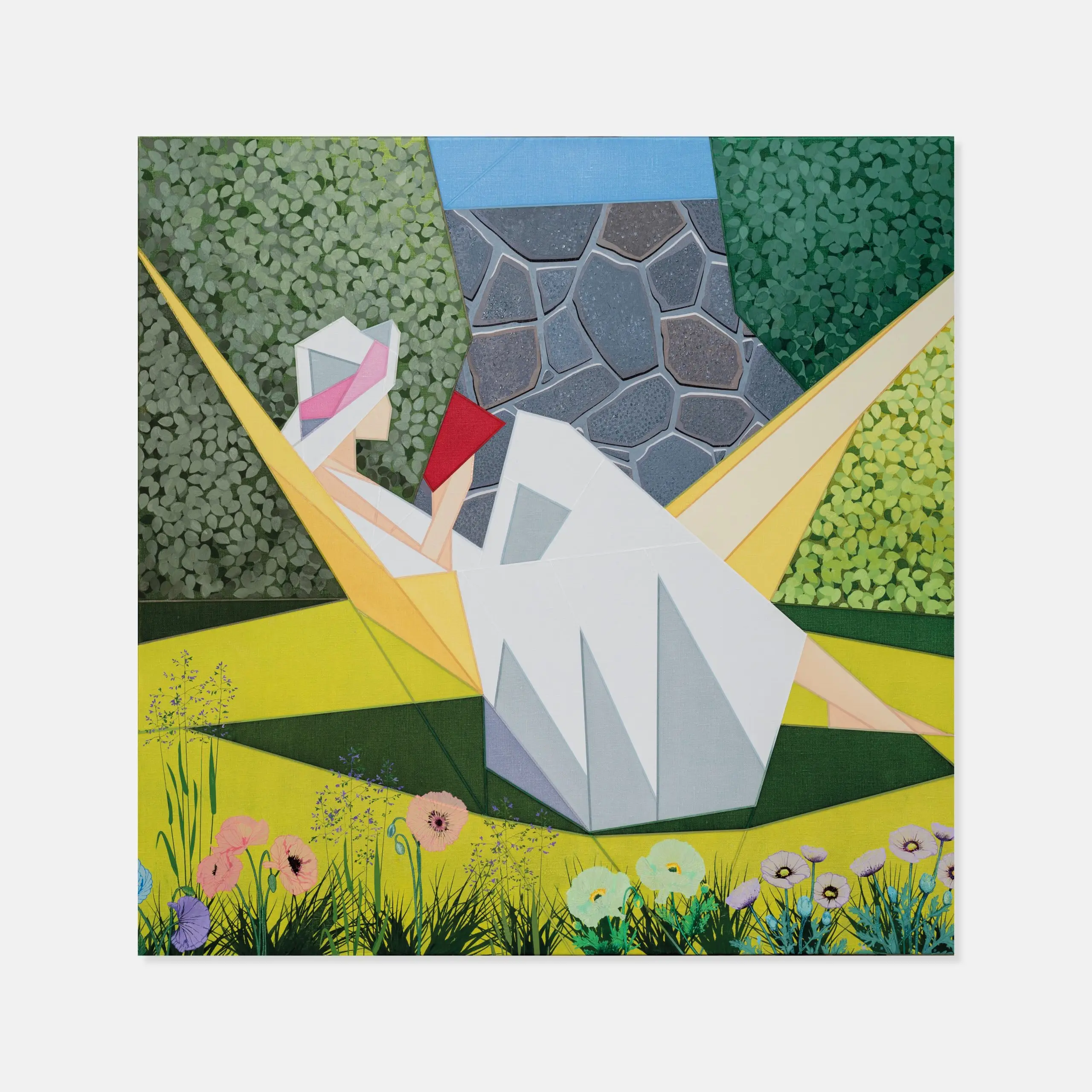
Eduardo Ponjuán
Poppies, 2025
Oil on Velazquez linen
100 x 100 cm (39.4 x 39.4 in)
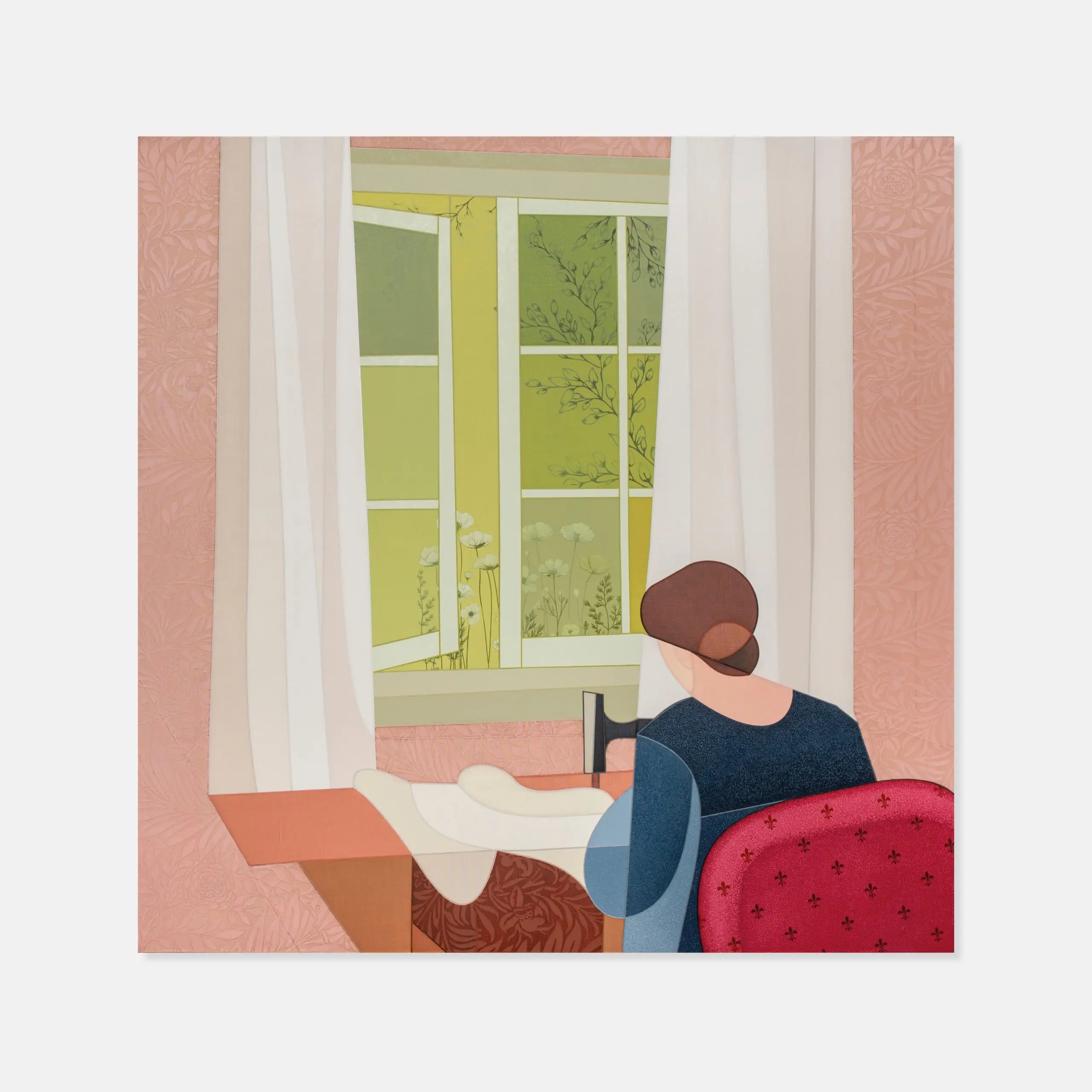
Eduardo Ponjuán
The seamstress, 2025
Oil on Velazquez linen
150 x 150 cm (59 x 59 in)
Eduardo Ponjuán
Poppies, 2025
Oil on Velazquez linen
100 x 100 cm (39.4 x 39.4 in)
Eduardo Ponjuán
The seamstress, 2025
Oil on Velazquez linen
150 x 150 cm (59 x 59 in)
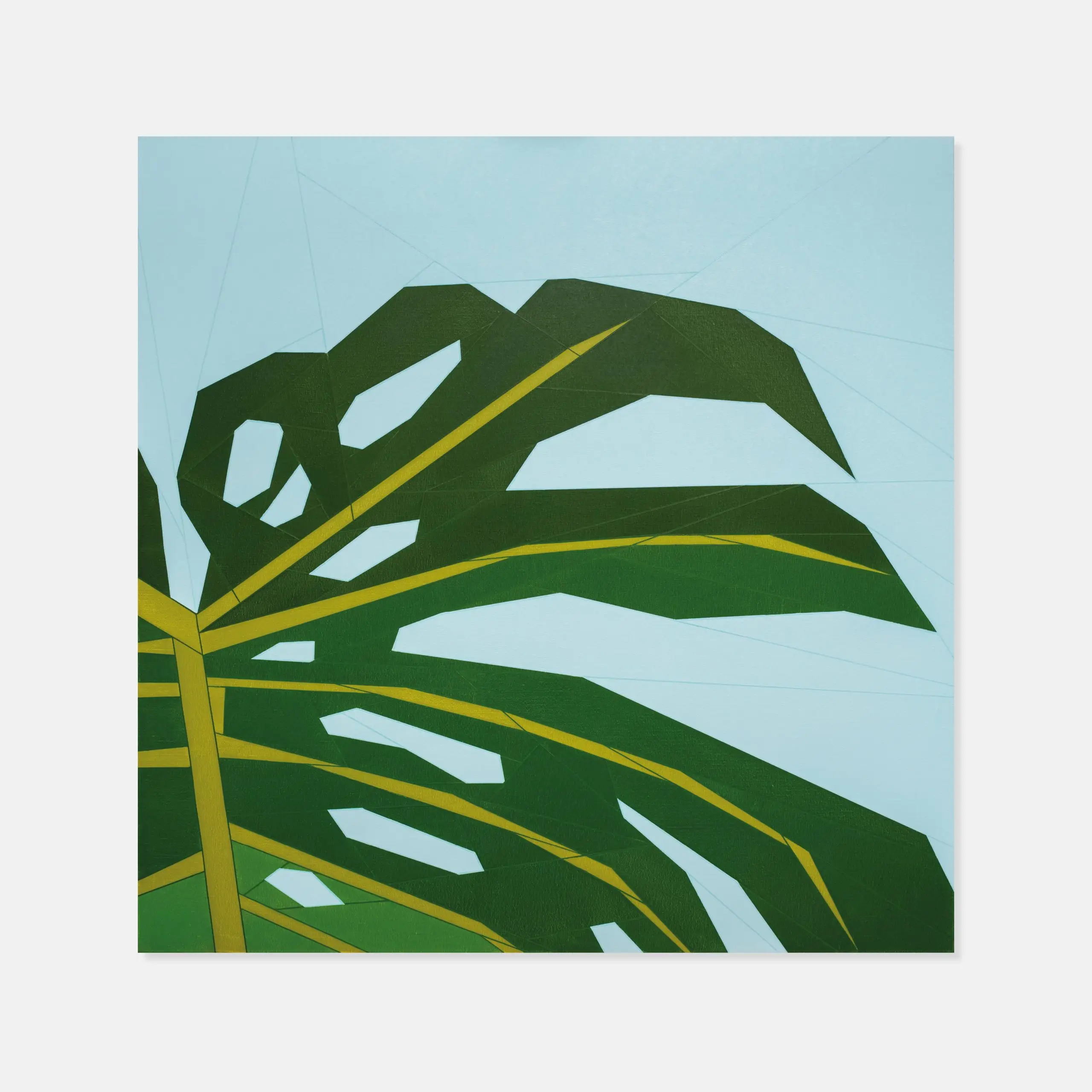
Eduardo Ponjuán
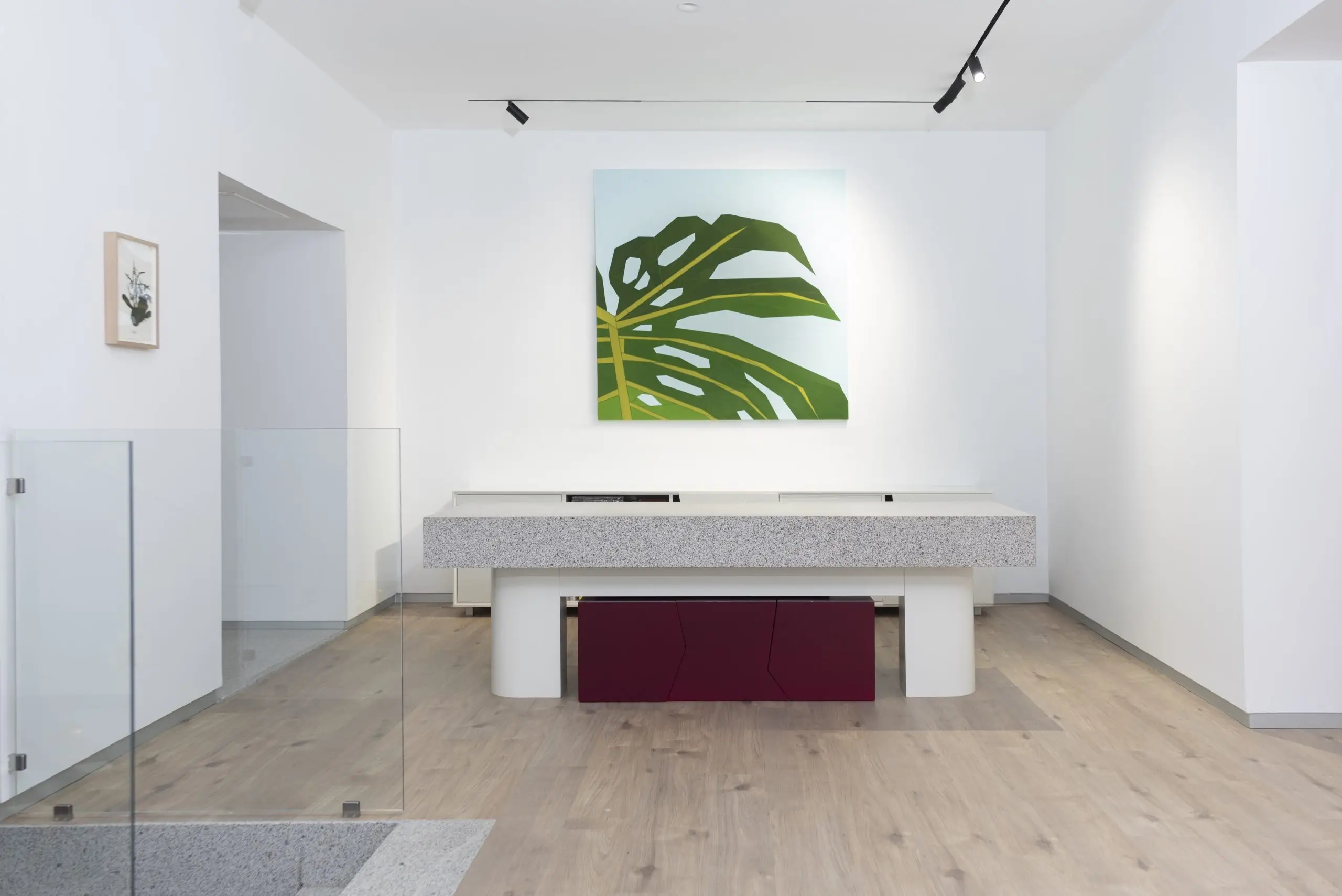
Monstera, 2025
Oil on Velazquez linen
150 x 150 cm (59 x 59 in)
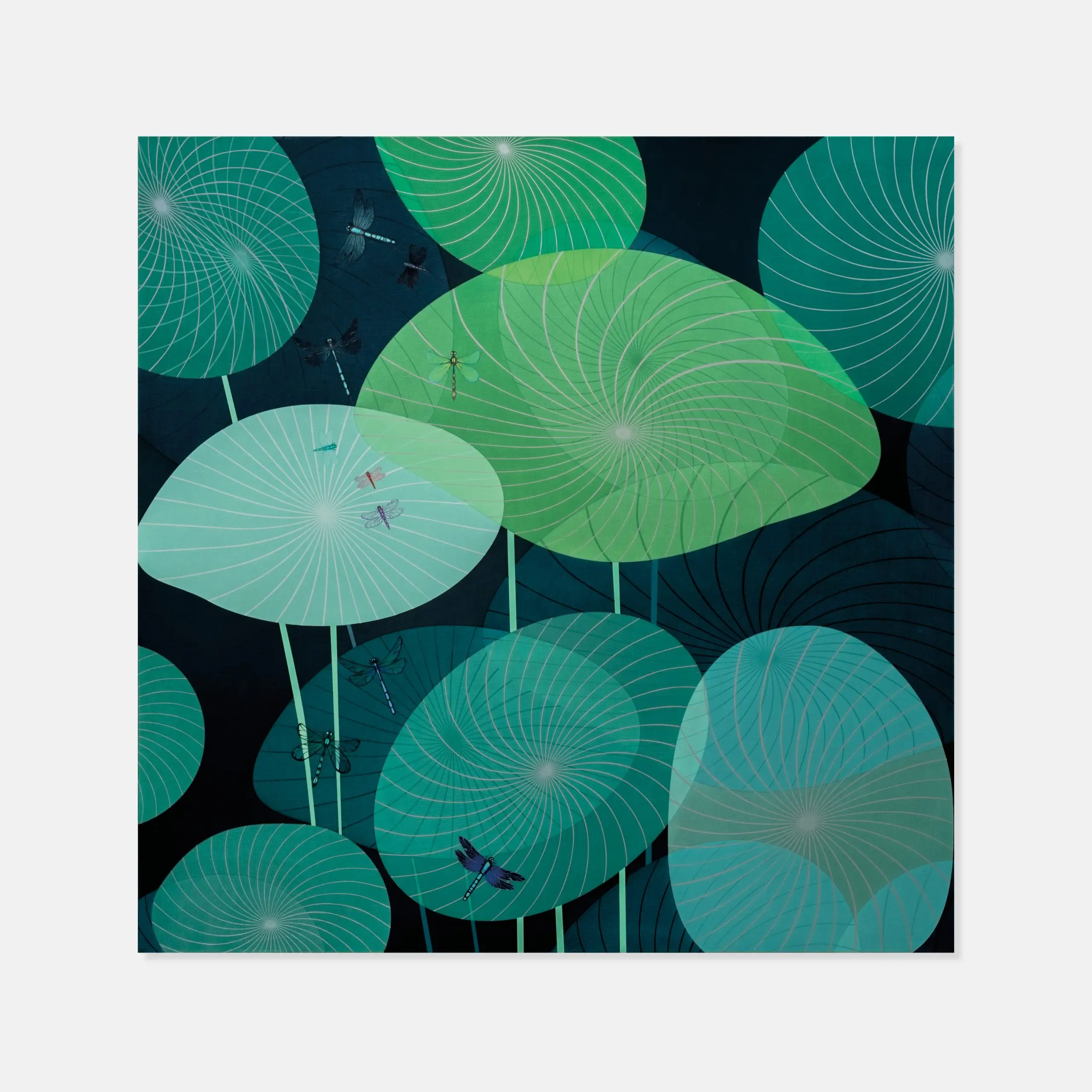
Eduardo Ponjuán
Dragonflies, 2025
Oil on Velazquez linen
150 x 150 cm (59 x 59 in)
Eduardo Ponjuán
Monstera, 2025
Oil on Velazquez linen
150 x 150 cm (59 x 59 in)
Eduardo Ponjuán
Dragonflies, 2025
Oil on Velazquez linen
150 x 150 cm (59 x 59 in)
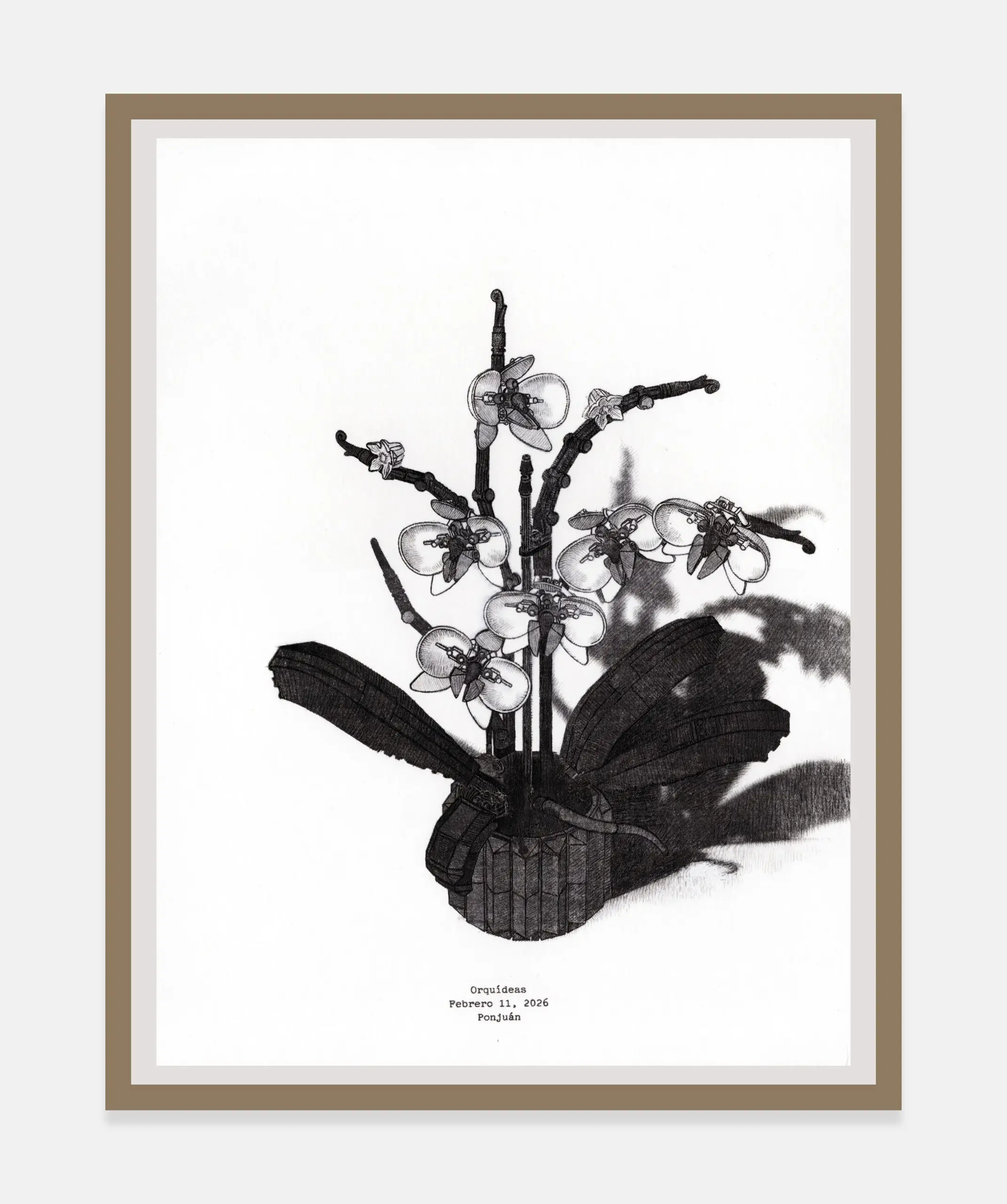
Eduardo Ponjuán
Orchid, from series Botanical Lego, 2026
Black Star pencil and transfer on Hahnemüller paper 450 g/m 2
34 x 24 cm (12.5 x 9.4 in)
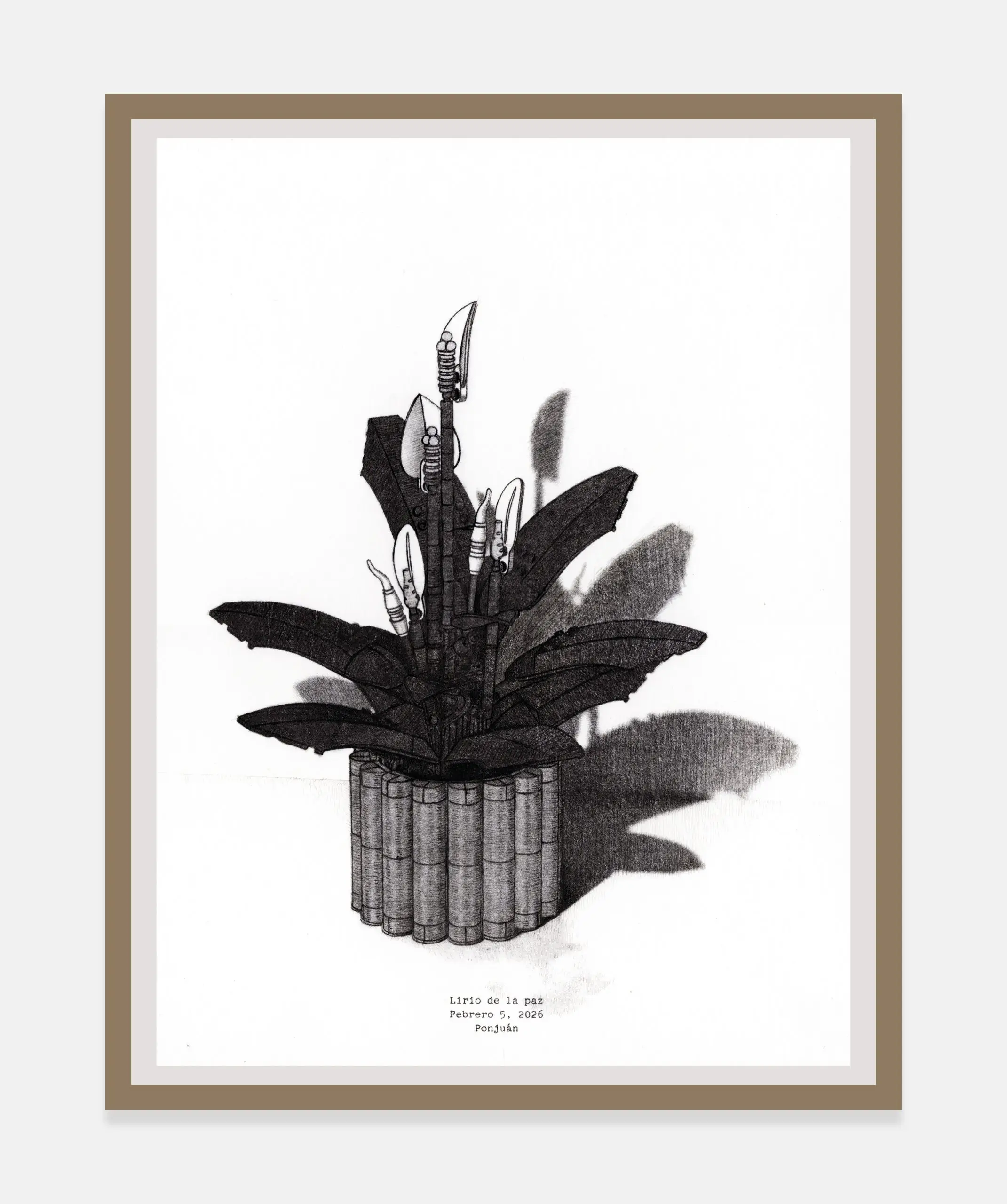
Eduardo Ponjuán
Peace lily, from series Botanical Lego, 2026
Black Star pencil and transfer on Hahnemüller paper 450 g/m 2
34 x 24 cm (12.5 x 9.4 in)
Eduardo Ponjuán
Orchid, from series Botanical Lego, 2026
Black Star pencil and transfer on Hahnemüller paper 450 g/m 2
34 x 24 cm (12.5 x 9.4 in)
Eduardo Ponjuán
Peace lily, from series Botanical Lego, 2026
Black Star pencil and transfer on Hahnemüller paper 450 g/m 2
34 x 24 cm (12.5 x 9.4 in)
views of the exhibition