We present at The Aspen Art Fair 2024 an exclusive selection of works by artists Ariamna Contino, Roberto Diago, Diana Fonseca, Carlos Garaicoa and Eduardo Ponjuán. These artists discuss, through different imaginary bodies, one of the most relevant themes in the artistic production of our time: the work of art as a record of the complexities hidden in contemporary history. Through the work of these artists we can reflect on themes such as cultural identity, the city and power, the myth of travel and the natural secrets of Latin American nature.
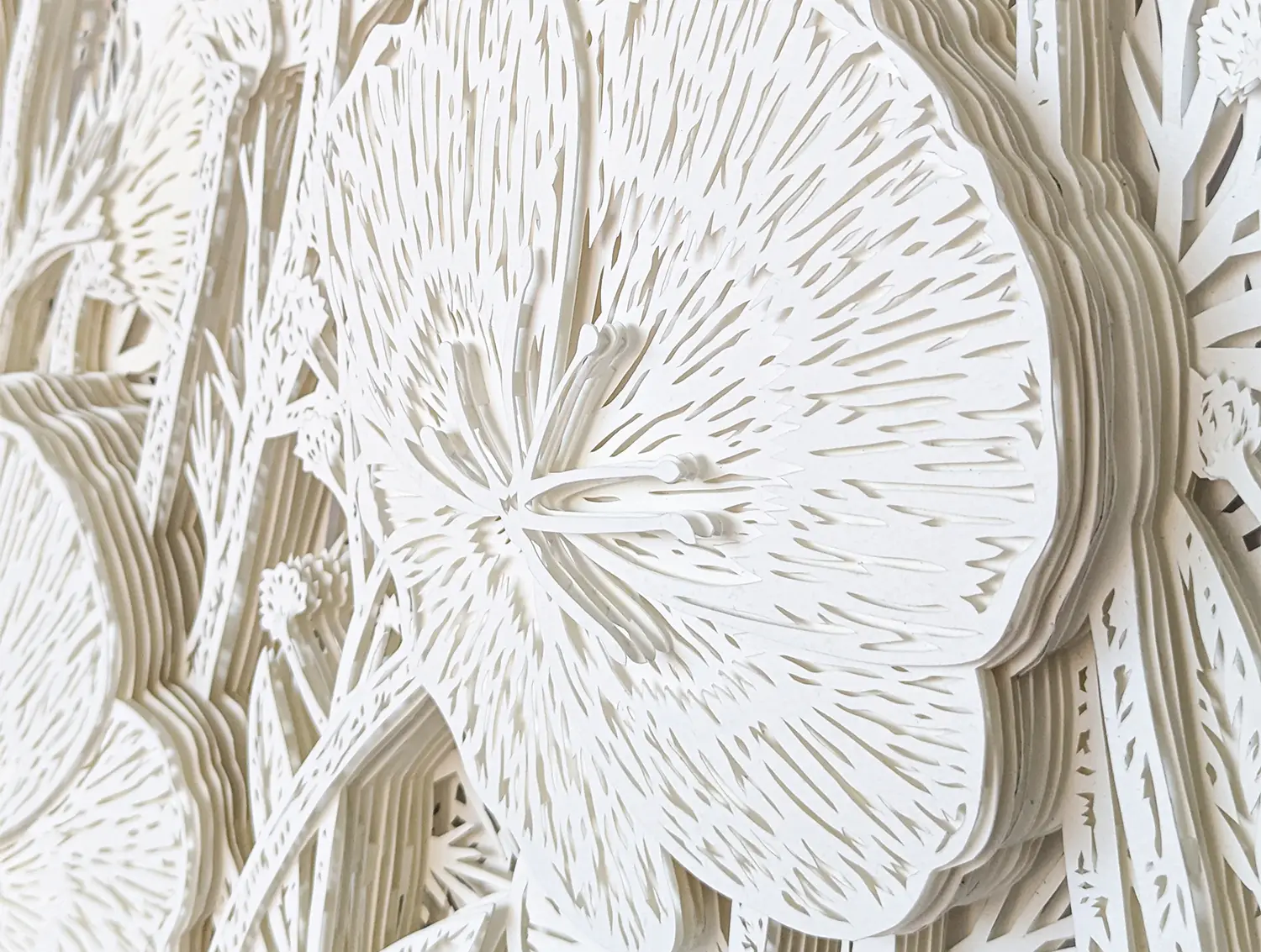
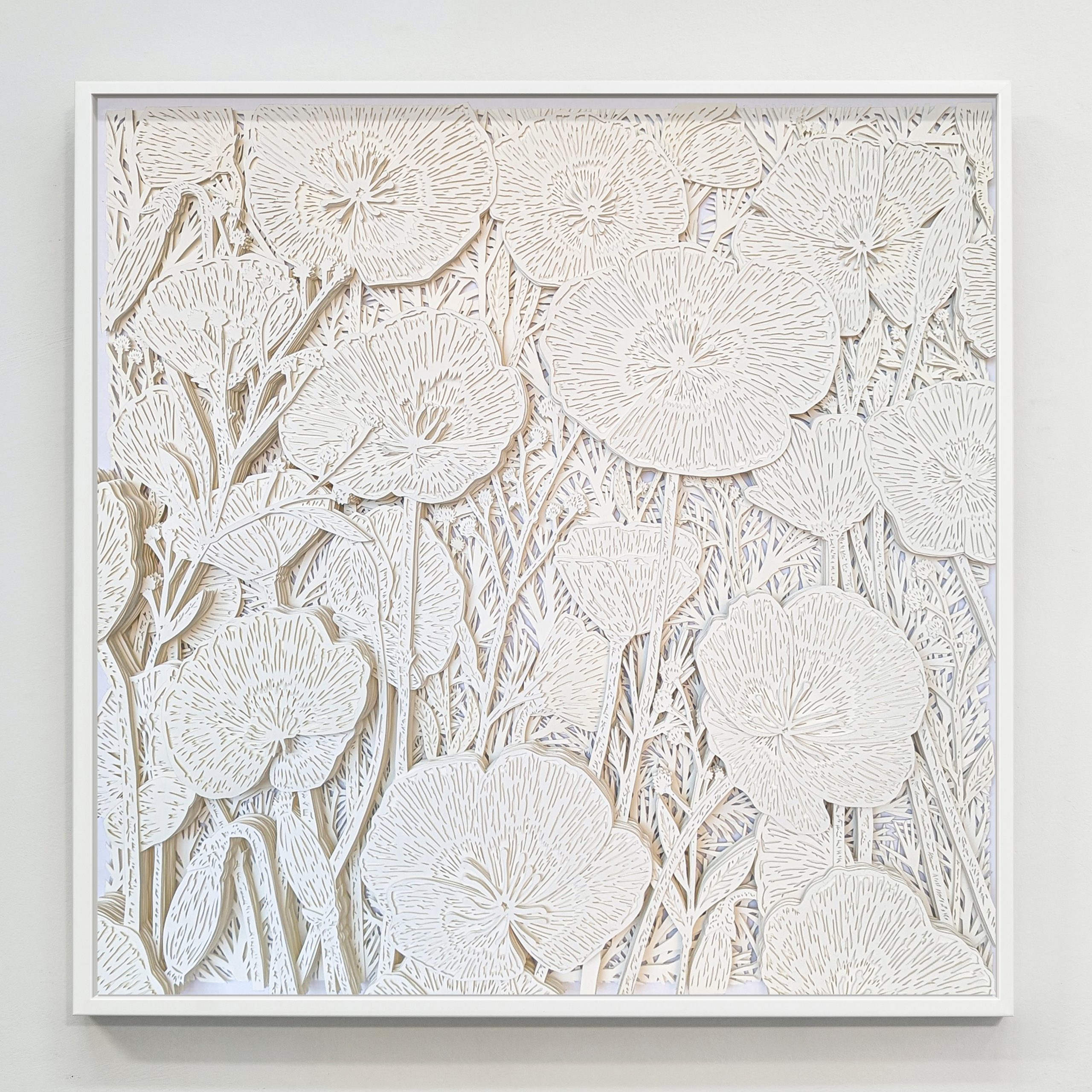
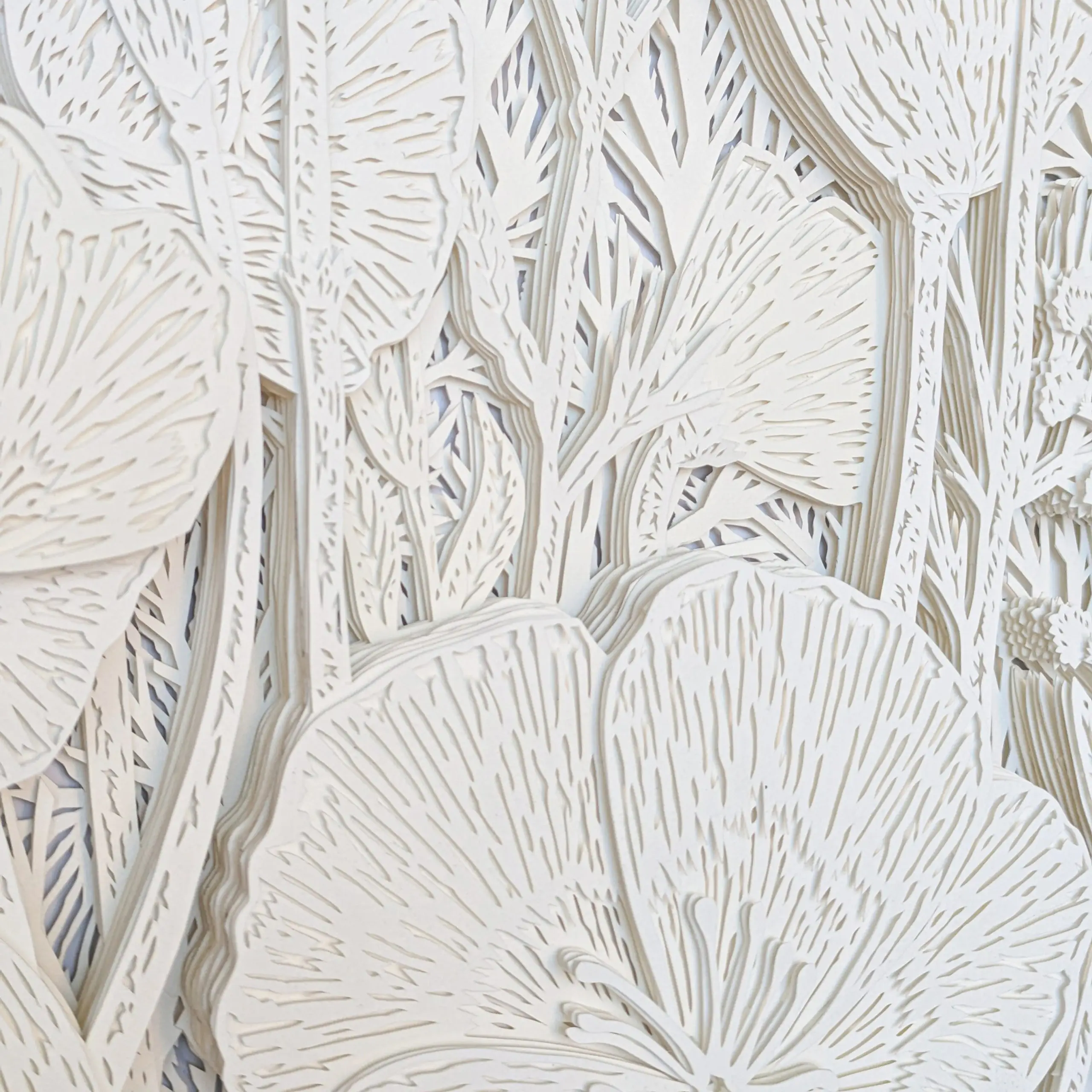
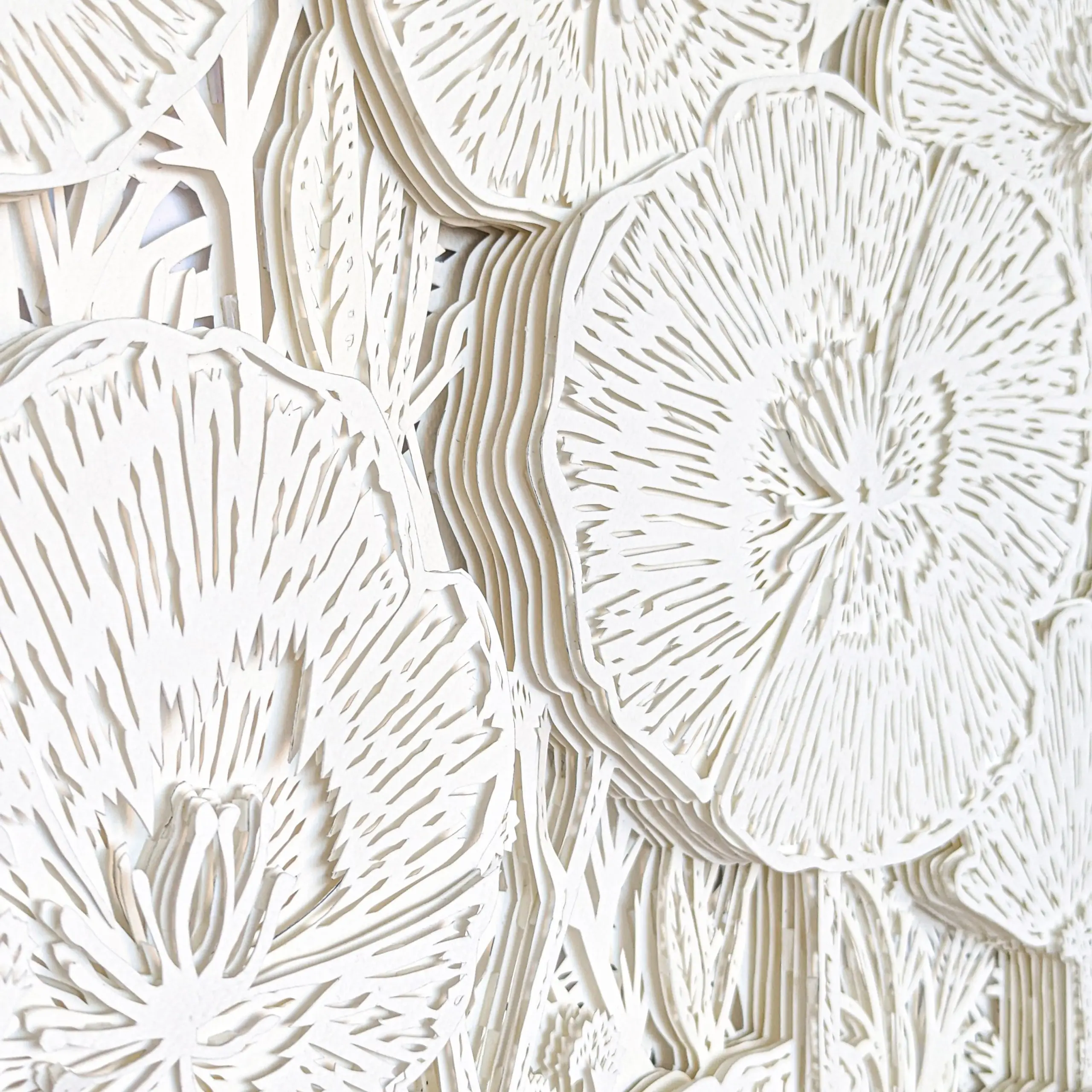
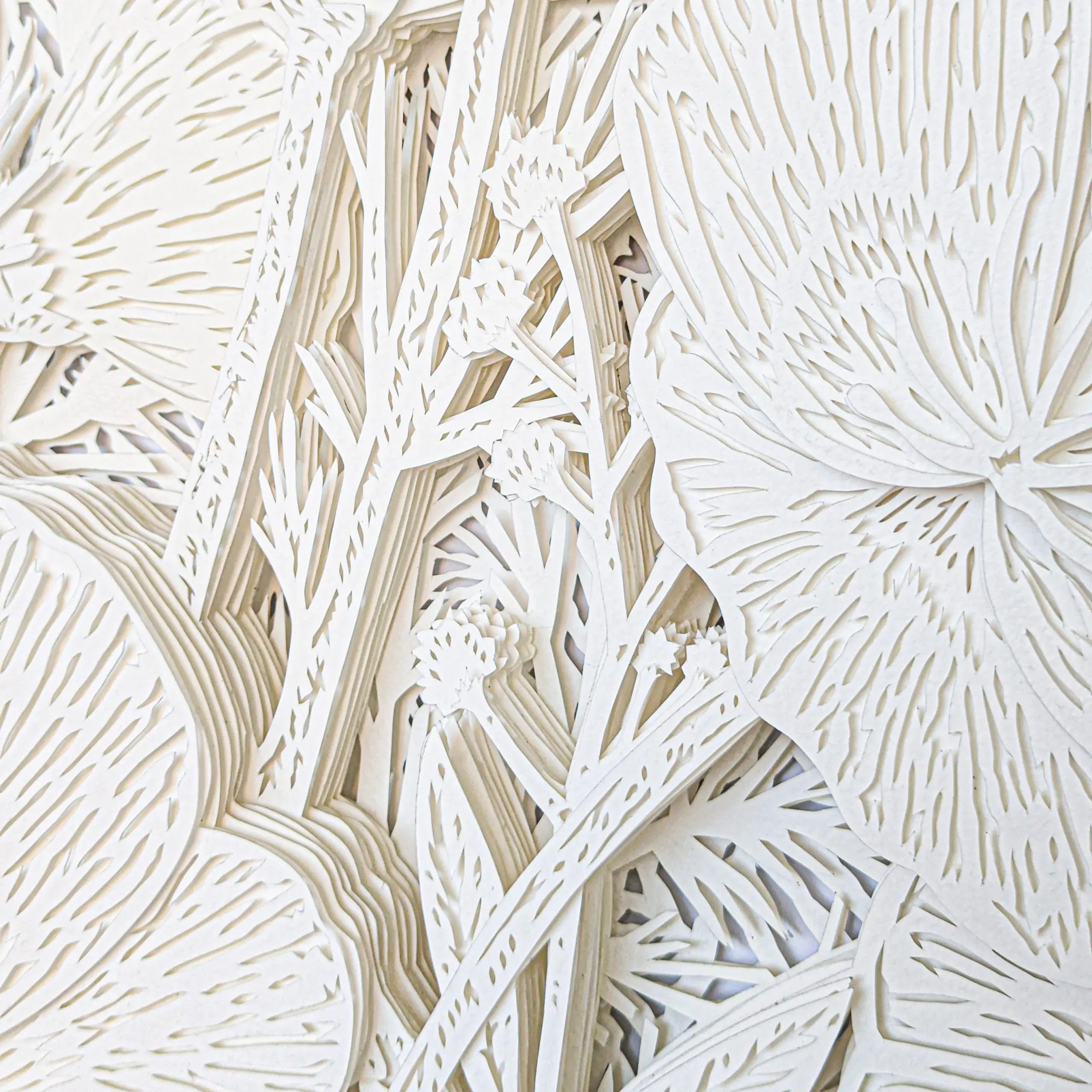
California Poppy, from the Garden of Delights series, 2024 Hand-cut paper, Strathmore Cold Press cardboard 300 gsm 83 x 83 x 8 cm (32.7 x 32.7 x 32.7 x 3.2 in)
There is a type of knowledge outside the standardized, coming from anonymous sources and resulting from the collection of small experiences transmitted from person to person, from village to village, from region to region. It is the knowledge deposited as a substratum of the culture of places. This type of process motivates the Garden of Delights series, a set of works inspired by popular wisdom and the botany of certain plants and fungi. Latin America is a rich region in this sense, a source of ancestral knowledge transmitted from shaman to shaman from the highlands to the Caribbean. Added to this is the wealth of knowledge brought to the continent by the many Africans brought as slaves. In this amalgam, all those primary sources that are difficult to trace for the Academy and yet are within the reach of anyone interested in having a lysergic experience with hallucinogenic plants. It is just this modality of knowledge that Ariamna Contino tries to record with the series. Garden of Earthly Delights, on the other hand, is an iconic work within the Western pictorial tradition, and its structure allows Contino to establish a semiotic parallelism with her series insofar as the central panel of Bosch's work makes a specific allusion to the earthly paradise.
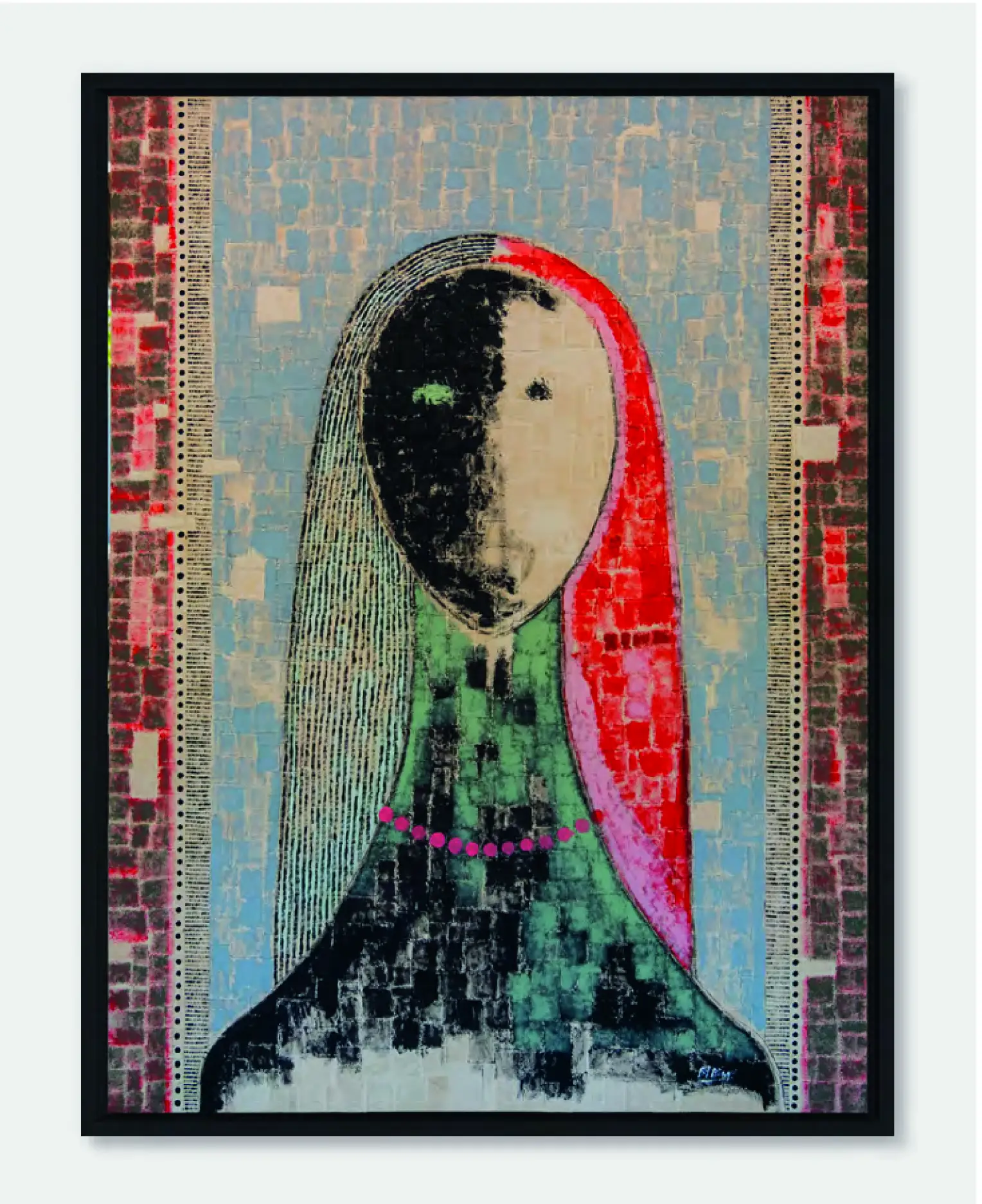
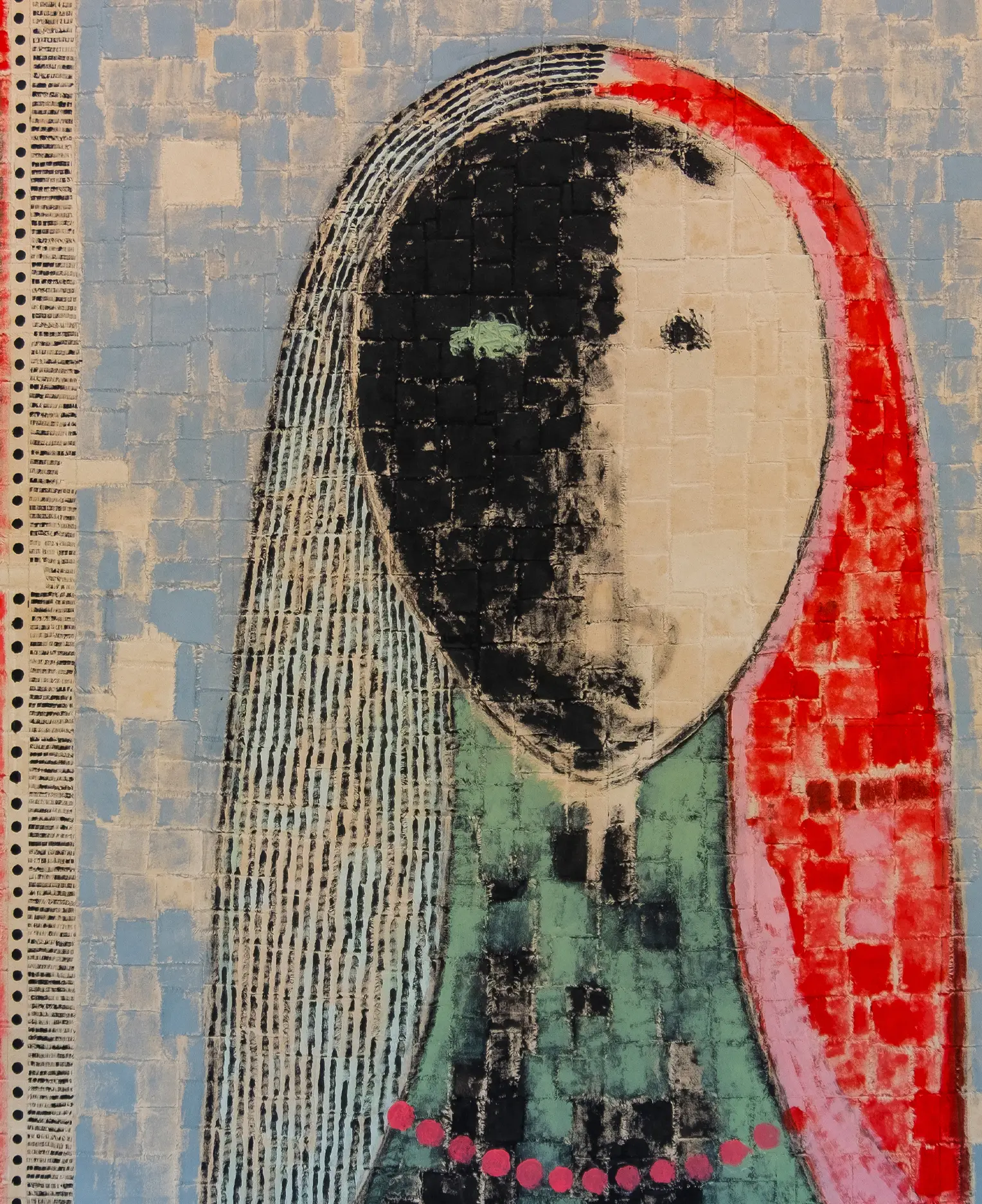
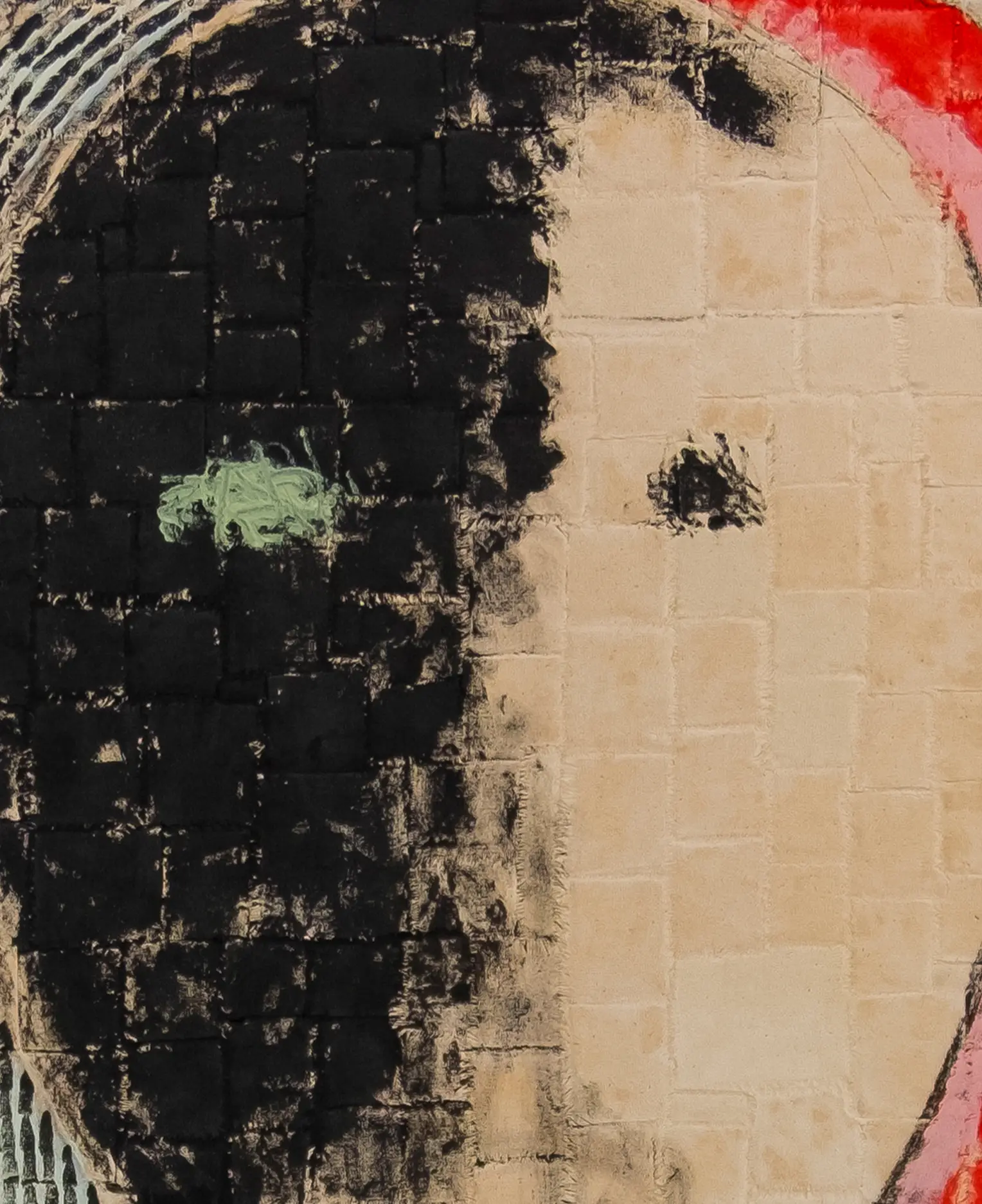
Untitled, 2024, Mixed on canvas, 200 x 150 cm (78.7 x 59 in)
Roberto Diago examines the condition of the Cuban Afro-descendant in the social territory of the Revolution. He has a cultural and sociological vision that fully understands the effects of colonial processes in the nations that suffered them. These traces are visible in the levels of marginalization and segregation, but also in the epistemic and linguistic ones. Diago denounces, exposes and develops exercises of cultural resistance that allow him to speak from a self-conscious and maroon otherness that claims other religious belongings, other canons of beauty and other views on the white world that inhabits the West.
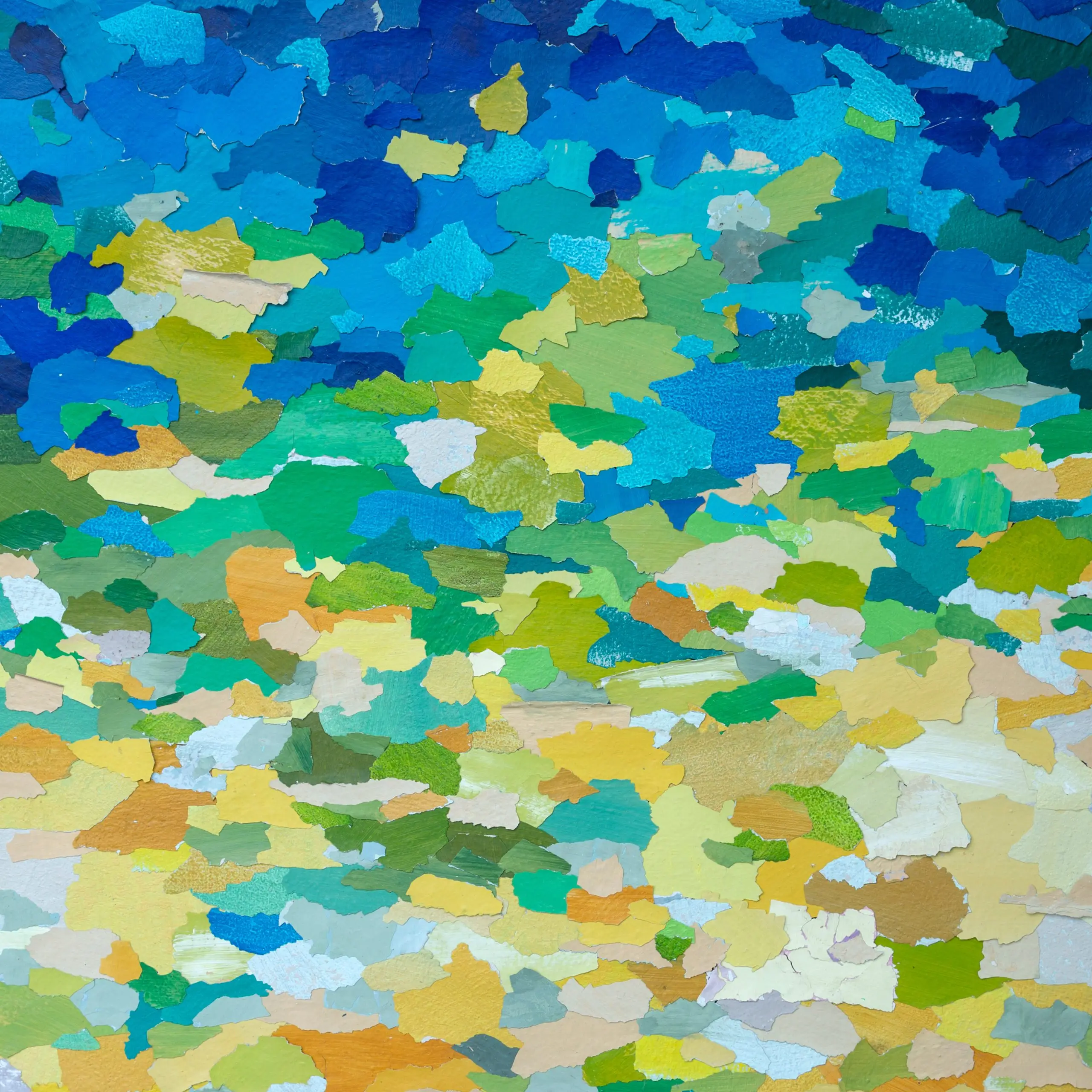
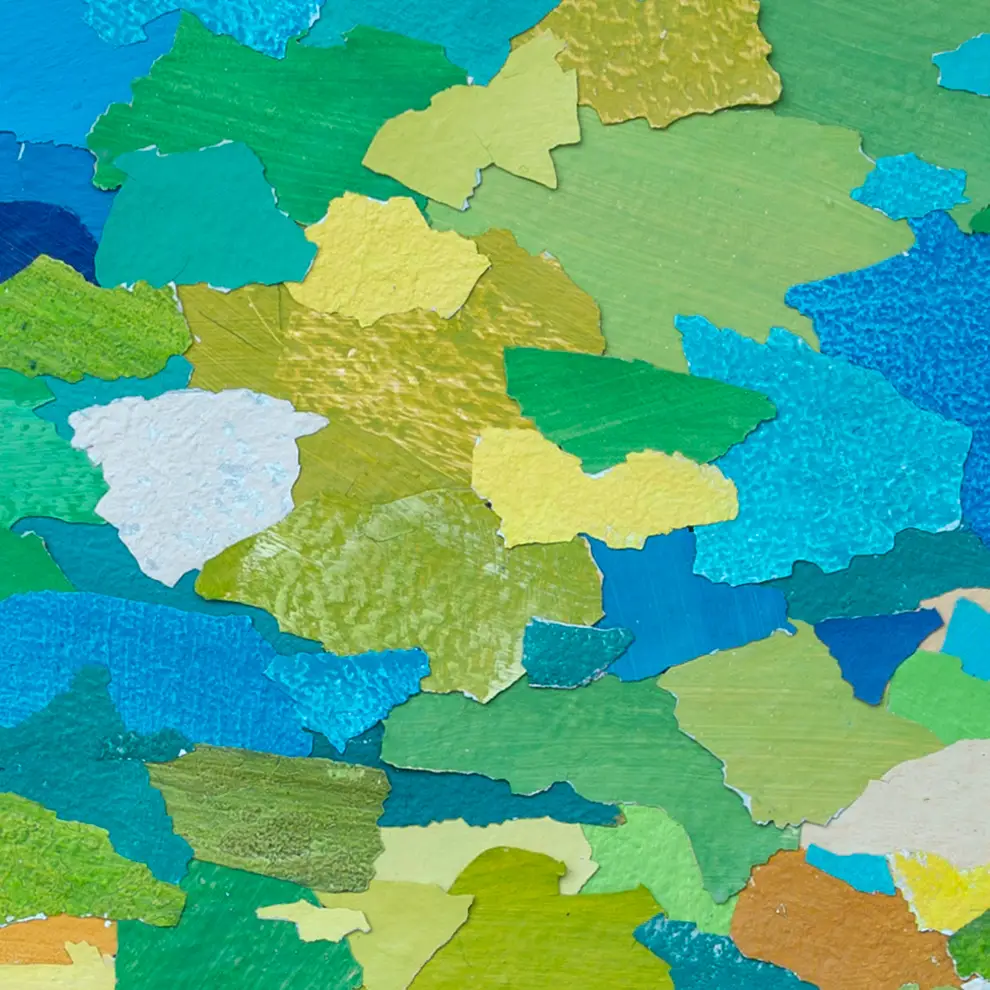
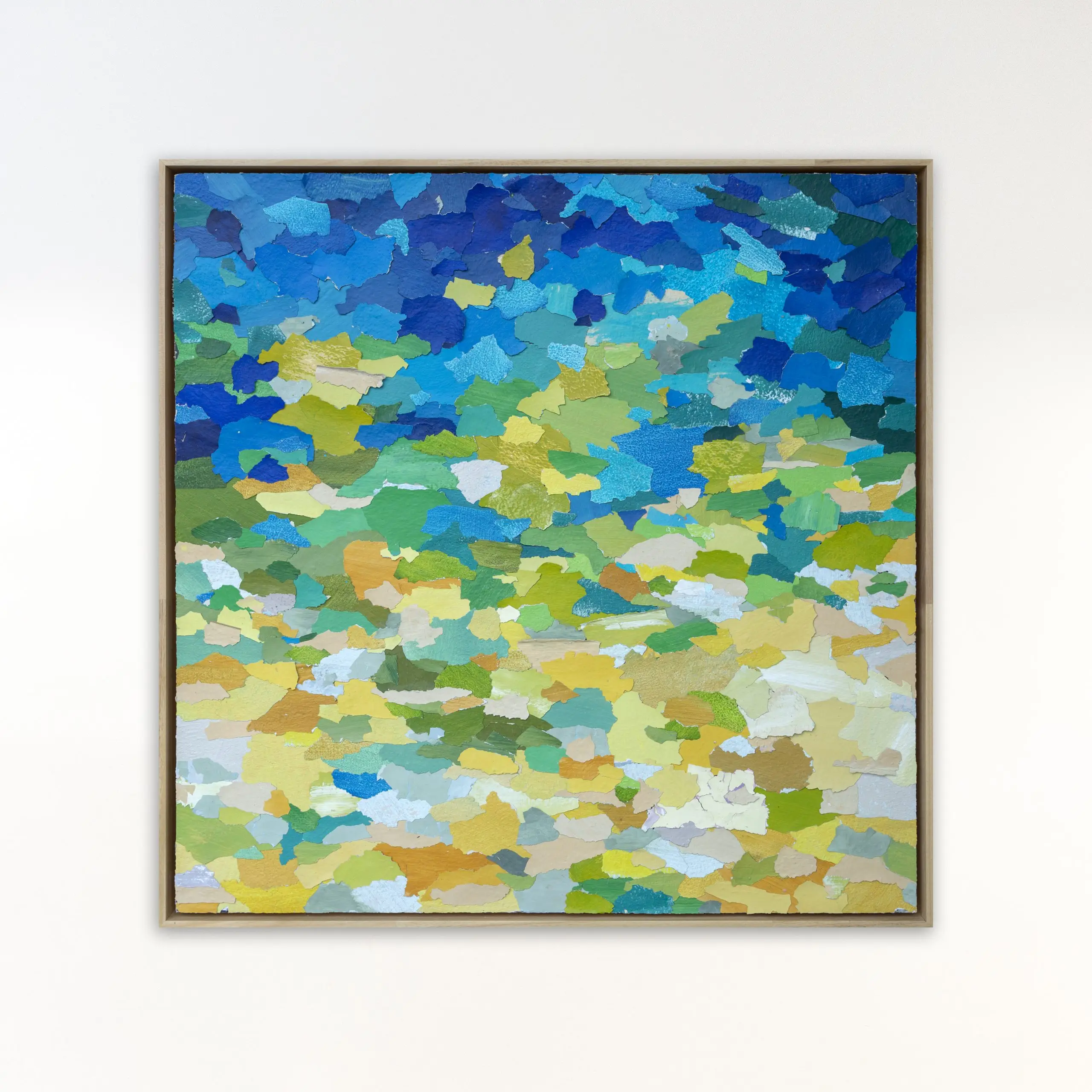
Untitled, from the series Degradation, 2023 Fragments of exterior painting on wood 100 x 100 cm (39.4 x 39.4 in)
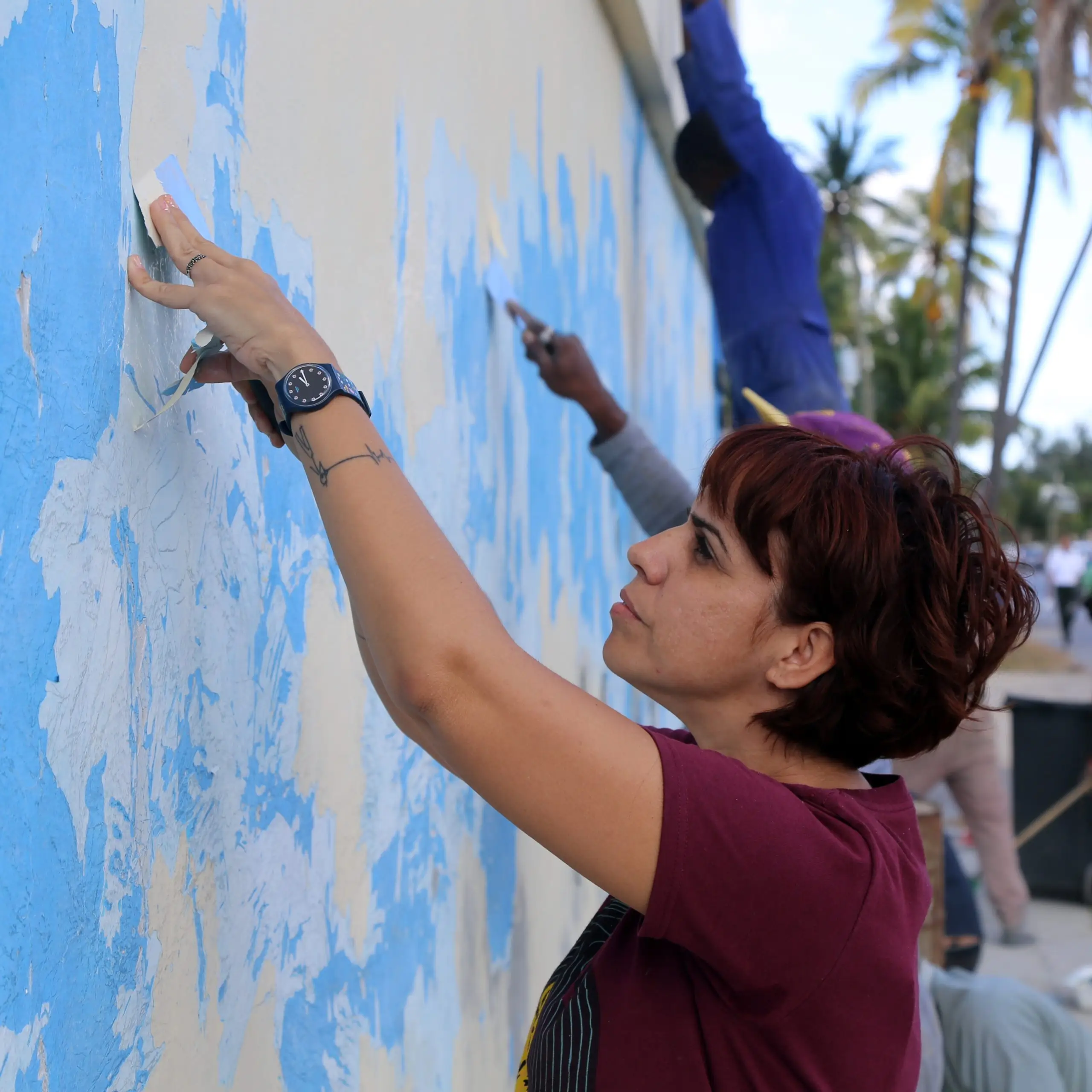
Diana Fonseca's Degradaciones are pieces structured from layers of paint from different Havana facades. This random superposition of the already solid remains of old layers of paint generates an abstract visuality that, nevertheless, gathers the history of the city, personal and collective stories, more or less anonymous, now rearticulated in an autonomous work. The title itself already points to the idea of the series: degradation, degradation in a temporal and physical sense -of deterioration, fading, oblivion-, and also, of course, in a more symbolic dimension.
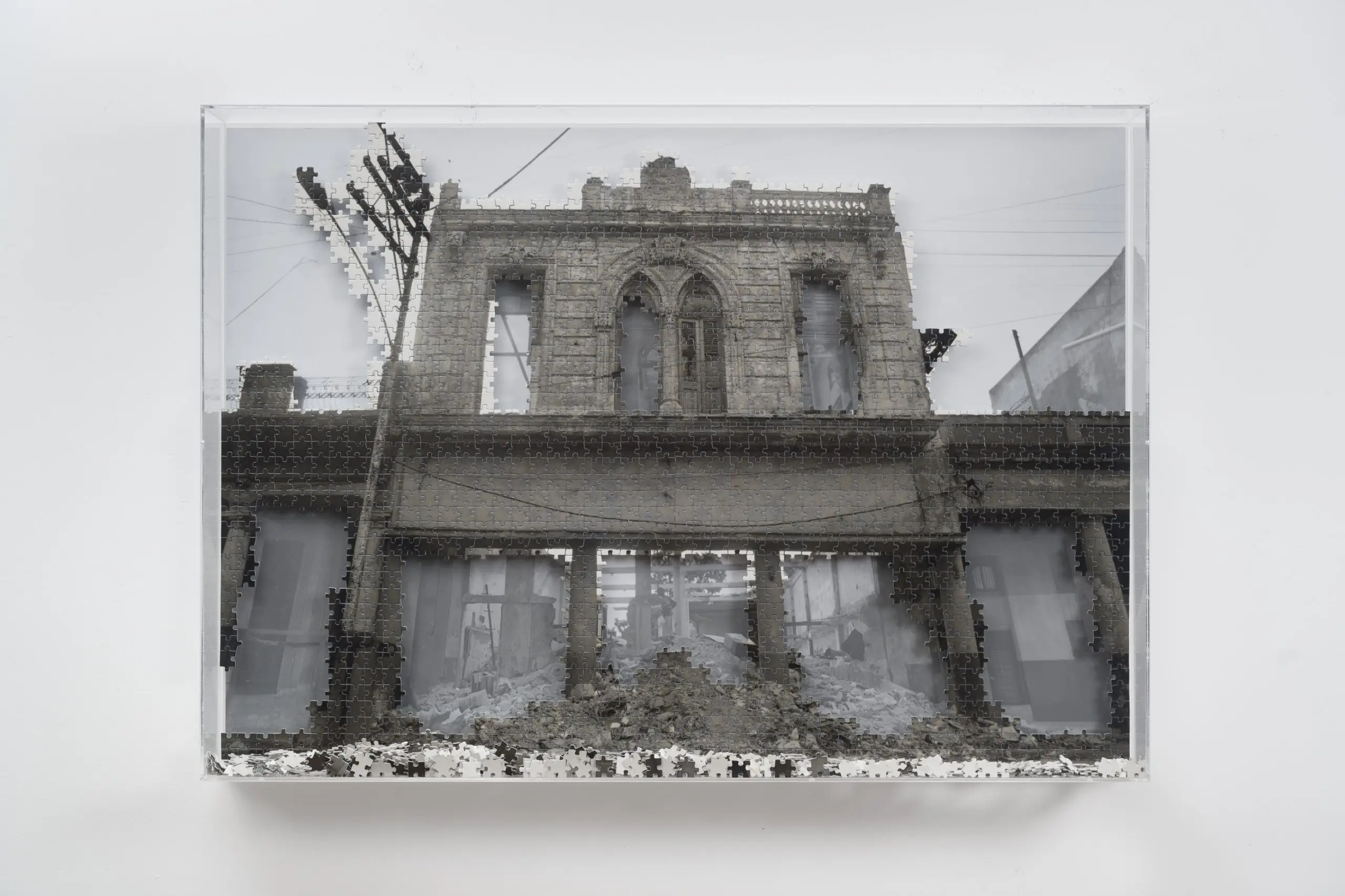
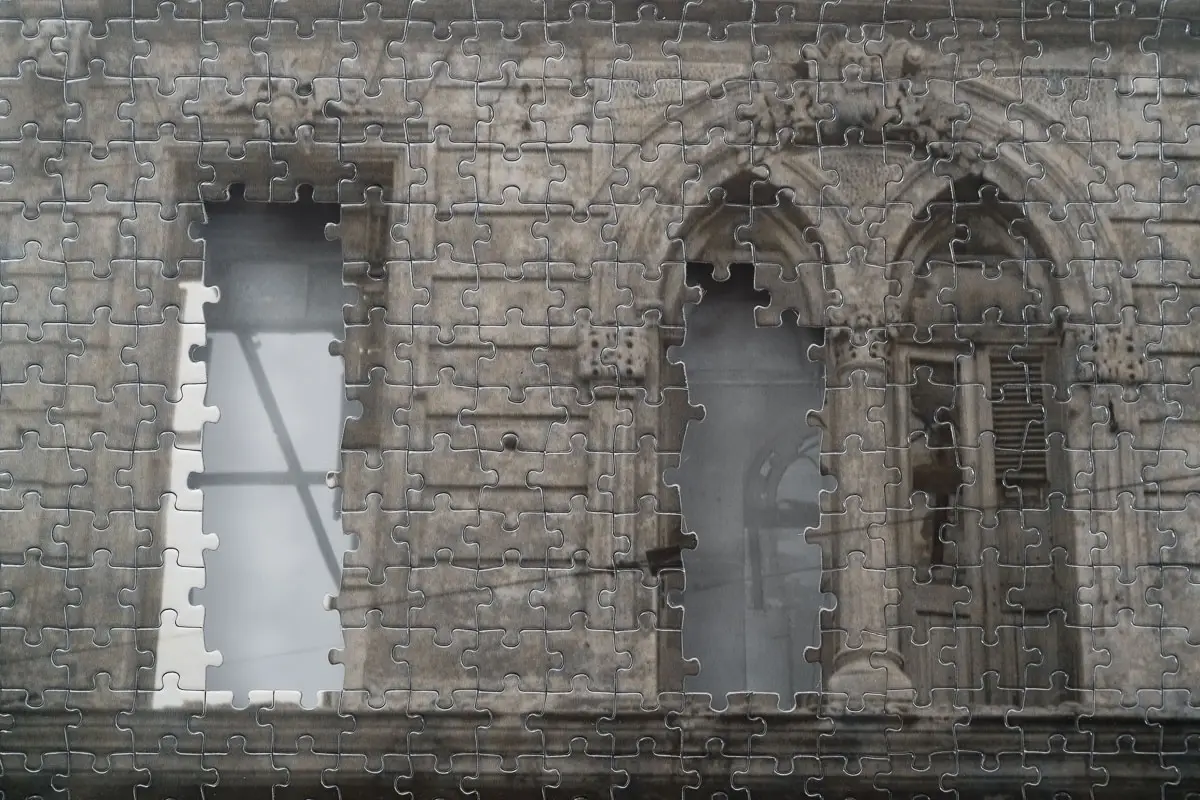
October 10, from the Puzzles Series, 2022 B/W photo printed on puzzle, photo laminated on Dibond, wood, plexiglass. 68 x 96 x 12.5 cm (26.8 x 37.8 x 5 in)
Carlos Garaicoa's work develops a dialogue between art and urban space through which he investigates the structure of contemporary cities. From a multidisciplinary approach, Garaicoa addresses cultural and political issues through the study of architecture, urbanism and history. One of his main thematic centers has always been post-revolutionary Havana, where he would develop much of his work and whose urban deterioration he witnessed firsthand. Through sculpture, drawing, video, photography and installation, the artist has approached, narratively and critically, the modernist utopian architecture and the collapse of the main ideologies of the twentieth century.
Ocaso, from the series País de Nieve, 2019. Oil on canvas 100 x 100 cm (39.4 x 39.4 in)
Eduardo Ponjuán is one of the essential artists in the historiography of Cuban art. His work, which emerged in the eighties, has the capacity to go beyond the precipice of certain truths, to surpass itself as a discursive generator, to impact, of silencing us and forcing us to watch it compulsively. The key point of all this, somewhat capricious and tremendous, seems to reside in his unlimited talent to invoke that which can be vital for man. This is the source of his most fertile and polysemic silences. His work moves in different directions, supported by the alibi of a conceptualism that has reinvented itself over and over again. At times He speaks with a slight monosyllabic accent, others he becomes scathing and shouts without any inhibition. There is no precise and fair way to catalog him, because in his case any taxonomy becomes reductionist. Ponjuán is a painter, installer, draughtsman, conceptual artist and inexhaustible thinker. All art is for him a starting point, the trough from which he takes what he needs to interrogate the world.
 EN
EN  ES
ES  IT
IT  FR
FR  ZH
ZH  PT
PT