"(…) I am now in my sixties; at my age, coincidences or new developments matter less than what one believes to be true (…)”
J.L. Borges
I
Trying to talk about love and ending up talking about heartbreak and loss...
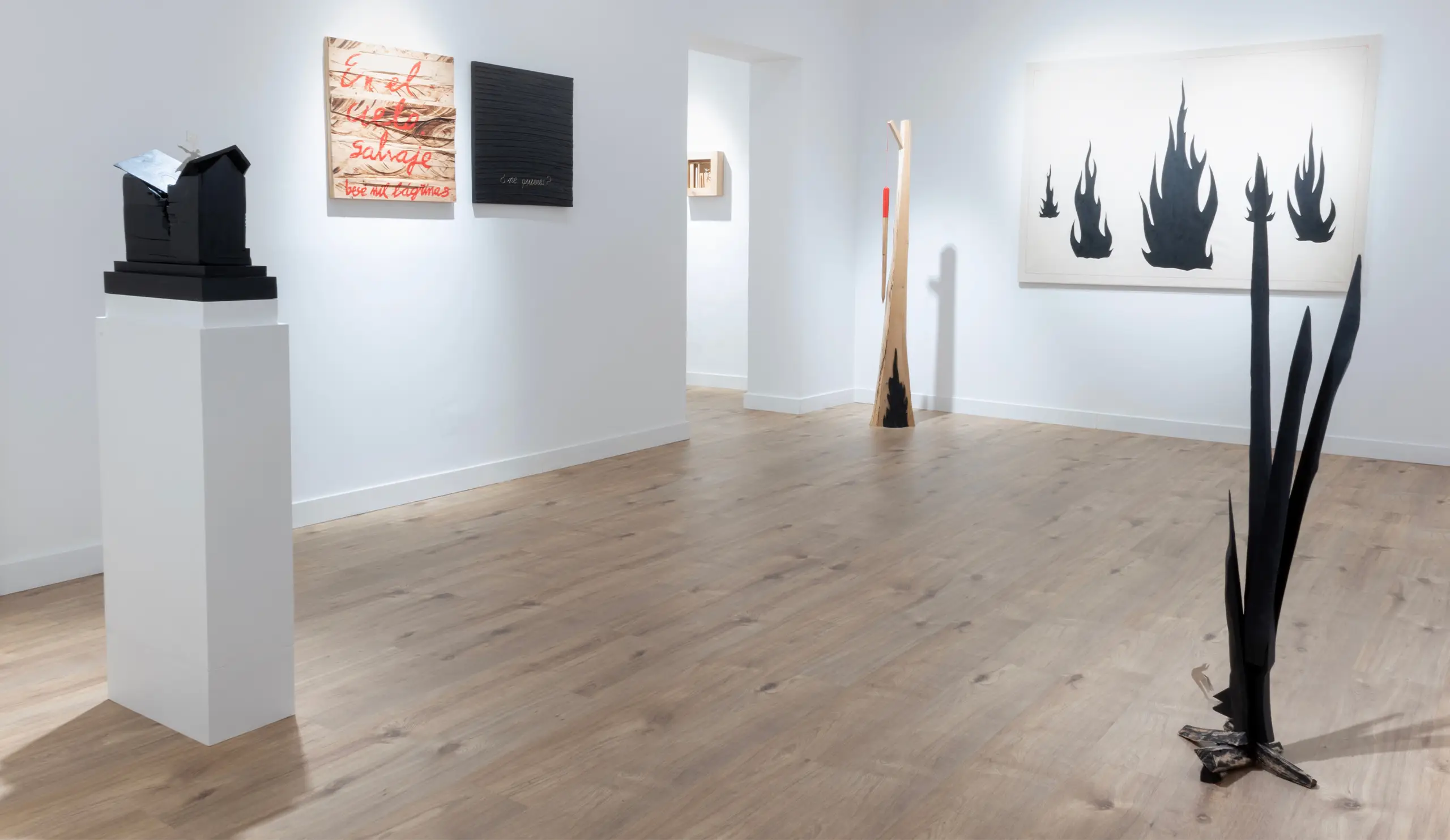
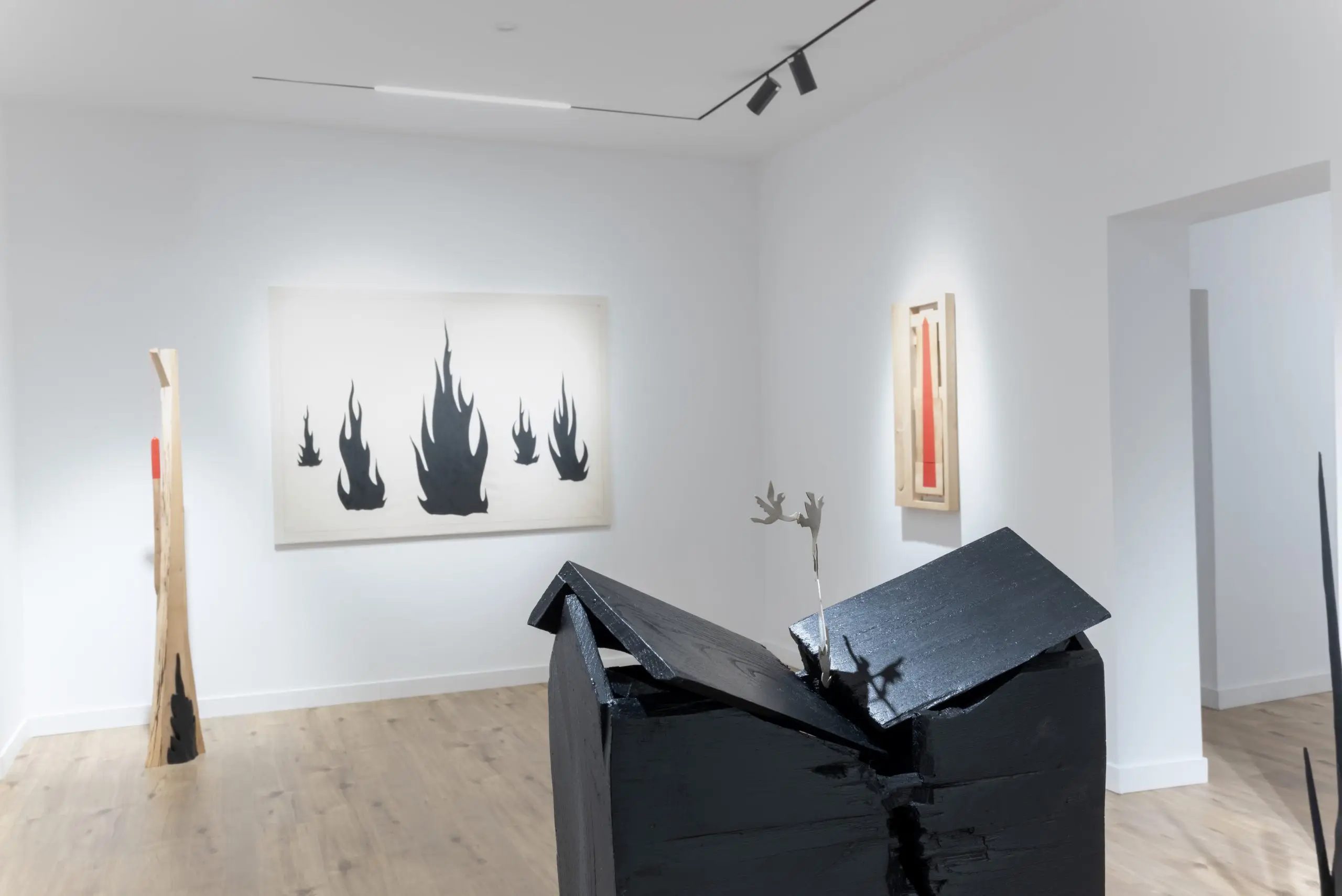
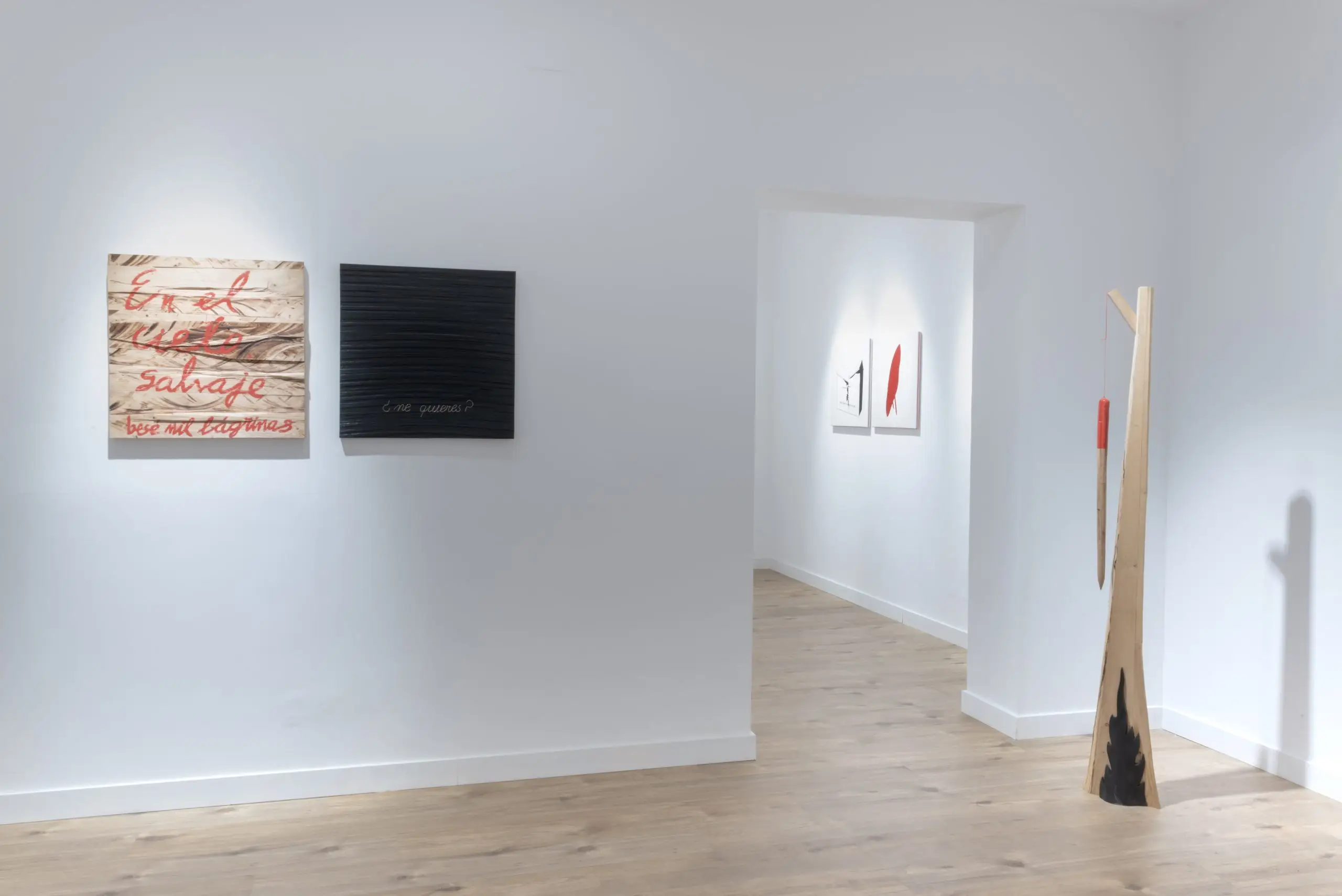
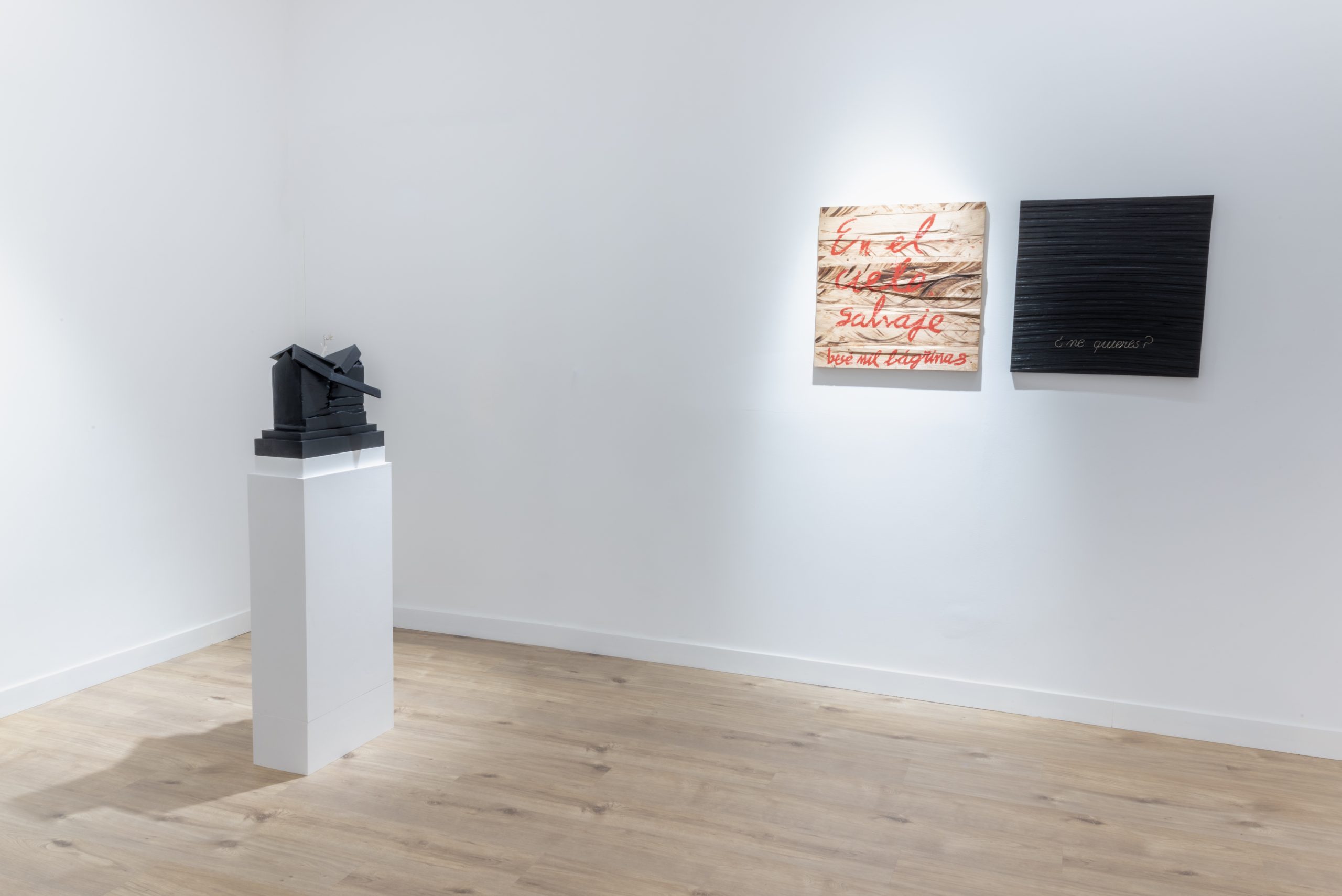
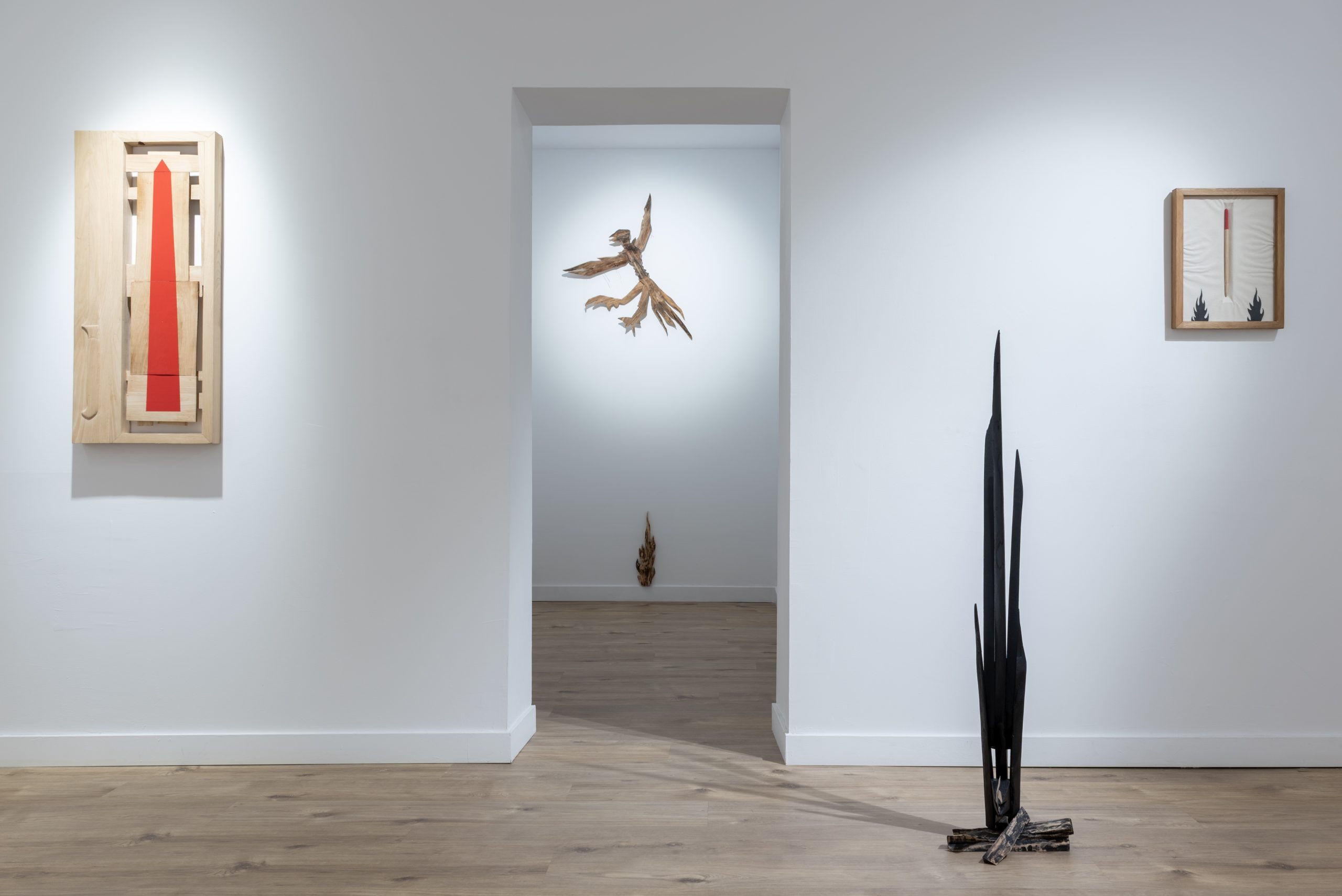
This seemingly simple theme conceals the great question of human existence, which appears to unfold in an exposition such as The echo of love, and the stillness of wings, by Adolfo Manzano (Asturias, 1958).
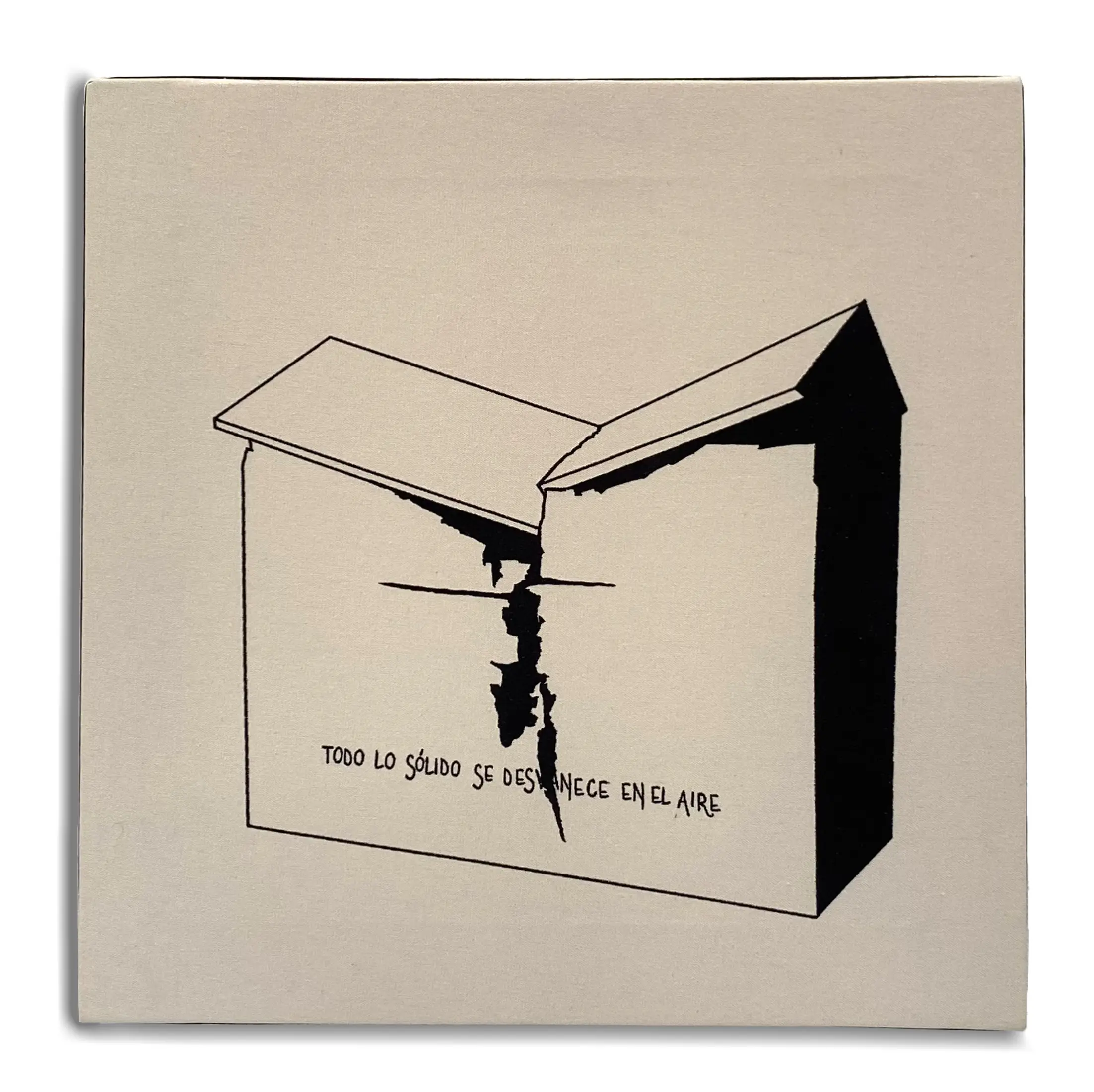
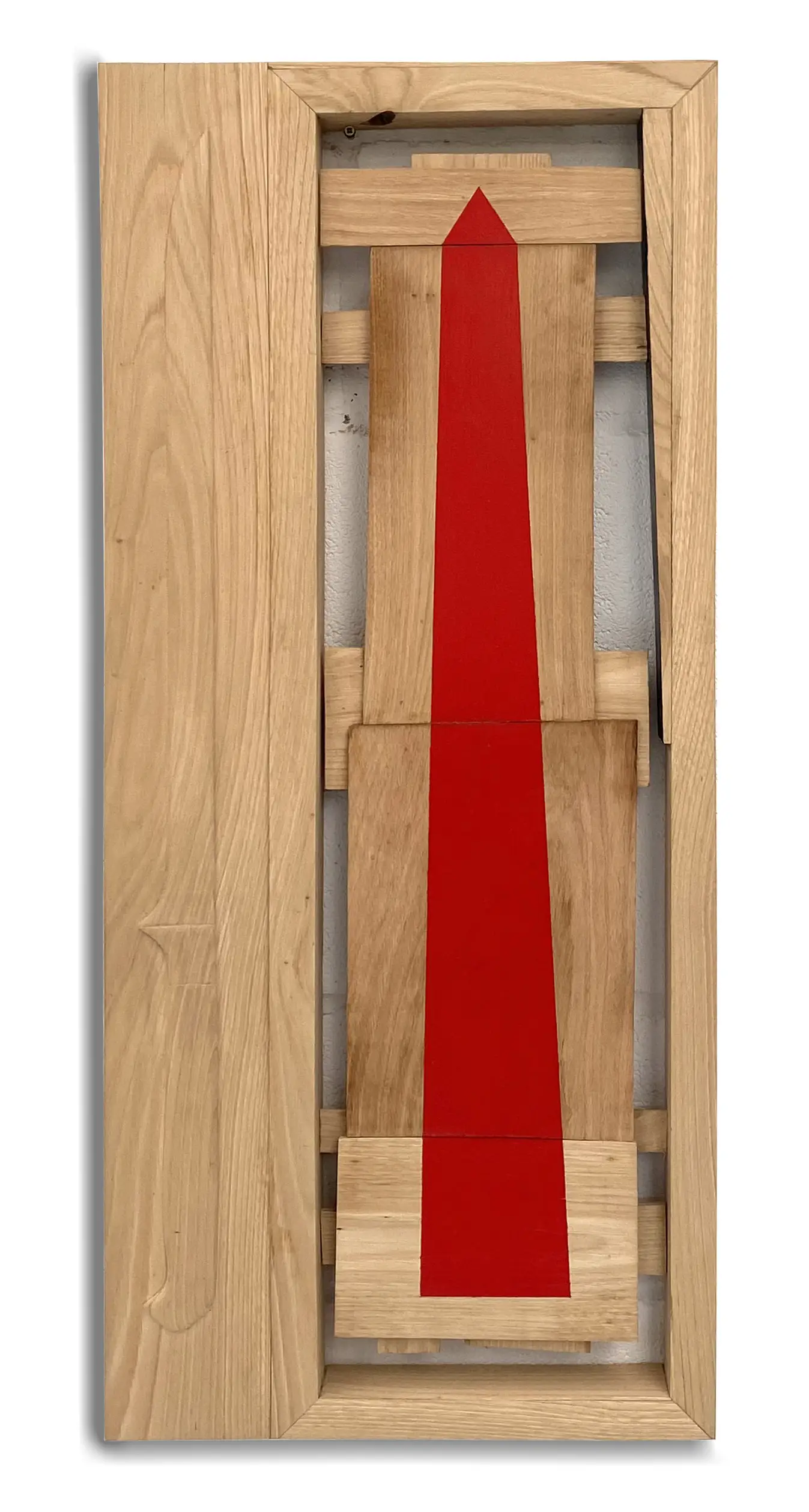
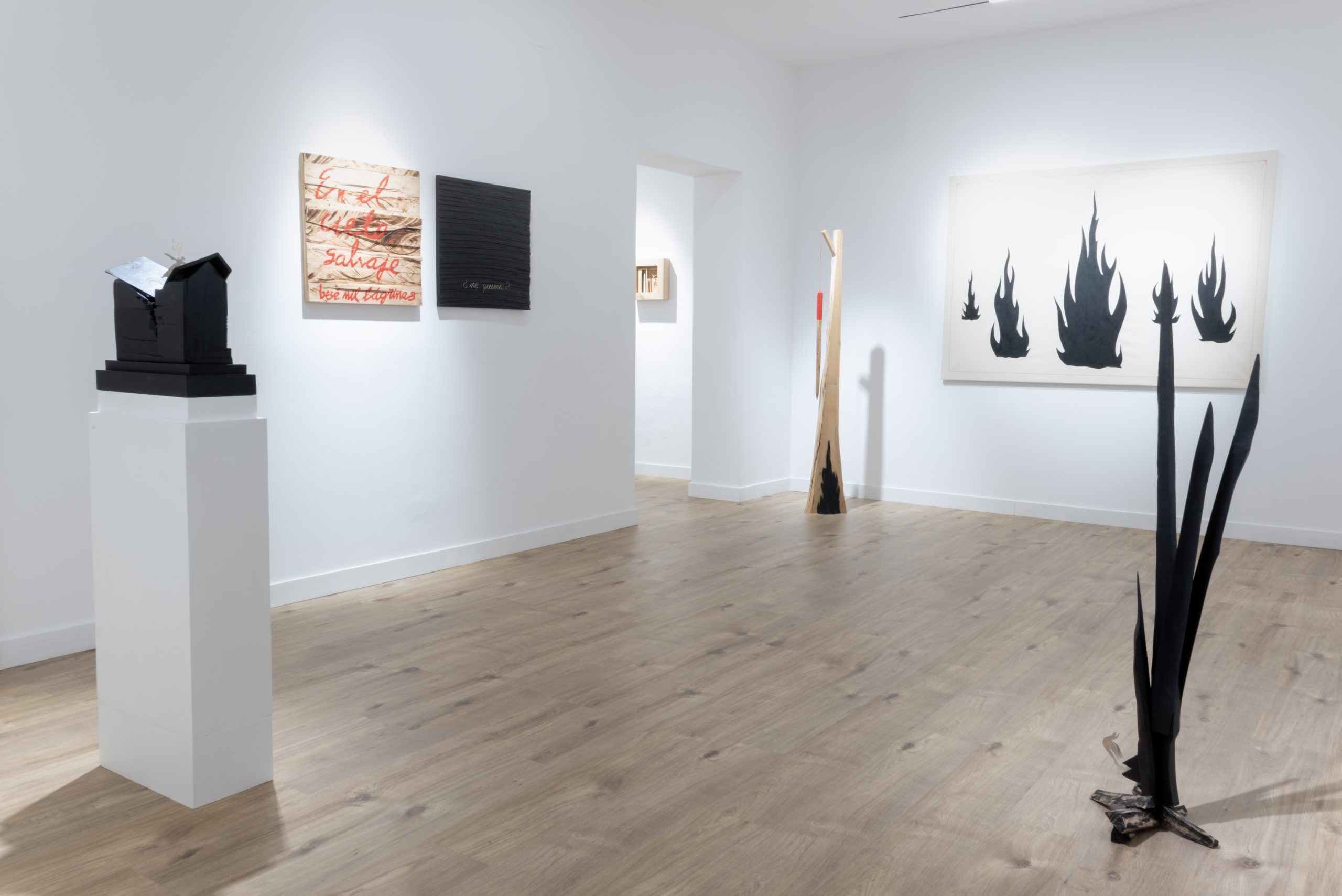
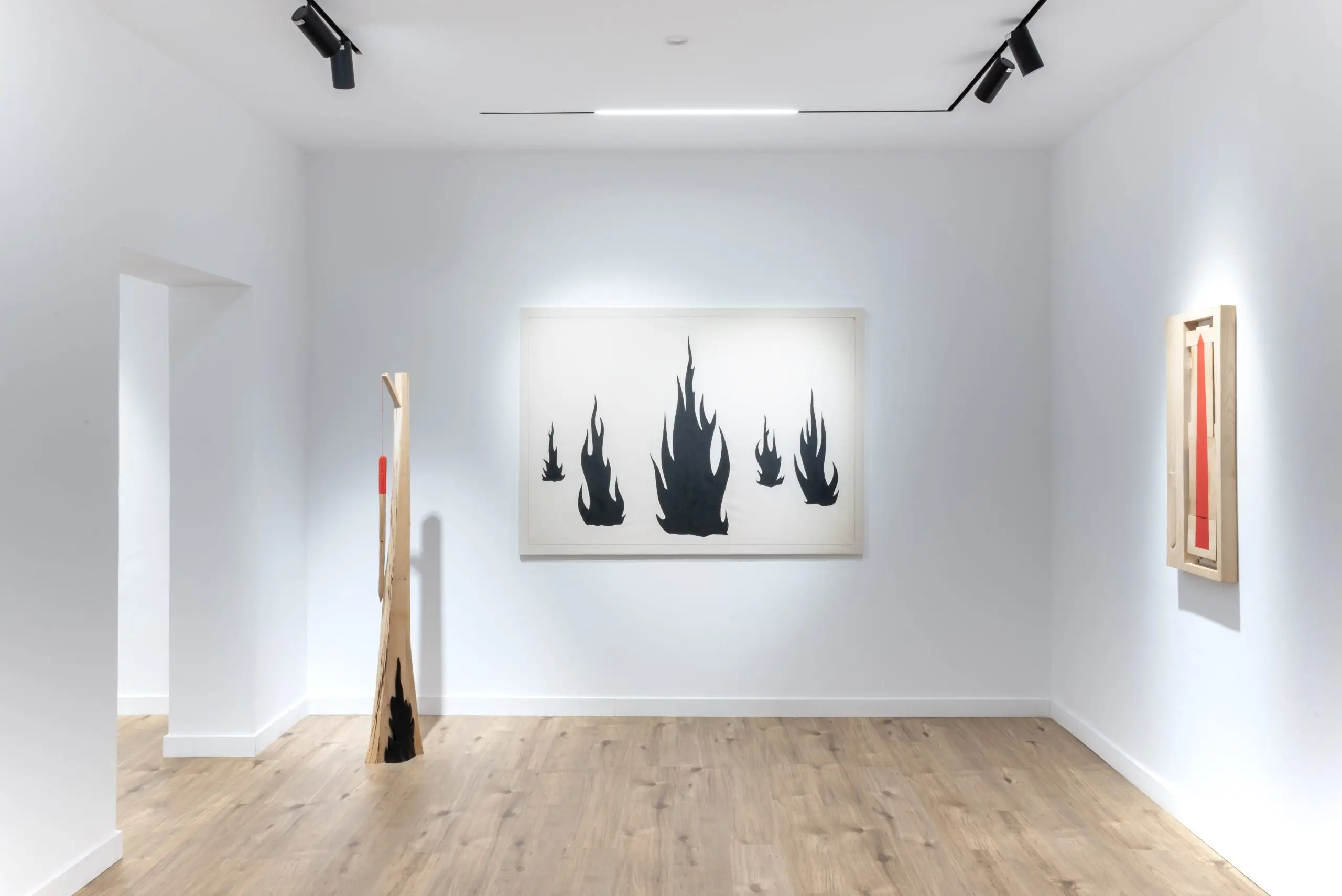
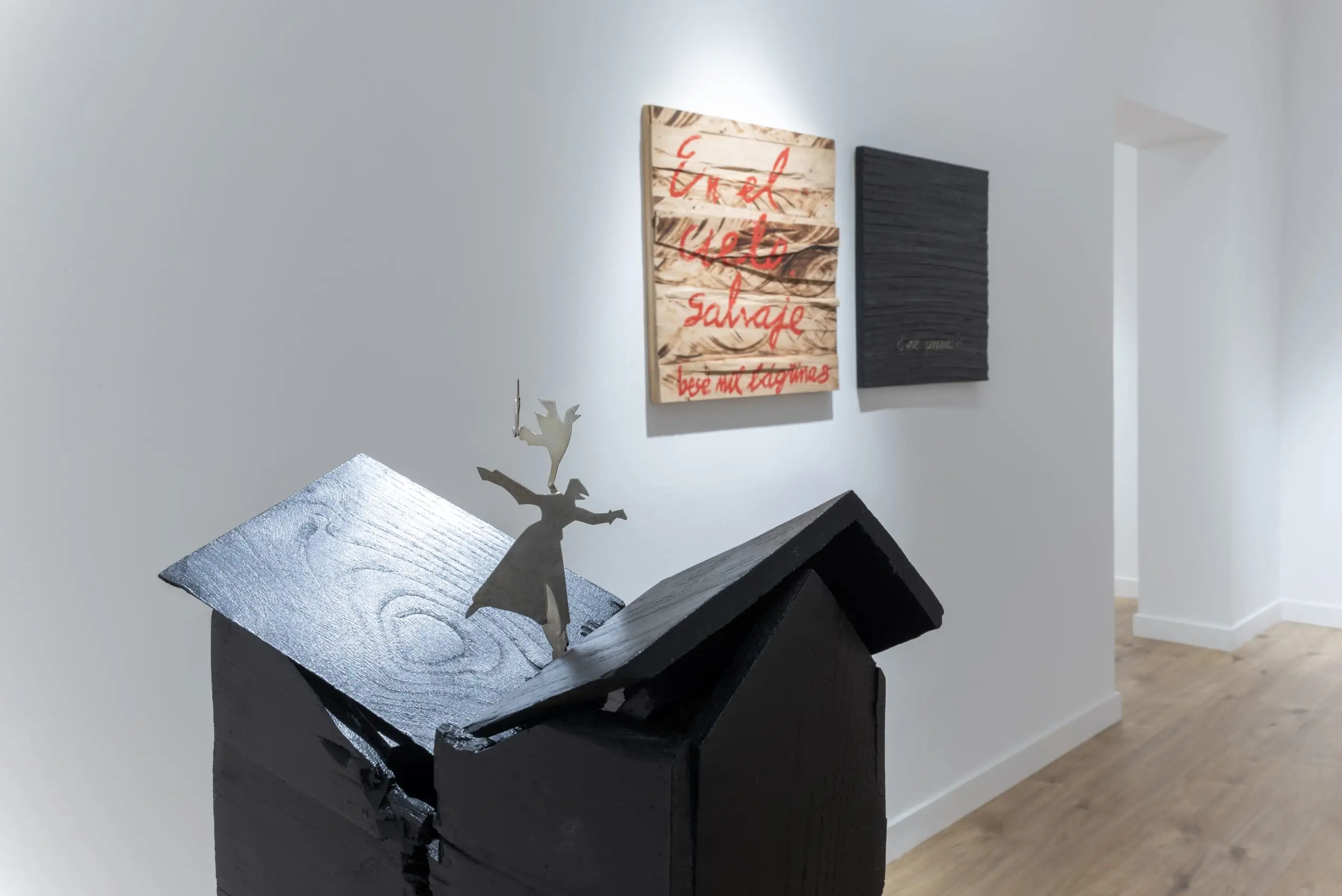
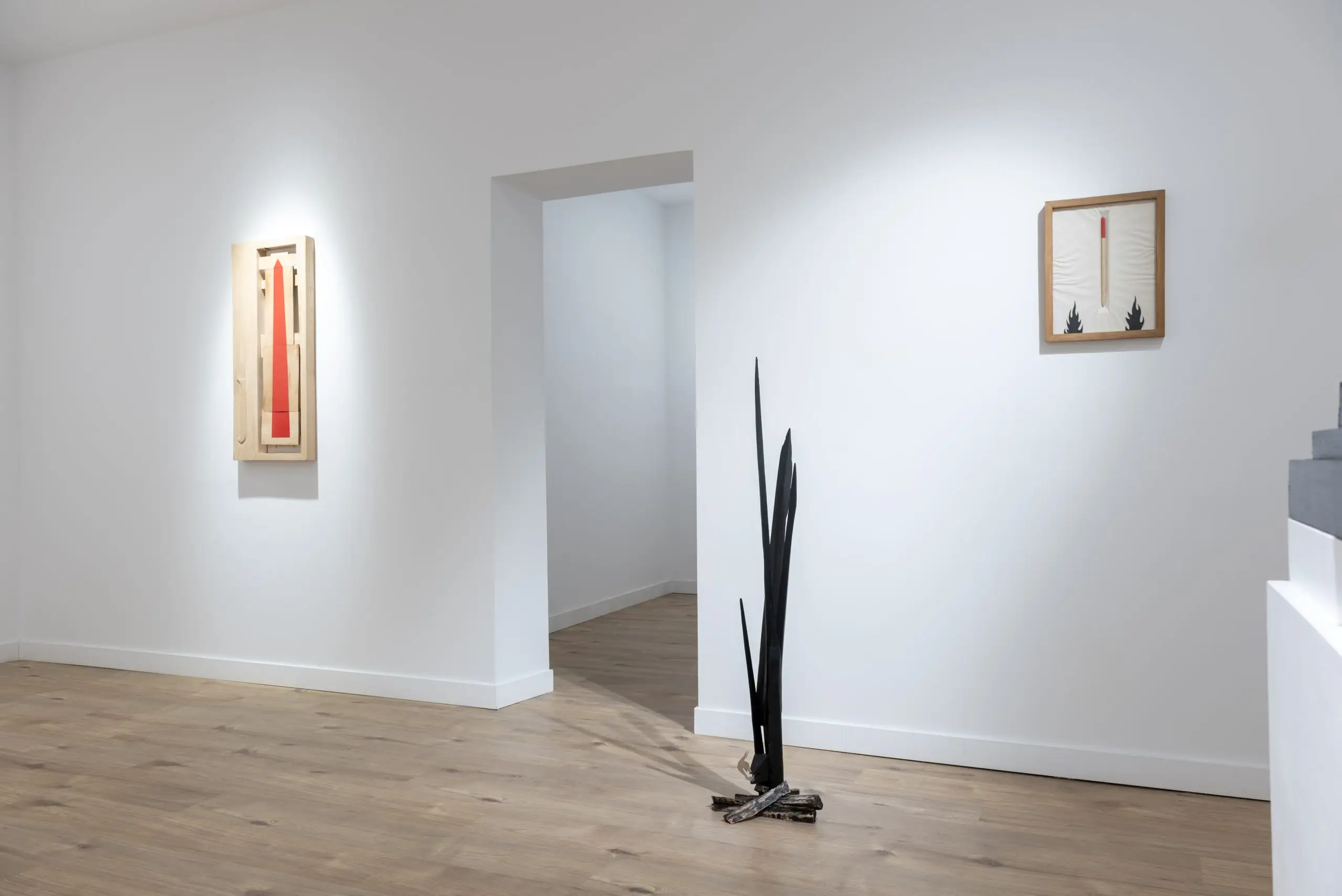
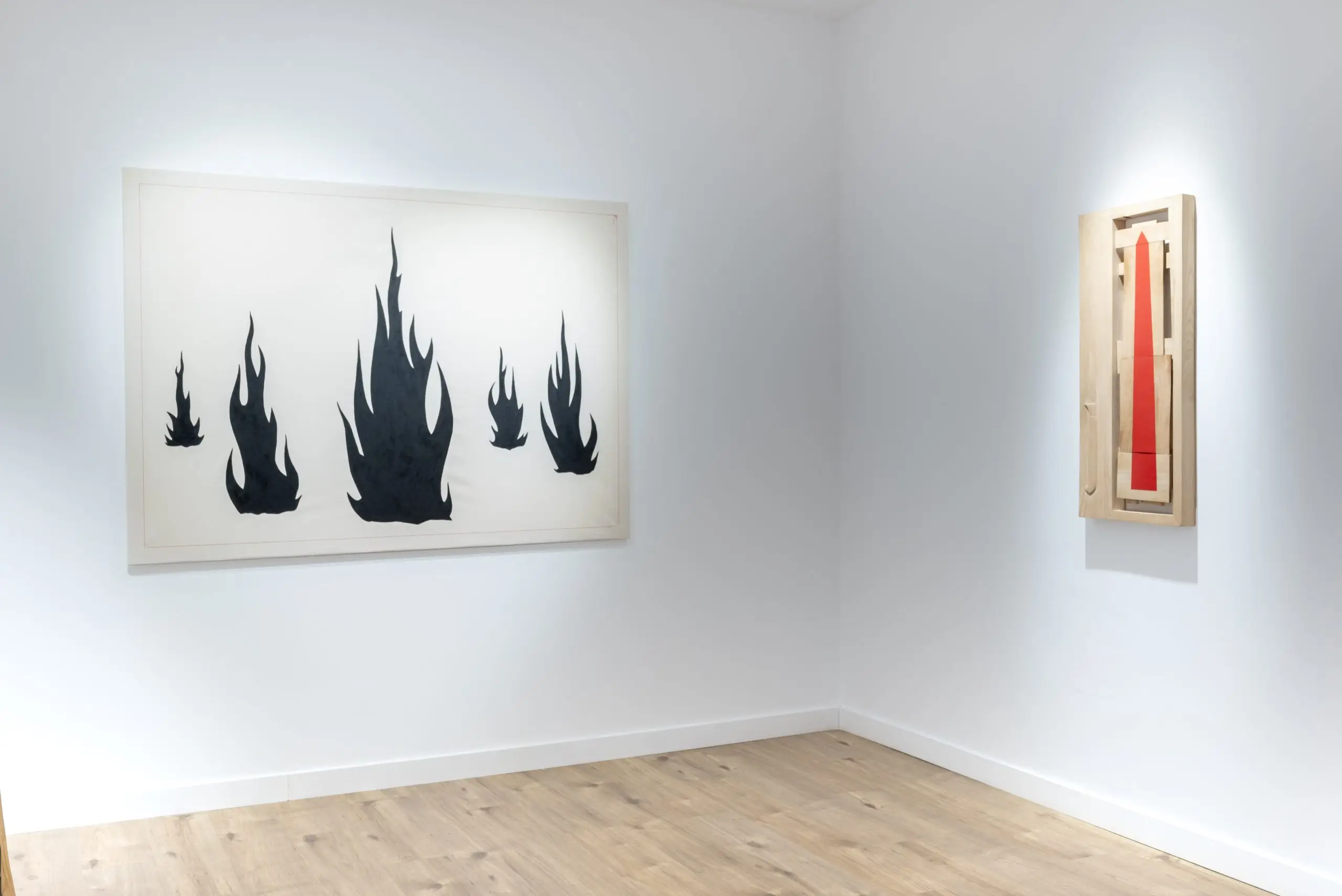
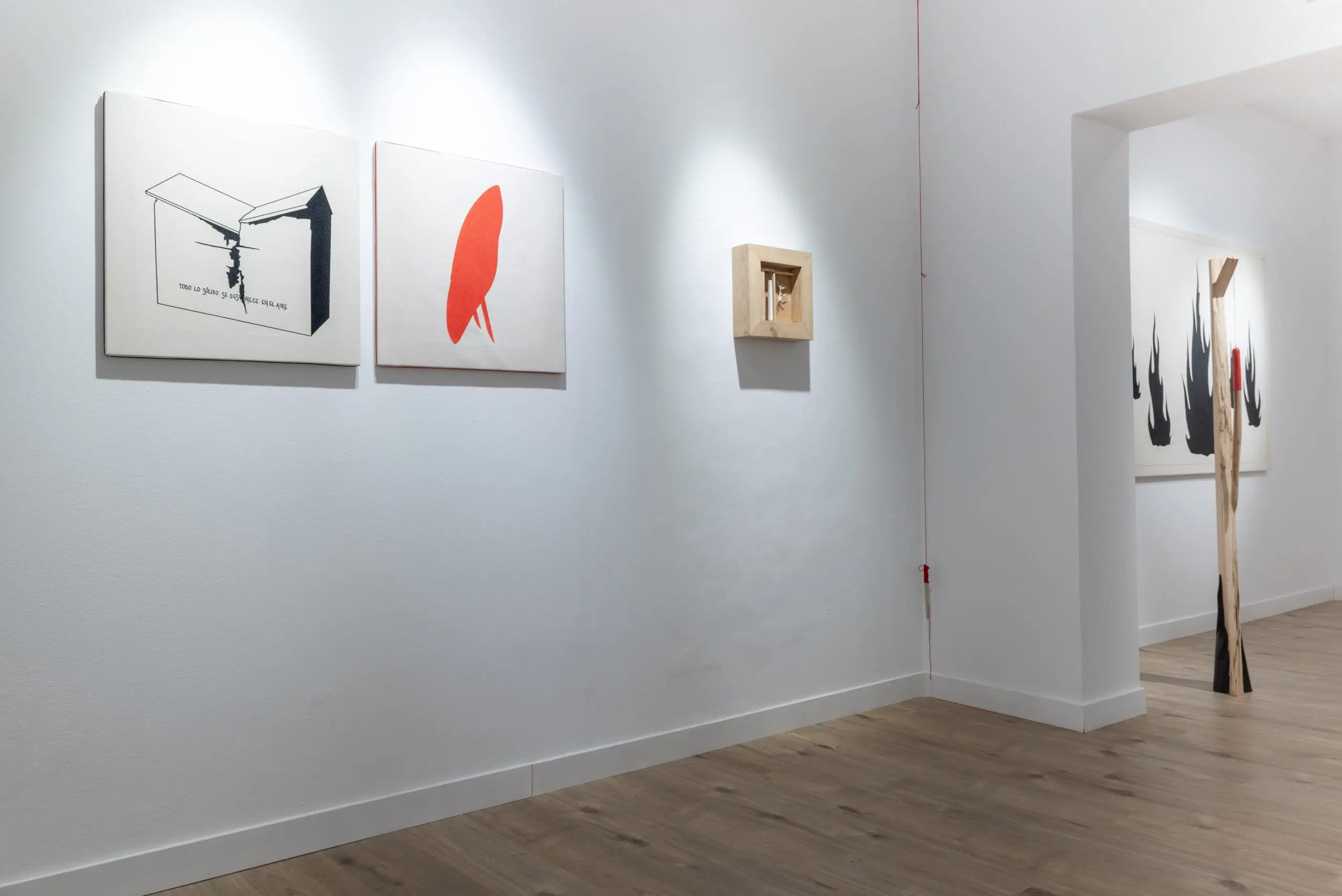
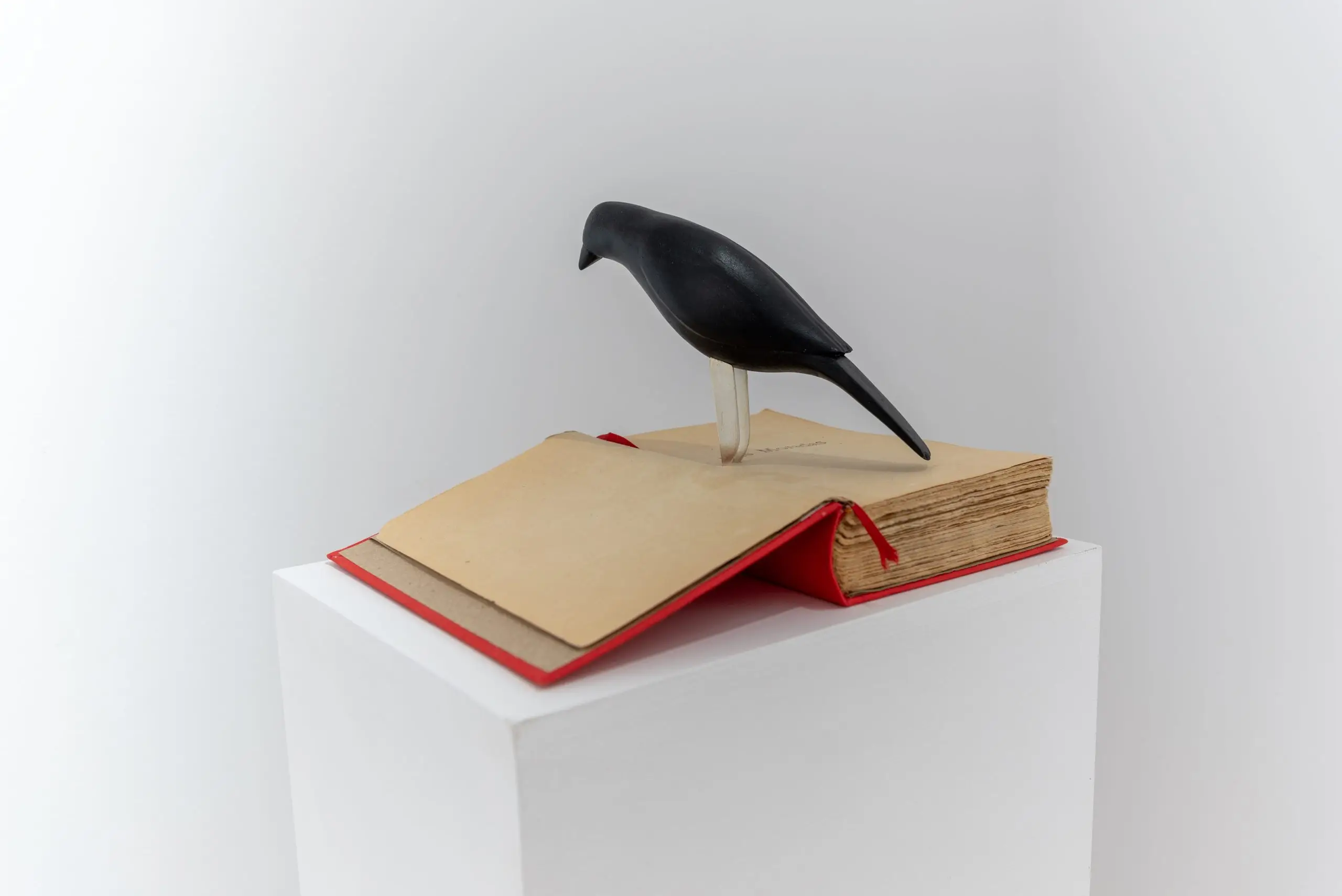
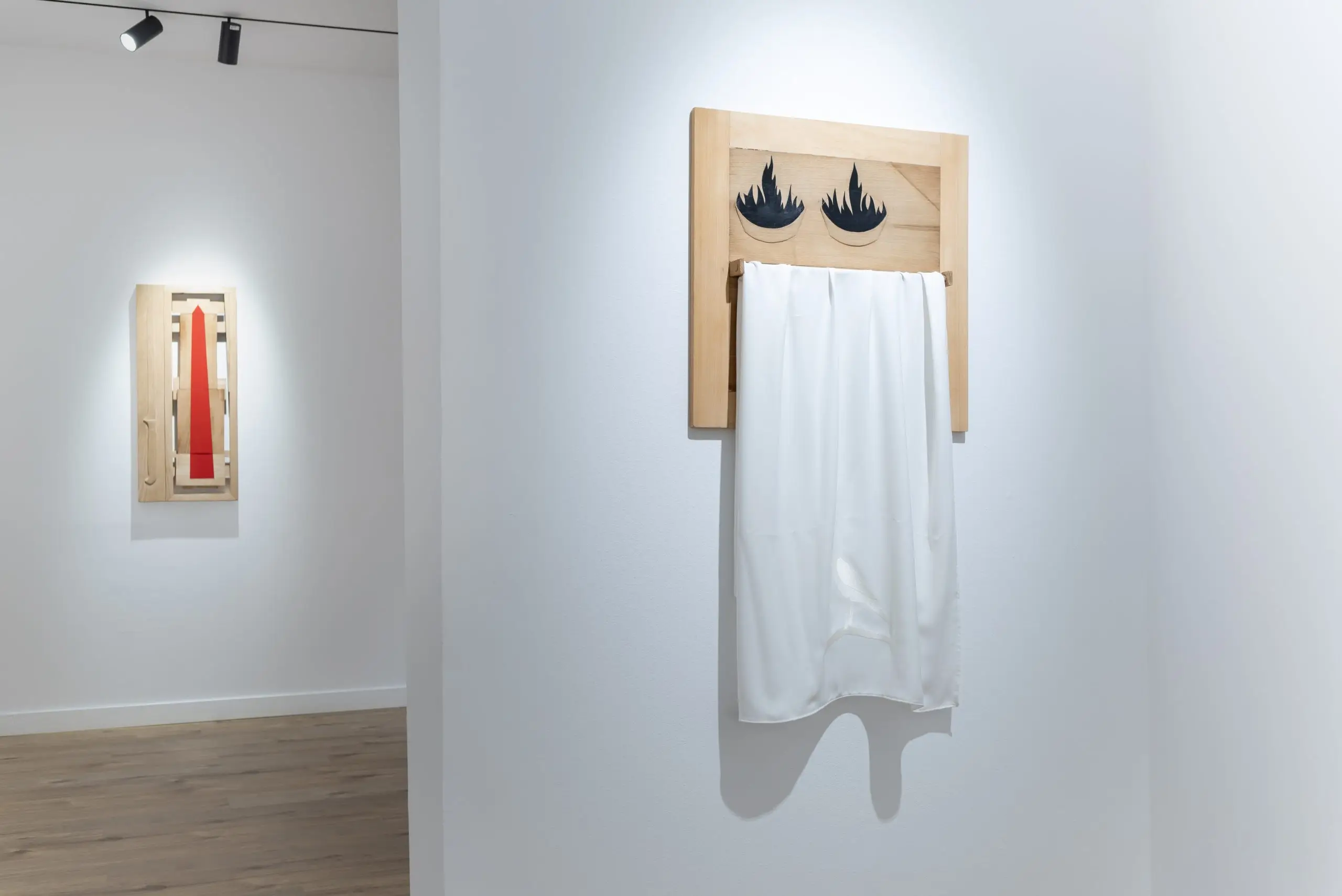
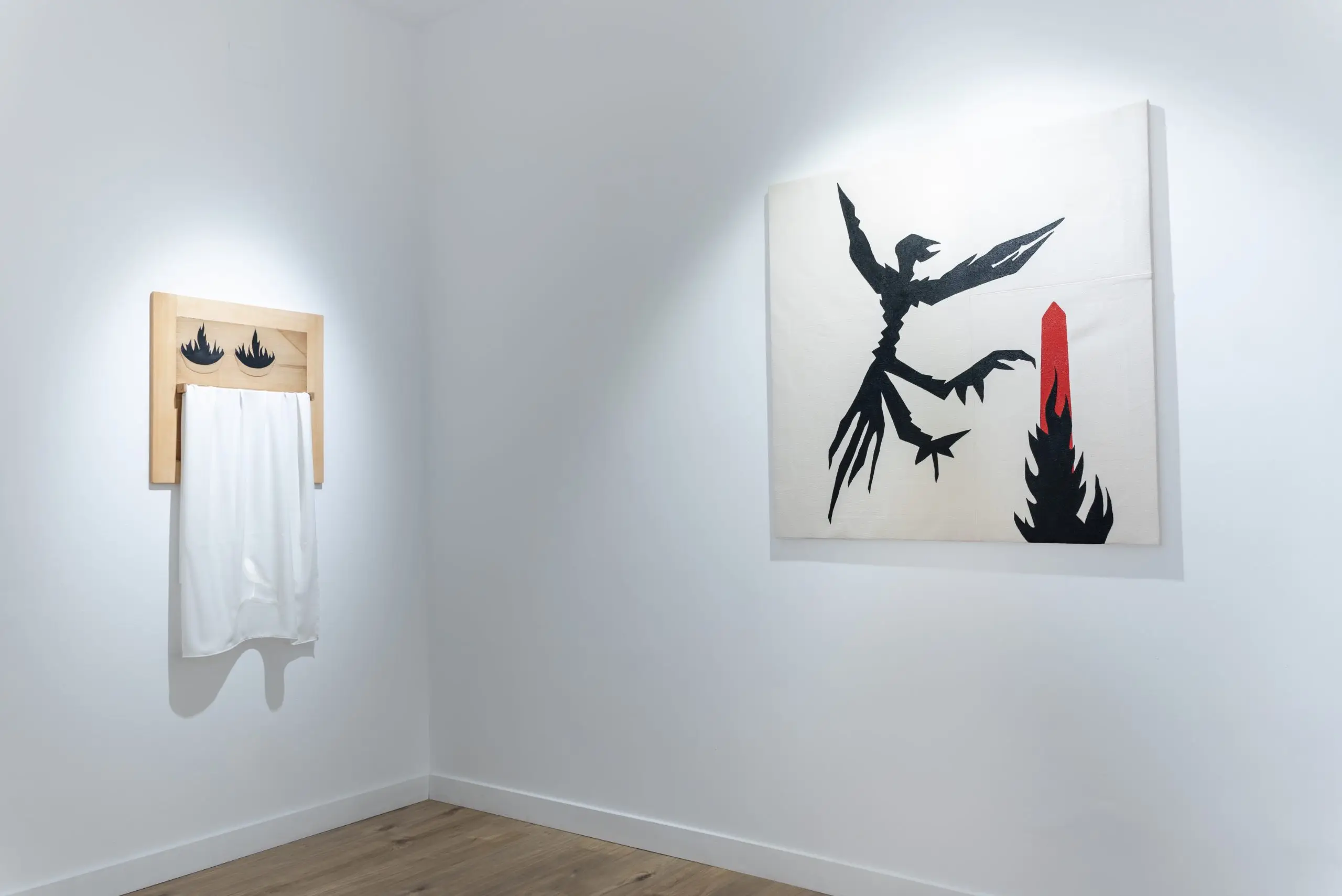
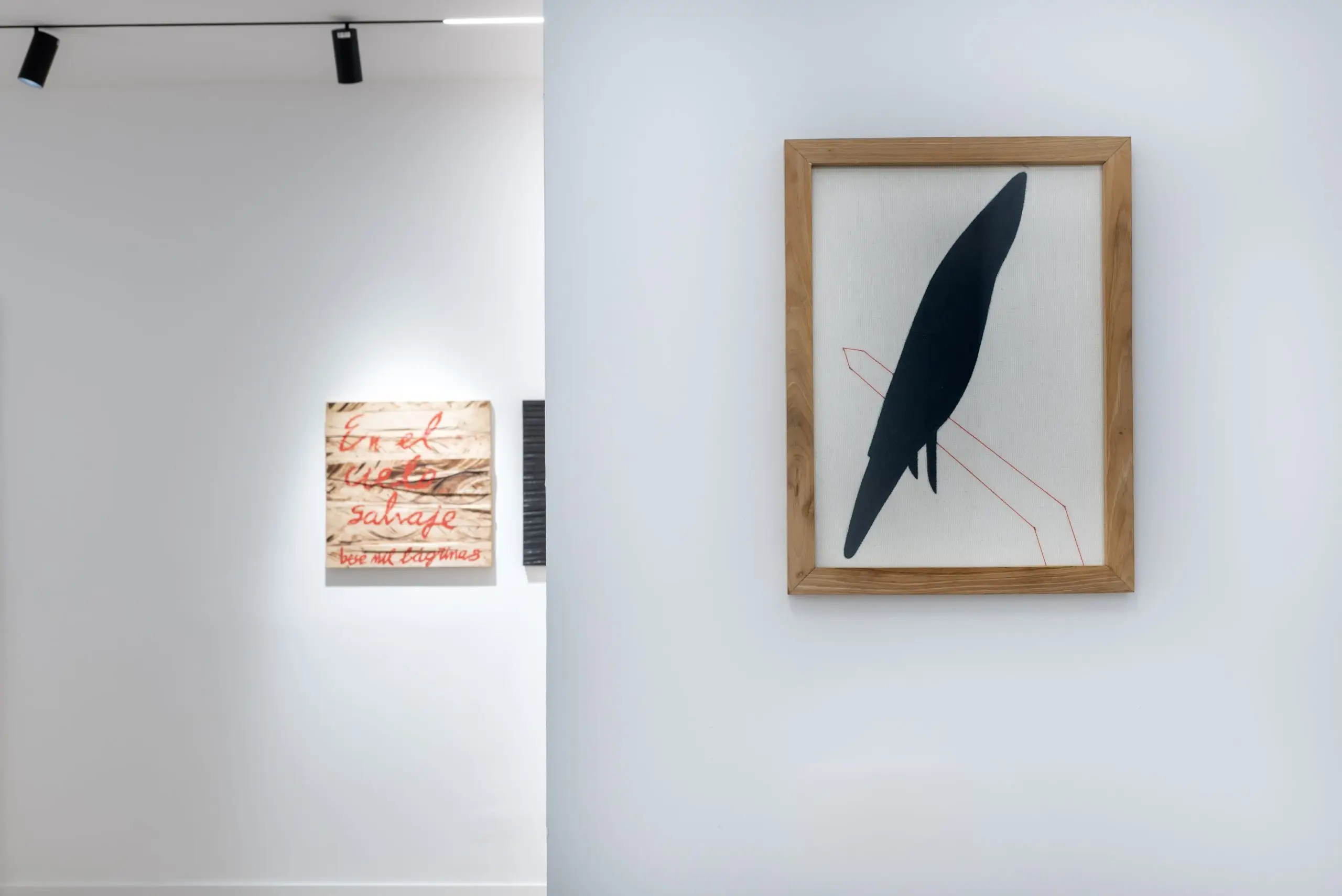
Birds, llamas, shadows, and angels take over the remains of a ruined house. Passion, desire, and subsequent loss have left behind a dilapidated landscape, yet one of suspicious delicacy and neatness, almost hurtful in its beauty.
If Manzano's work tells us about the founding myth of painting and sculpture through the story of Kora and Butades, it is through this same myth that Manzano manages to instill in us his idea of love and its manifestation in its different forms, since, as he himself has said: “I continue with the intention of addressing the theme of love and its loss, or perhaps better, loves and their loss, since it seems evident that loves are very different and varied. Love for one's partner, for one's children, for one's country or soccer team, for money, for knowledge (...)”.
Talking to Adolfo Manzano about this exhibition, I was surprised that an artist with such a long career would be interested in a subject that, from a more contemporary perspective, seems “old-fashioned” or “outdated.” yet his proposal encapsulates the symbolism of many of the ethical issues that are essential to human beings, which we avoid discussing directly because they seem useless or distant to us, or perhaps because of the complexities intrinsic to contemporary art, always hiding behind political and superfluous ideas in their supposed sharpness.
Needless to say, the definition of love and its expression has been for years the central axis that mobilizes and concerns our entire world of personal relationships, joys, and failures, and in the history of art and literature there are more than a few examples that have attempted to express its essence: Fragments of a Love Discourse by Roland Barthes, is one of the most beautiful and “encyclopedic” cases, where Barthes manages to draw and define the figure of the lover and the beloved as two sides of the same coin, and where these figures are constantly dismantled and recomposed through literary quotations, opera excerpts, or love letters. The suffering of the unrequited lover is held up to the mirror of his despair, as if never before had the drama of loss, or that of the impossibility of love, been analyzed with such harshness. It is here that the author intertwines moments of art, music, and literature, lavishing himself in hundreds of sonic, visual, or poetic forms to lay bare love before the world.
II
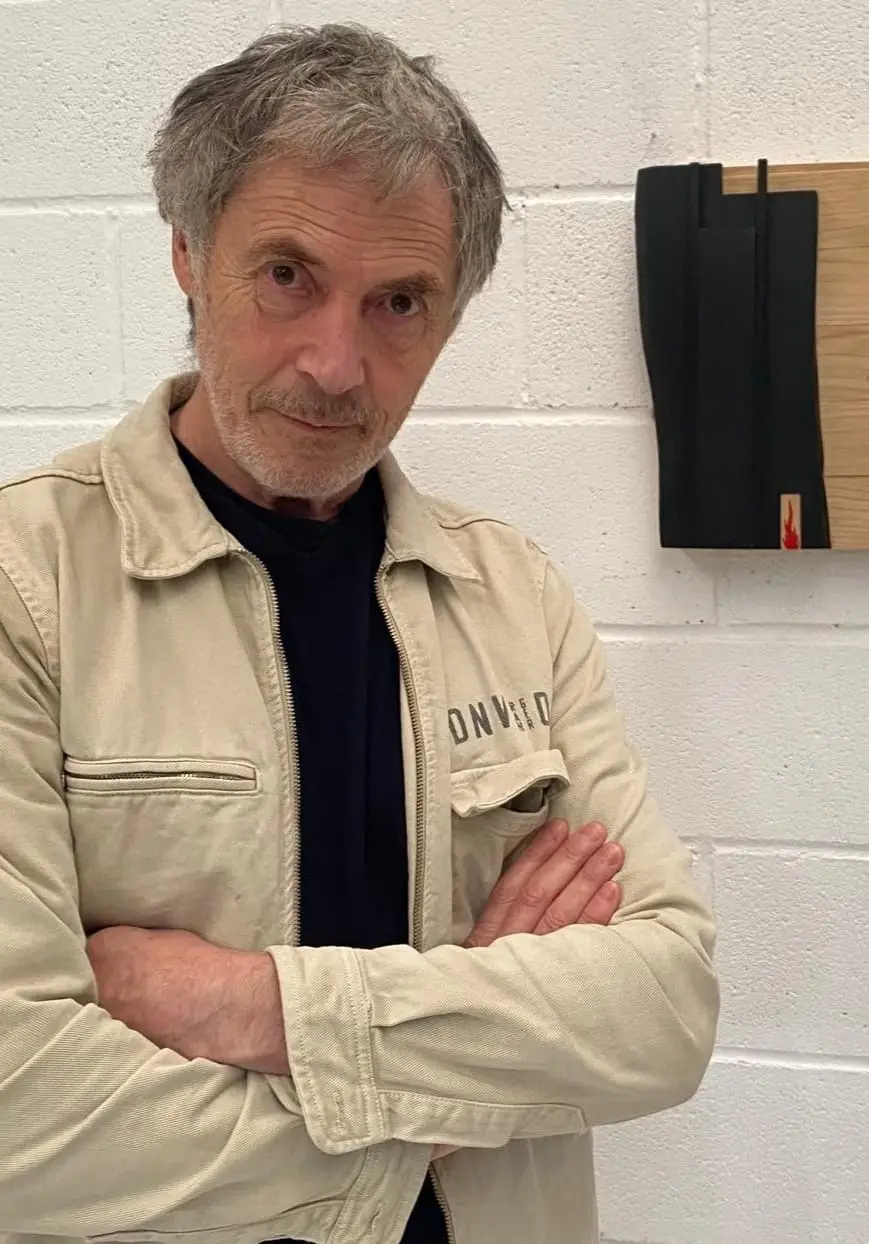
I have known Adolfo Manzano for thirty years, since he first arrived in Havana in 1994 for an artist residency in the midst of the Special Period.[2]. He was a unique and prominent figure in the Asturian art scene of the 1990s, which included artists such as Cuco Suárez, Ángel Nava, Pelayo Varela, Paco Cao, Avelino Salas, Gema Ramos, and Natalia Pastor, among others, whom I later met in Oviedo and whose teachings and influences remain some of my strongest emotional ties to art today. To mention one project, I remember the experiments at the Ego Art Center, consisting of a minimalist wooden sculpture or piece of furniture measuring 250 x 90 x 60 cm, where each artist could express or exhibit their ideas in this small or limited space... these were works that shaped my perception of conceptual and relational art in my early professional years.
Adolfo Manzano is, without a doubt, one of the figures who has maintained a steady presence while remaining at a “distance,” perhaps forced by circumstances or luck, as Fernando Castro Flórez said. For years, I continued to see his works at the Moriarty Gallery in Madrid and at the Arco fairs, which later gave way to the well-known regional isolation of art in Spain. Even at that distance, Adolfo Manzano continued to build a body of work and a vision that was increasingly subtle and self-absorbed, almost bordering on the mysticism of Saint Teresa of Jesus, quoted in his work. The Dwellings.
For many reasons, I would like to assert that, more than ever, his work can resonate in the context of today's art, a context with a marked tendency to rediscover the essence of materials, the handling of forms, and the excellence and sophistication inherent in so-called “crafts” and good workmanship.
Fortunately, history and art history tend to constantly rearrange themselves and end up giving space to artists and works that deserve it, as I believe is the case with Adolfo Manzano.
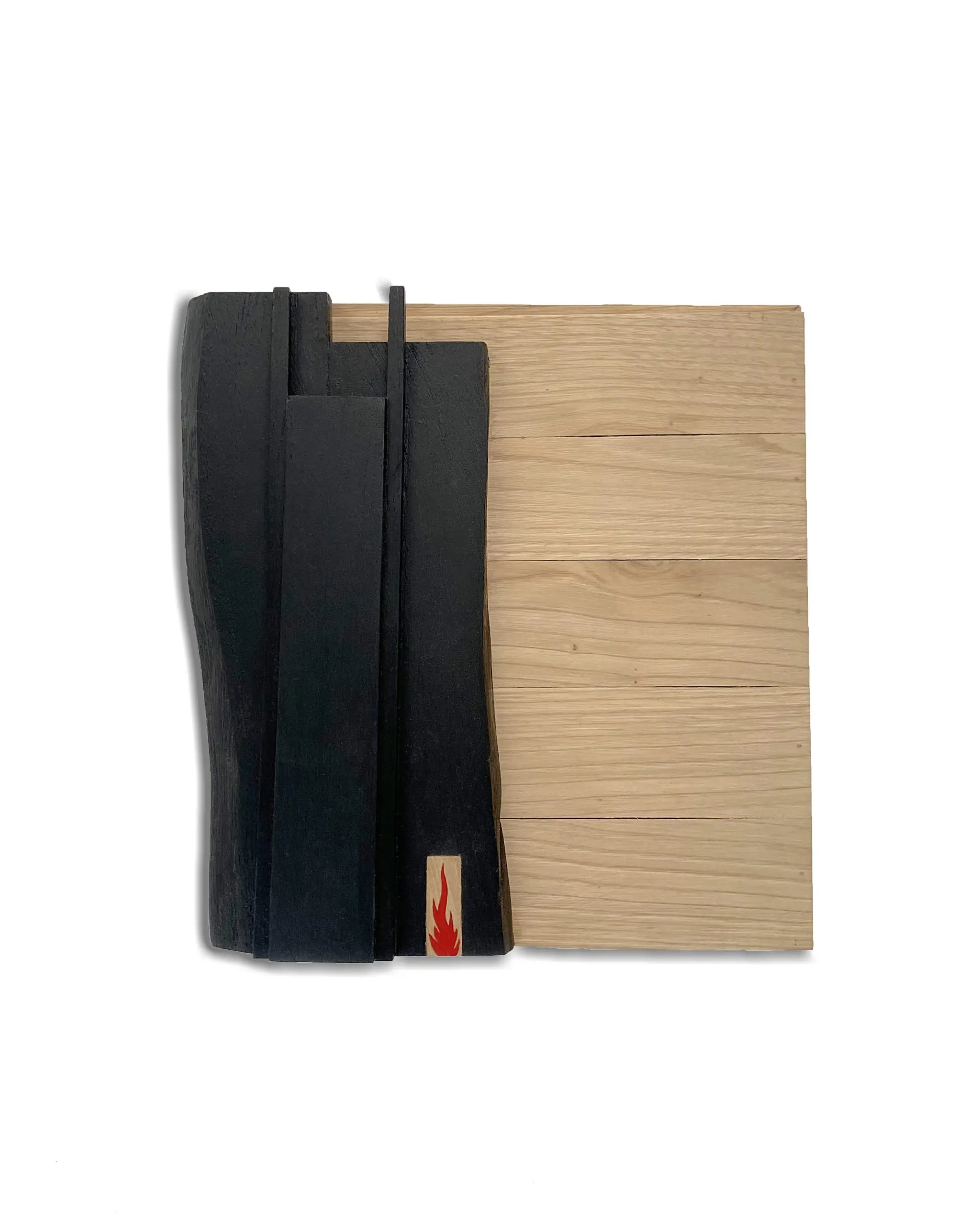
It is surprising to see and witness in his work today an encounter with the primal nature of forms, echoed in his use of raw wood, almost untreated or unprocessed, fabric or embroidered cloth with its religious links to so many cultures, as well as silver or graphite drawings, with no other mediator than a stark and unapologetic symbolism that seeks to convey and ask us directly: how can we find what we call happiness in our lives? What encourages us to continue insisting, almost mystically, on art as a vehicle to restore our faith in others and in ourselves? How can we achieve that perfect balance of love, happiness, and kindness that we humans dream of and pursue so much?
As we stand today, constantly confronted with indifference, hatred, wars, and the most childish disputes that constantly lead to death and misery, where can we find the answer that will enable us to avoid these destructive cycles?
The question is so simple that it seems naive: How can we be happy?
Let us simply gaze down from our height into the abyss of language and allow ourselves to be carried away by this moment where art insists on revealing essences and paths.
Carlos Garaicoa, Madrid, November 2025
[1] Borges, Jorge Luis. “On the Classics.” Complete Works IV, Ed. Emecé, Barcelona, 1996
[2] Euphemism for the first major political and economic crisis of the Cuban Revolution, which occurred after the collapse of the Socialist Bloc in the early 1990s.
– Carlos Garaicoa (Madrid, November 2025)
 EN
EN  ES
ES  IT
IT  FR
FR  ZH
ZH  PT
PT