Tangere
– Juan Francisco Rueda (Exhibition Curator)
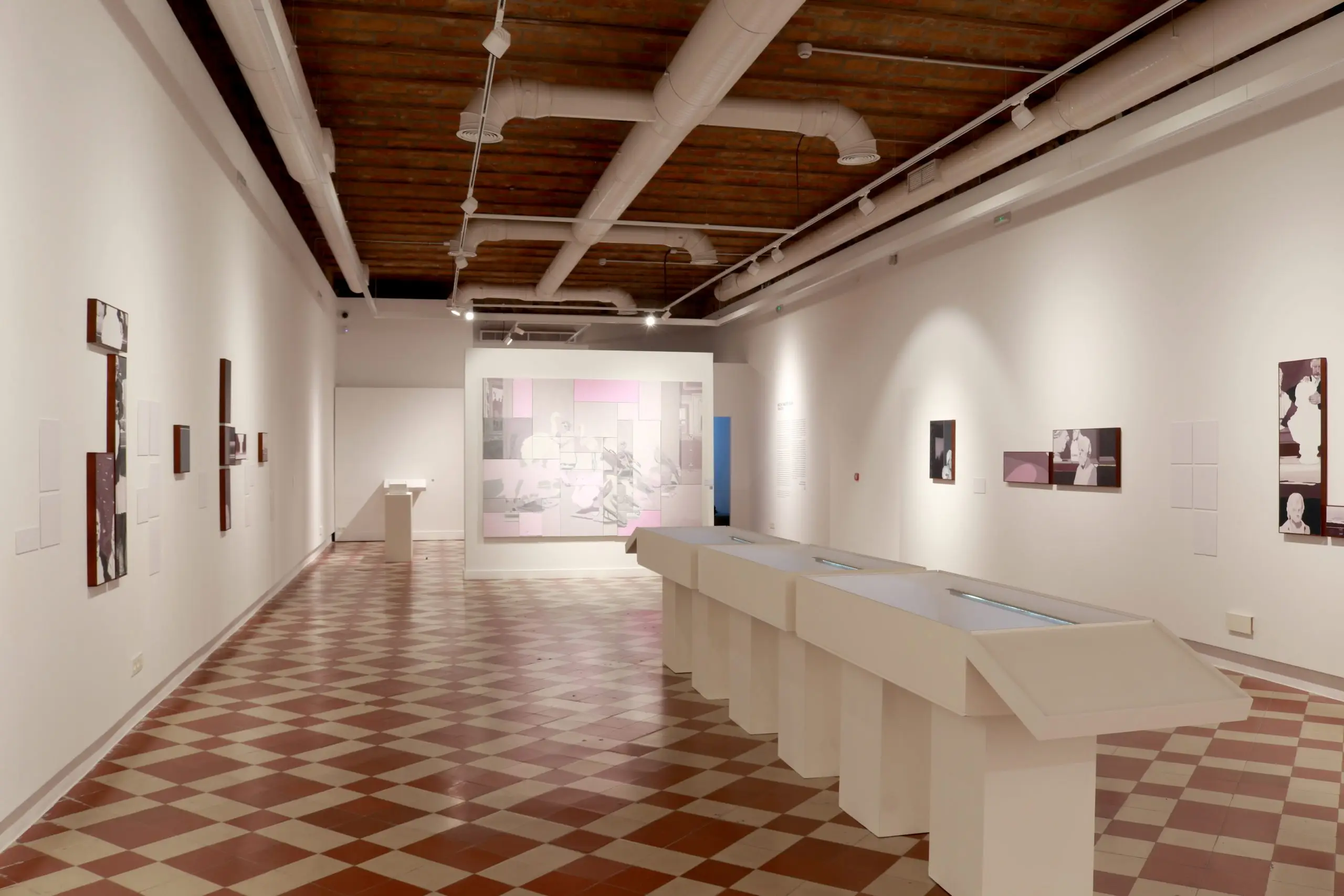
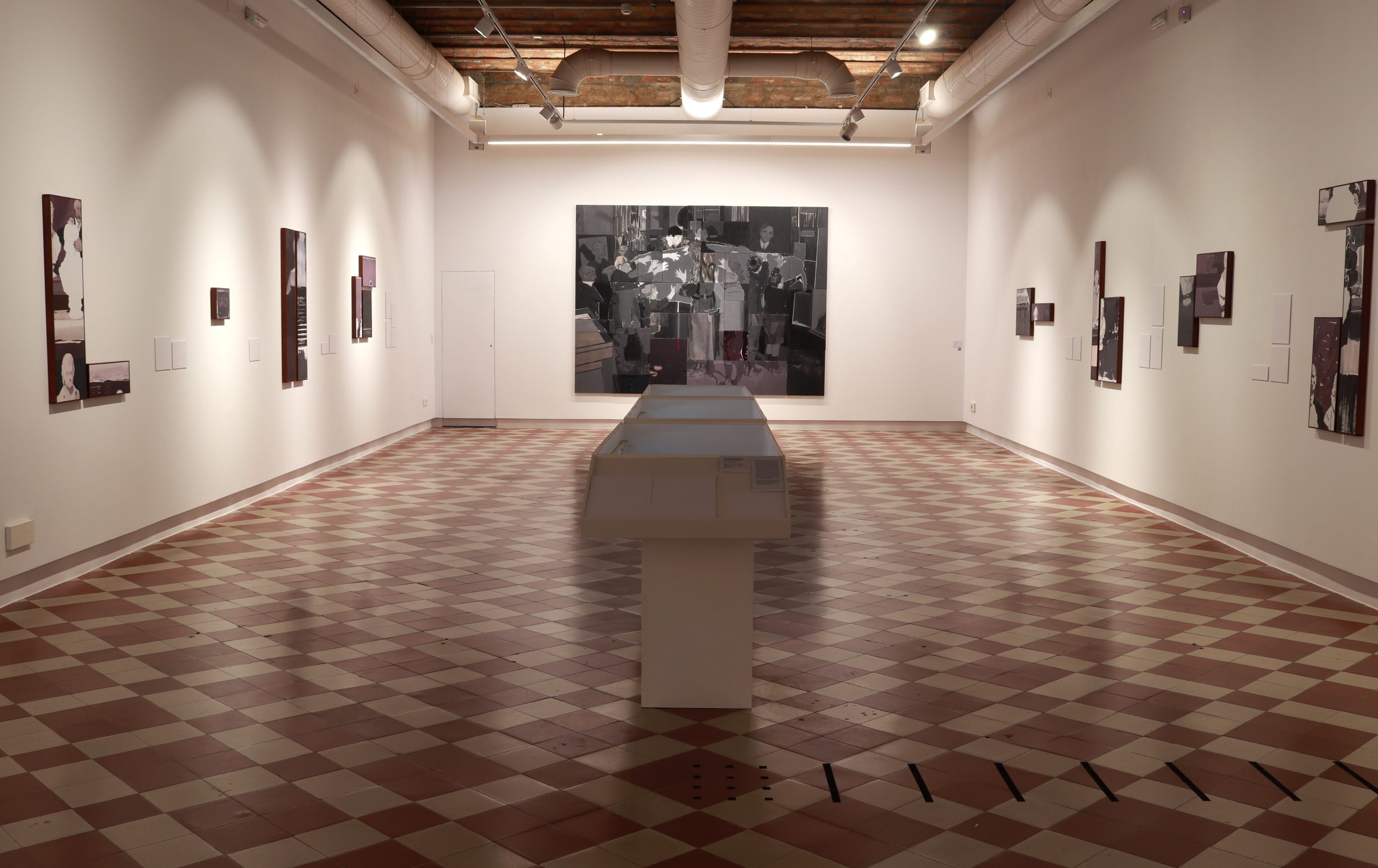
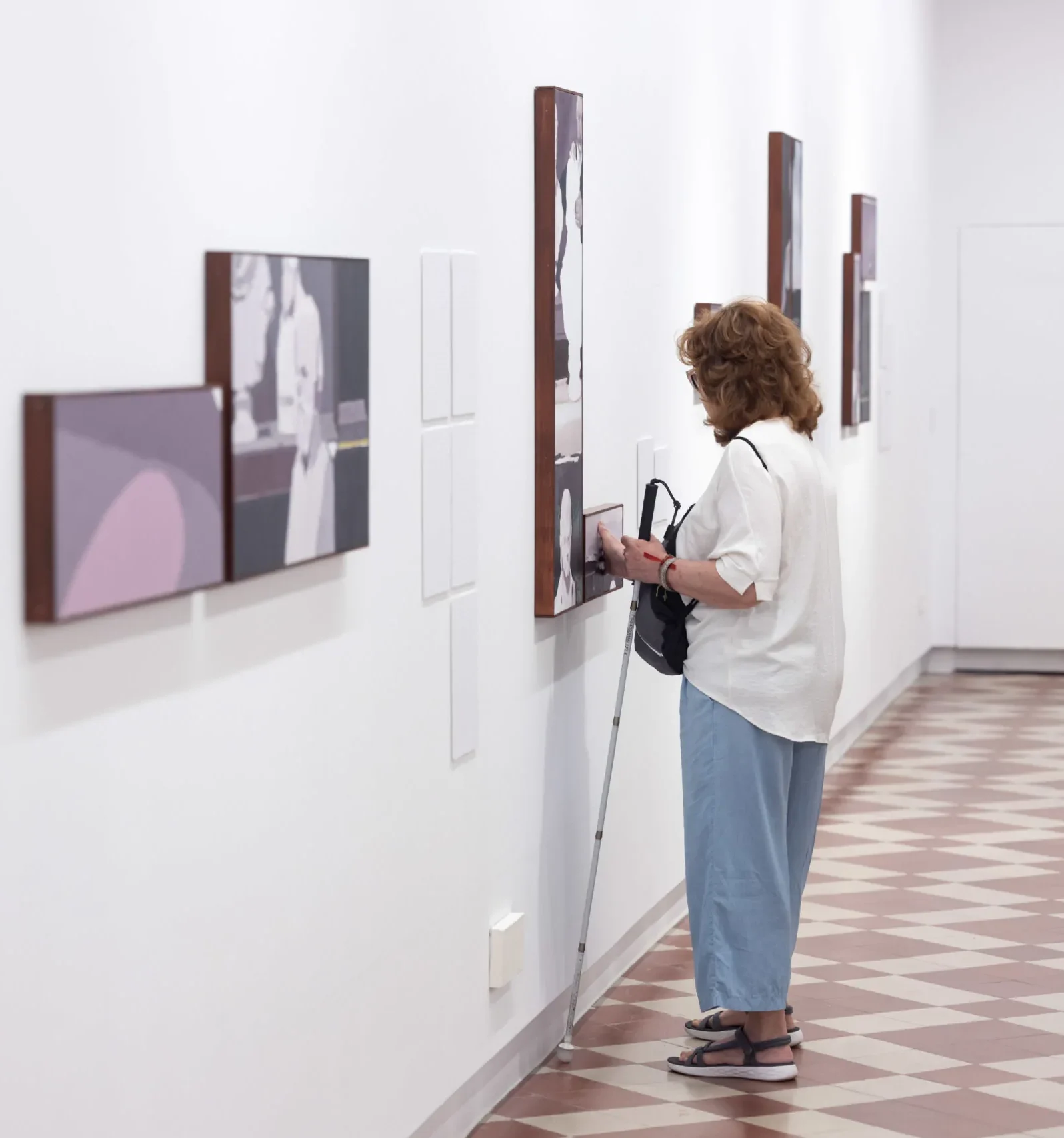
The Latin word «tangere» is the infinitive form of the verb “to touch,” “to reach,” or “to be in contact.” Derived from it are “tangible” (that which is physically or materially perceived upon being touched), “touch” (the sensory ability to touch), and “contact” (that which is touched or seeks to be touched). ‘Tangere’ is the title of Nacho Martín Silva’s exhibition at La Térmica. As an artist whose primary medium is painting—though not his only one—“tangere” serves as the title both because of the importance touch takes on in the research process of this project and as a reference to the history of painting, to the biblical passage from the Gospel of St. John, “Noli me tangere,” which various painters (such as Titian and Alonso Cano) depicted over the centuries. In this scene, the risen Jesus tells Mary Magdalene, “Do not touch me.” This episode has left us with numerous attempts in religious painting to touch, to make the presence tangible, and to cling to it. This exhibition unfolds between the ability to see and the inability to do so, and between the ability to touch and the inability to do so.
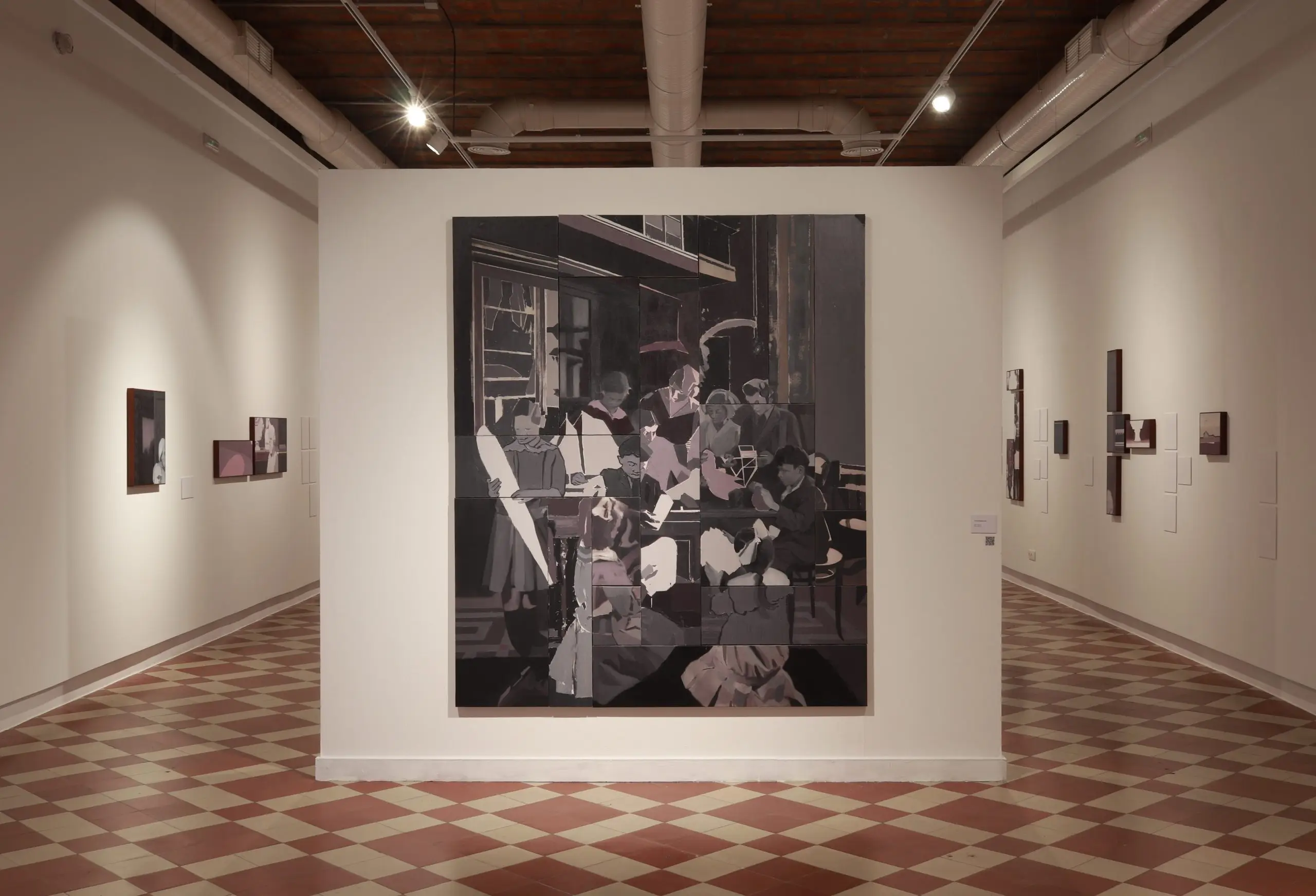
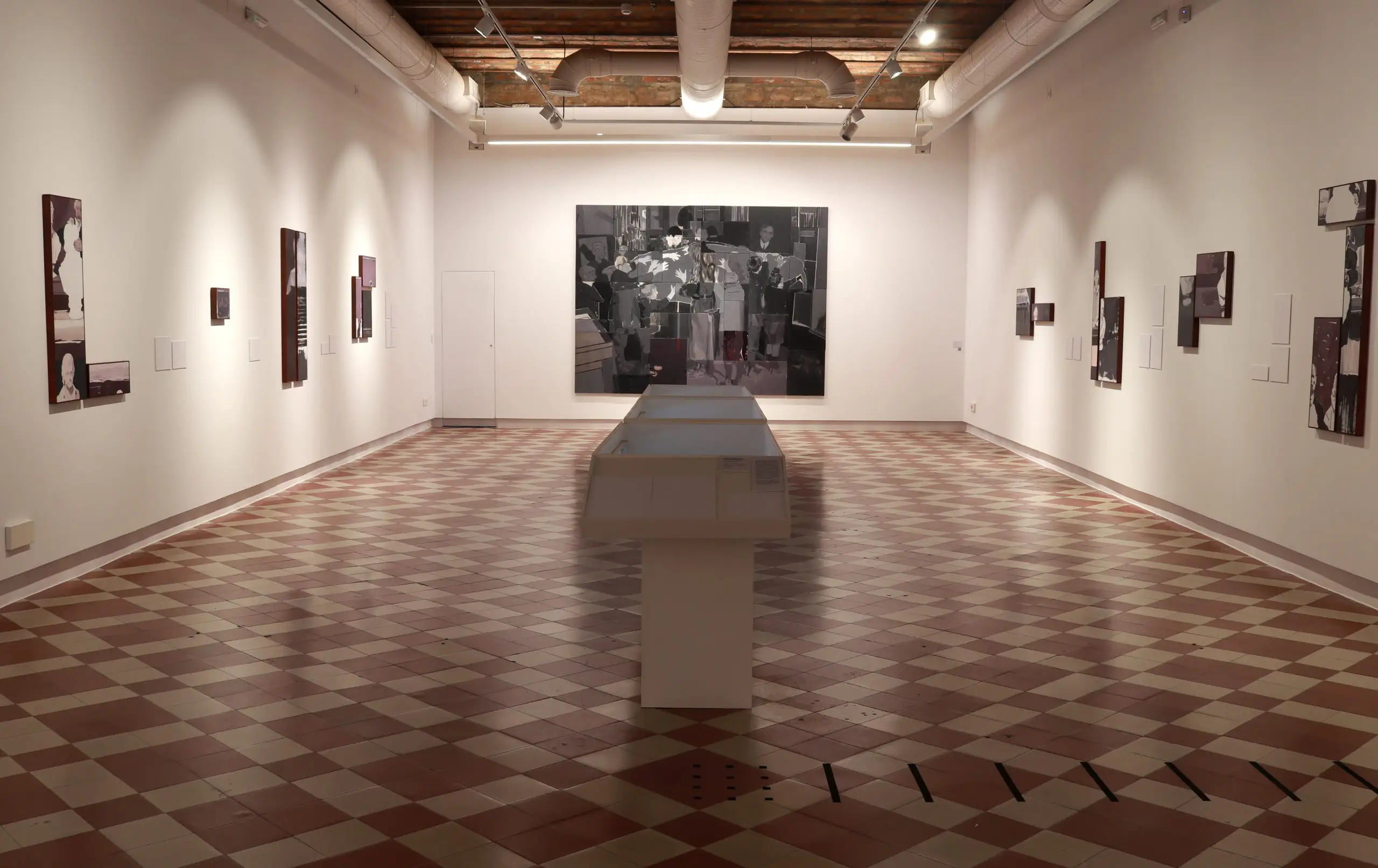
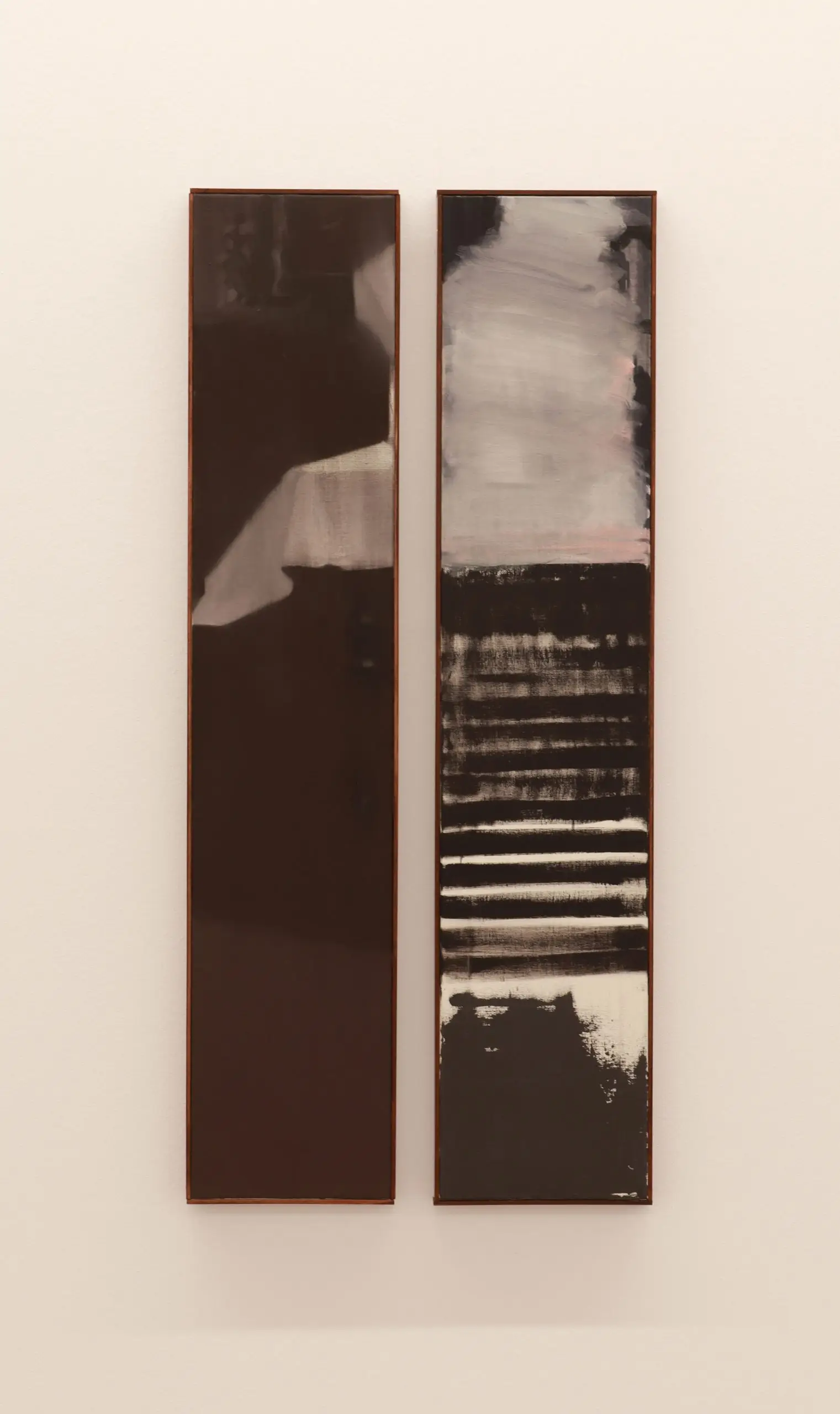
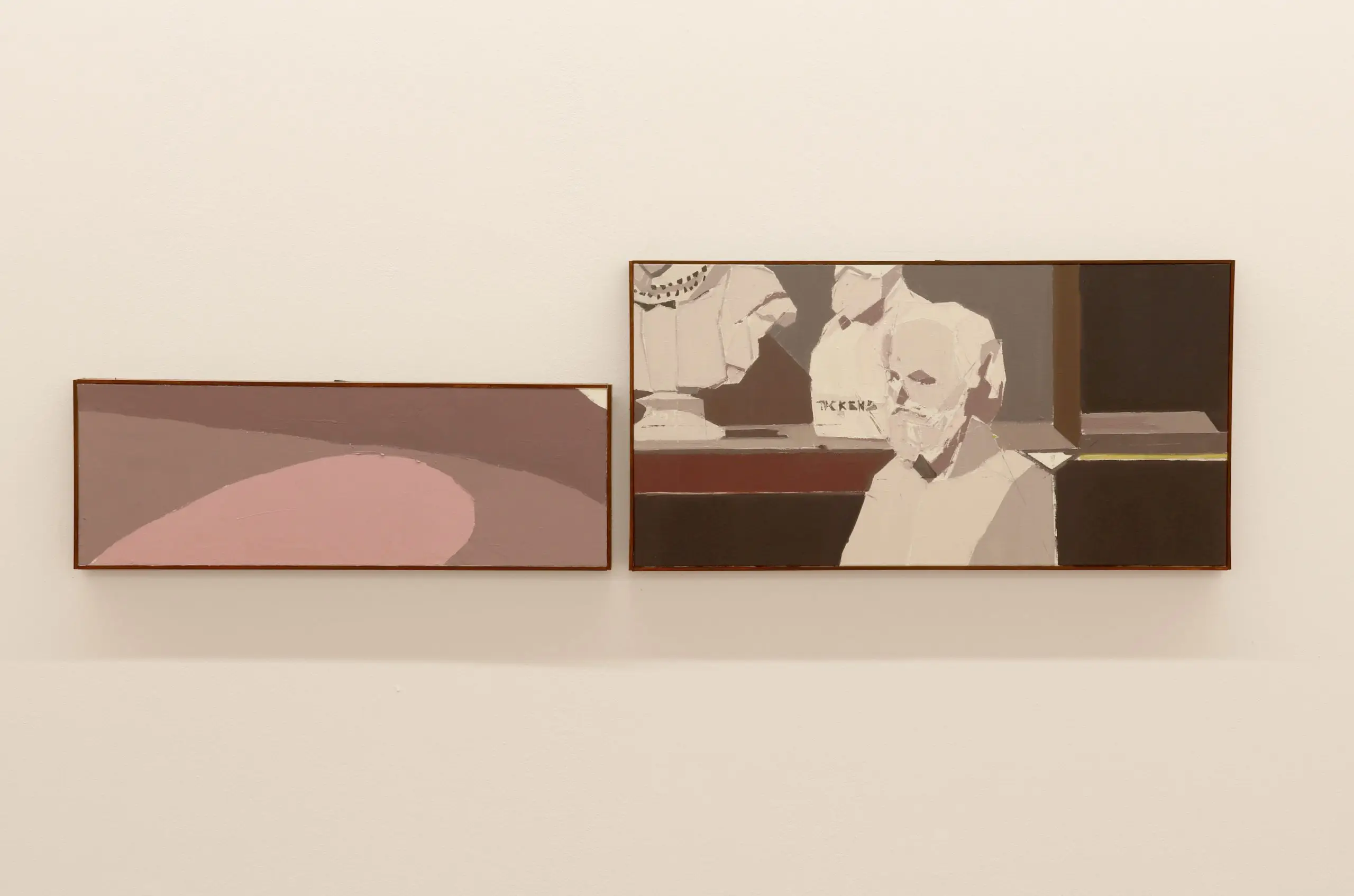
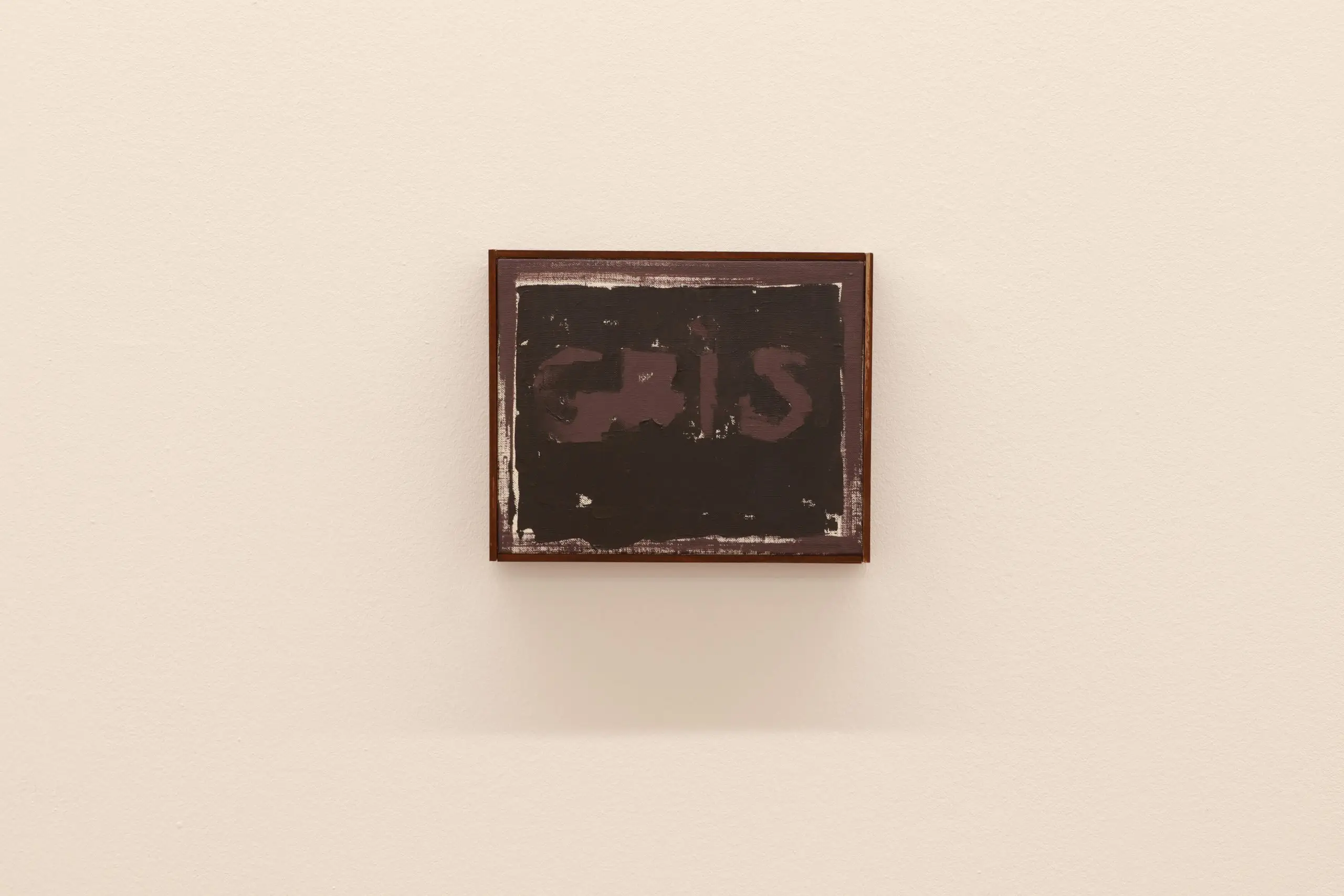
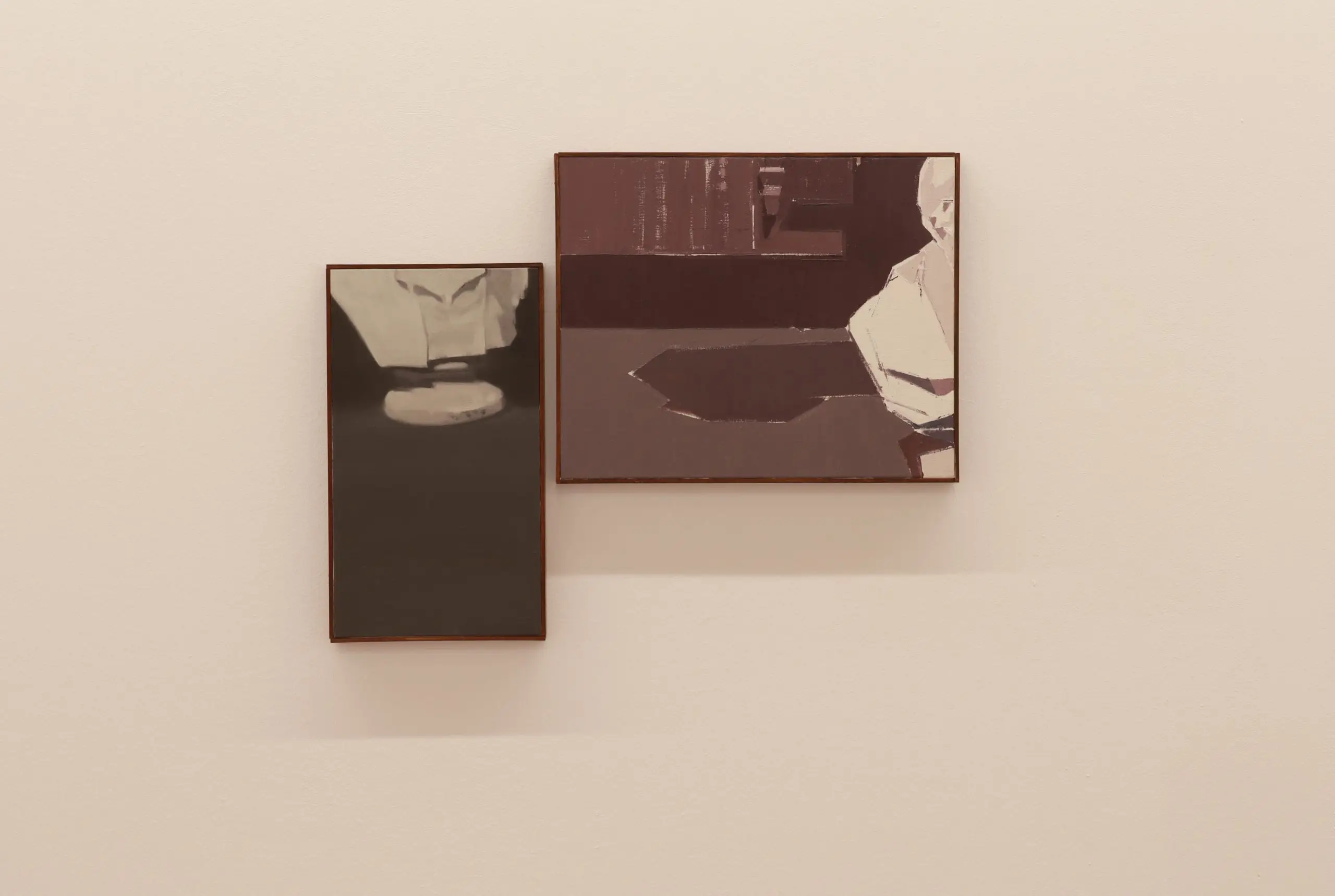
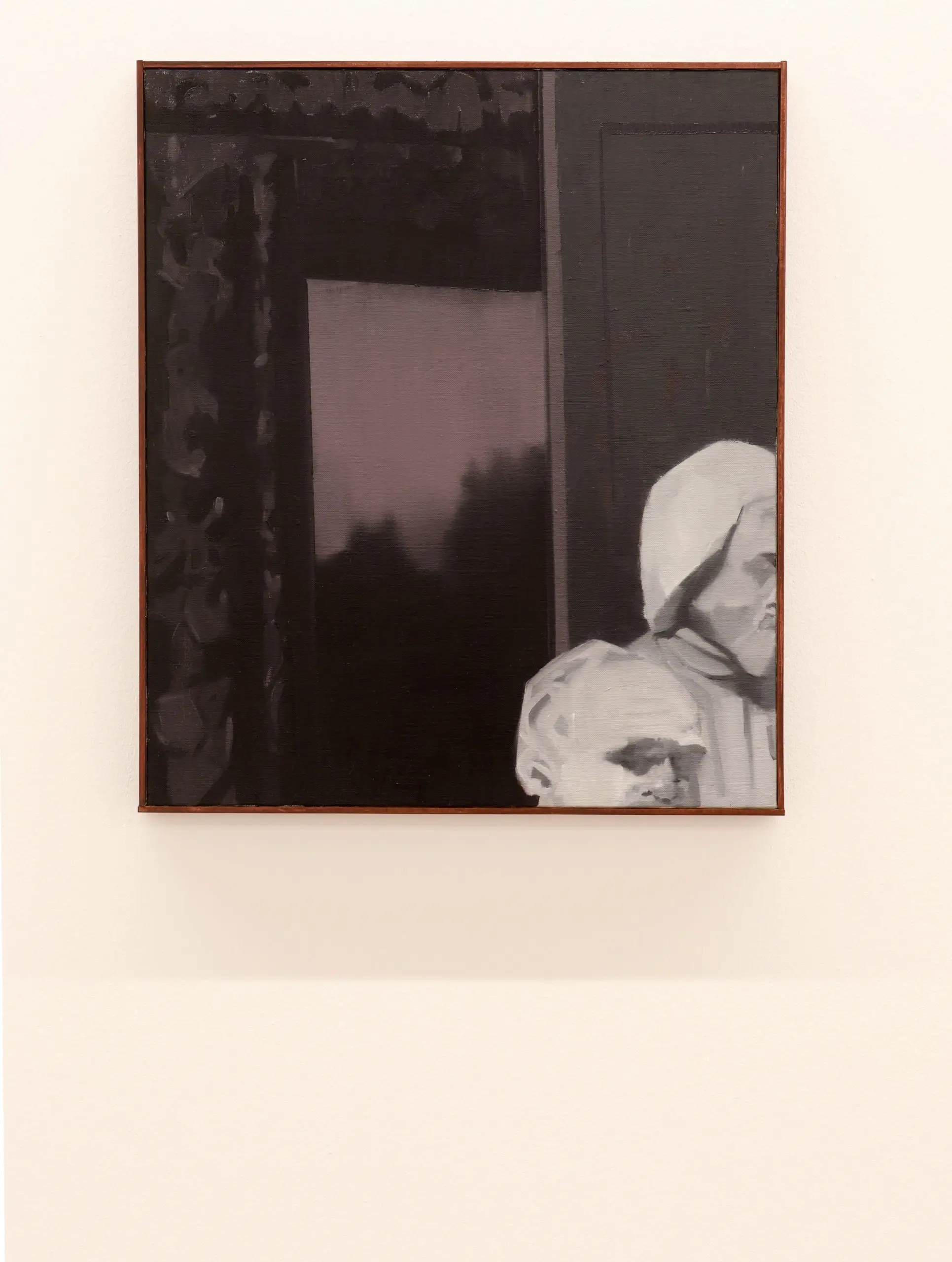
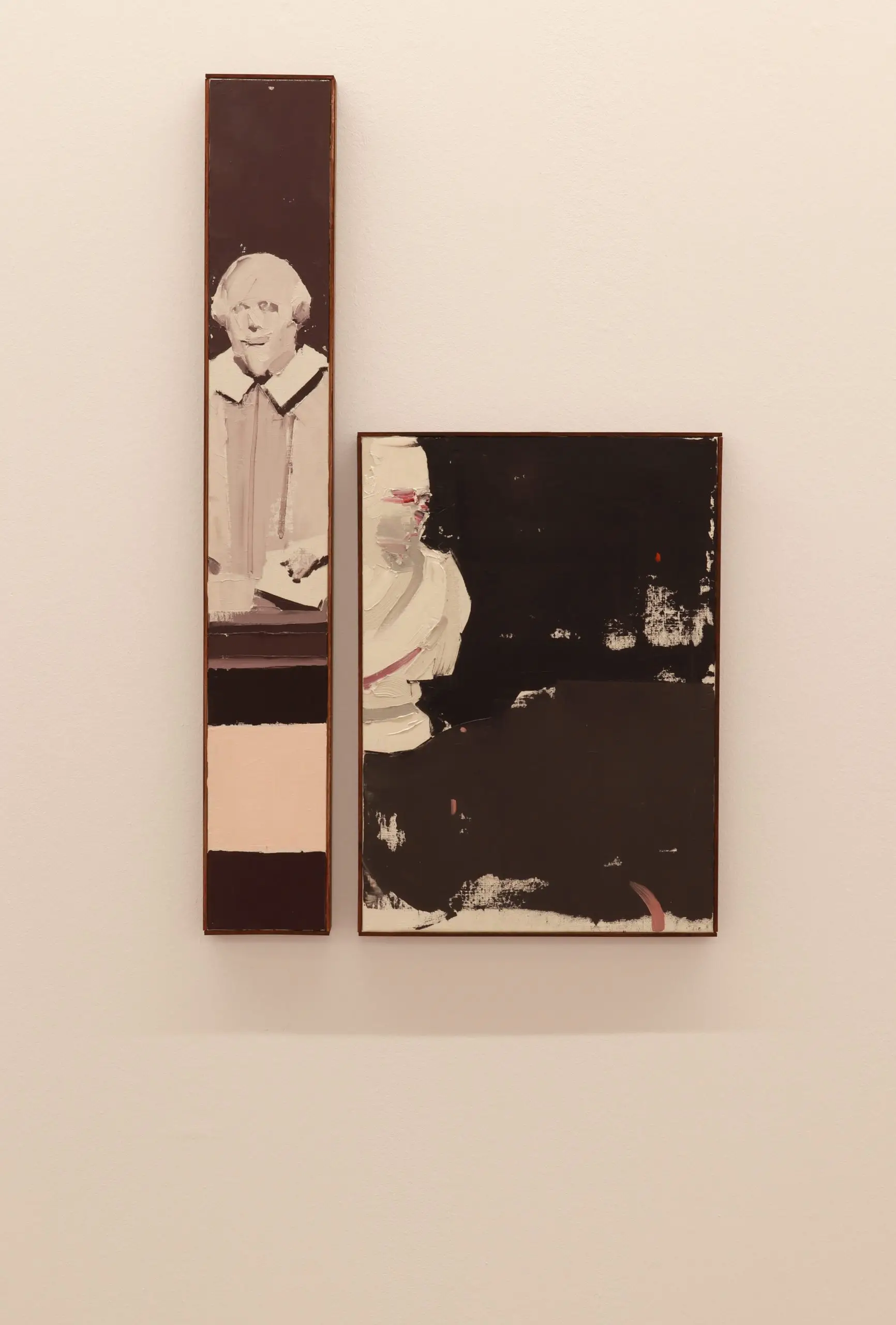
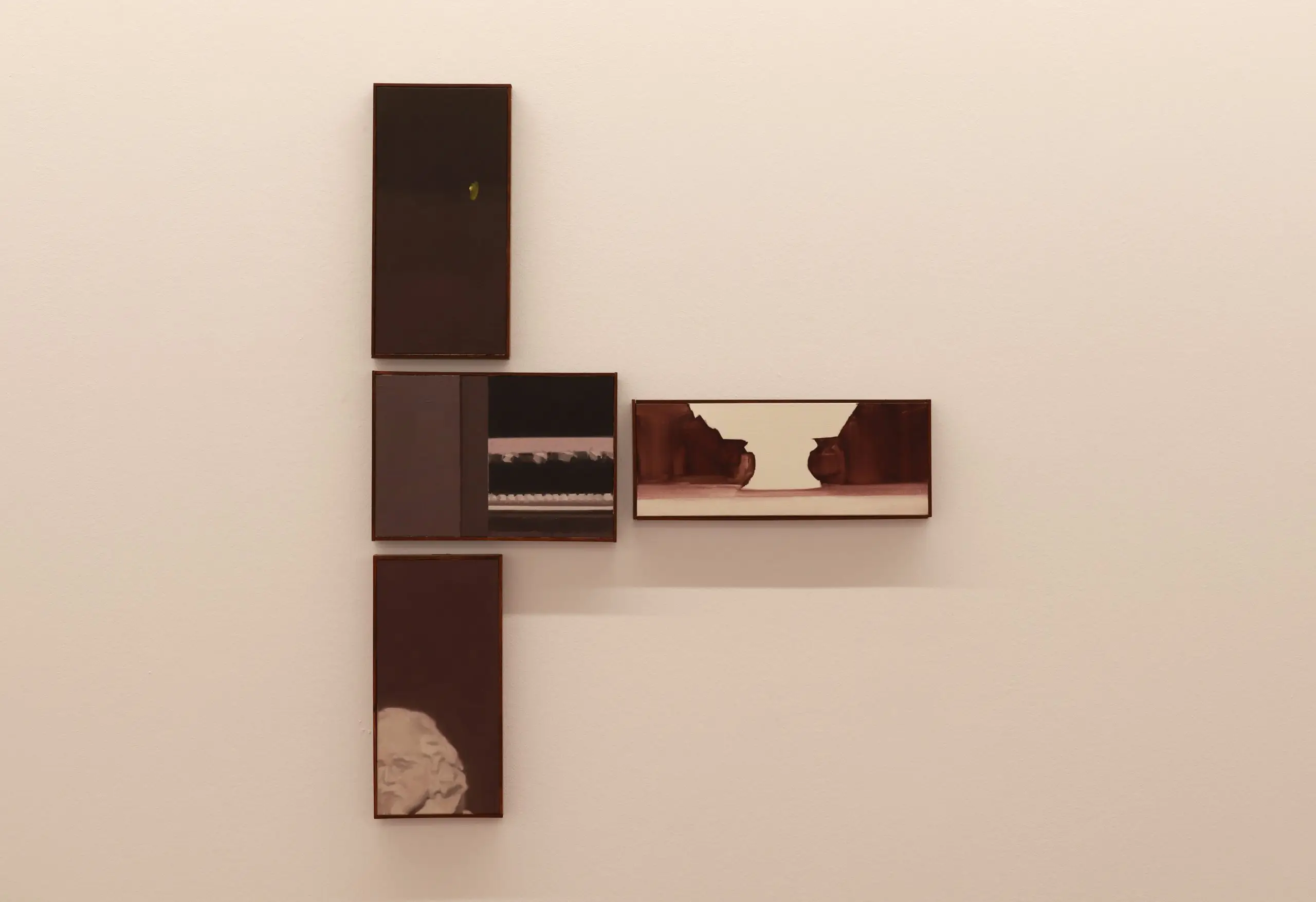
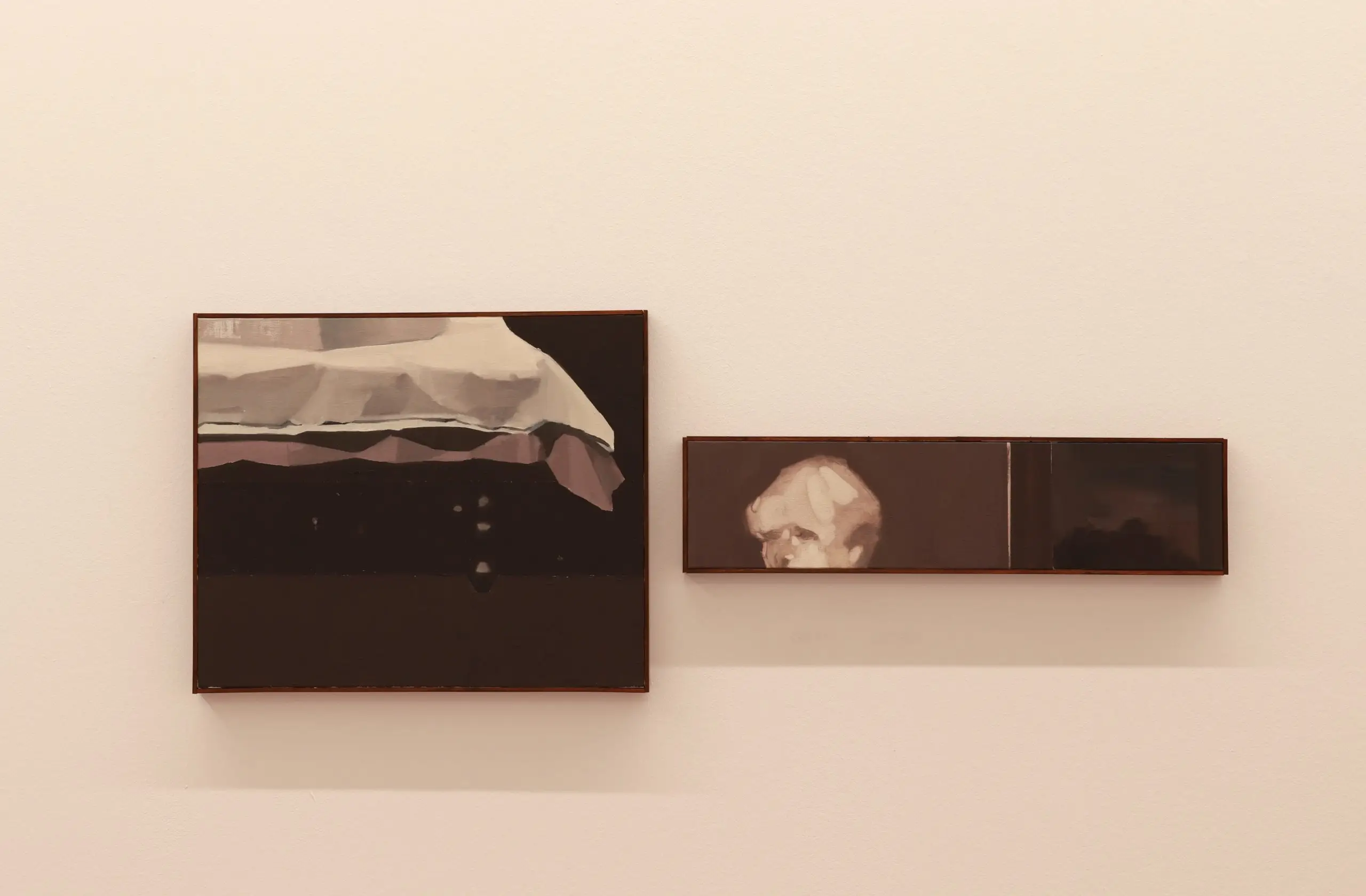
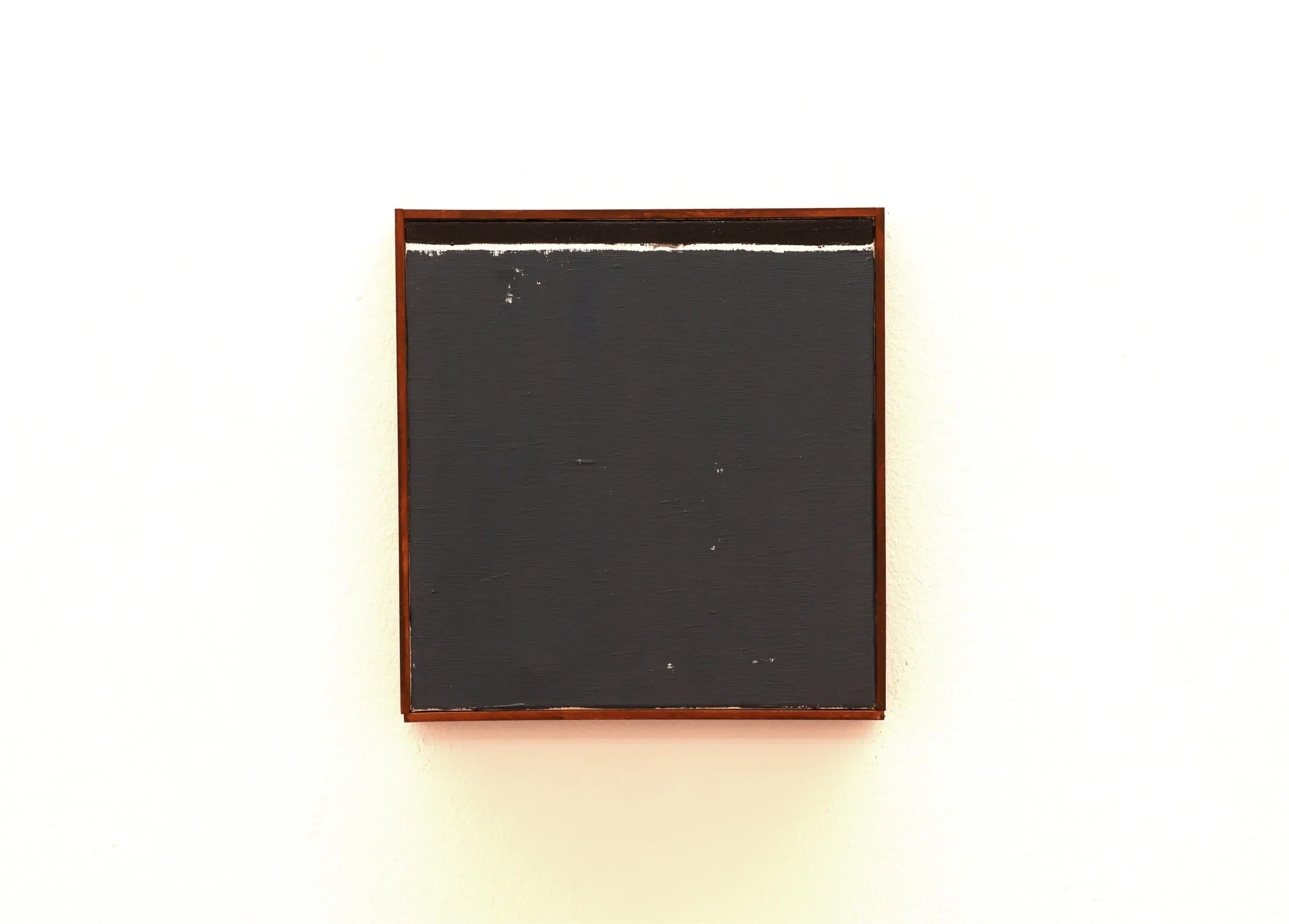
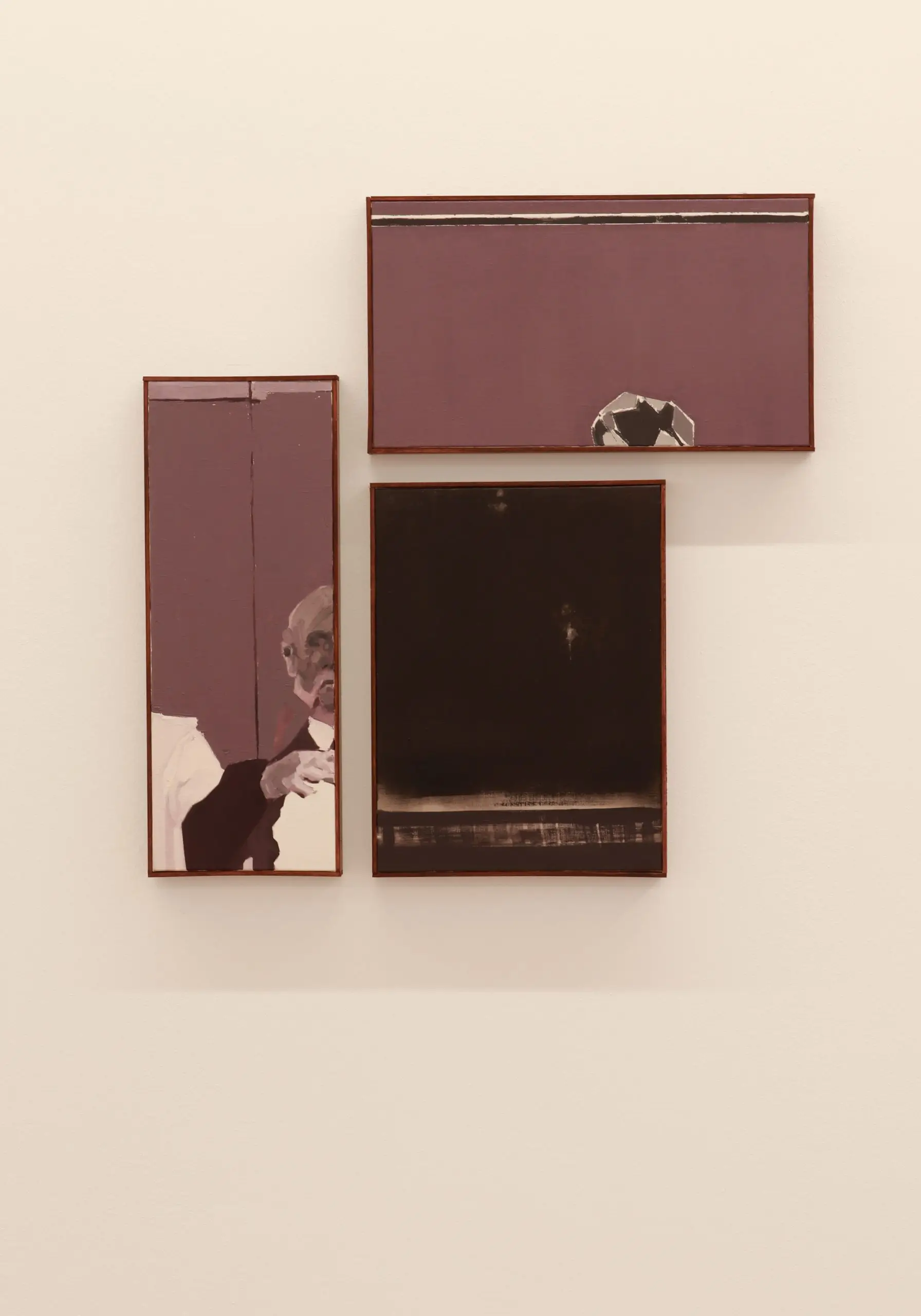
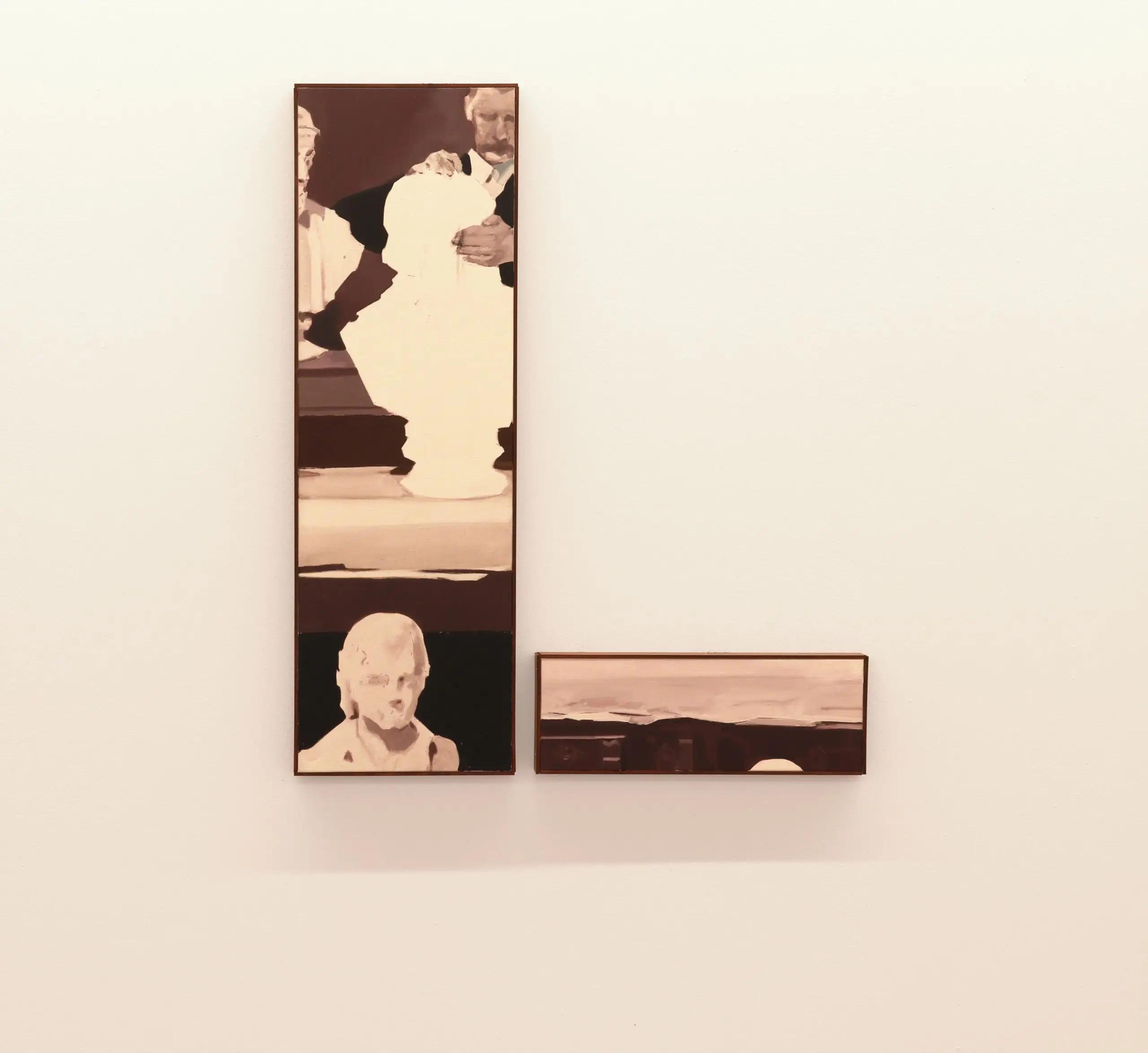
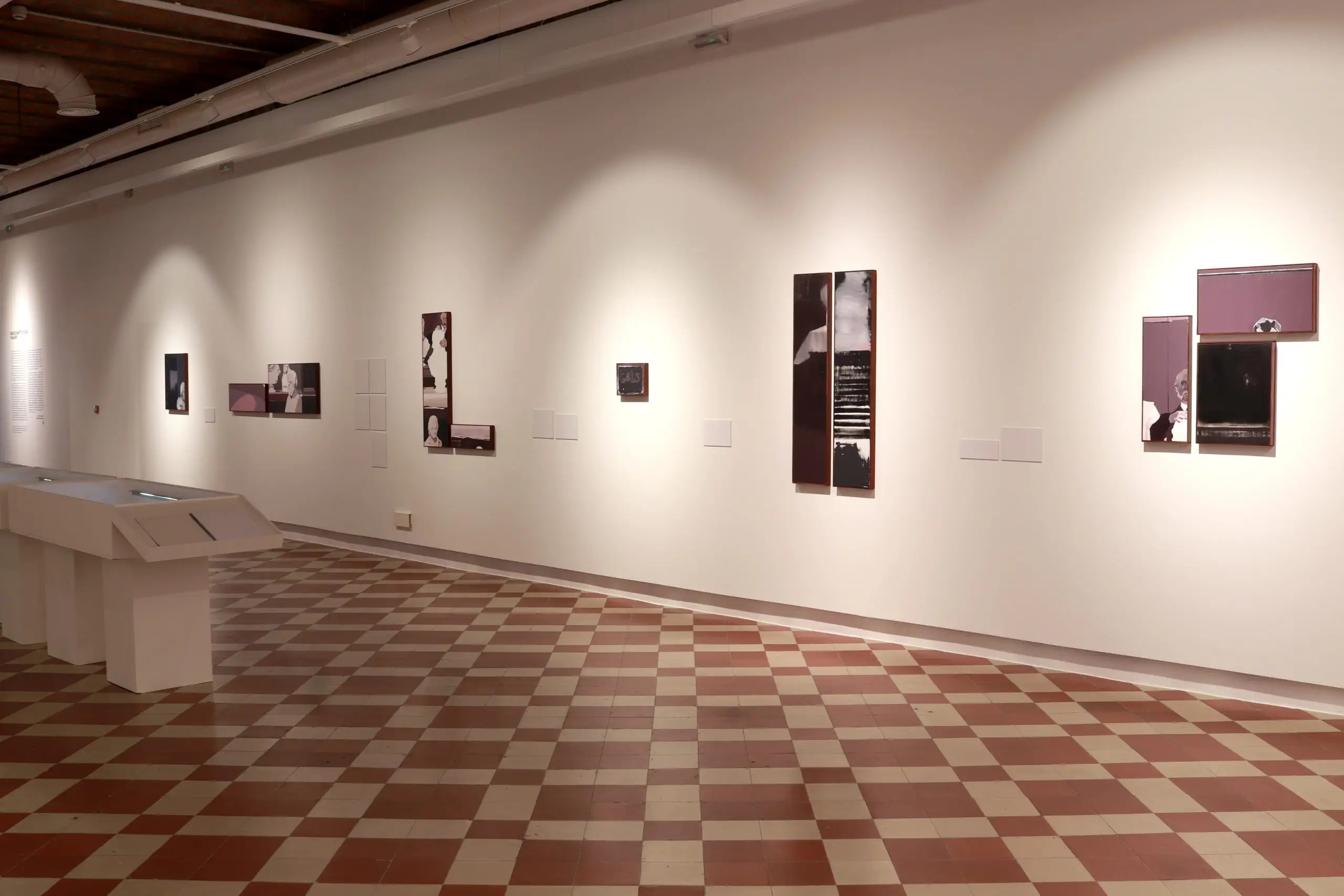
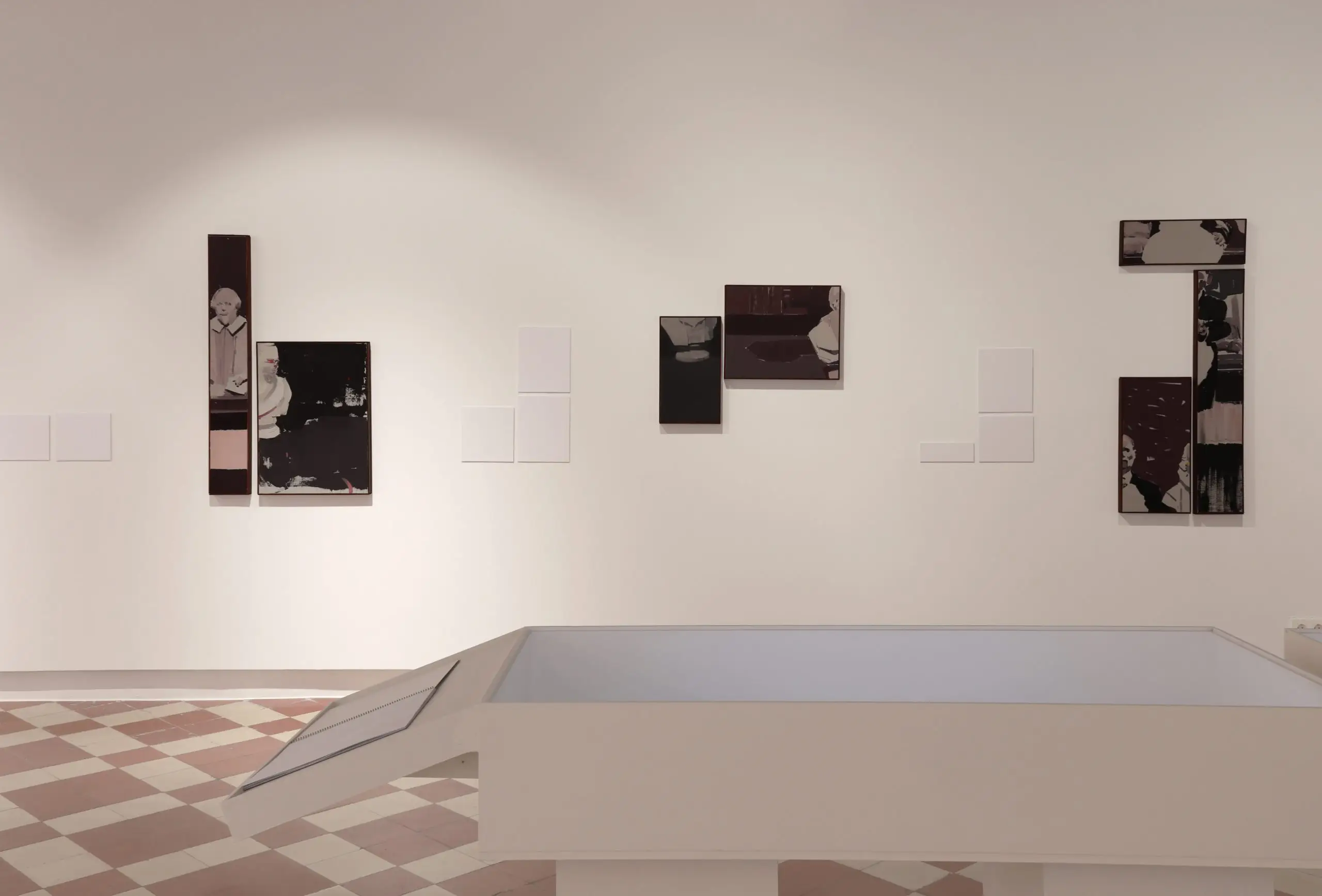
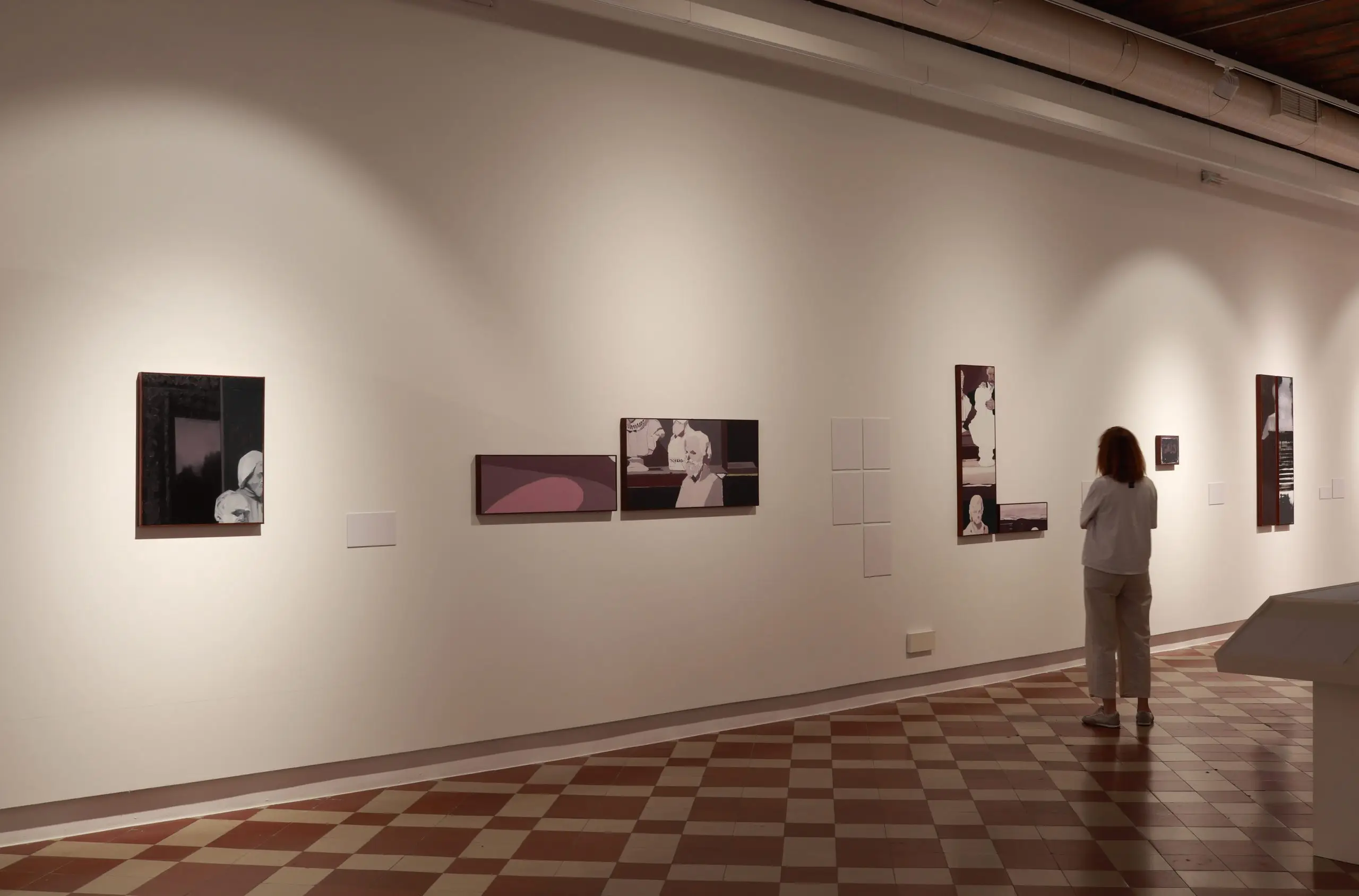
In 1913, at the Sunderland Museum in the United Kingdom, John Alfred Charlton Deas, the museum’s curator, organized pioneering inclusive sessions in which blind people explored objects in the collection through touch. That initiative was documented photographically and recorded in the text *What the Blind Can ‘See’*. Nacho Martín Silva, a keen seeker of historical documents who examines them with a scrutinizing eye and reinterprets them through his revealing paintings, was deeply moved upon seeing those photographs. These snapshots, recreated in the works he paints for this exhibition, resonated with his interests: resistance to the dictatorship of the image, and the role of museums and painting as realms of knowledge.
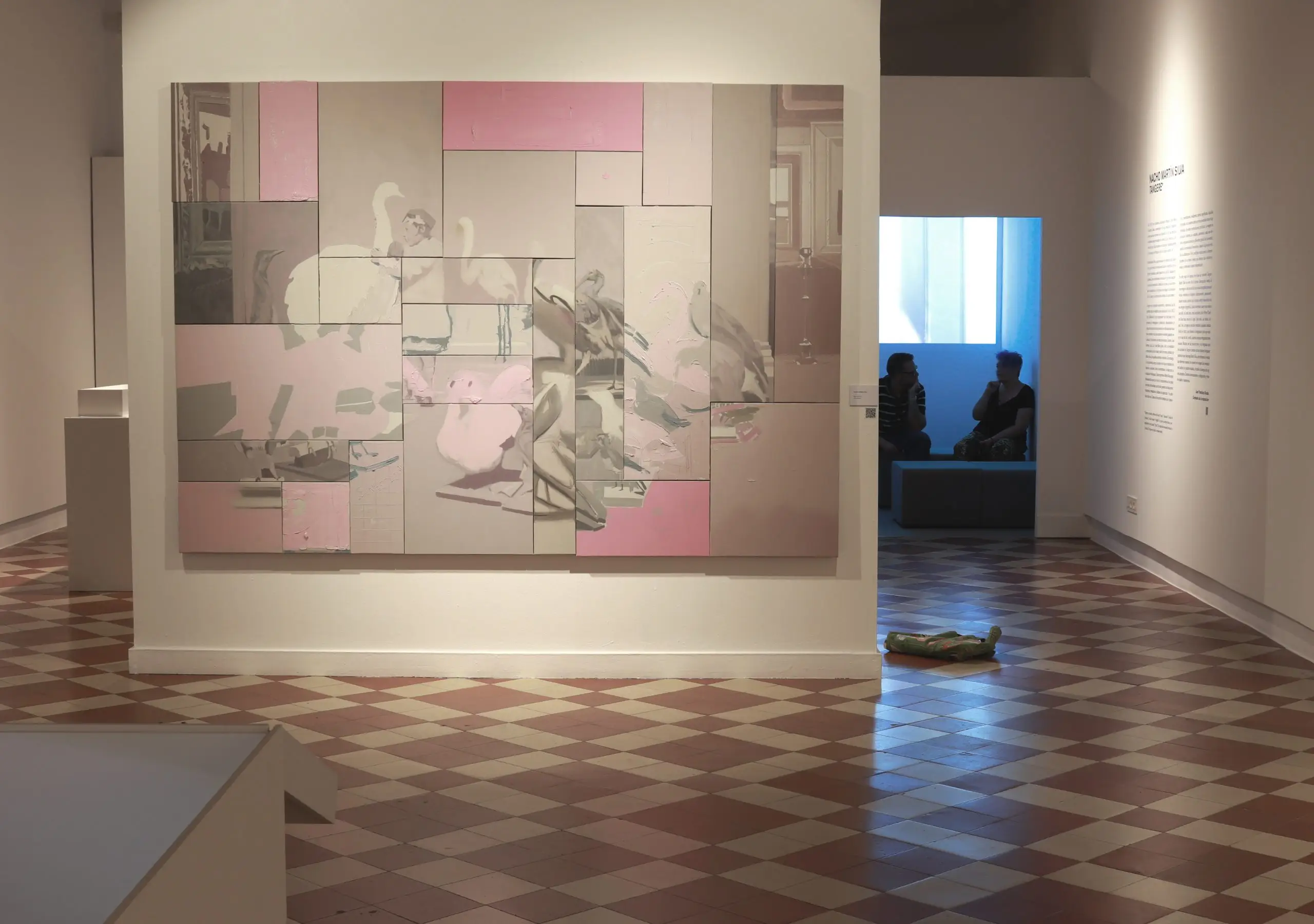
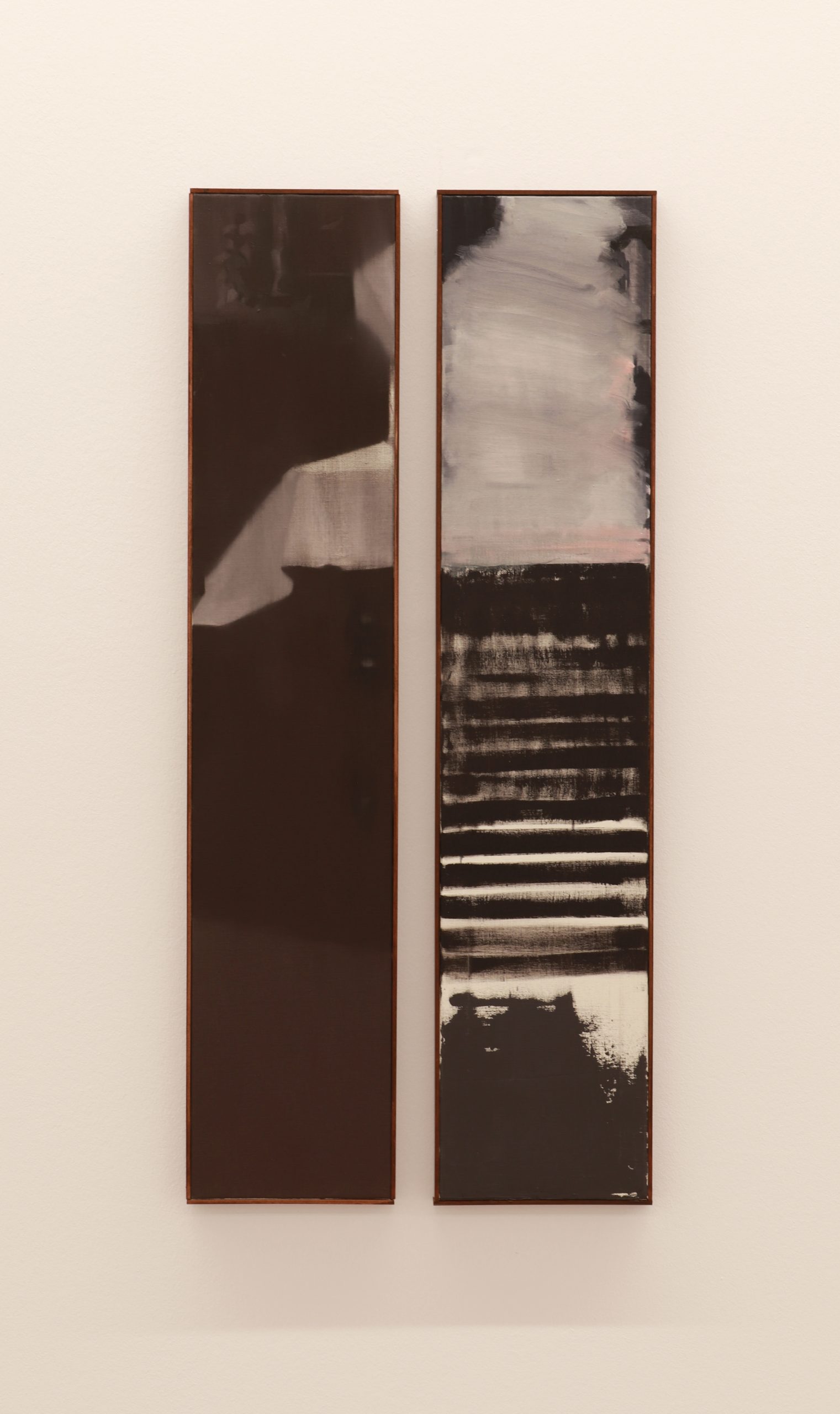
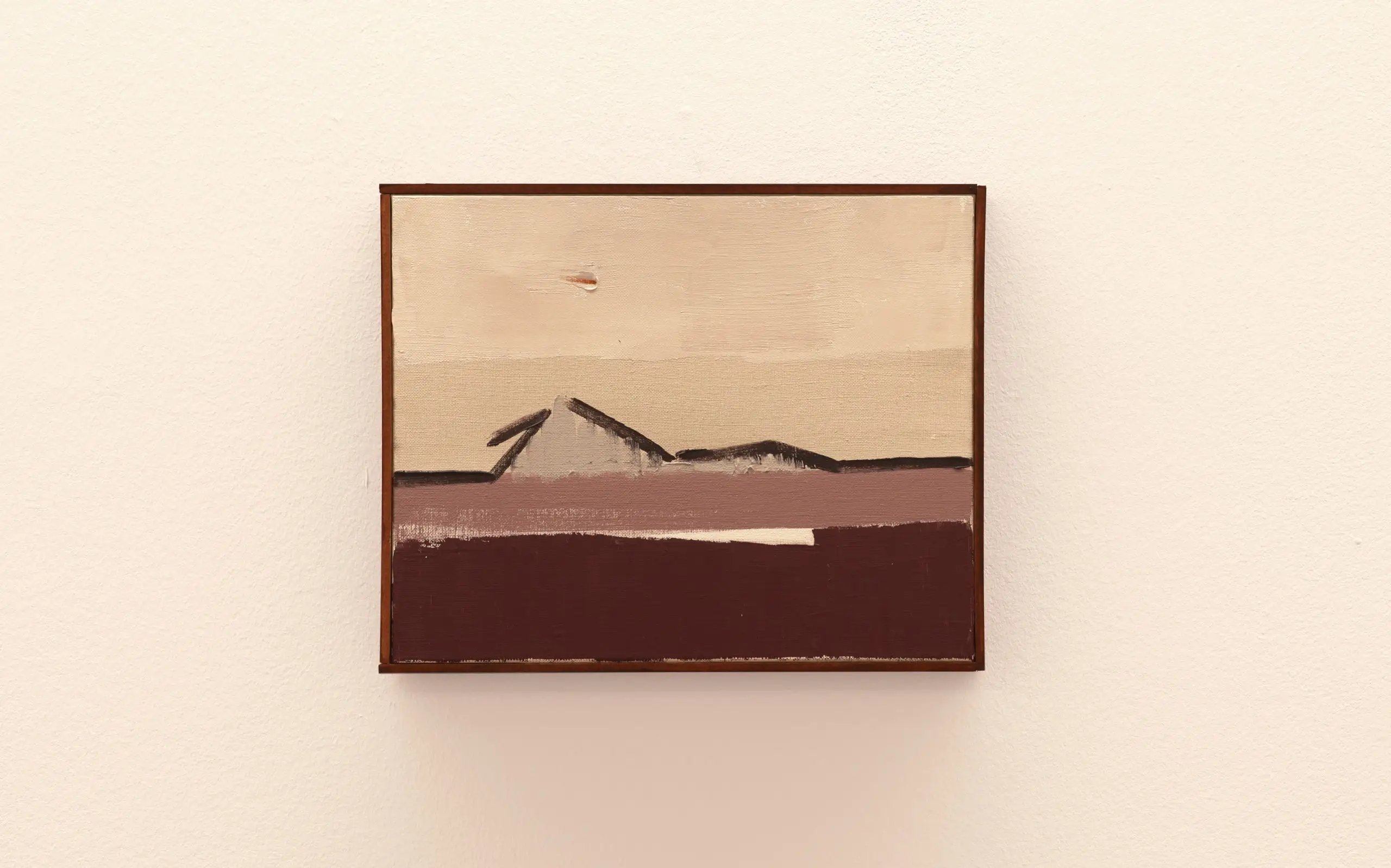
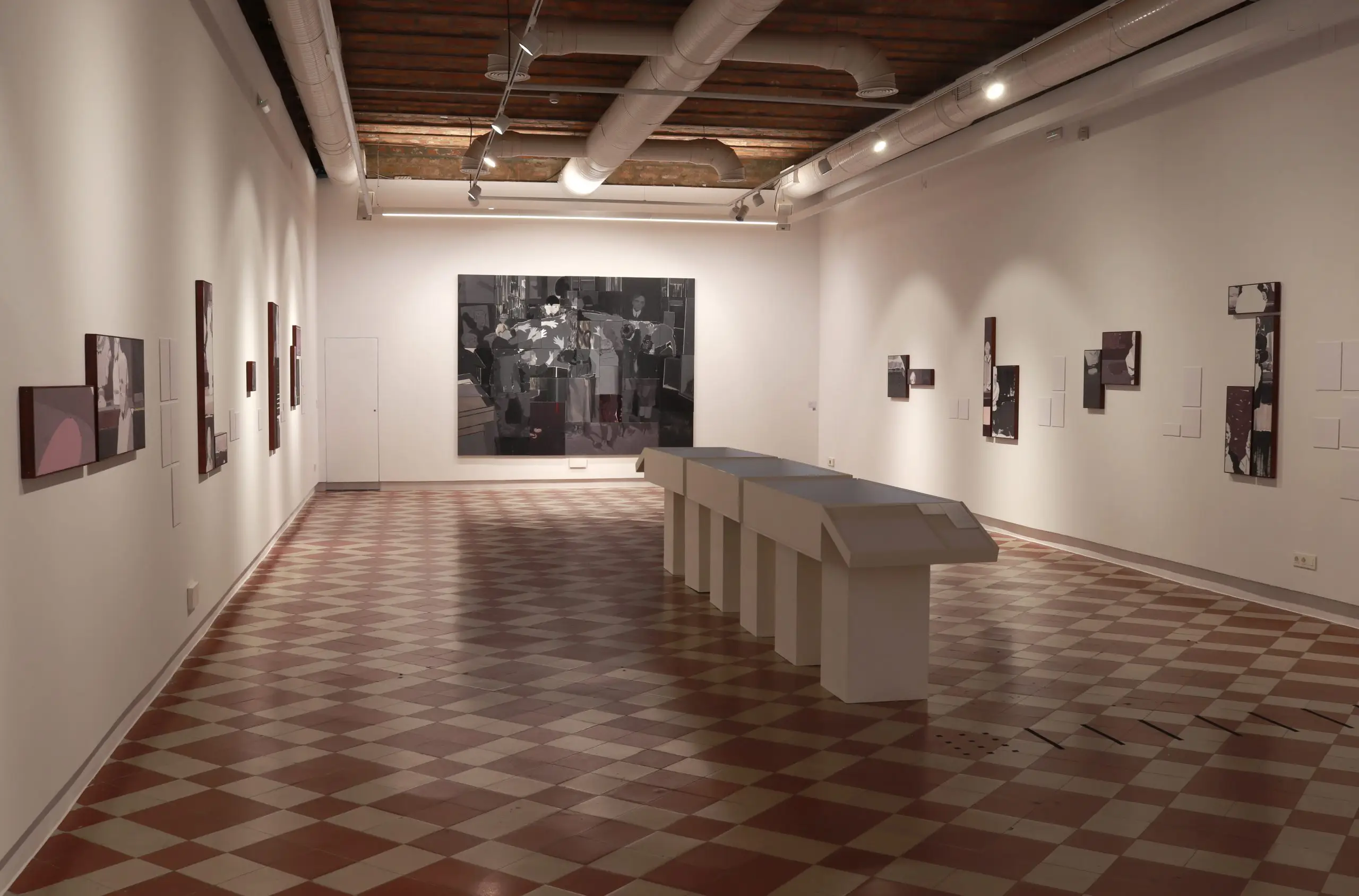
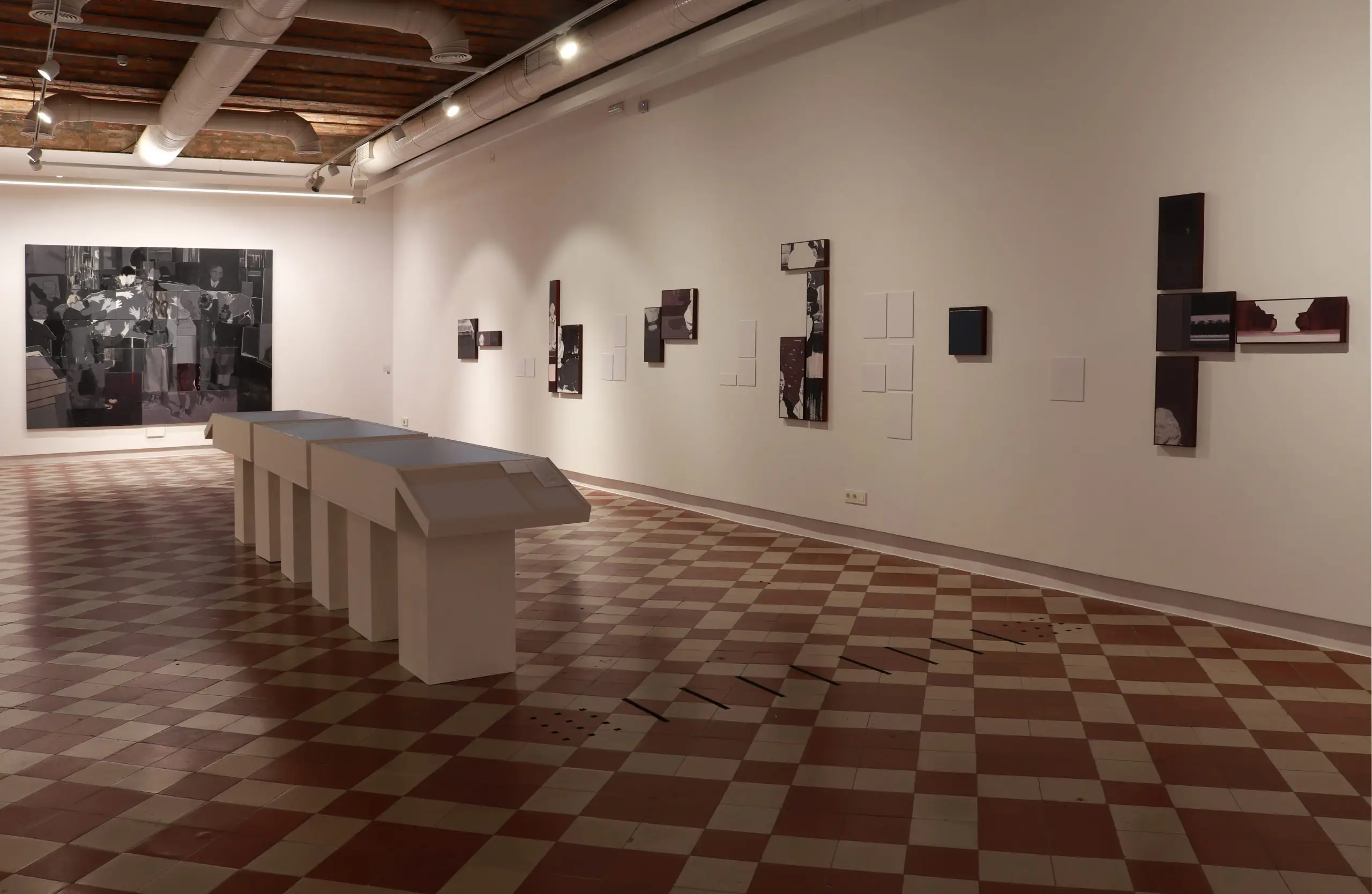
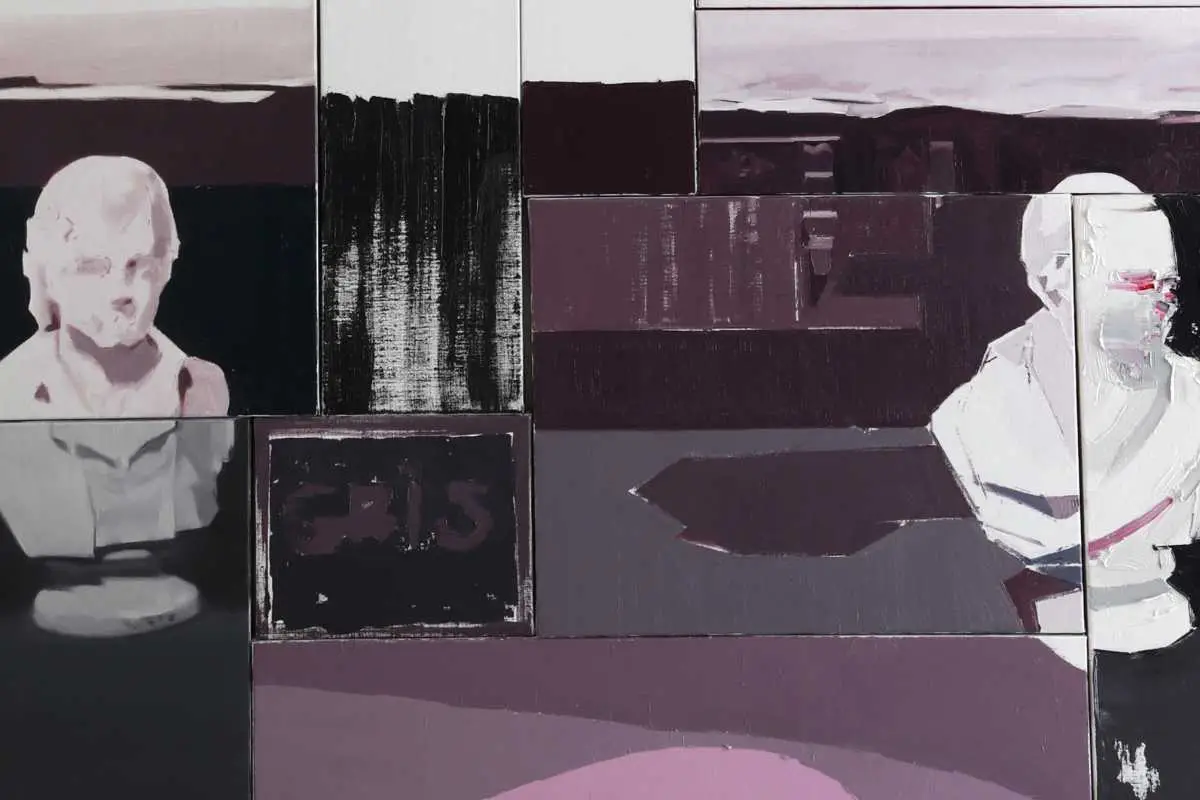
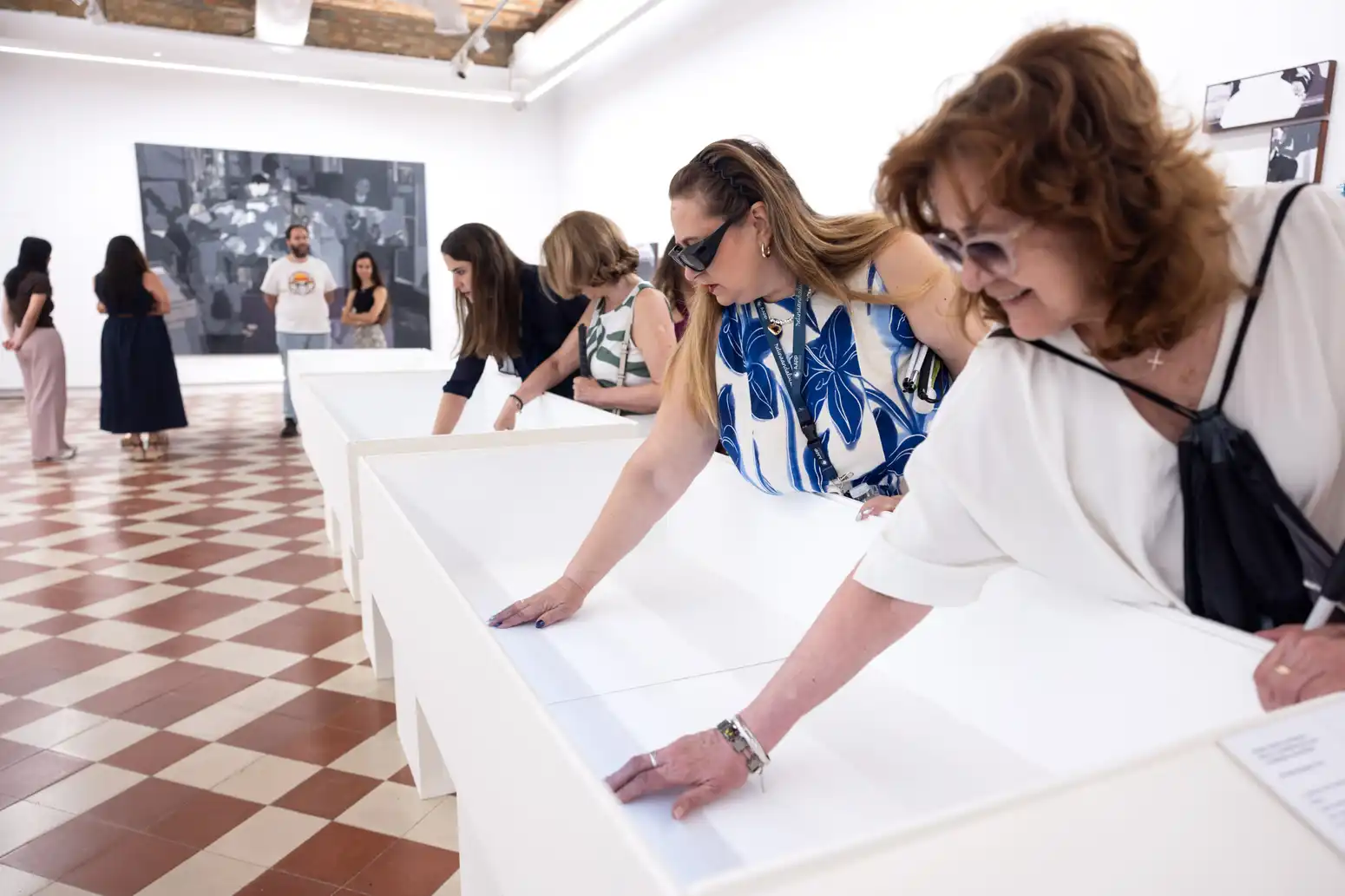
Tangere is an experimental and experiential project that has led to a collaboration with ONCE. Six members of this organization have participated in the research and production process, resulting in a set of mirrors in which people with visual impairments touch paintings depicting blind people feeling sculptures. At times, the hands of Amparo, Carmen, José Antonio, Julia, Lía, and José María (along with Ana, their communication mediator) have been placed over the hands—painted by Martín Silva—of those anonymous blind individuals. However, the most powerful set of mirrors is the one established in relation to concepts such as interpretation, translation, mediation, and language. *Tangere* allows Martín Silva to continue reflecting on how our understanding of an object is shaped by the approach taken by translators, interpreters, mediators, or those who ascribe meaning to it. And an artist is all of these things. Each of us is as well: we translate, interpret, mediate, and ascribe meaning. Those photographs are now transformed into monumental, fragmented works. In these pictorial compositions, the image is broken down into dozens of units, each adopting distinct pictorial languages and varying degrees of iconicity—ranging from the recognizable to the obscure, from the most faithful figuration to abstraction. In essence, these are multiple translations or interpretations of a single object that offer visual resistance and shape our interpretation.
In this game of mirrors that *Tangere* becomes, Martín Silva used the ekphrasis (a verbal description of an image or work of art) of one of the photographs so that the blind participants could interpret it visually; having previously touched the painting the artist himself had created from that photographic image. The blind participants used their hands to do so, so that, as John Alfred Charlton Deas wrote more than a century ago, “for them, their fingers are eyes.” During the research process for *Tangere*, amid a sense of absolute naturalness and palpable emotion, some blind participants, after touching the painting, said they had “seen” it and that they never imagined they would ever see a work of art again. Thus, the image is perceived through the spoken word (hearing) and touch, which spark the imagination so that, in a round-trip journey, it illuminates various visual interpretations.
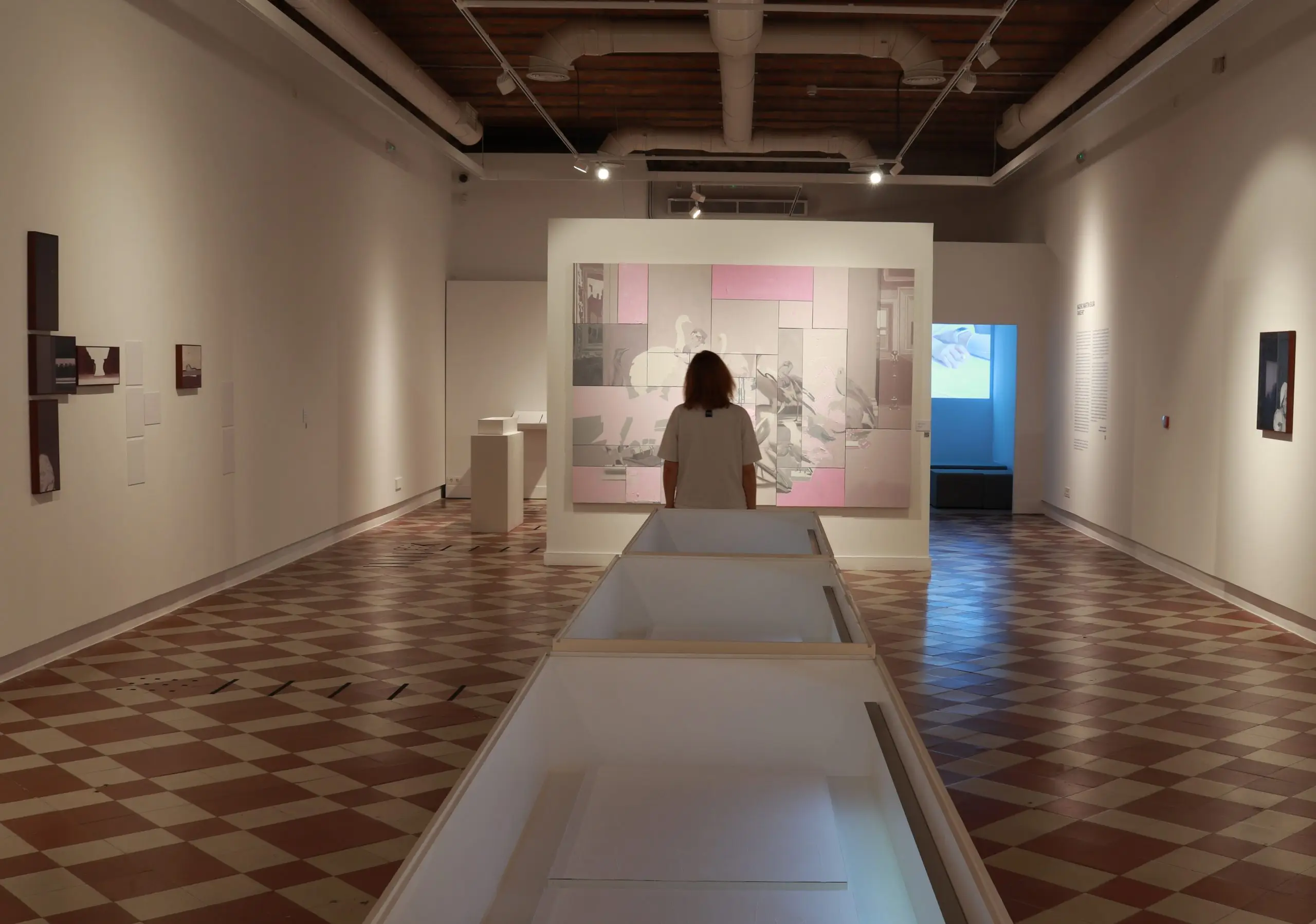
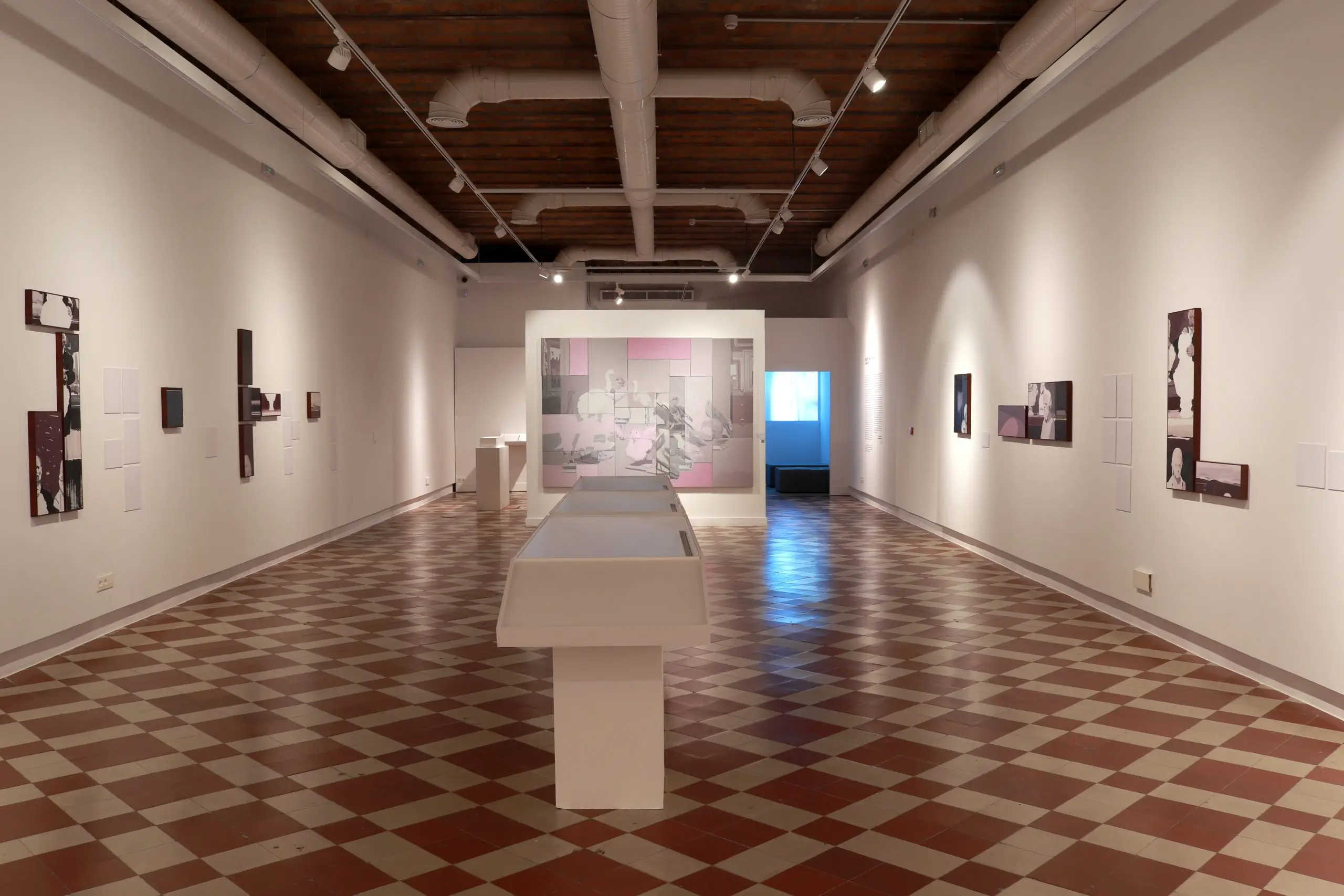
There are many translations and languages that come together in *Tangere*: in addition to the diverse pictorial languages employed by Martín Silva, we find the verbal—the various ways of transforming tactile sensations and the spoken word into images, as well as Braille and supported sign language. Different expressions and codes for the same object or experience. Both the video, which is shown in the screening area, and the audio piece, incorporated into the exhibition space to create a soundscape, even though they are based on documentation from the working sessions with the blind and the person with deafblindness, go far beyond a mere illustrative or documentary function. In fact, they share a common concept, which is none other than that of Martín Silva’s own painting. That is to say, the focus is on the fragment, the mosaic of sounds and images, and the kaleidoscopic experience.
They thus acquire the full status of works of art, rather than a subsidiary, merely documentary role. Moreover, just as Martín Silva resists the dictatorship of the image by adding complexity and new meaning to the images he uses as models in his painting—through the planes and cuts of the visual and the auditory— the artist proceeds in the same manner, dismantling and reshaping an alternative reality—a frame of reference that diverges from its origin to take on distinct, new perspectives and dimensions. Furthermore, sound and image are dissociated, forming two separate pieces. While the sounds are, first and foremost, an appeal to the sense of hearing, sight and touch are immediately engaged: we glimpse—we imagine, visualize—never has the expression been more apt—through the spoken and heard word, and we can even feel the touch of the blind artists’ fingers gliding over Nacho Martín Silva’s painting. The video, for its part, transports us to the sense of touch, to a choreography of movements and gestures arranged so that, to paraphrase John Alfred Charlton Deas, their fingers become their eyes. This reminds us of the fundamental role that architect Juhani Pallasmaa attributed to touch in two essential books: *The Eyes of the Skin* (1996) and *The Thinking Hand* (2012).
The installation of the scattered pieces, in dialogue with the Braille descriptions provided by two ONCE members, juxtaposes two languages: that of painting and that of a tactile system of writing and reading. In any case, both are interpretations. Martín Silva’s interpretation of a photographic image, and Carmen and Amparo’s interpretation of his painting, creating a sort of mise en abyme: a photograph supports a pictorial image, and this image supports a verbal narrative. Precisely in the verbal narrative—in a description of a photograph provided by Martín Silva himself—the blind collaborators generate their own visual translation, their graphic interpretation. That photograph is the very same one the painter uses to translate it into his painting, a work that is dispersed throughout the gallery. As such, the only record remaining in this exhibition of that work in its entirety are the six embossed pieces created by people with visual impairments and the ekphrasis (the description) of that image. This is yet another act of resistance against the dictatorship of the image, against the certainty of its univocal and objective nature.
 EN
EN  ES
ES  IT
IT  FR
FR  ZH
ZH  PT
PT