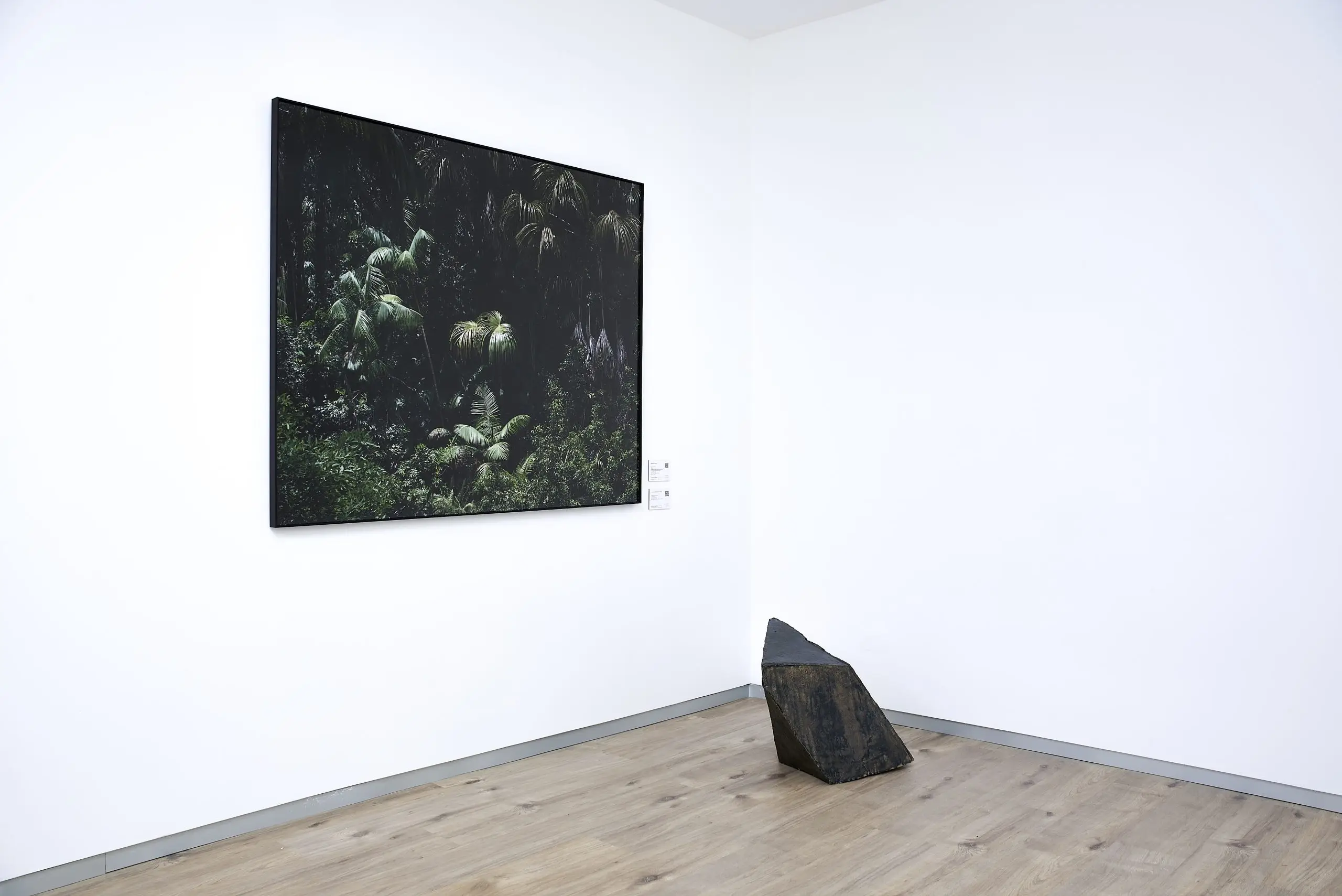
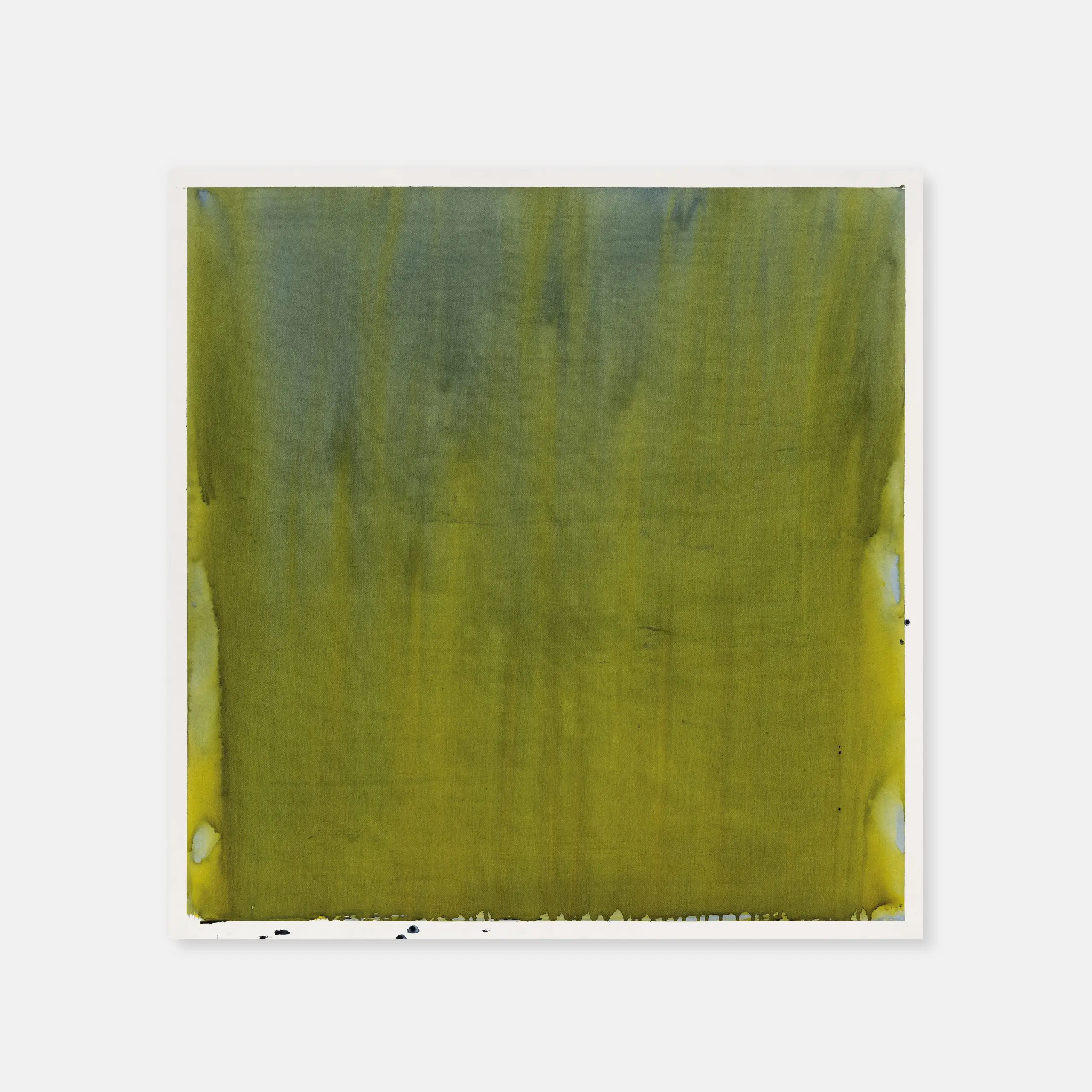
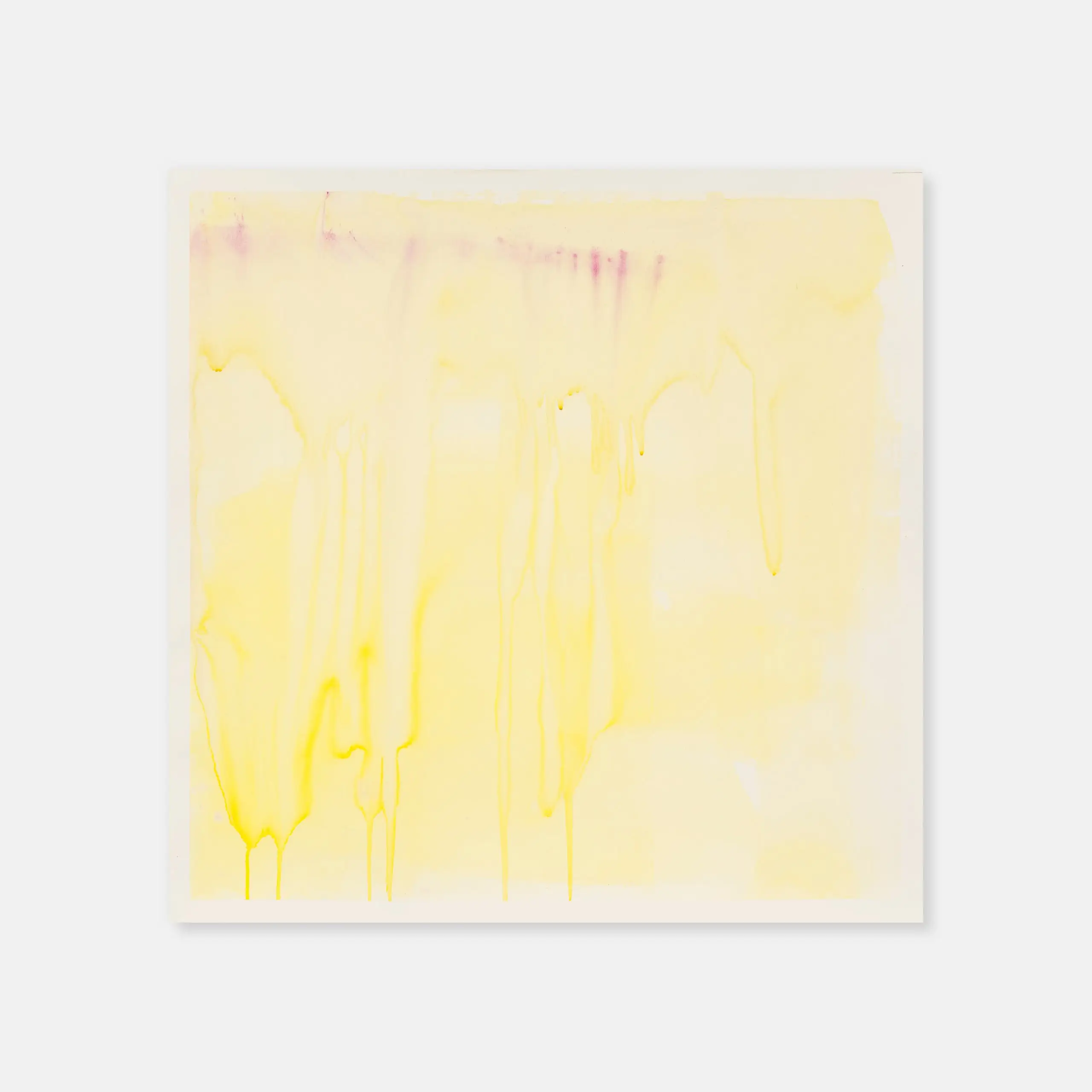
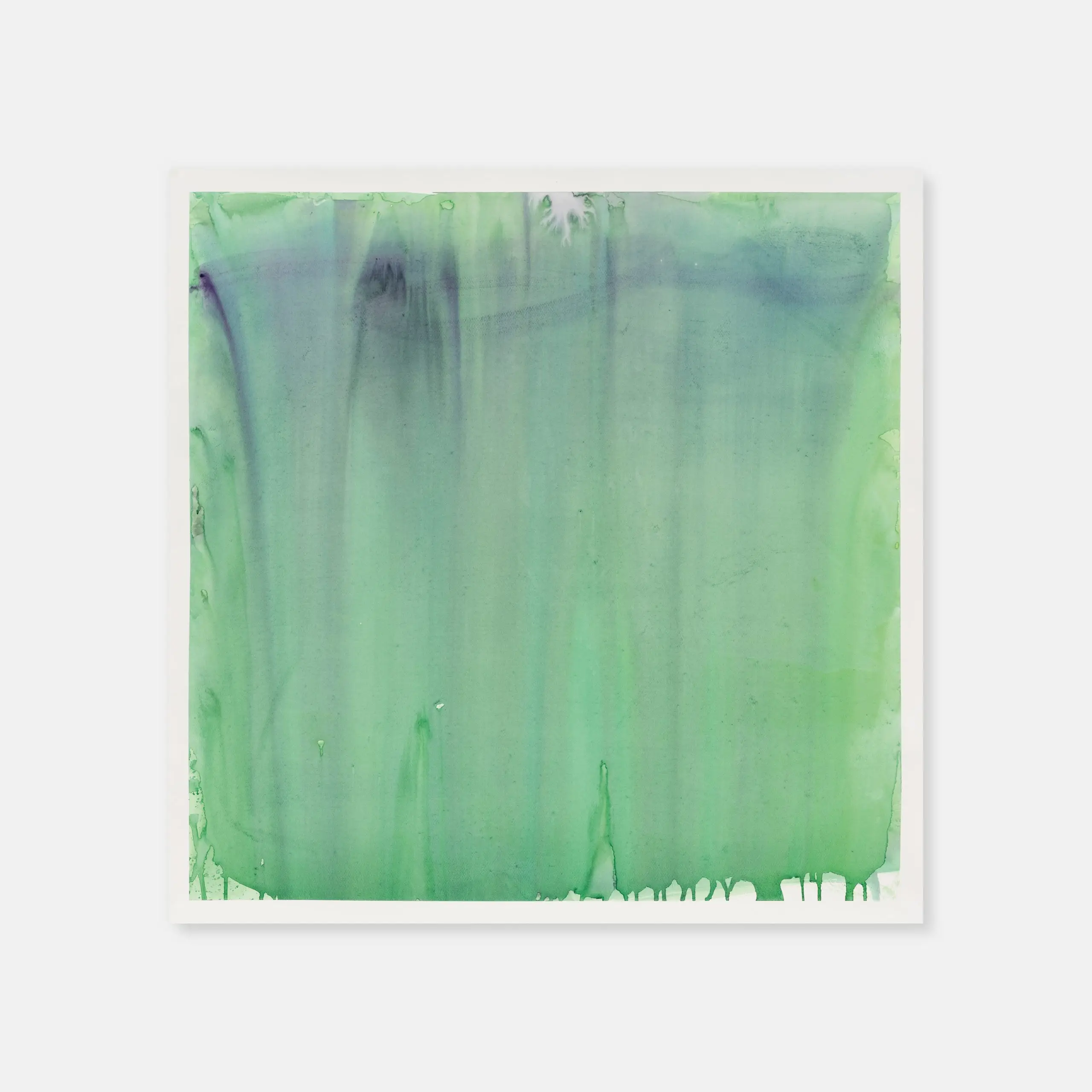
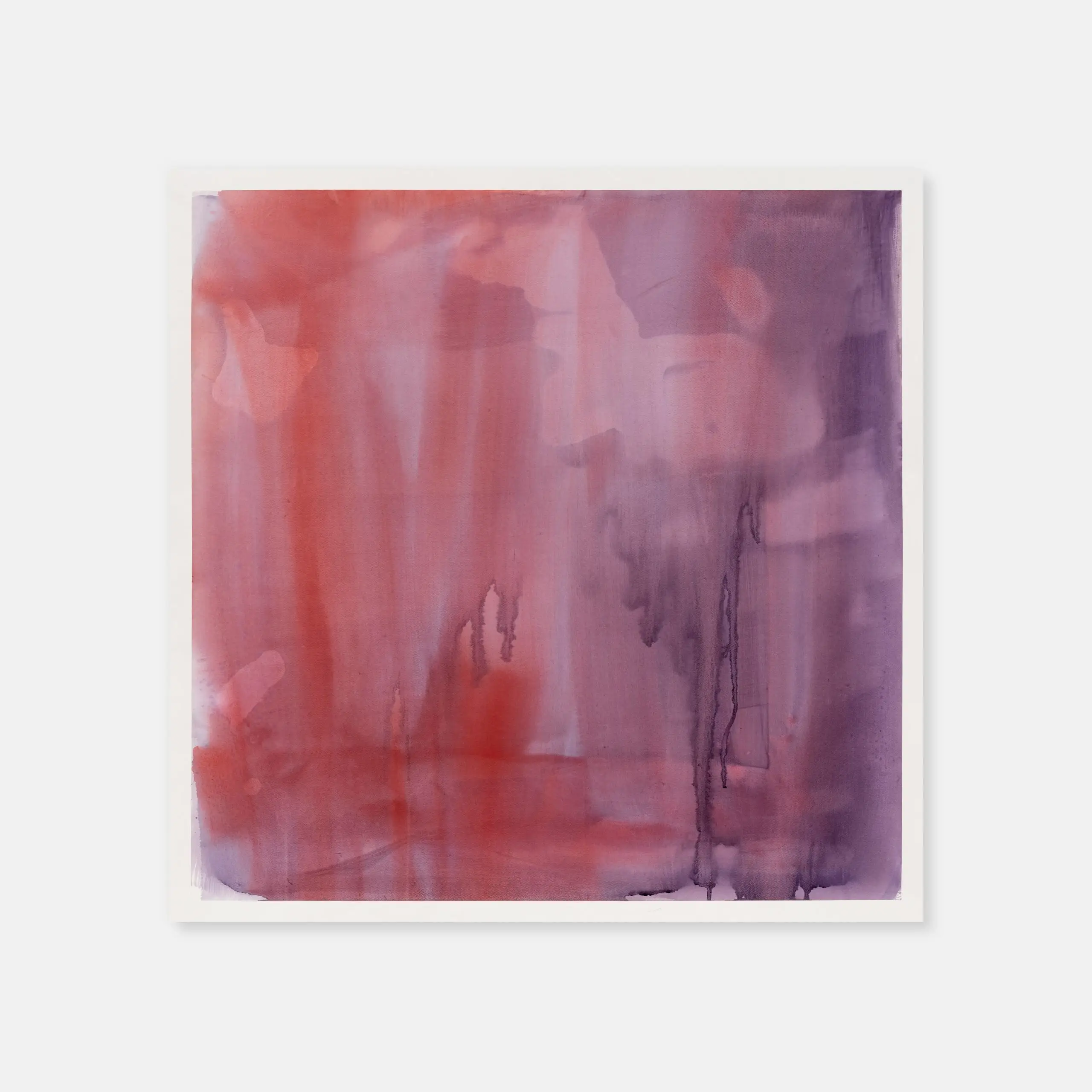
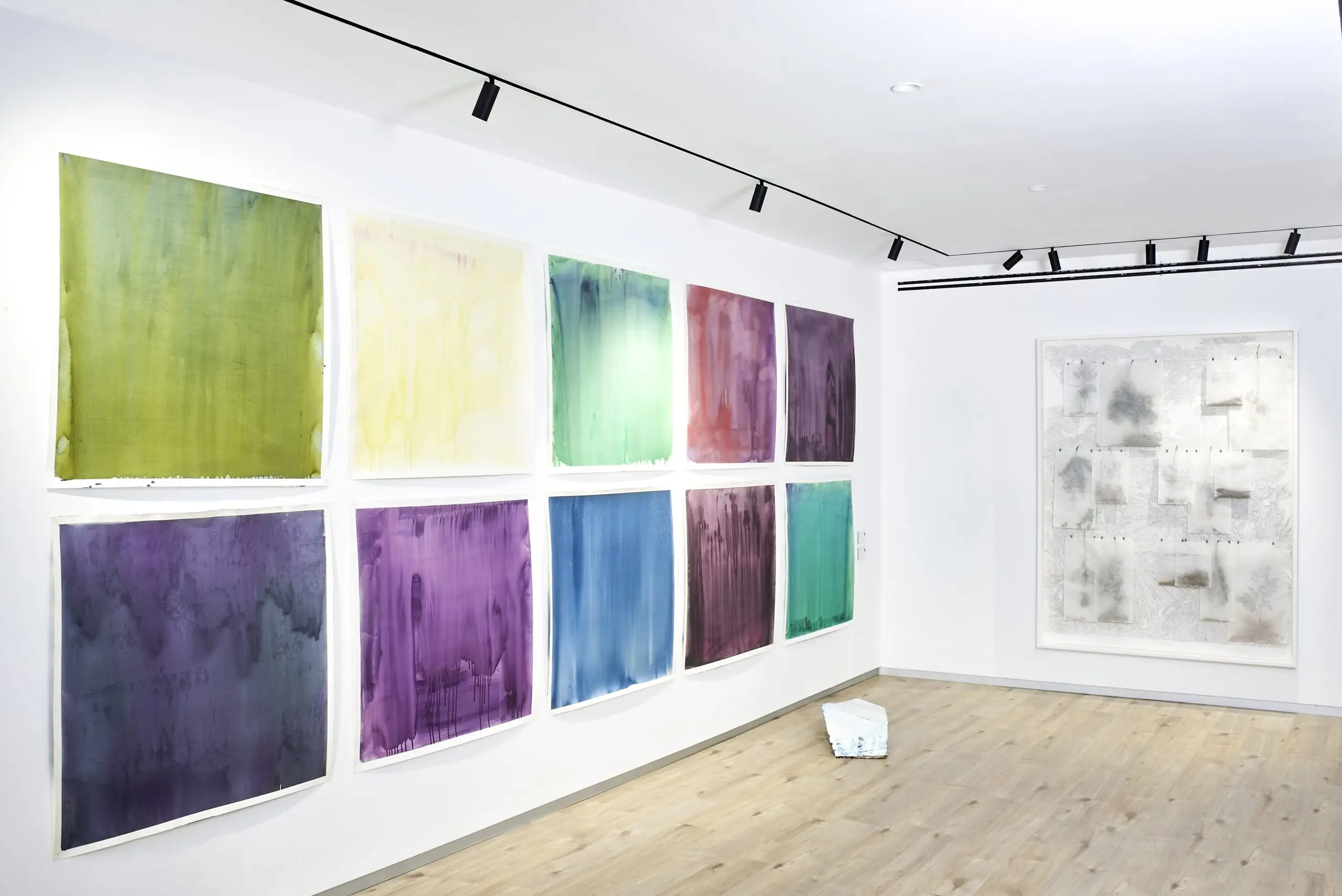
The exhibition Tropicália proposes a sensitive and critical journey through the imaginary and reality of the tropical landscape, articulating historical journeys, sensory experiences and contemporary artistic practices. Inspired by the research method of Alexander von Humboldt, Humboldt, who saw scientific and artistic exploration as complementary tools for understanding nature in its totality, the exhibition seeks to explore not only what the landscape presents to the eye, but also how it reveals itself to perception and memory. Humboldt understood nature as an interconnected system, in which each element-plant, geological or atmospheric-dialogues with the human experience, creating a complex and dynamic vision of the territory. In his thesis he argued that, in order to truly know nature, it was necessary to unite art and science, suggesting that landscape painting should reveal what has not yet been seen: not only reproduce the view, but make it intelligible and meaningful in its physical and ecological context.
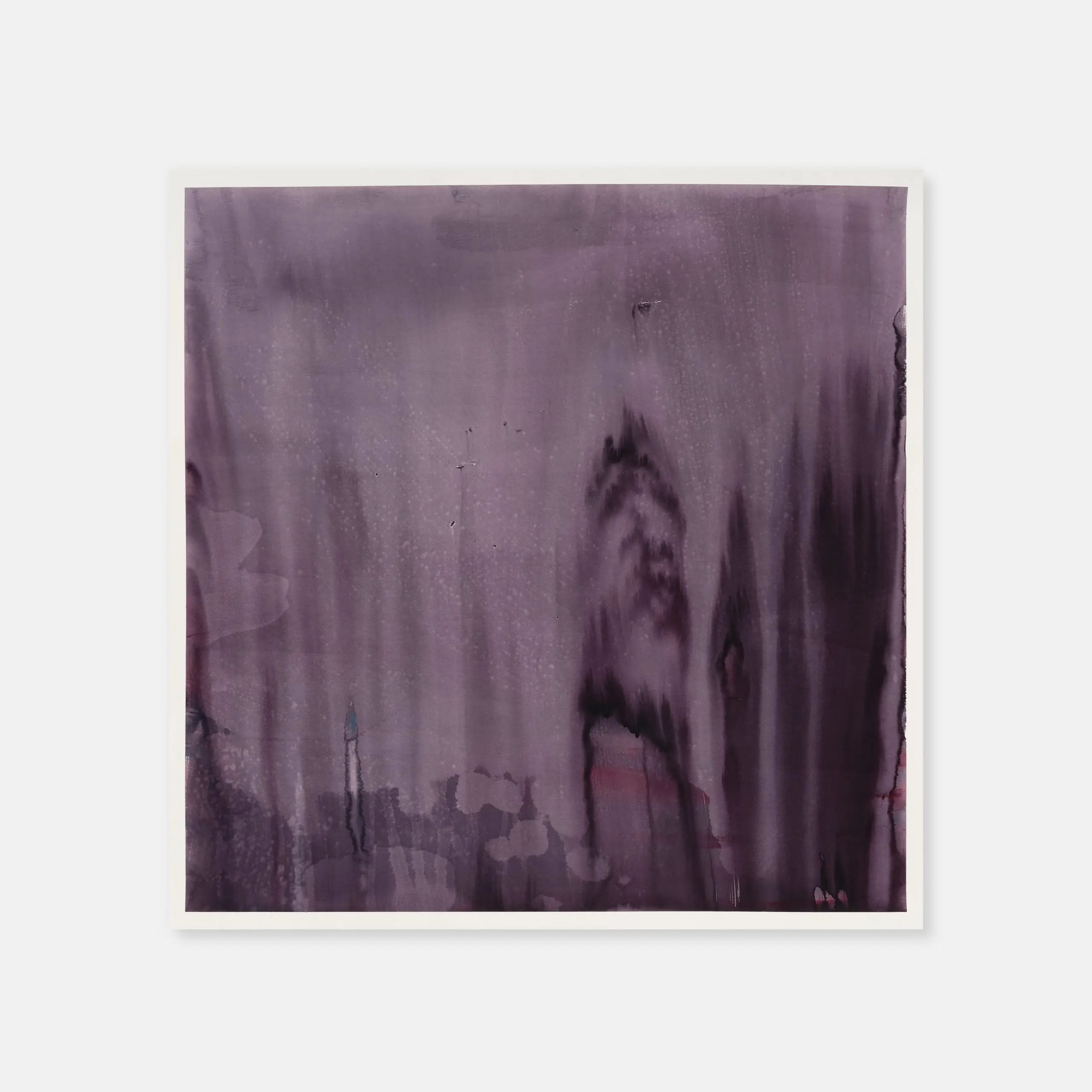
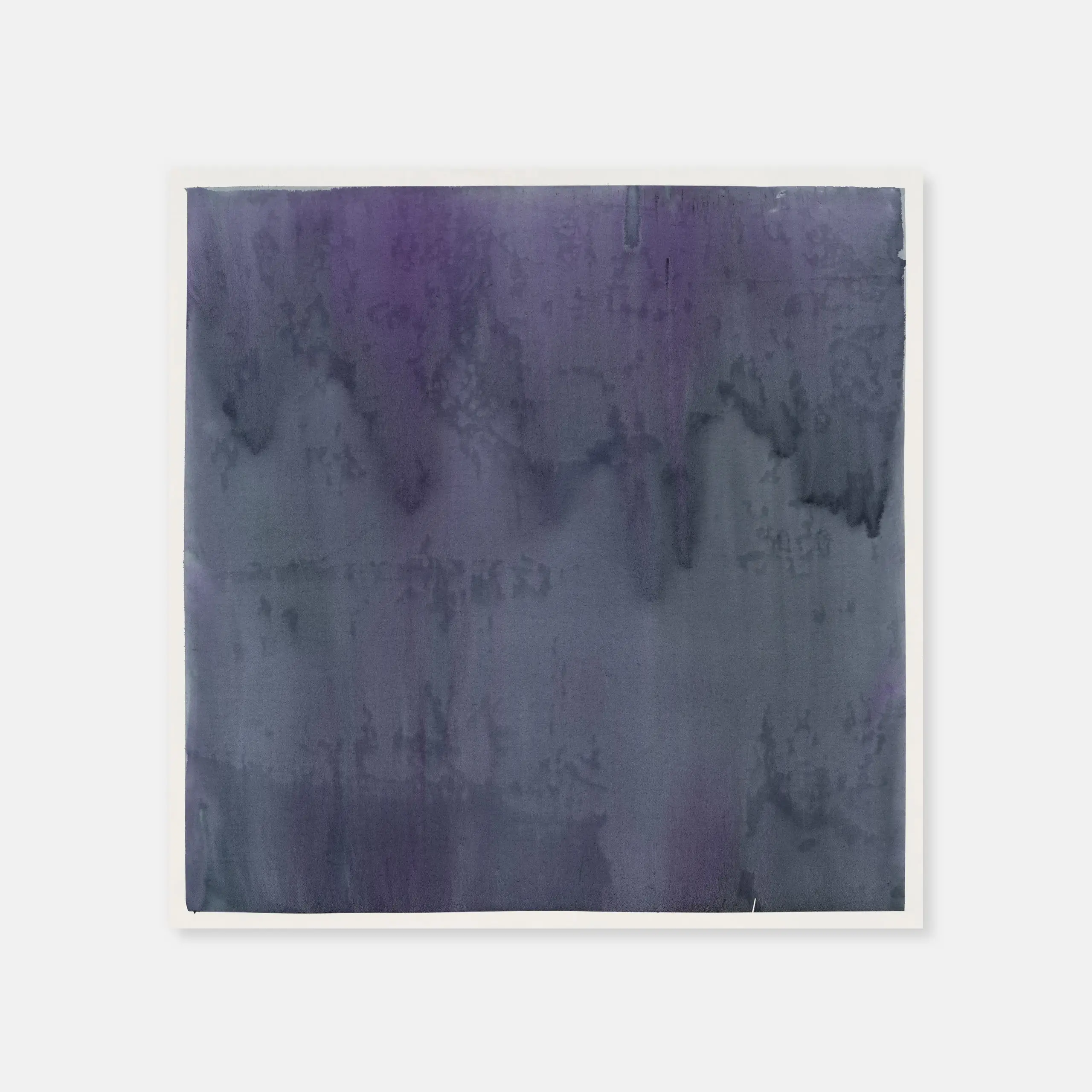
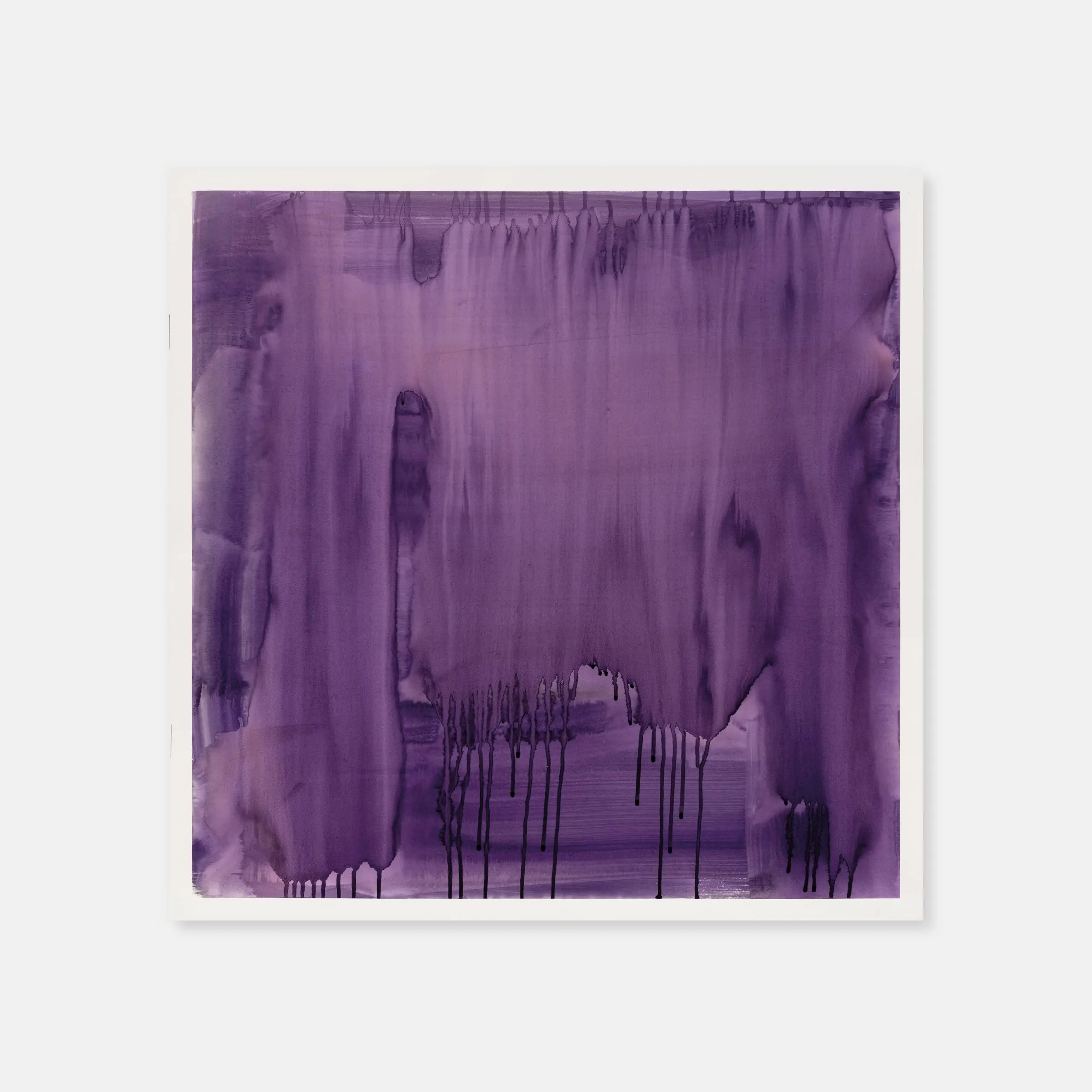
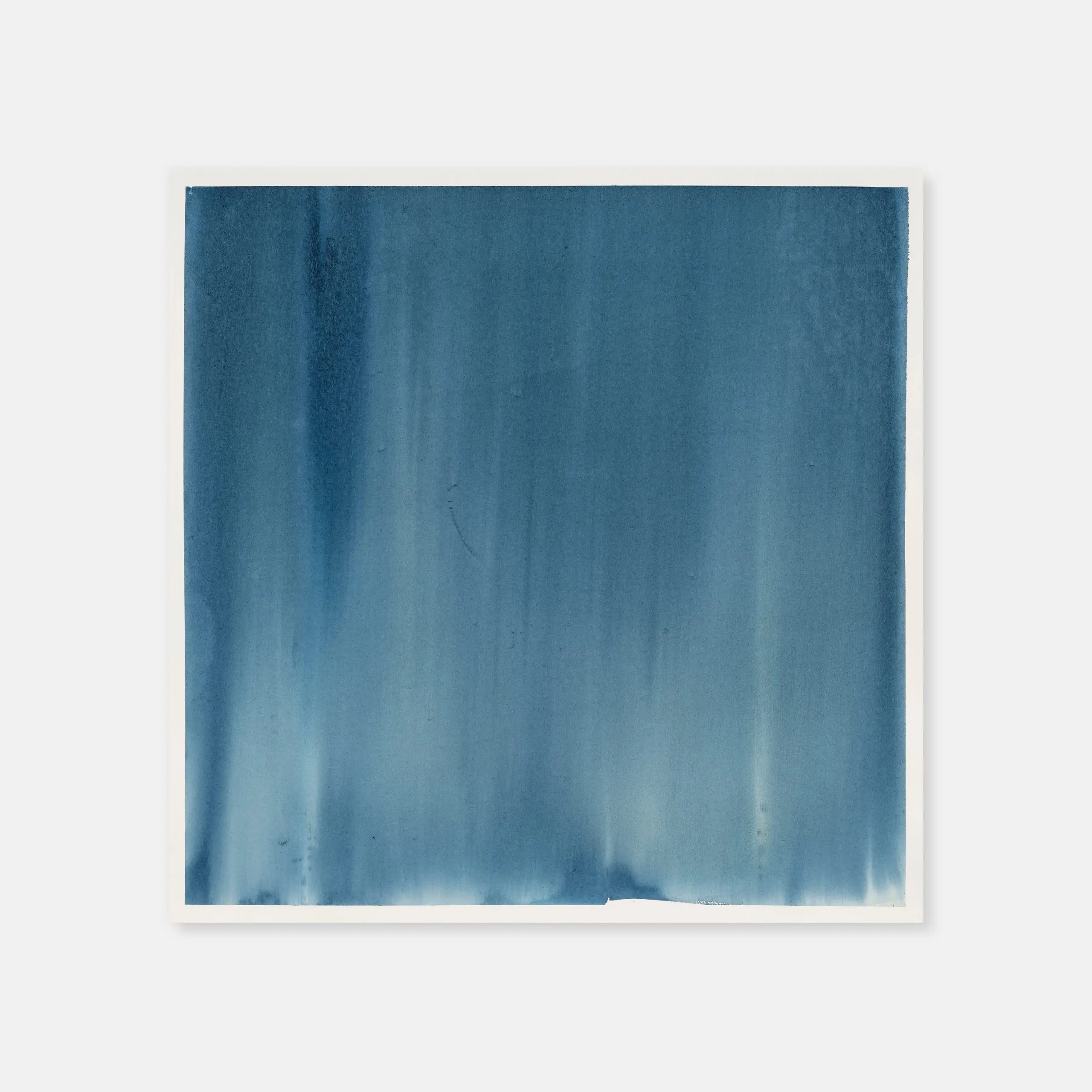
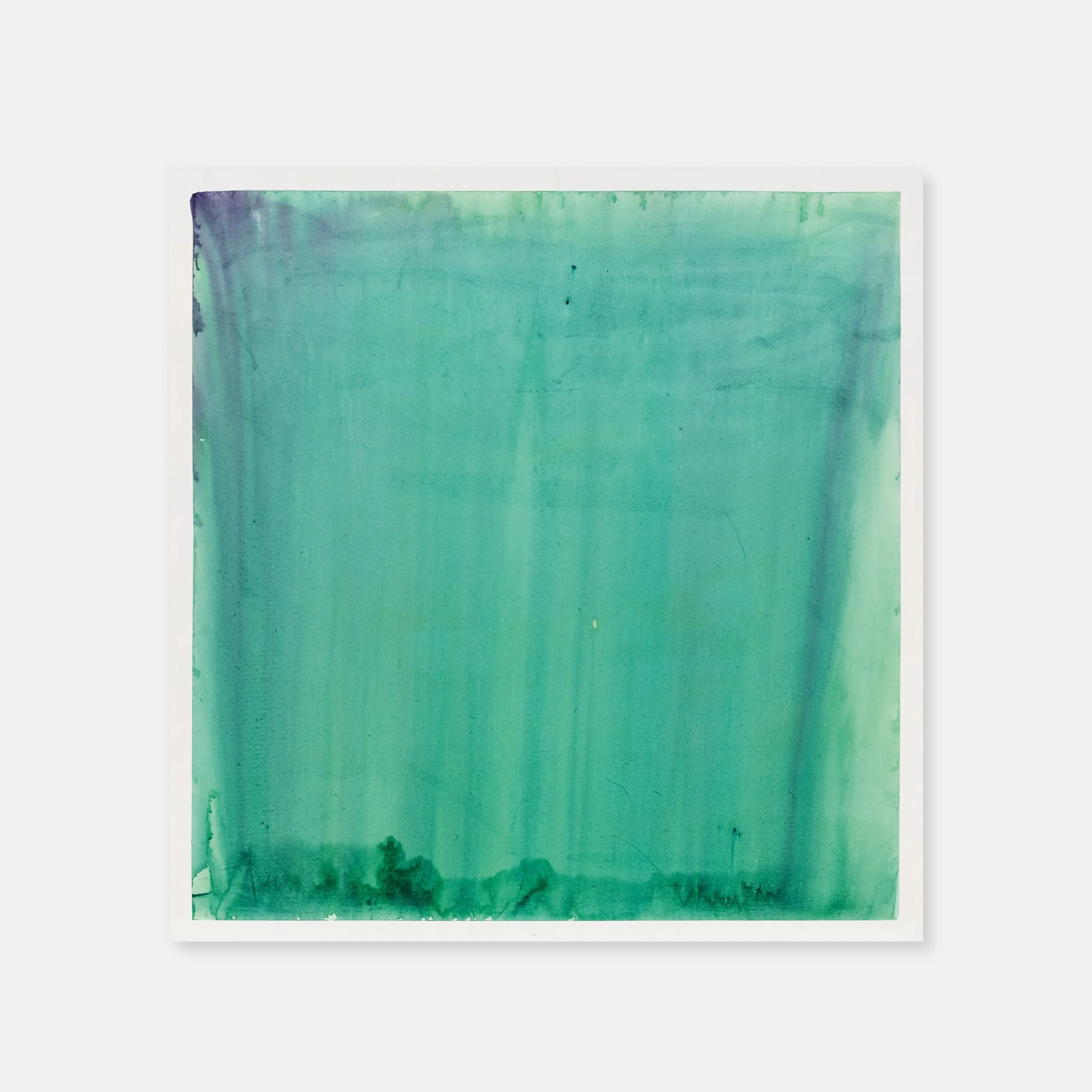
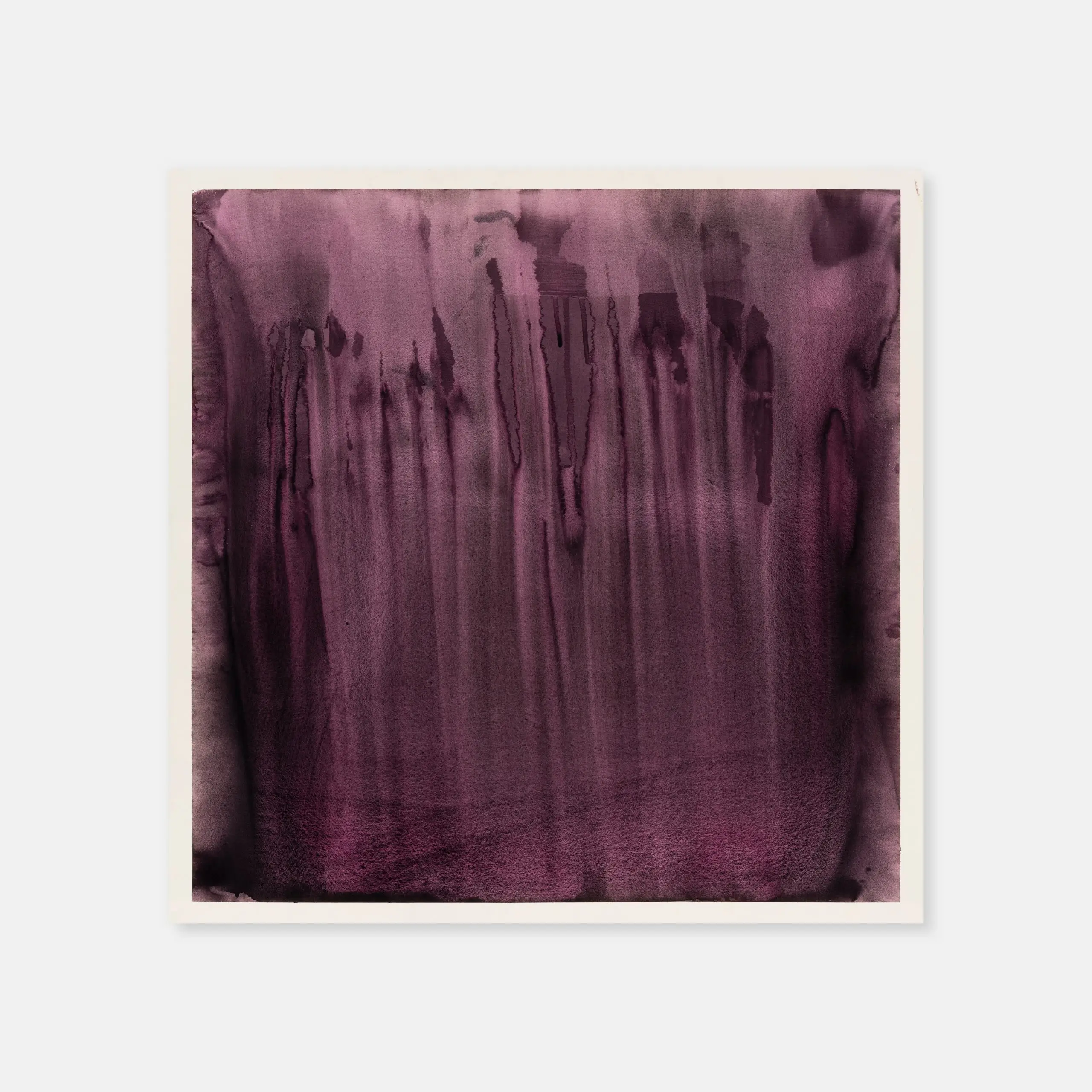
At the heart of the exhibition are the works of Maria Ana Vasco Costa, Márcio Vilela y Ariamna Contino, three artists whose practices are articulated with the investigation of the natural space from different and complementary perspectives. Vasco Costa works as a pictorial register. María Ana Vasco Costa's painting is not limited to the representation of the forest, but acts as a vehicle of memory, incorporating the sensitive and the beautiful.
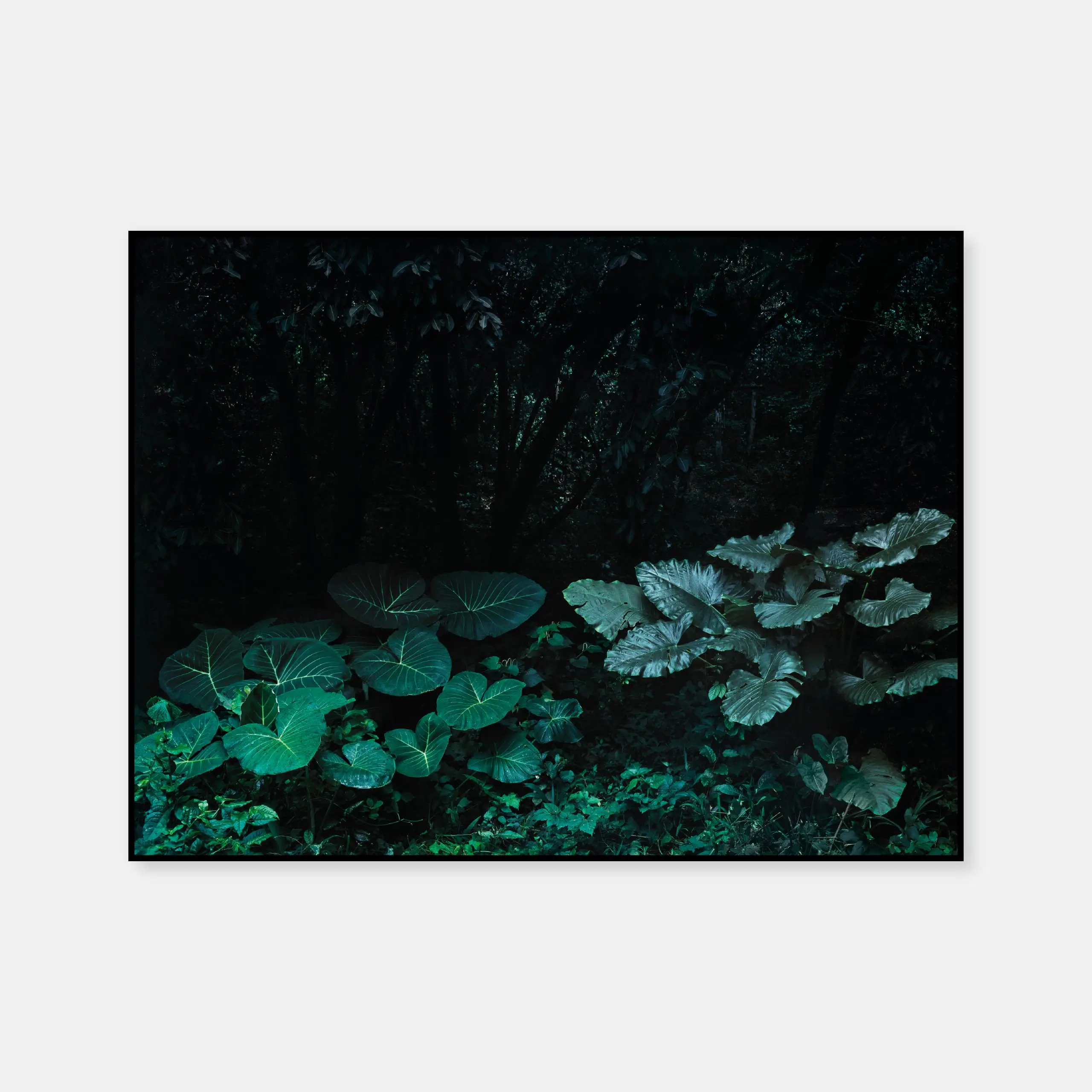
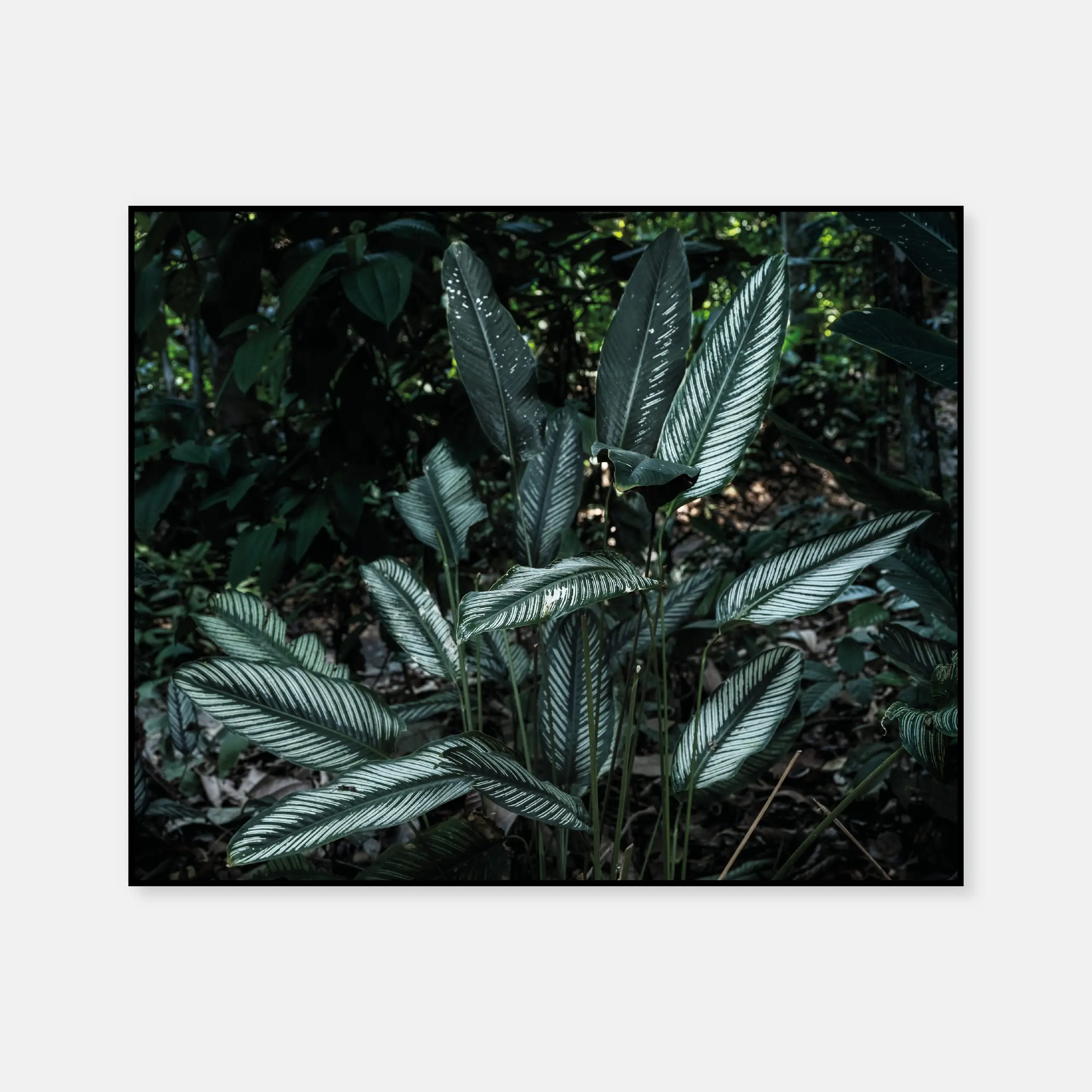
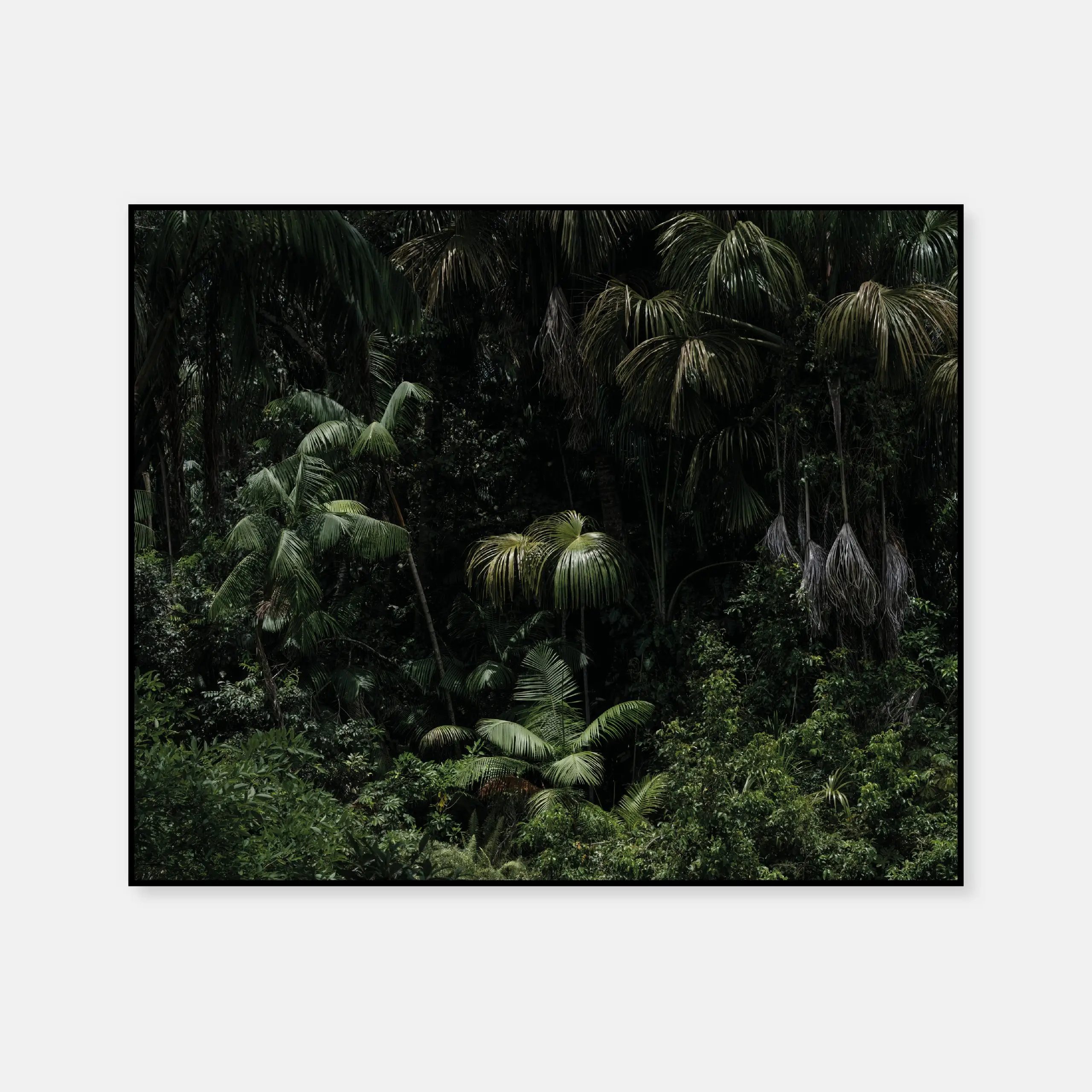
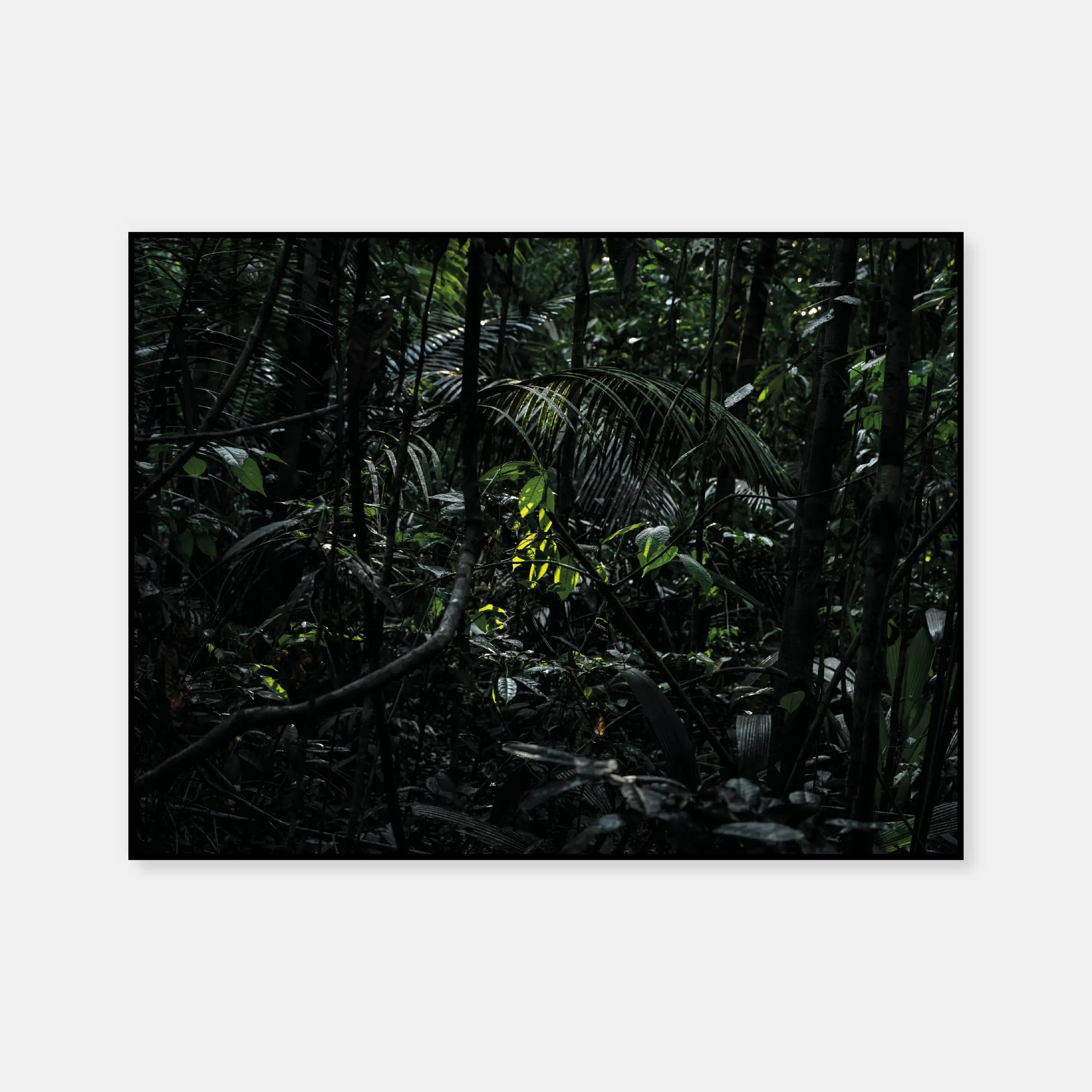
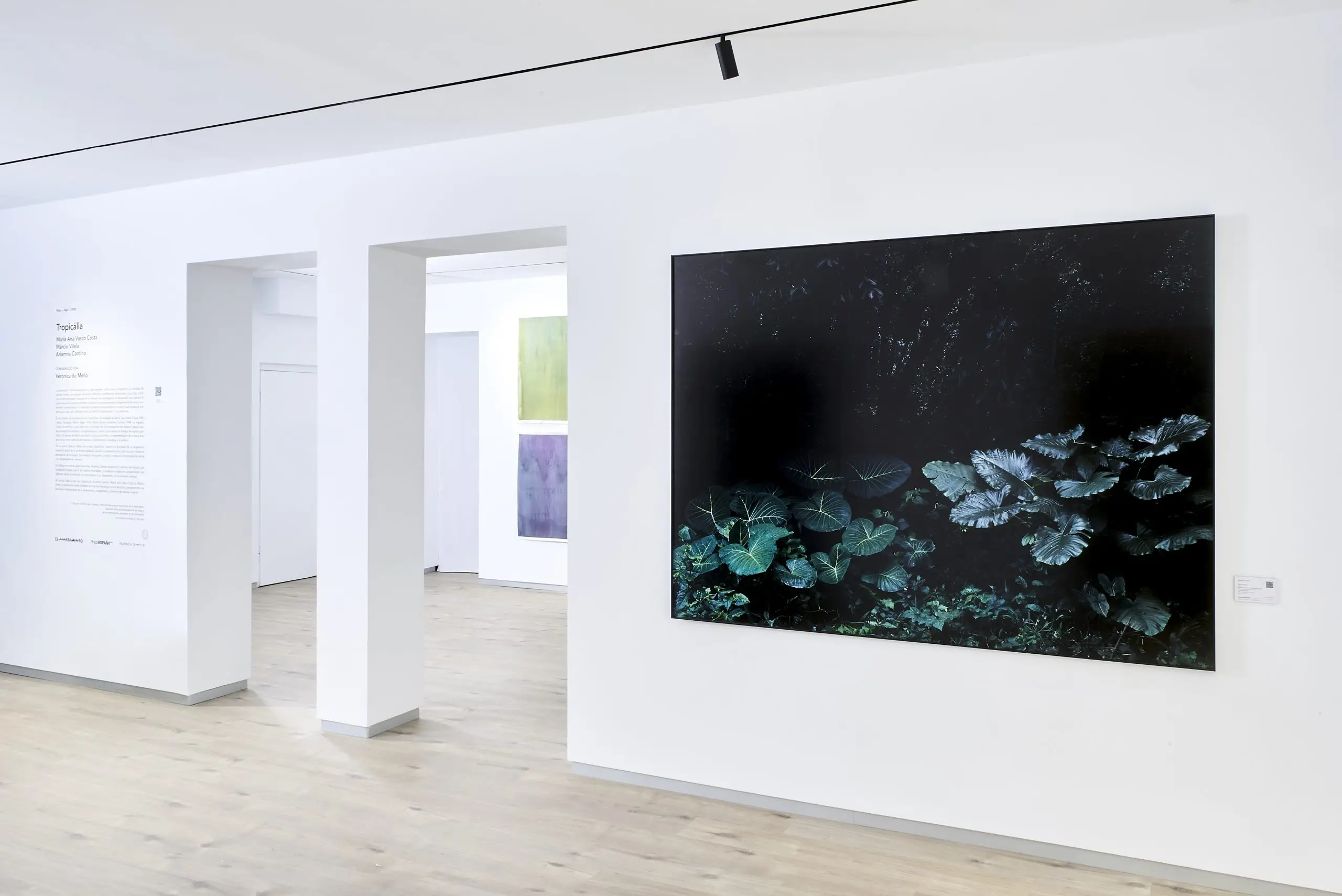
Meanwhile, Márcio Vilela, in the series Superflora, explores the density of tropical vegetation through sensorial immersion, where the physical experience of the forest shapes the perception of the image. His works -photographs and videos- translate the intensity of the green and the complexity of the environment, proposing to the viewer a direct relationship with nature that defies conventional orientation and perception. Vilela's work takes up, in a contemporary way, the Humboldtian approach to landscape as a totalizing experience, in which science, sensibility and imagination meet.
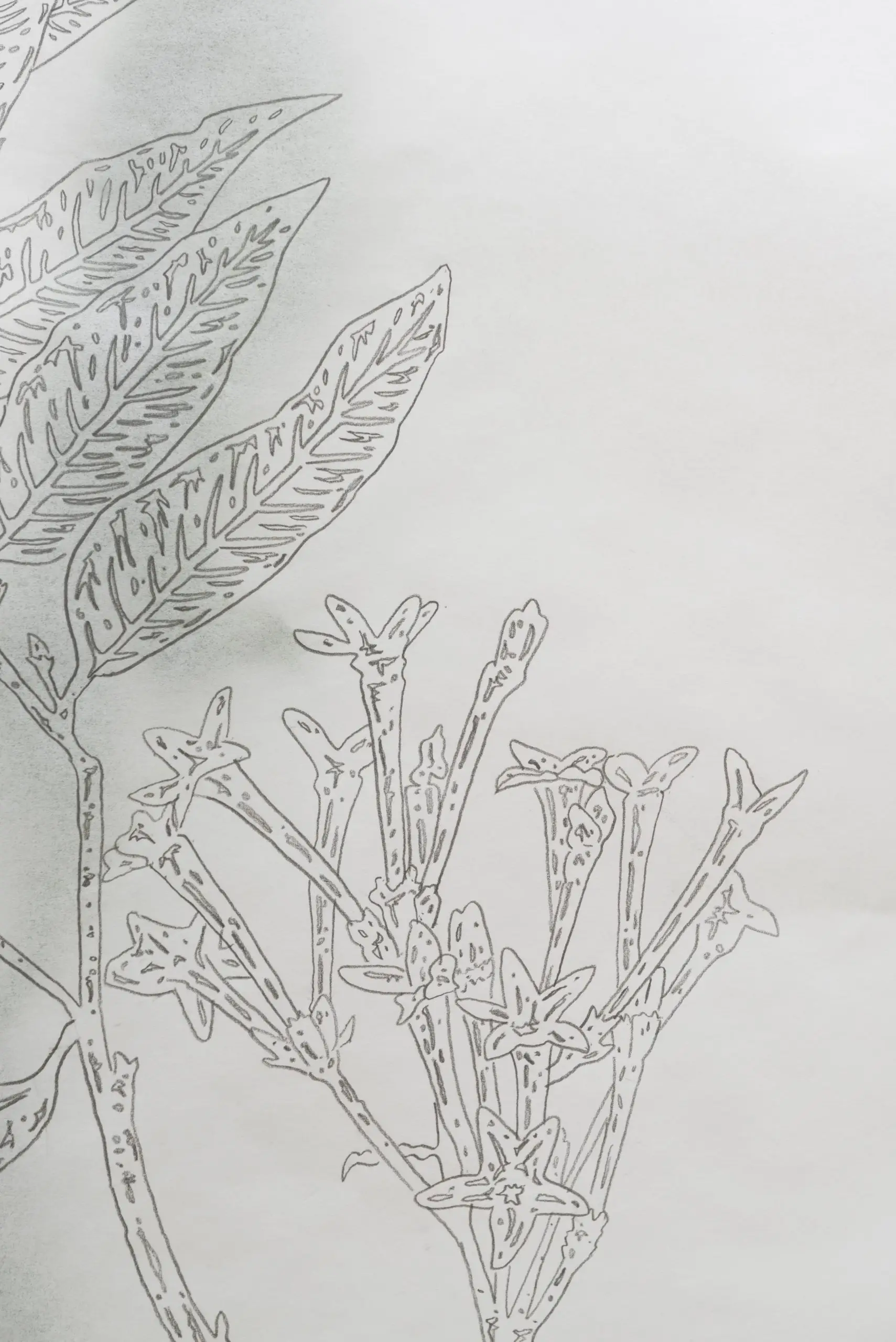
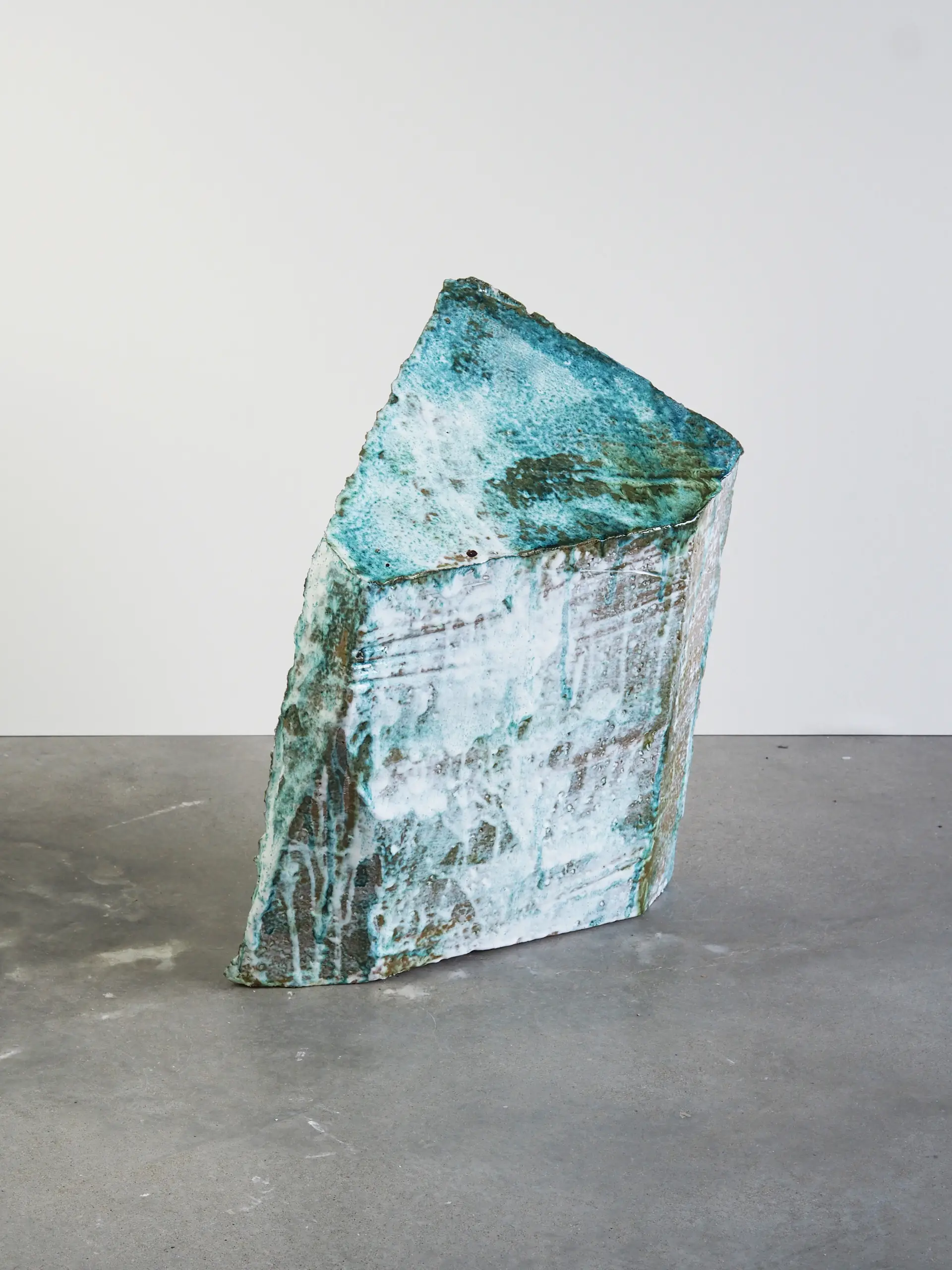
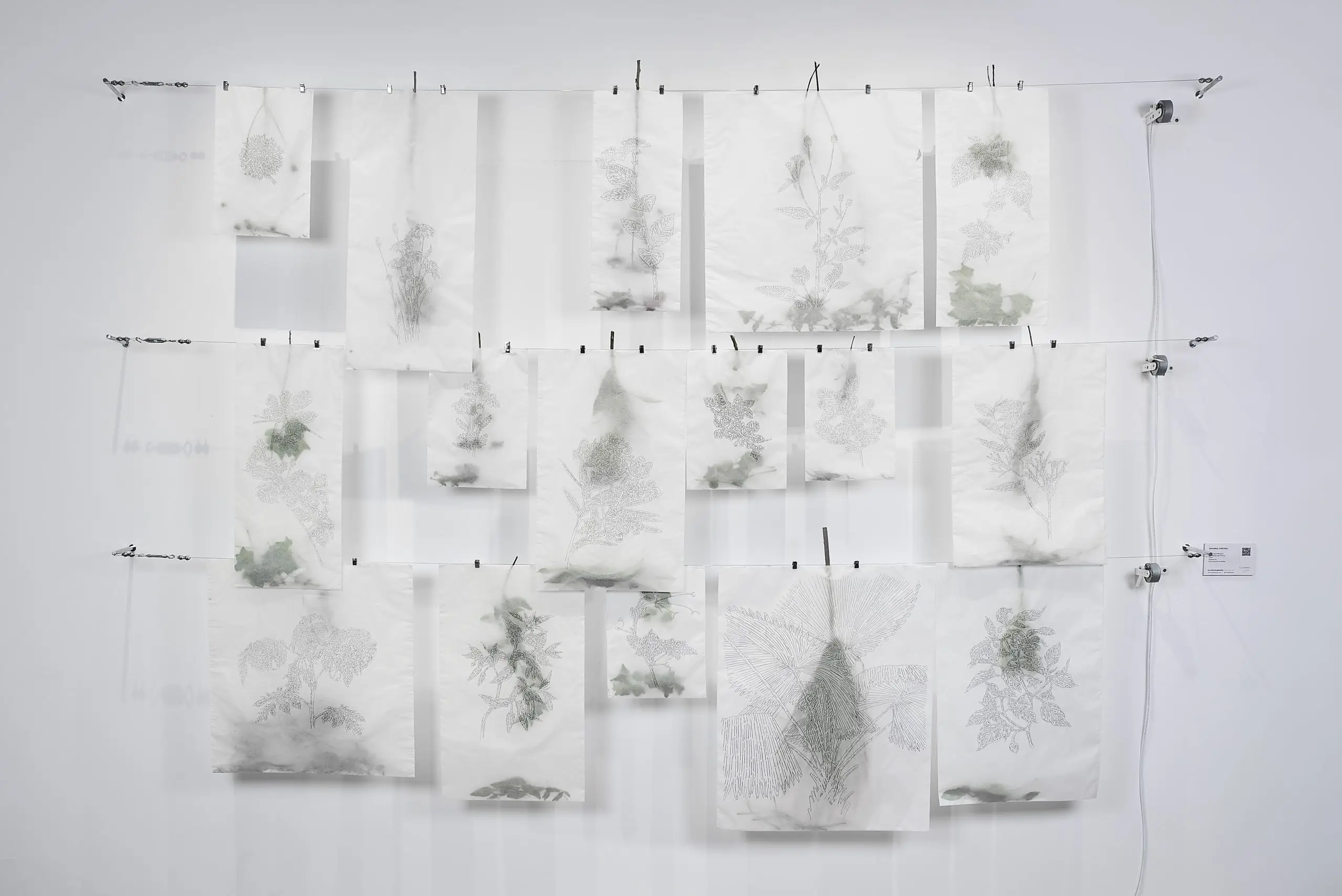
In dialogue with these approaches, Ariamna Contino presents The history collector, an installation belonging to his series Manigua. From knowledge linked to traditional medicine, Contino proposes a reflection on memory, knowledge and its transmission, recovering the manigua as a dense and living territory, typical of the tropical imaginary. The work thus activates a landscape that is not limited to the visual, but is constructed as a process. In this sense, her work introduces a sensitive and experimental dimension that broadens the notion of territory present in the exhibition.
The curatorial proposal of Tropicália is part of a tradition of landscape artists of the early twentieth century, who sought to capture the essence of territories still little explored or little known to the urban public. Like Johann Moritz Rugendas, Ferdinand Bellermann Like other naturalist artists and traveling painters, Vasco Costa, Contino and Vilela put the body and the gaze in direct contact with the territory, recognizing its ecological, historical and perceptual complexity. The exhibition aims to create a dialogue between past and present, between representation and experience, inviting the public to experience the landscape in a conscious, sensitive and critical way.
Tropicália thus proposes not only to present images, but to generate an experience of discovery and reflection on nature, memory and time. In keeping with the Humboldtian tradition, the exhibition shows that understanding the landscape requires attention, exploration, and openness to that which has not yet been seen or fully understood. By placing the works of Maria Ana Vasco Costa, Ariamna Contino and Márcio Vilela side by side, the exhibition reveals multiple ways of interacting with the territory, proposing a contemporary reading of the exuberance, complexity and power of the Brazilian tropical landscape. It is proposed that the physical experience of the journey and the iconic translation of the landscapes converge in installation, video and painting, inviting the viewer to mentally reconstruct the journey experienced by the artists. Veronica de Mello
 EN
EN  ES
ES  IT
IT  FR
FR  ZH
ZH  PT
PT