
 EN
EN  ES
ES  IT
IT  FR
FR  ZH
ZH  PT
PT 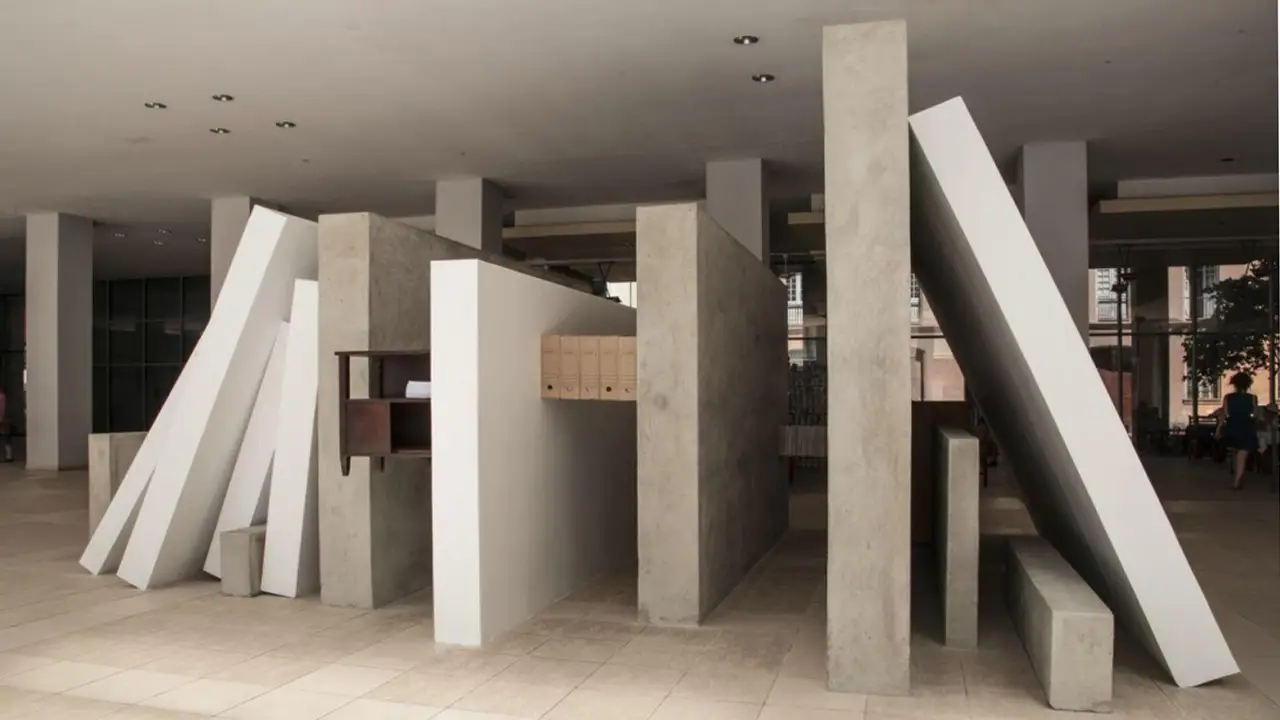
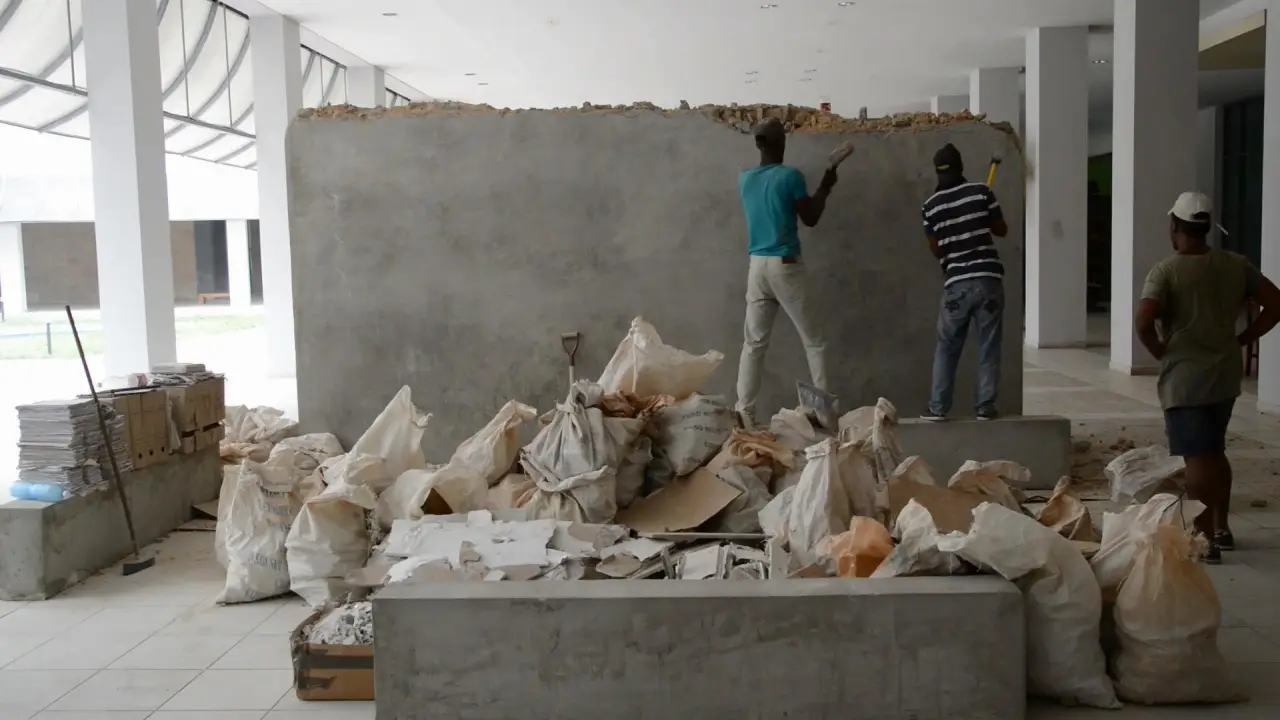
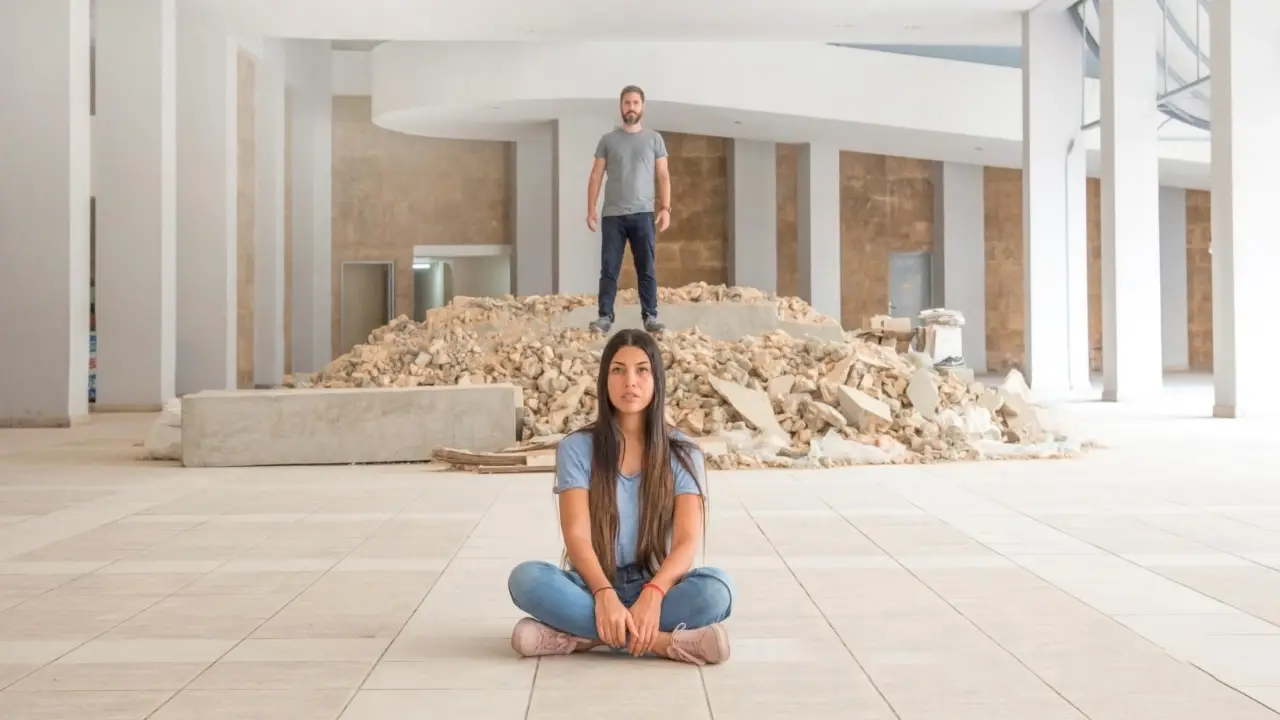
Recovery, 2017
Installation
Concrete, drywall, a desk, and a filing cabinet at the National Museum of Fine Arts
Variable dimensions
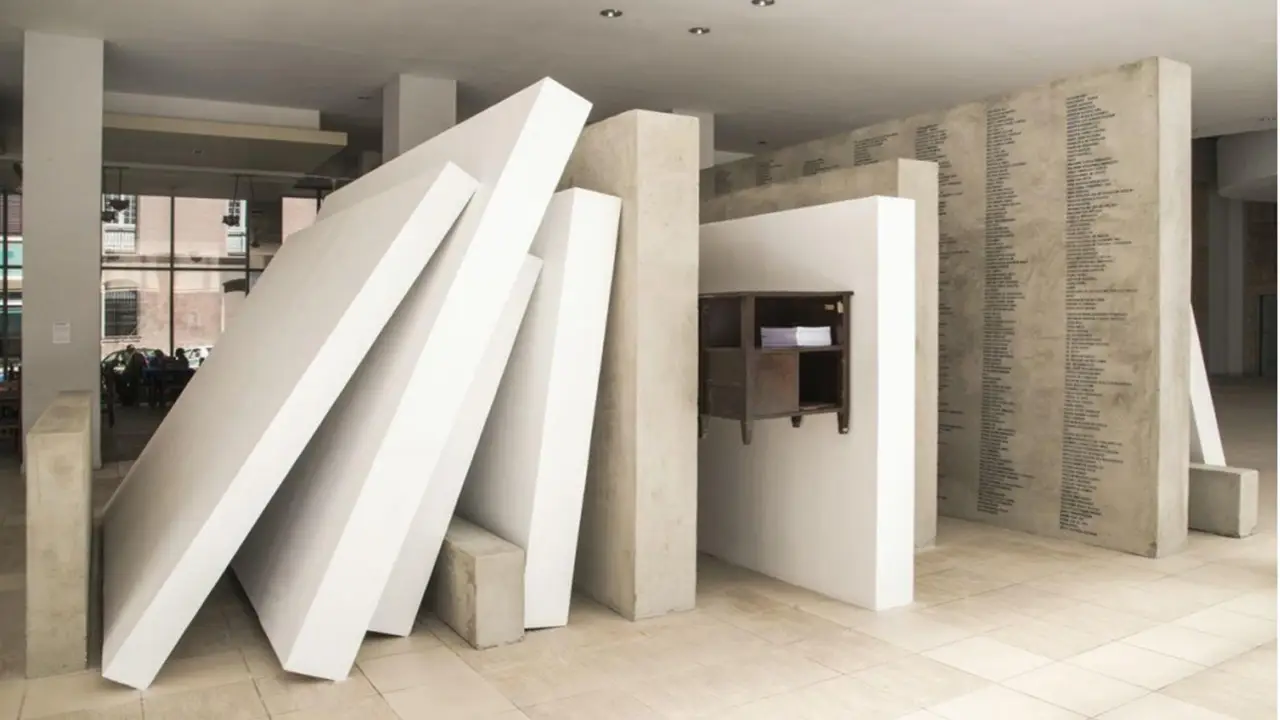
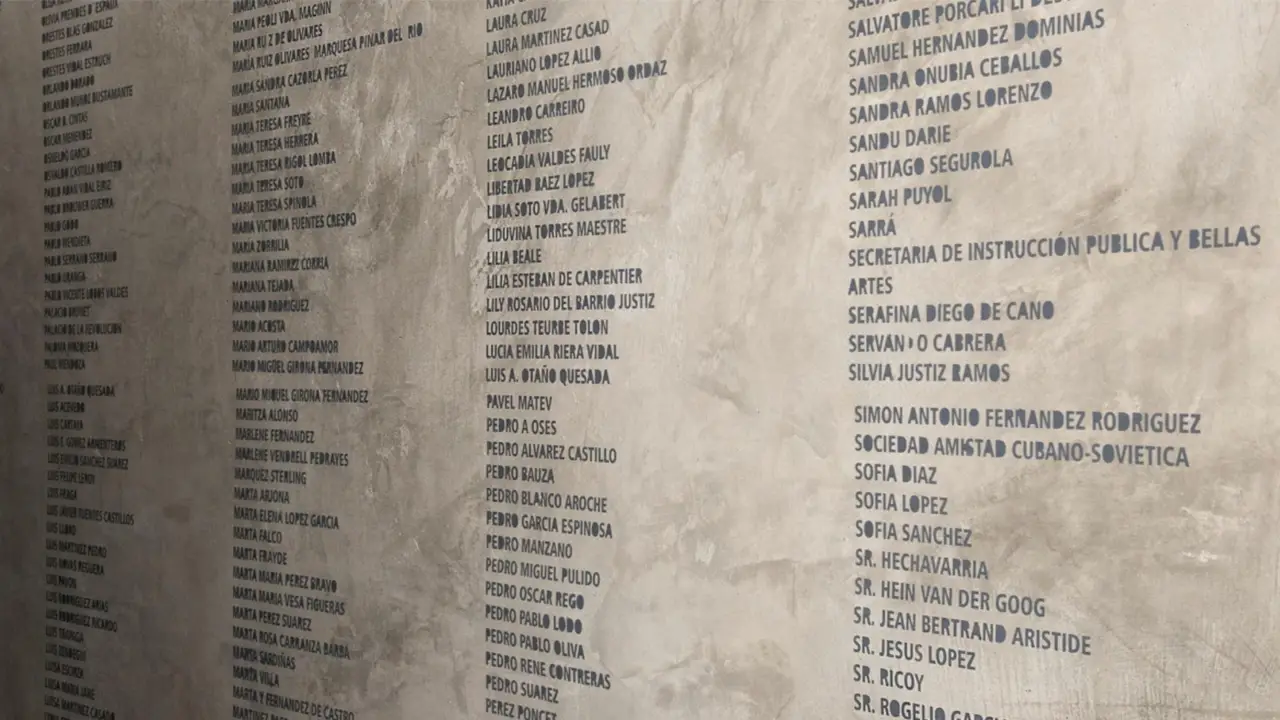
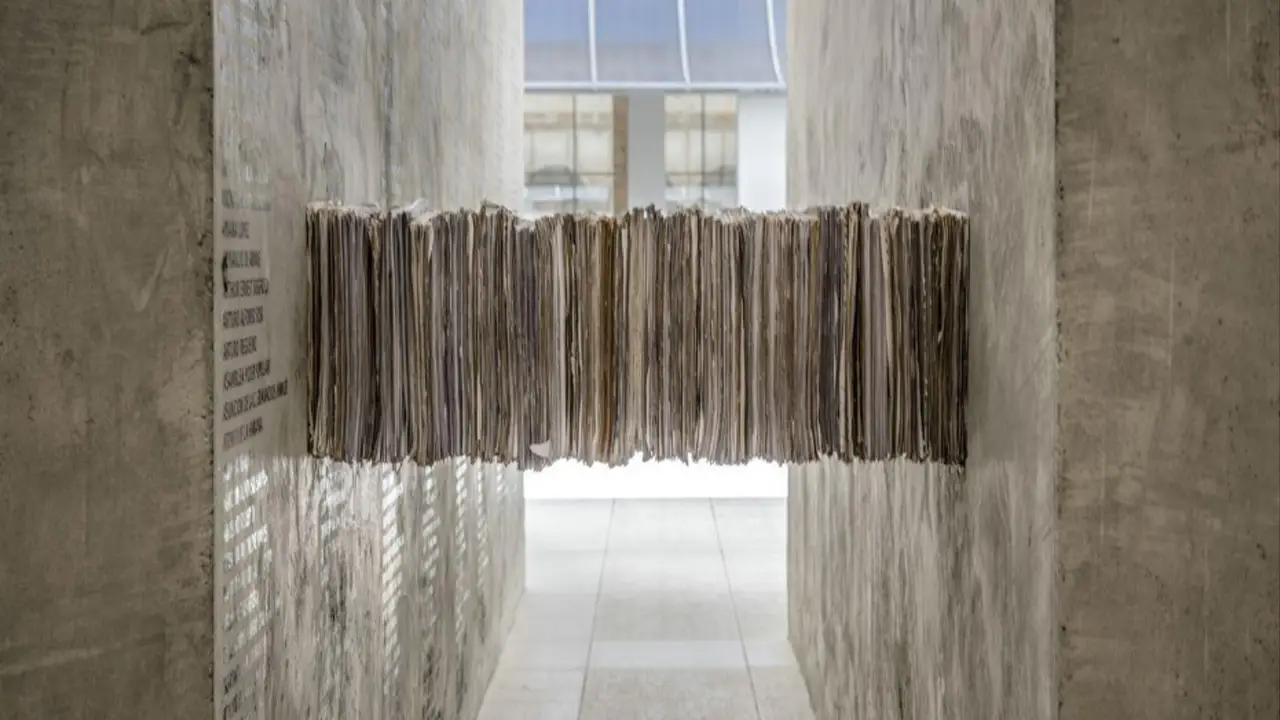
Recovery It is the result of a direct examination of the archives of the National Museum of Fine Arts of Cuba and of the research that has focused on these documentary collections. Throughout the history of this institution, and as a result of the processes involved in building its collections, inventory records have documented the provenance, nature, donors, dates of acquisition, and other details of each of the works that make up the largest state-owned collection of Cuban art.
The information extracted from this archive takes the form of volumes that, interconnected and arranged in space, rest on top of one another like paintings stacked in a warehouse. These structures can be interpreted in light of the phenomena that have shaped the art institution in Cuba and the dynamics of its collecting practices.
The load-bearing structures of the museum building are reduced here to their bare essentials: concrete walls that create an open-ended space—one that allows for free movement and circulation—similar to an exhibition gallery. The monumental character inherent in each volume reflects both the historical and symbolic significance of the institution and the magnitude of the collection it houses.
For its part, the seemingly random and chaotic arrangement of each wall alludes to the multiple processes of change and transformation that have taken place within the museum during the various historical periods that shaped its layout. Consequently, each structure varies in height, while their surfaces display the codes corresponding to the categories and methods by which the works were added to the collection: purchase, donation, bequest, recovery, confiscation, discovery, transfer, loan, deposit, as well as unclassified or unprocessed acquisitions.