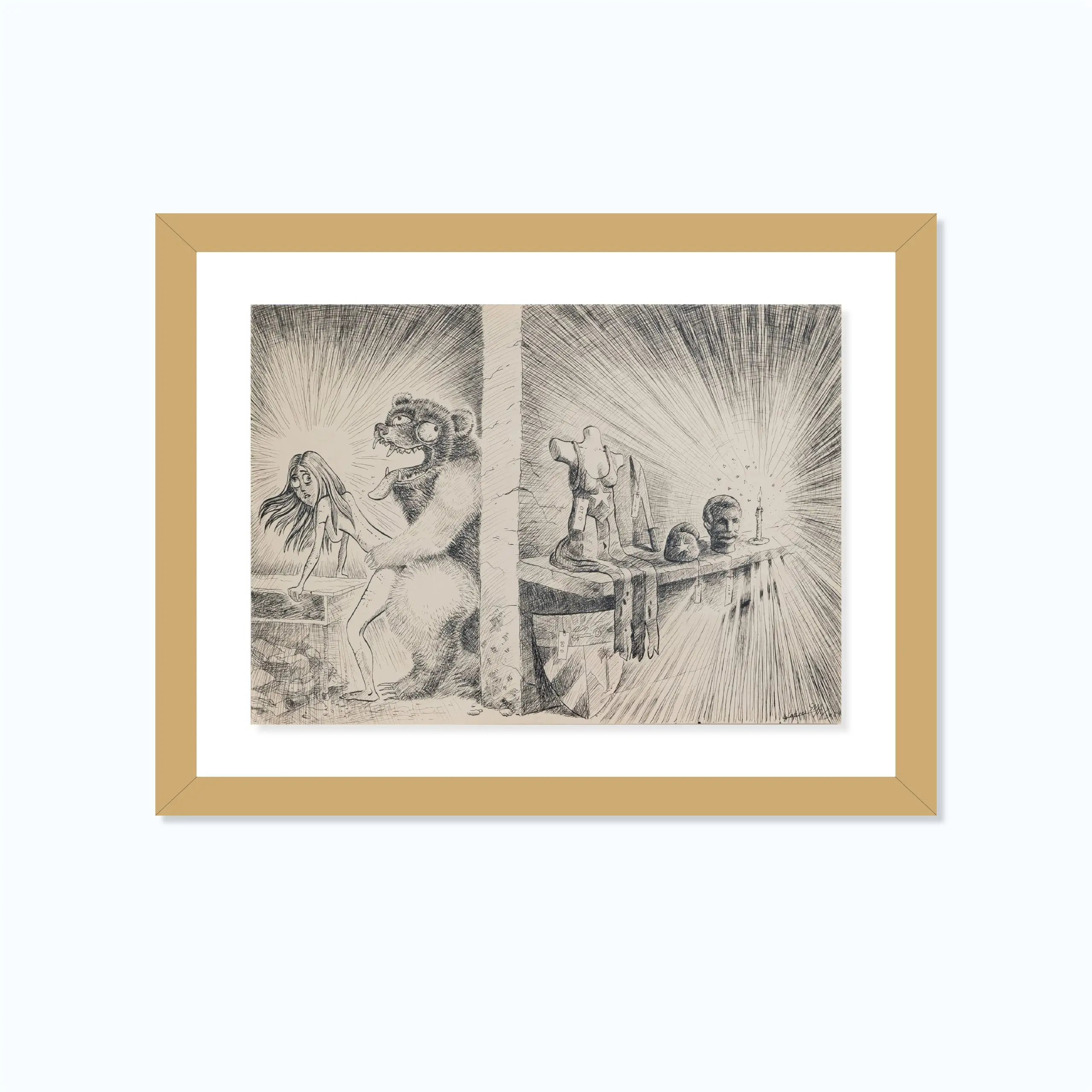
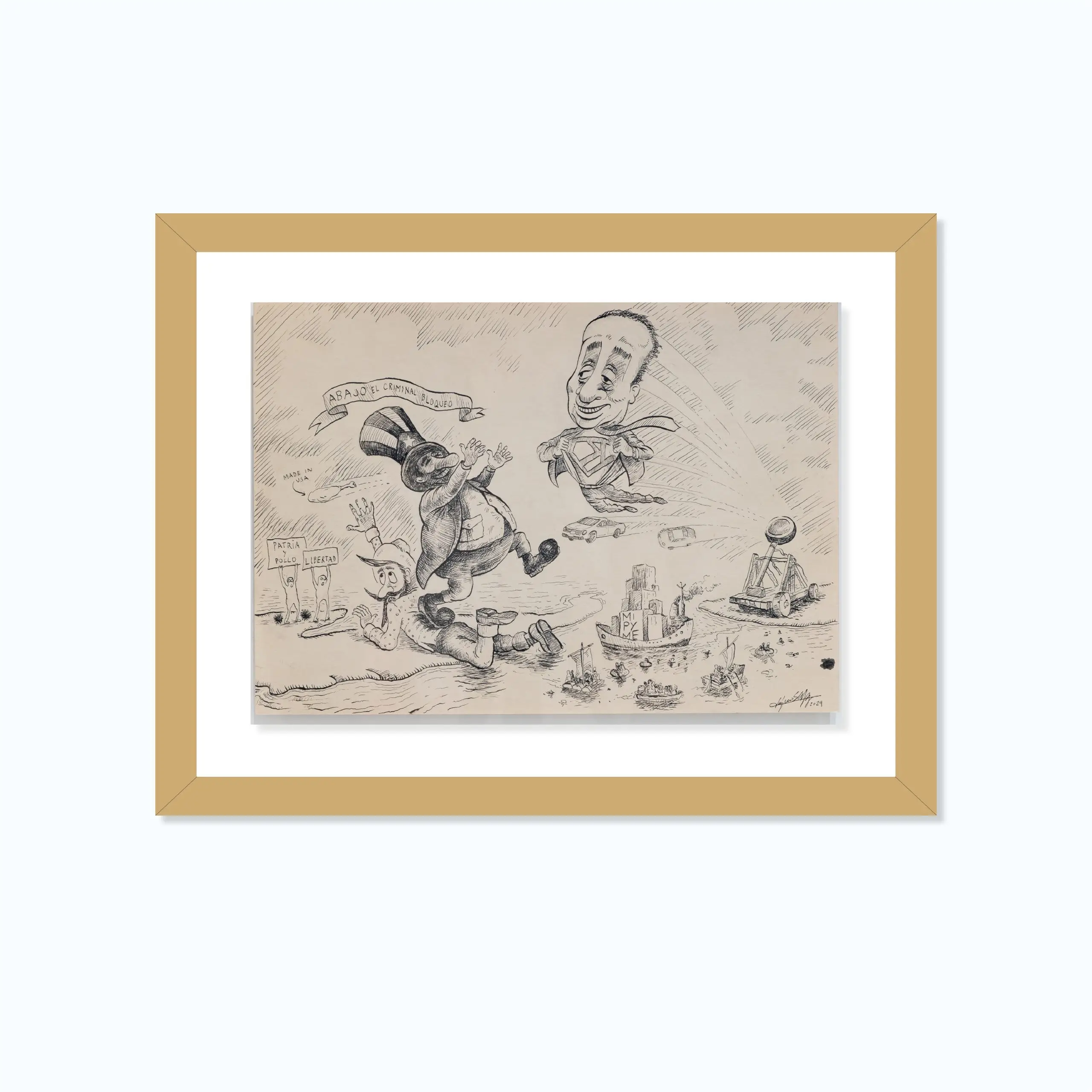
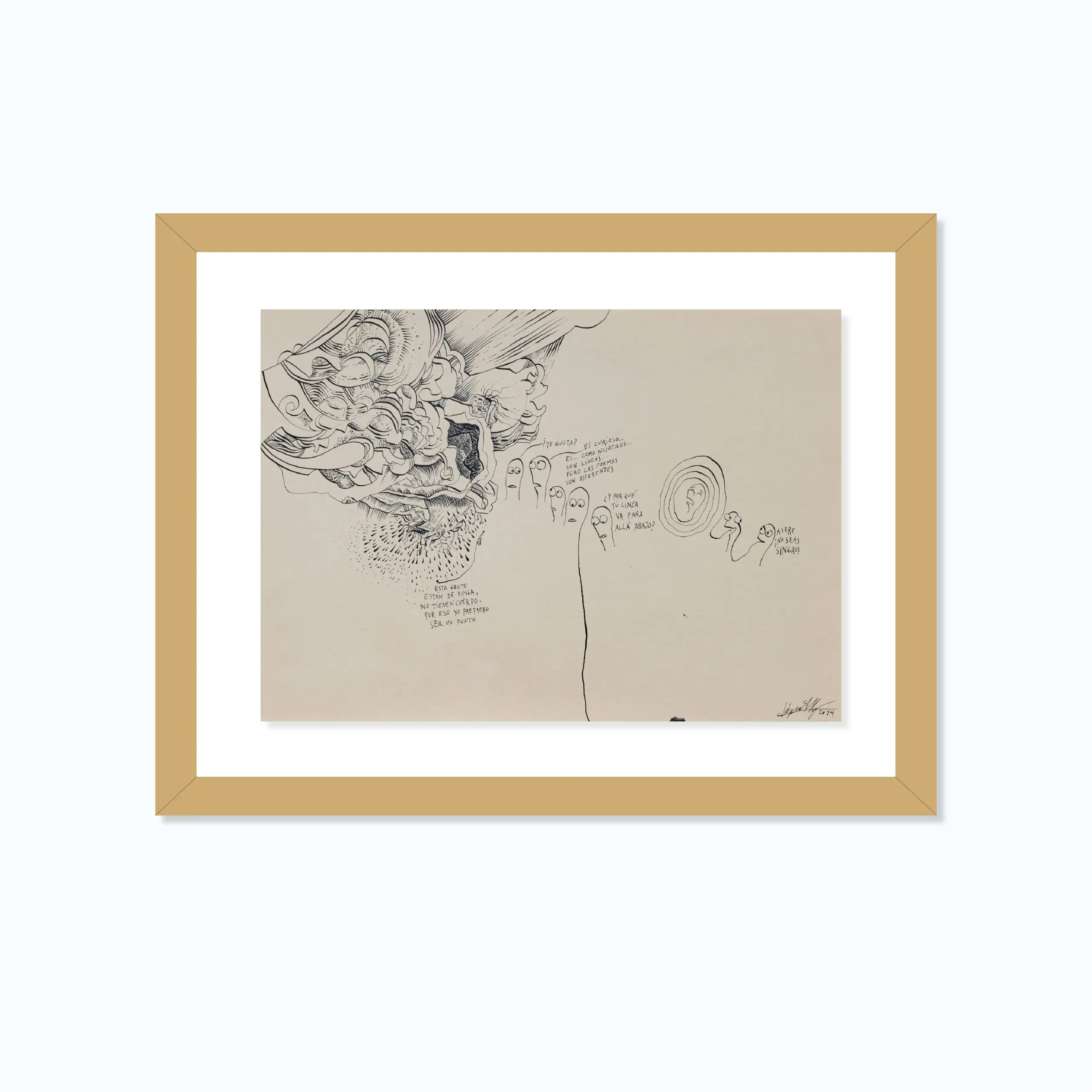
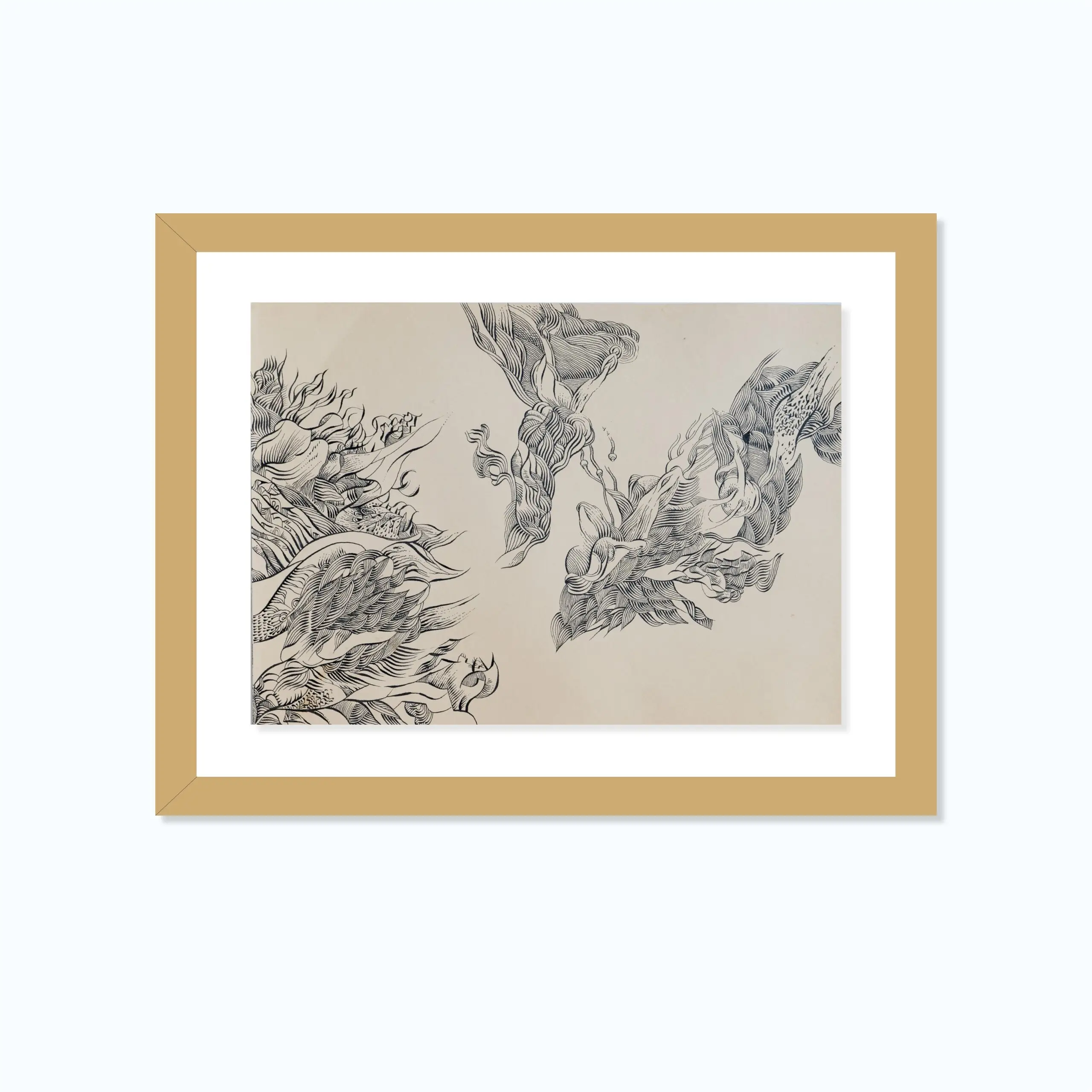
This exhibition is organized on the basis of a hypothesis: there is no isolated image. What appears as an autonomous form is, in reality, the result of repetitions and variations that, once stabilized, cease to be perceived as such.
In this context, the archive is not understood as a deposit of images, but as a relational condition that makes visible the processes that constitute them. Where a singular image is presented as a unit closed in on itself, the series reveals its relational and historically constructed character.
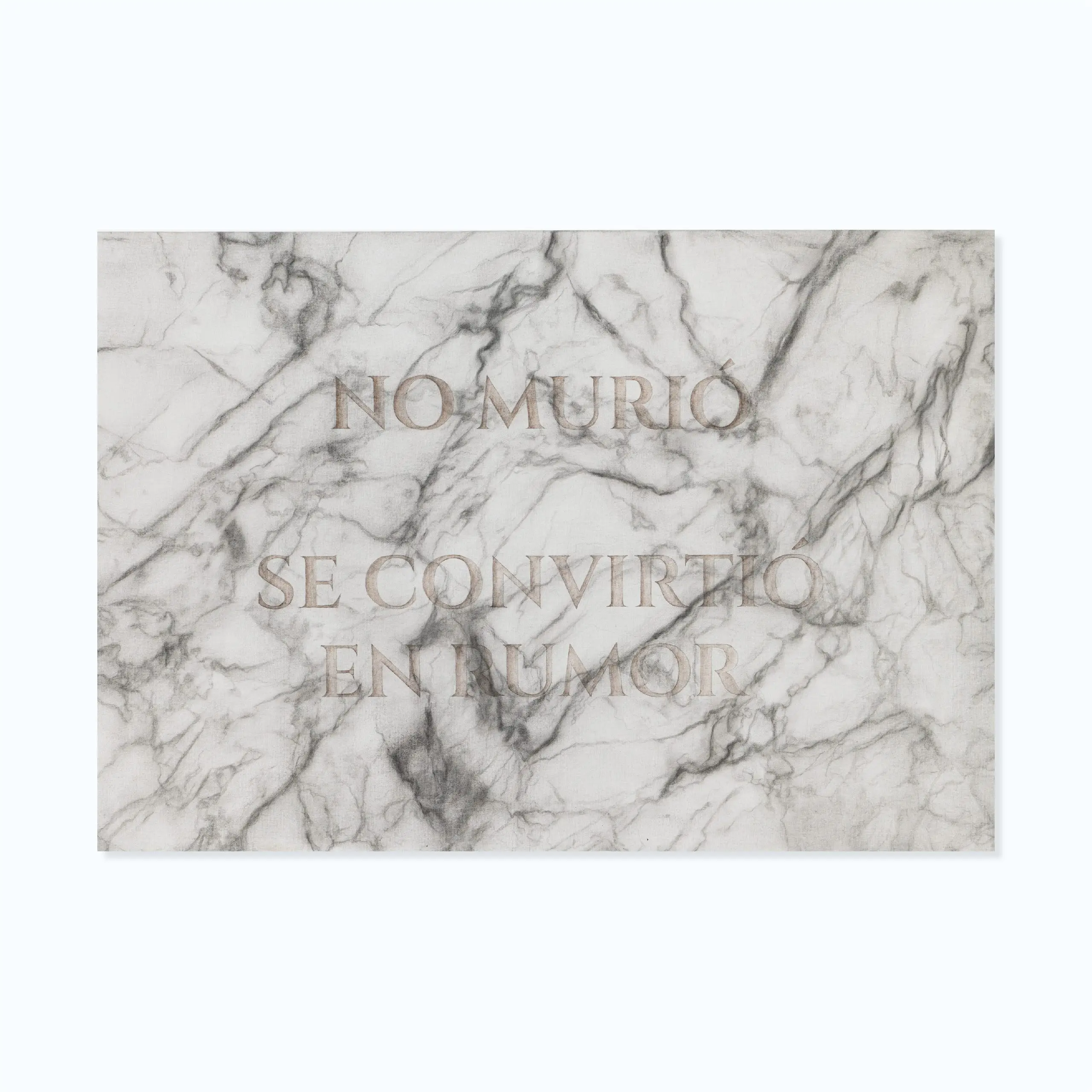
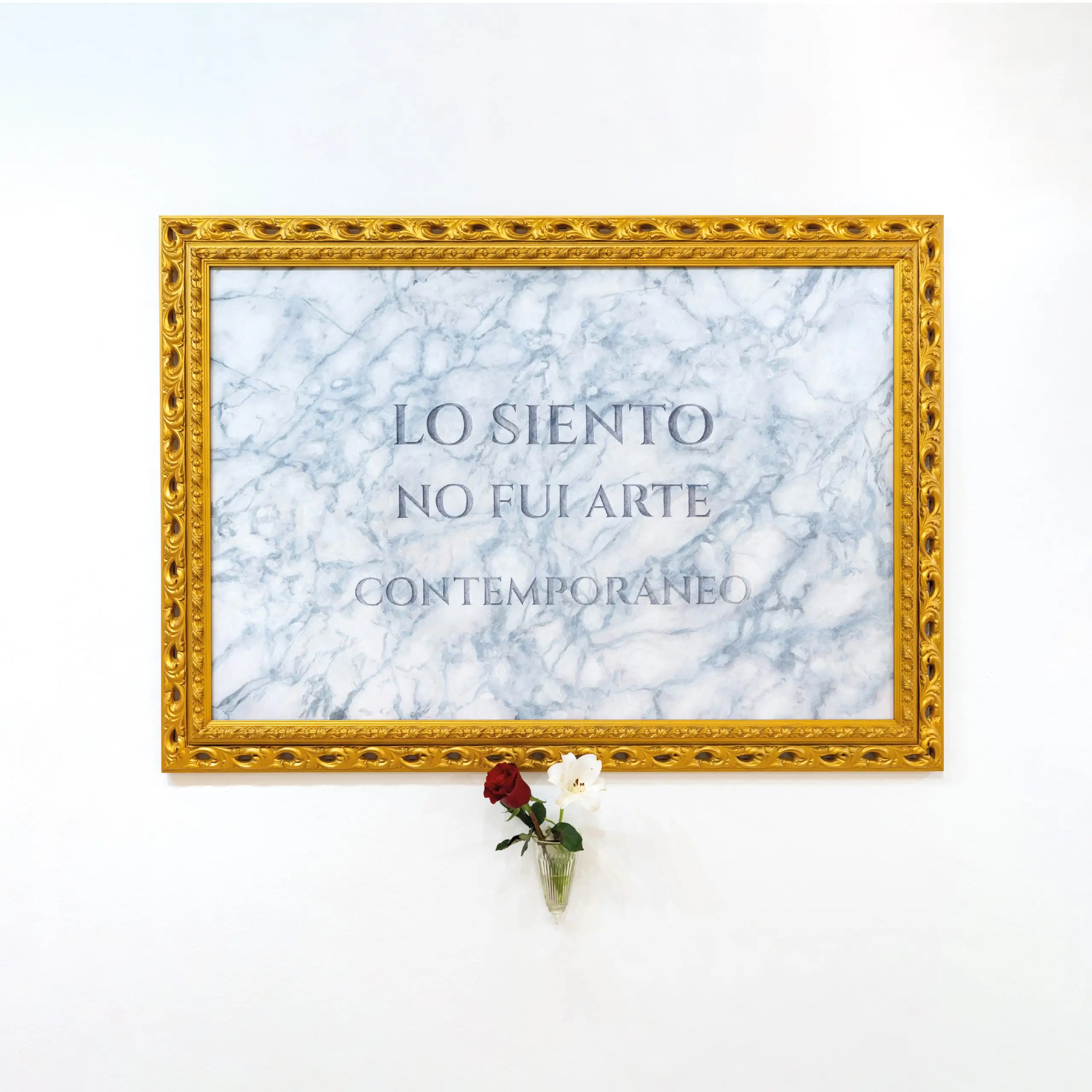
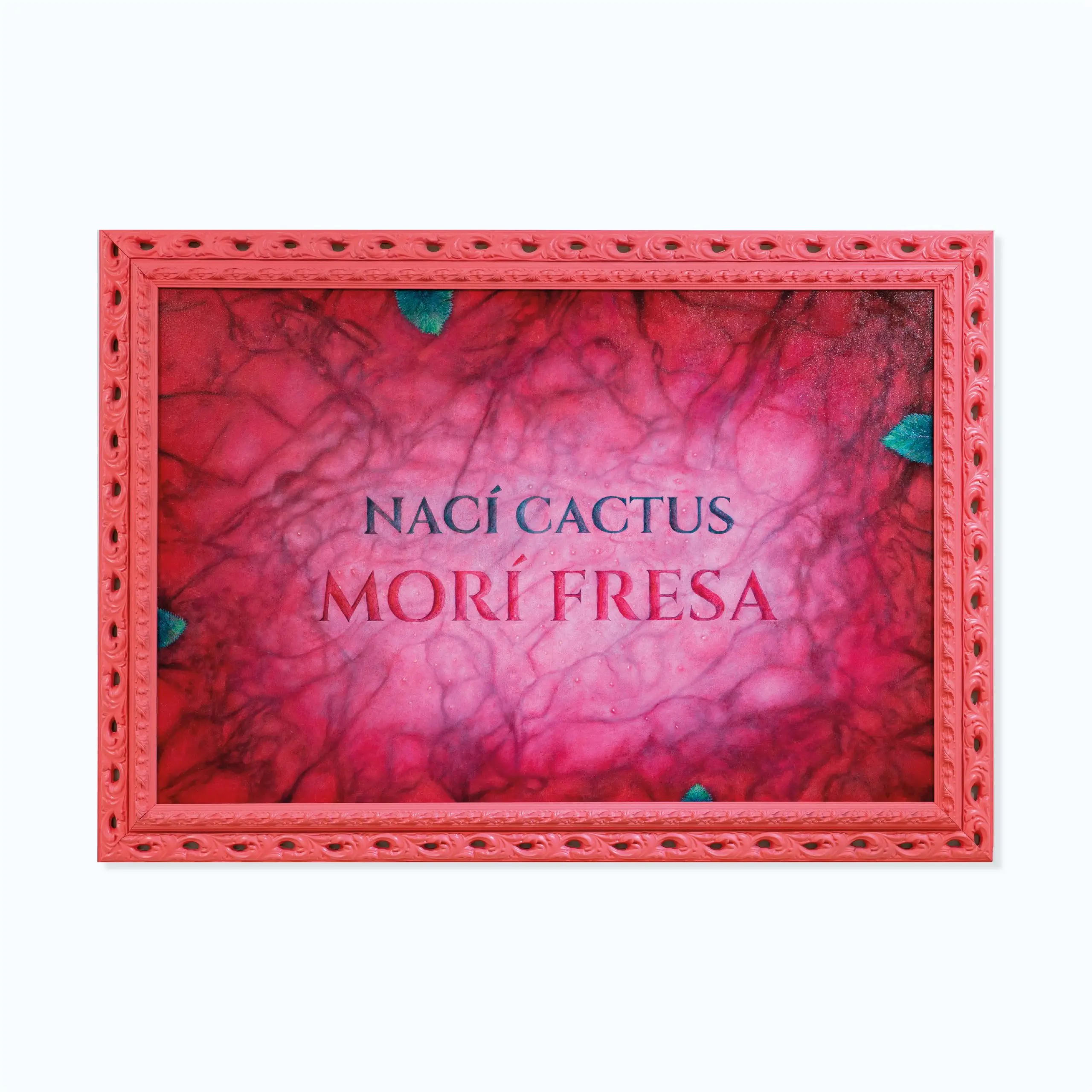
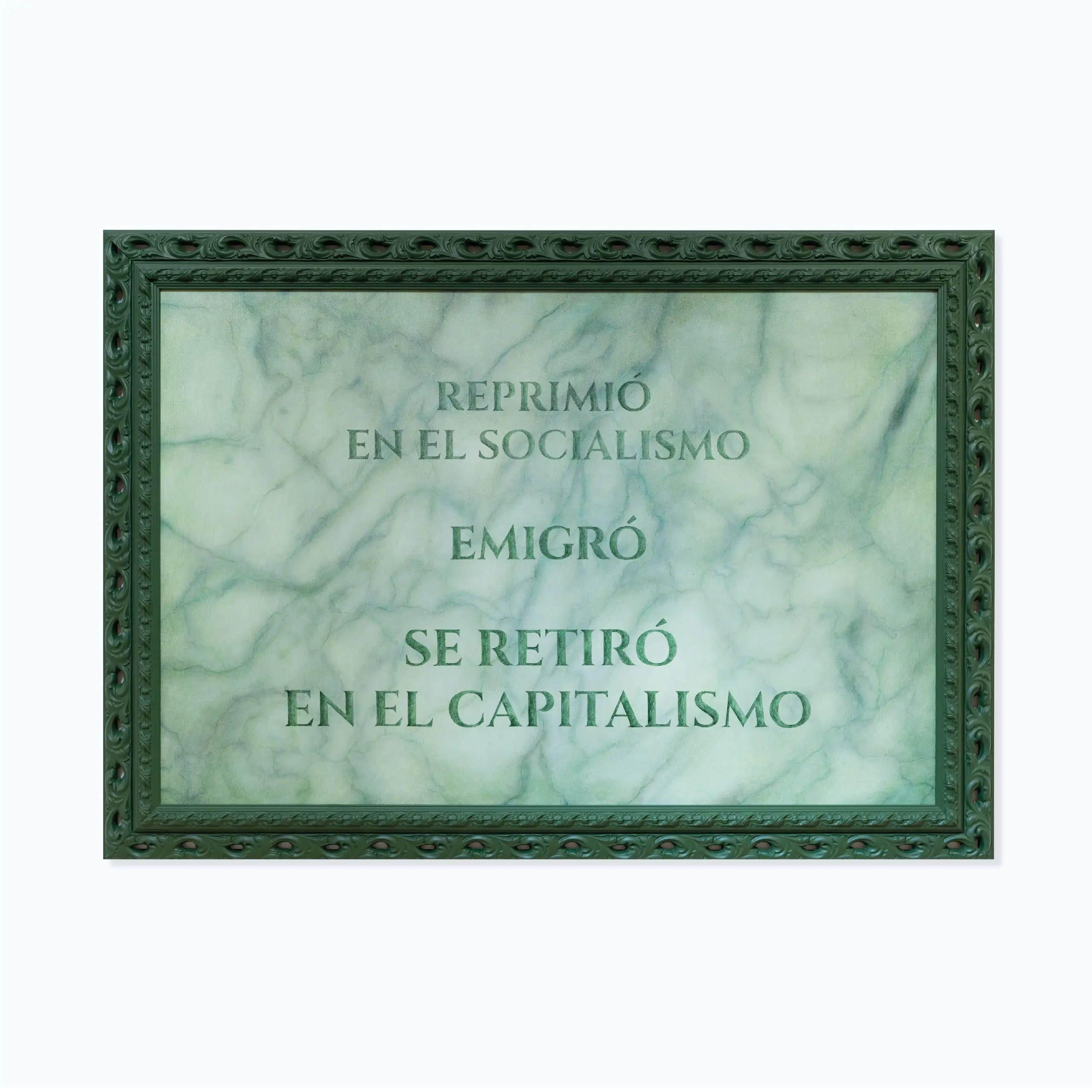
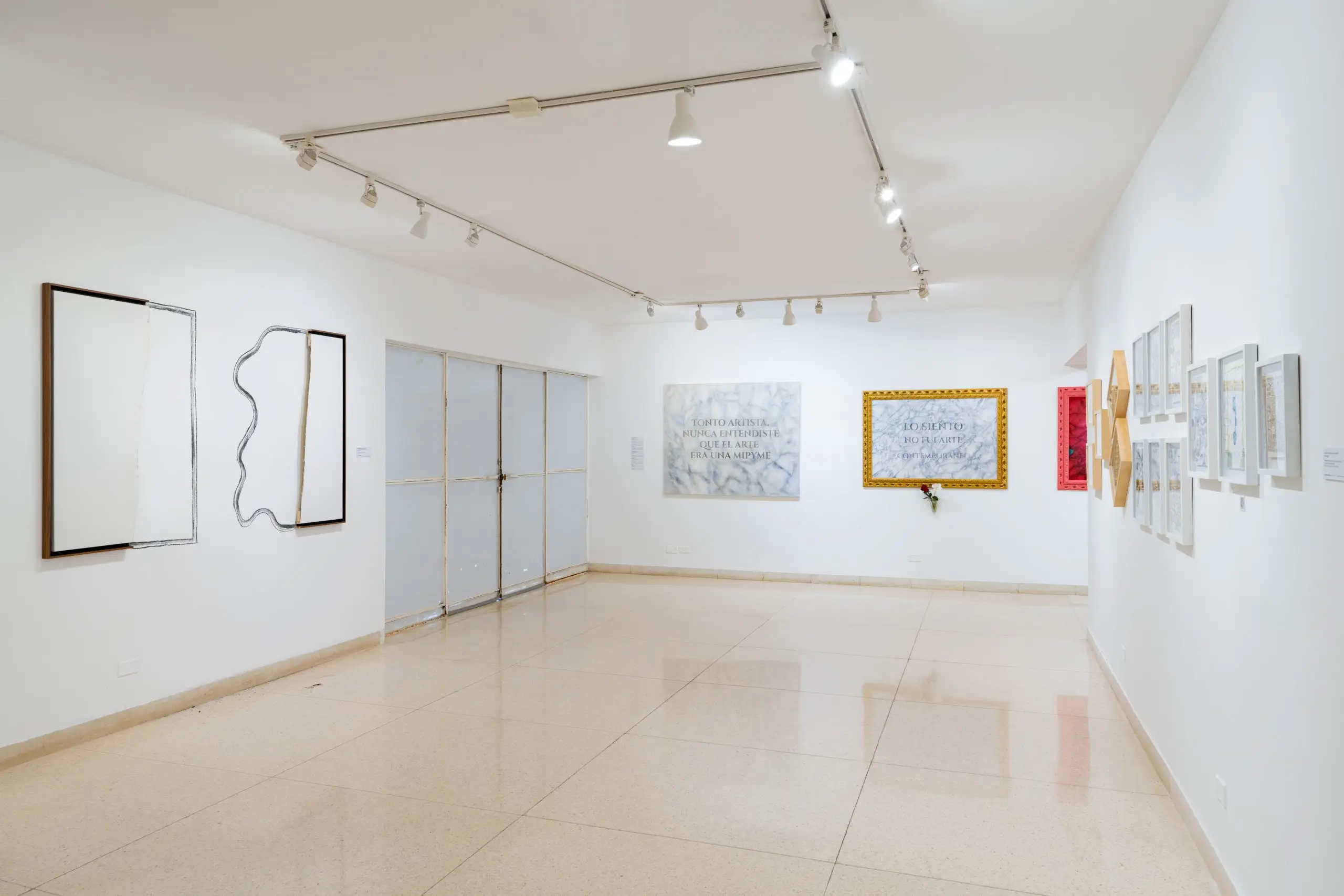
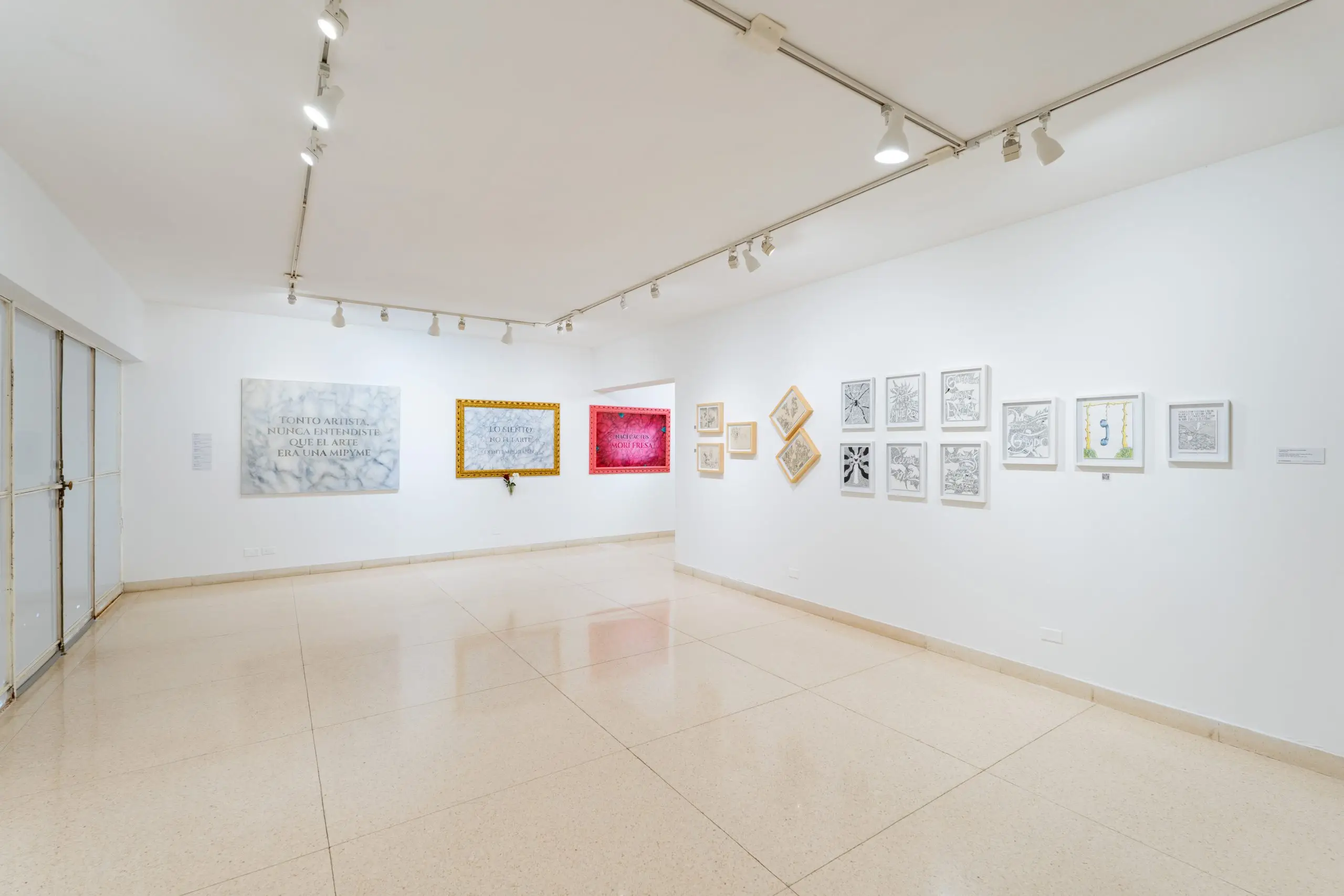
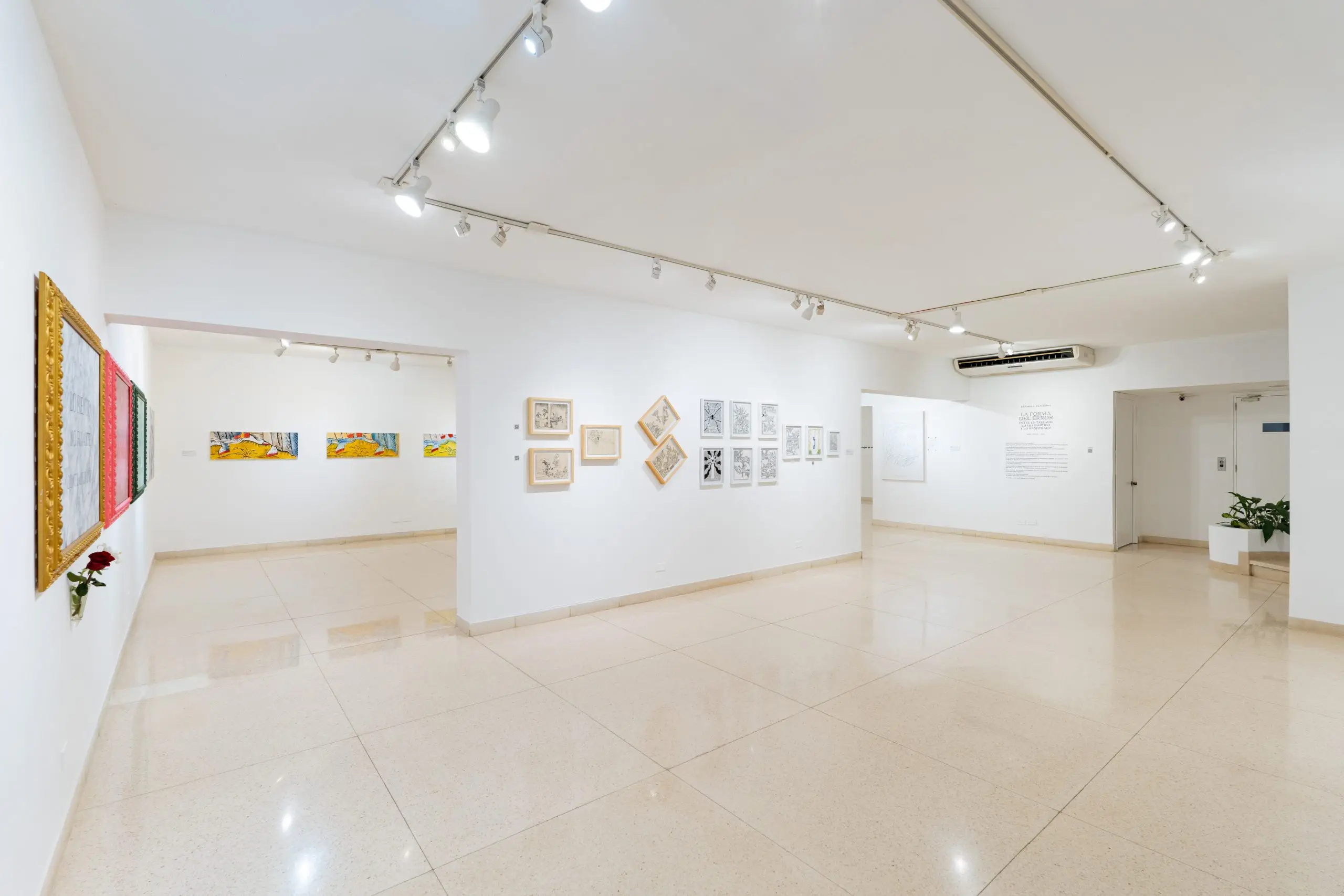
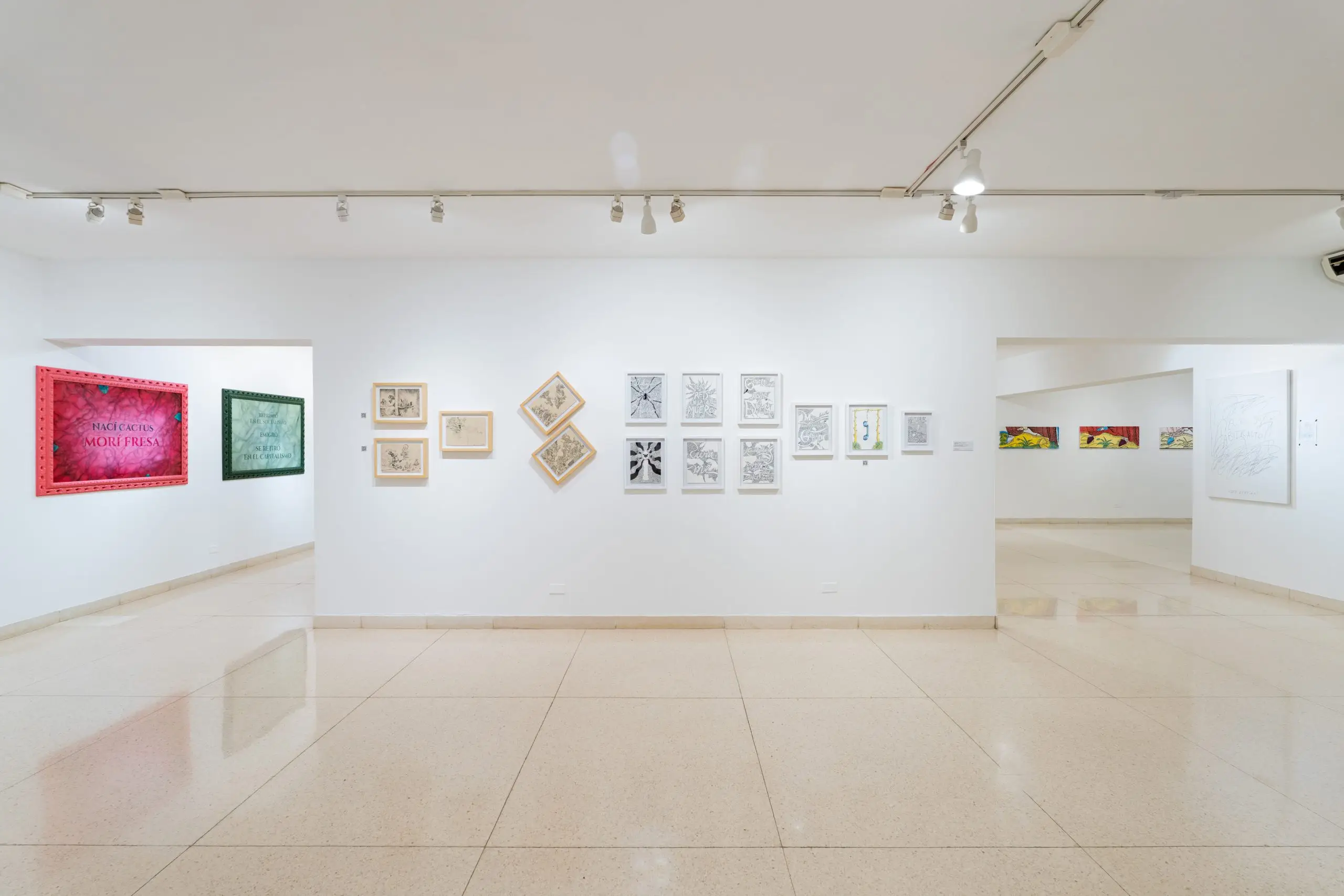
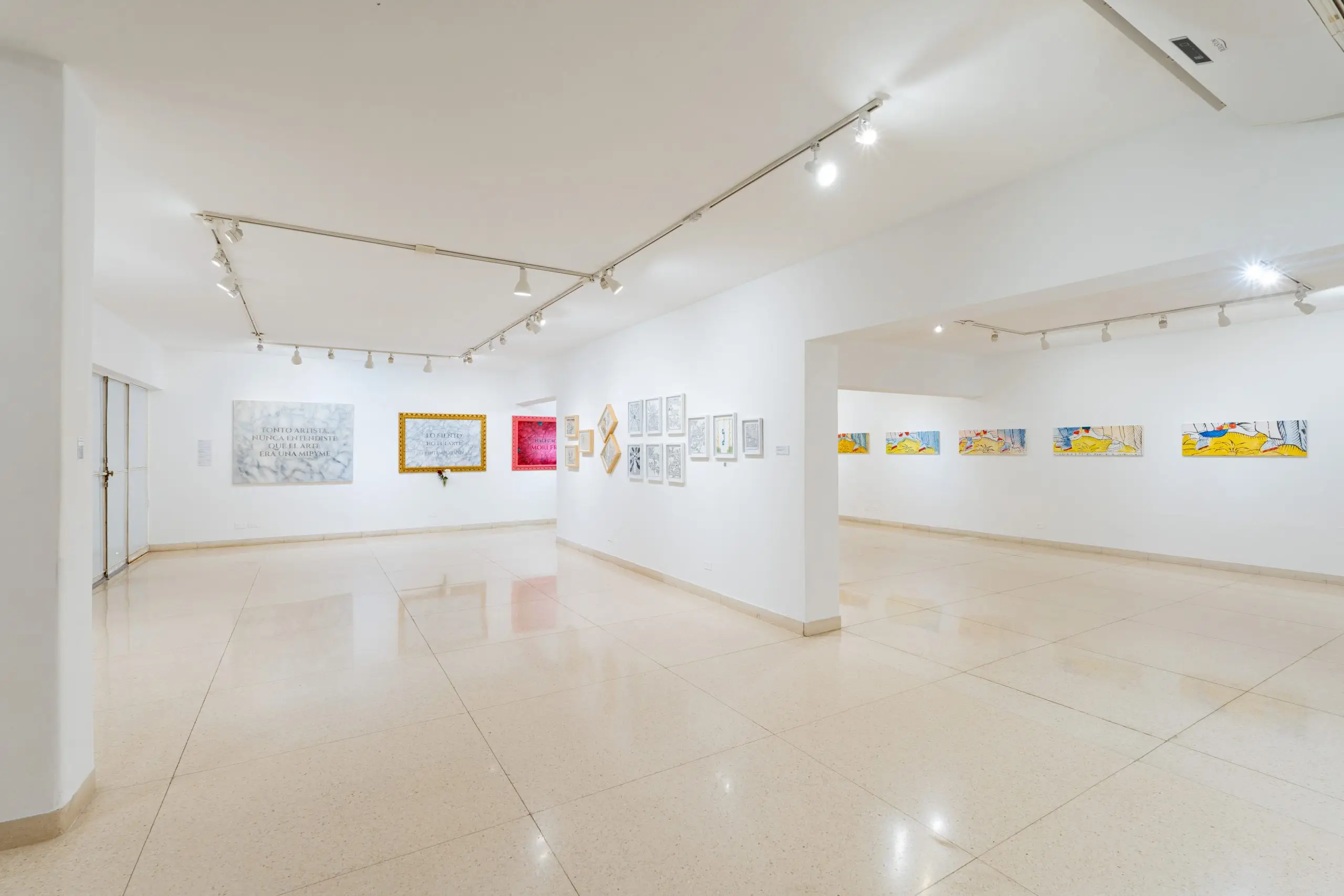
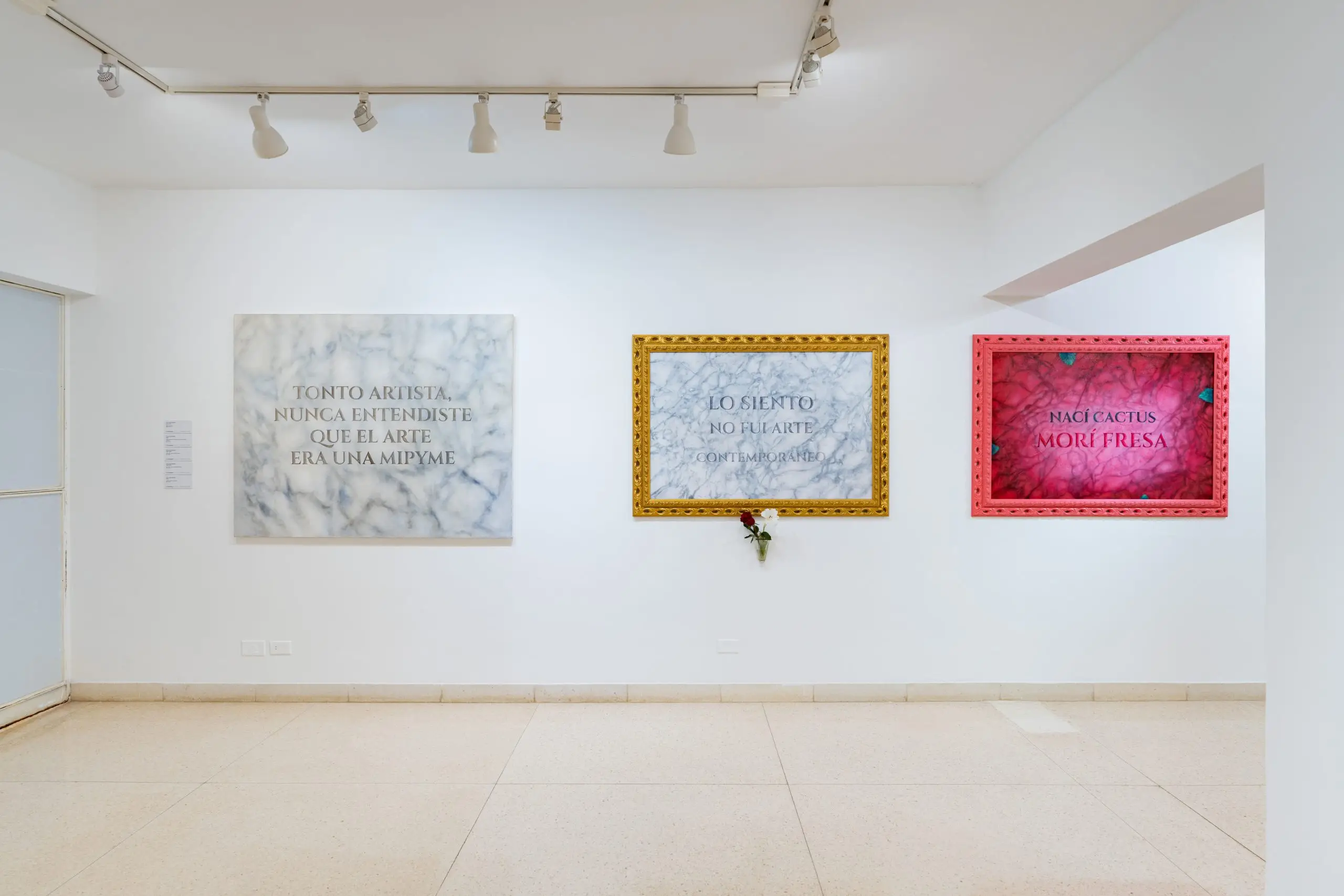
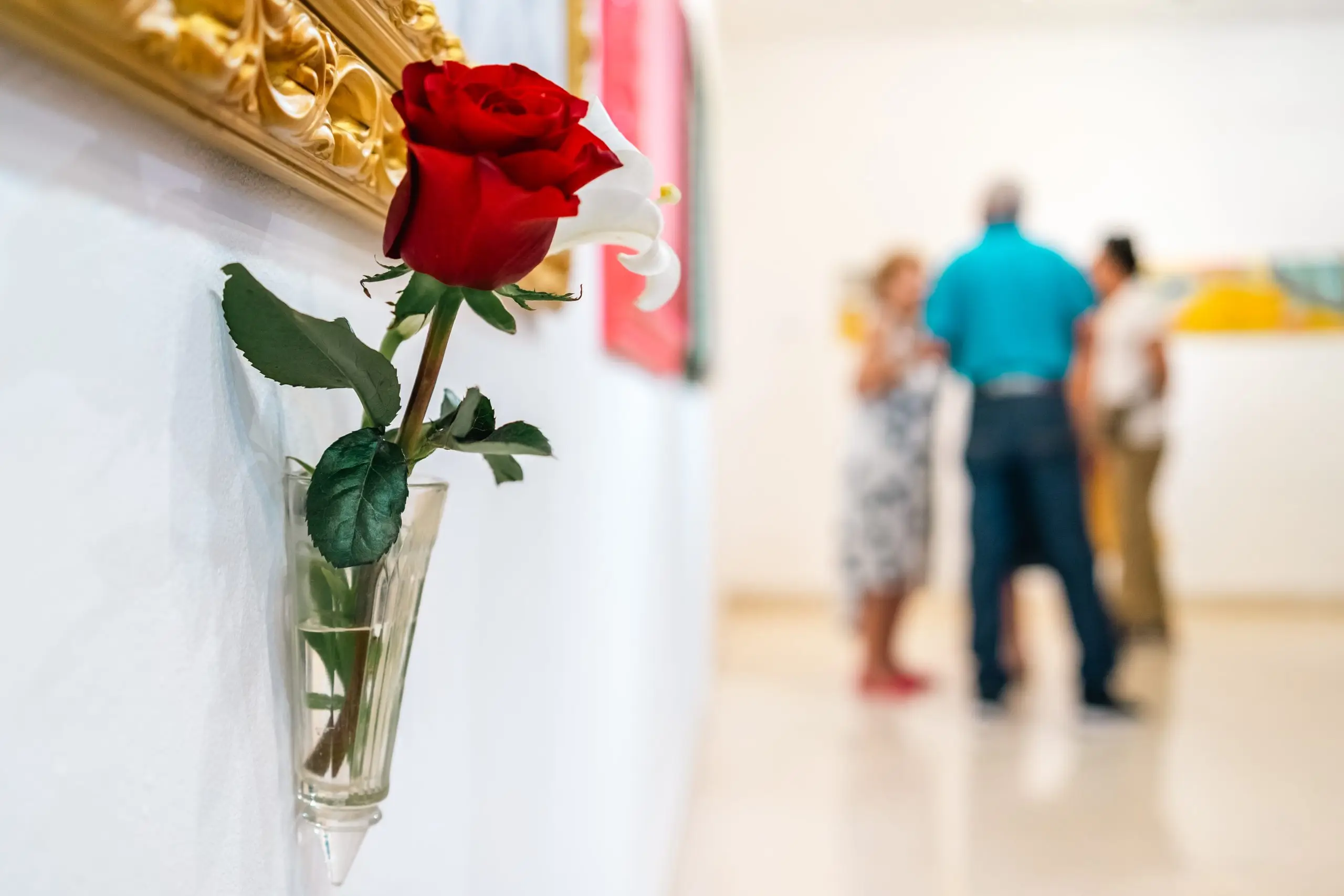
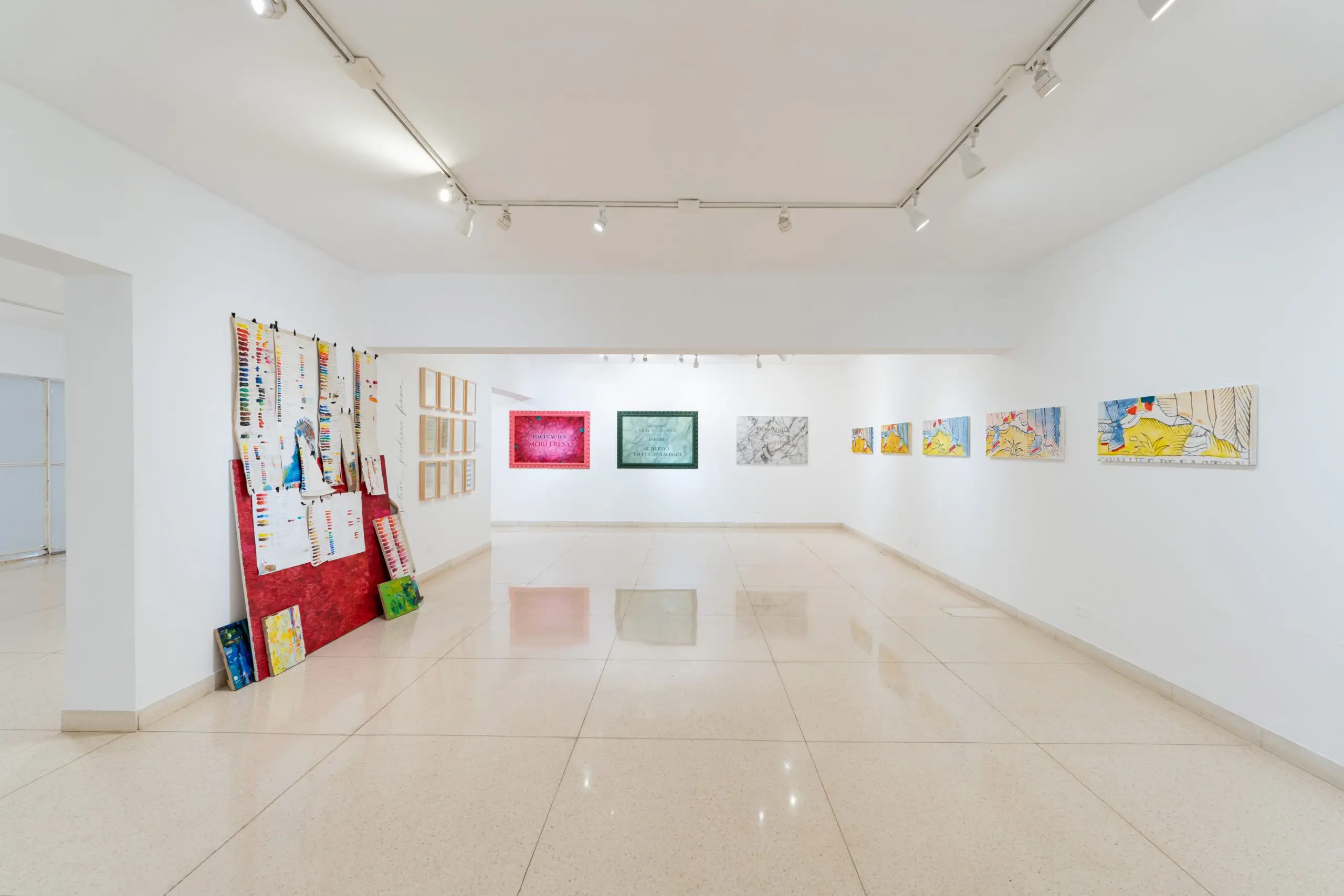
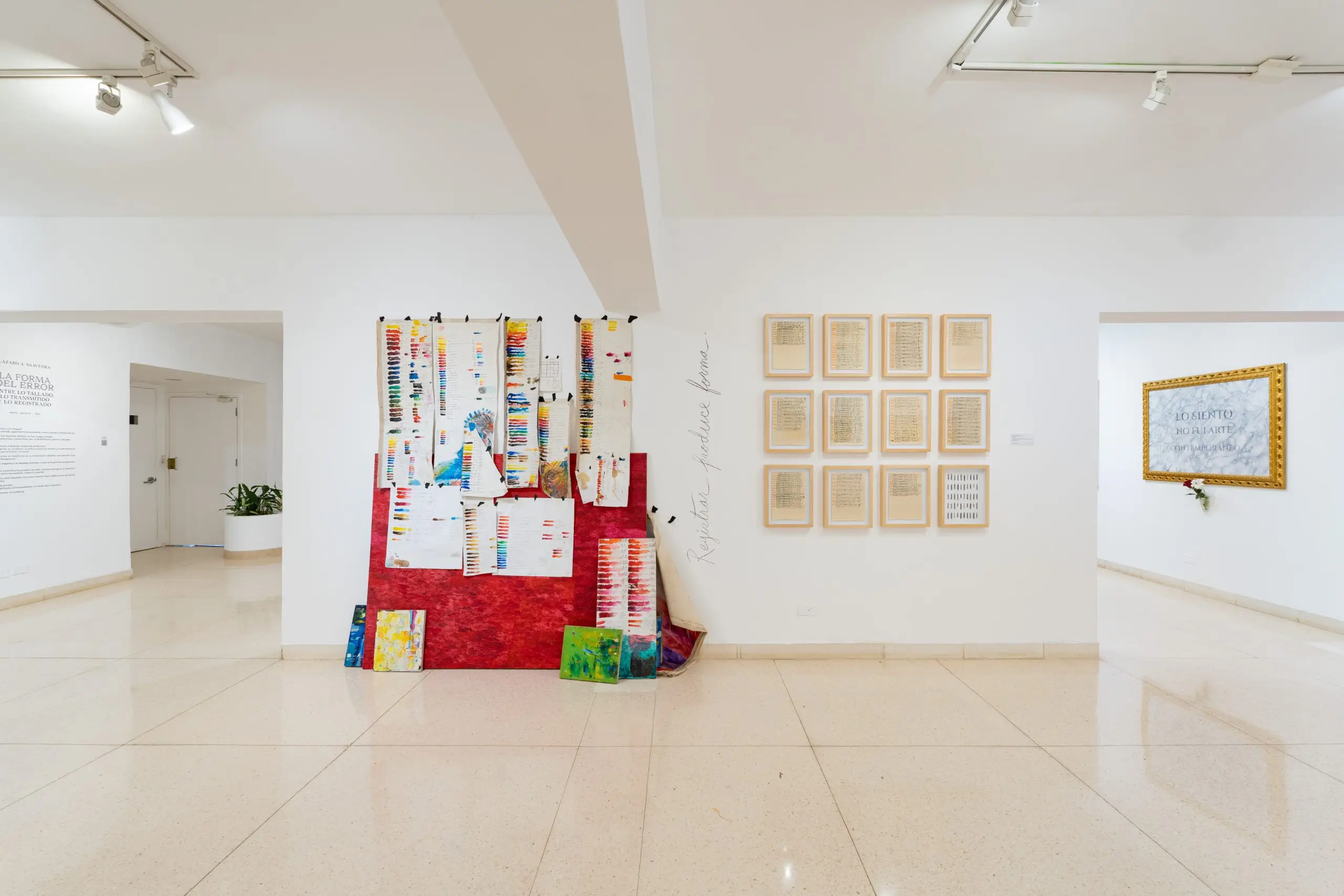
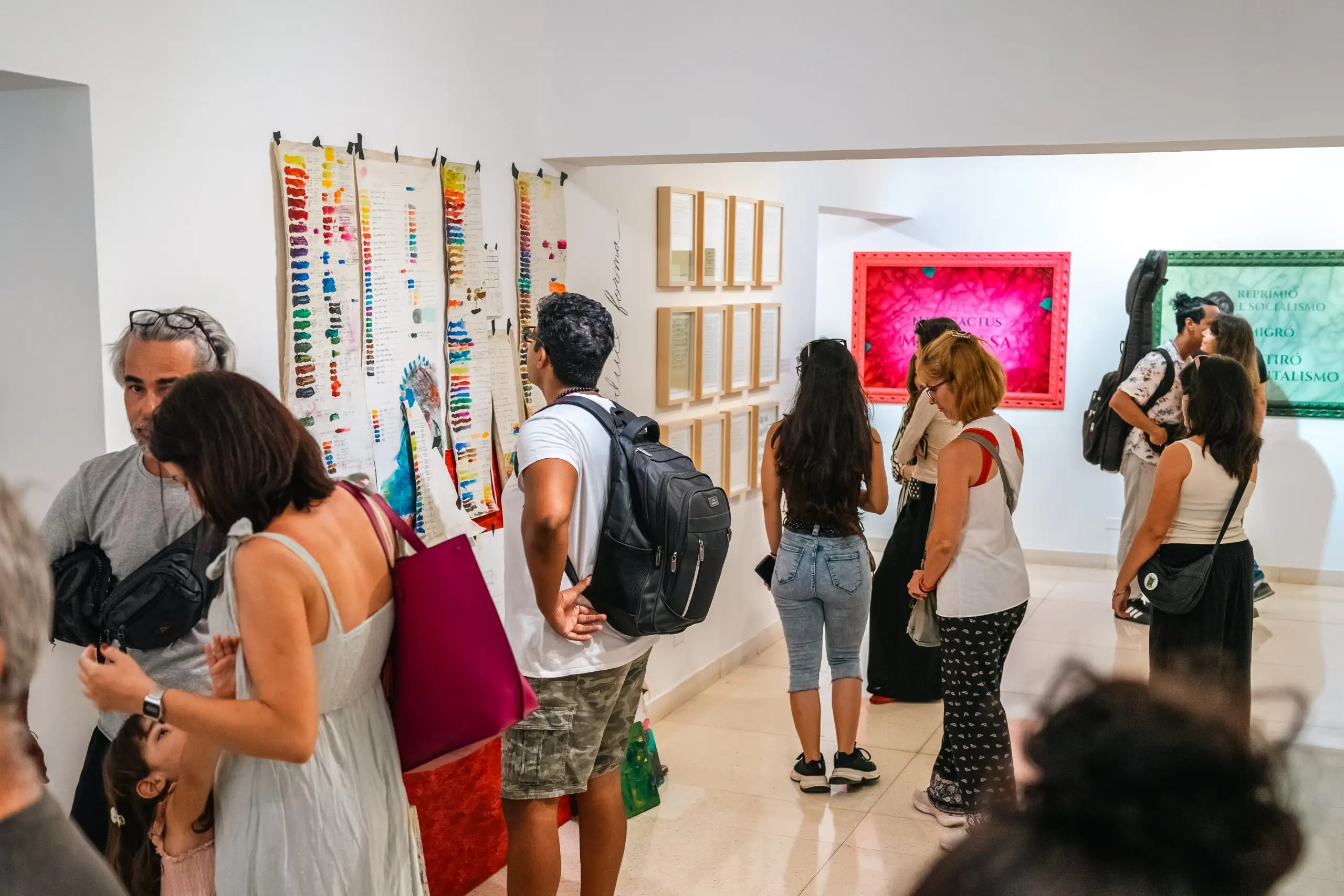
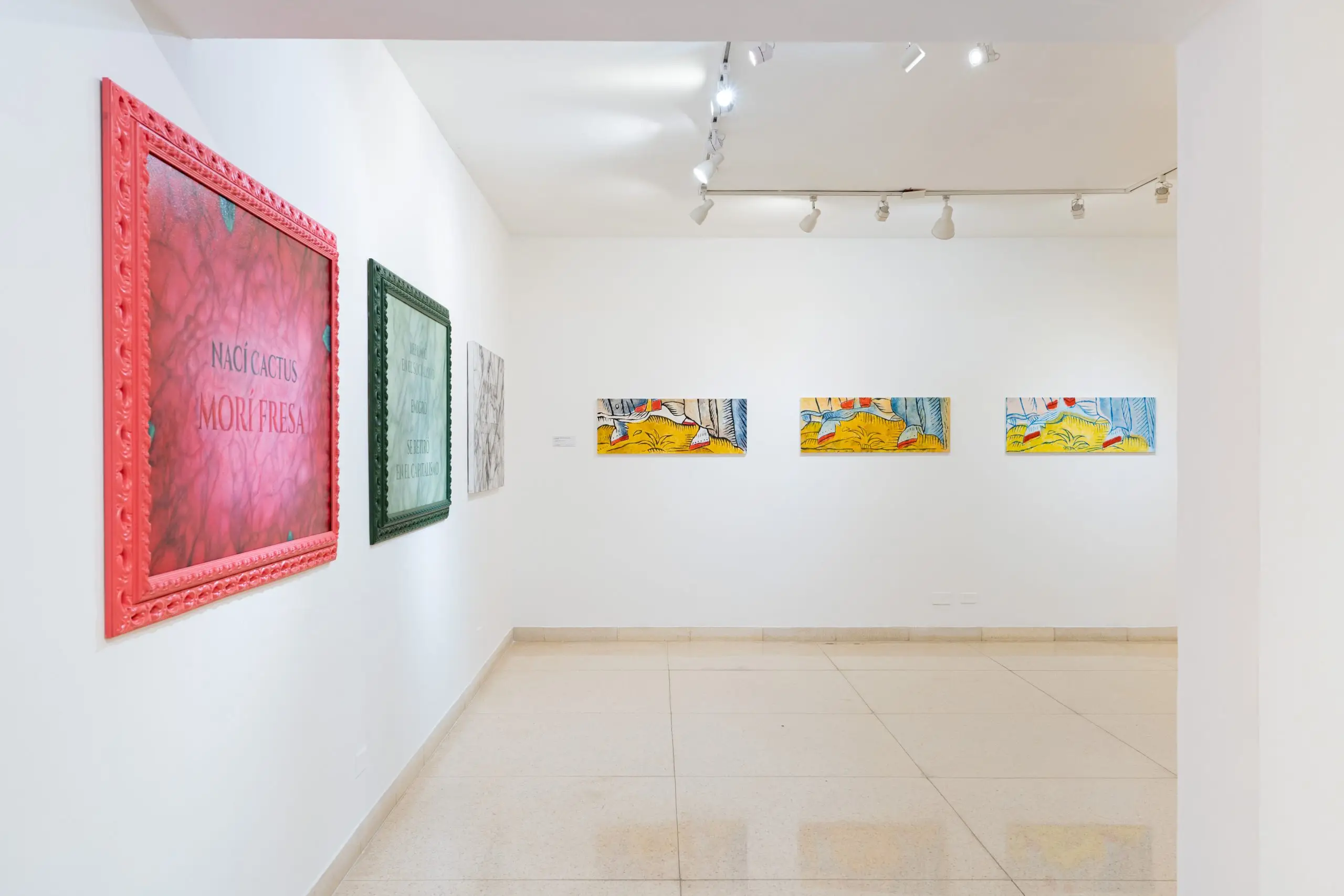
The works are articulated around different modes of form production. In the epitaphs, the painting simulates marble and presents the text as if it were carved. The inscription does not occur: it is constructed as an effect. Permanence thus appears as a fiction produced. However, this funerary solemnity is altered by statements crossed by humor and irony. What appears to be a monument becomes a commentary; what appears to be a fixed memory is exposed as an unstable formulation. The moldings, the colors and the ornamental staging do not guarantee the stability of meaning, but rather reinforce the constructed character of that permanence.
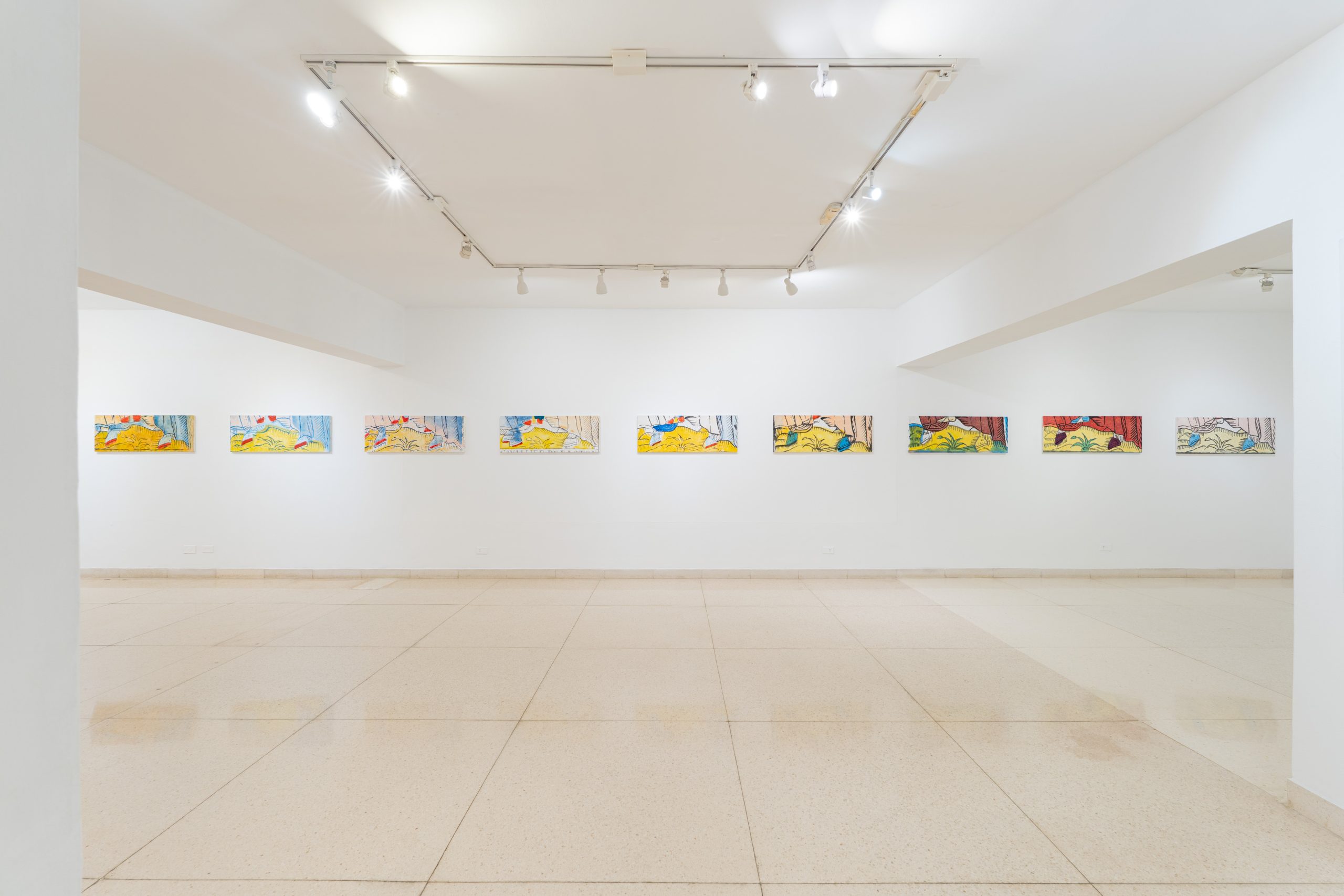
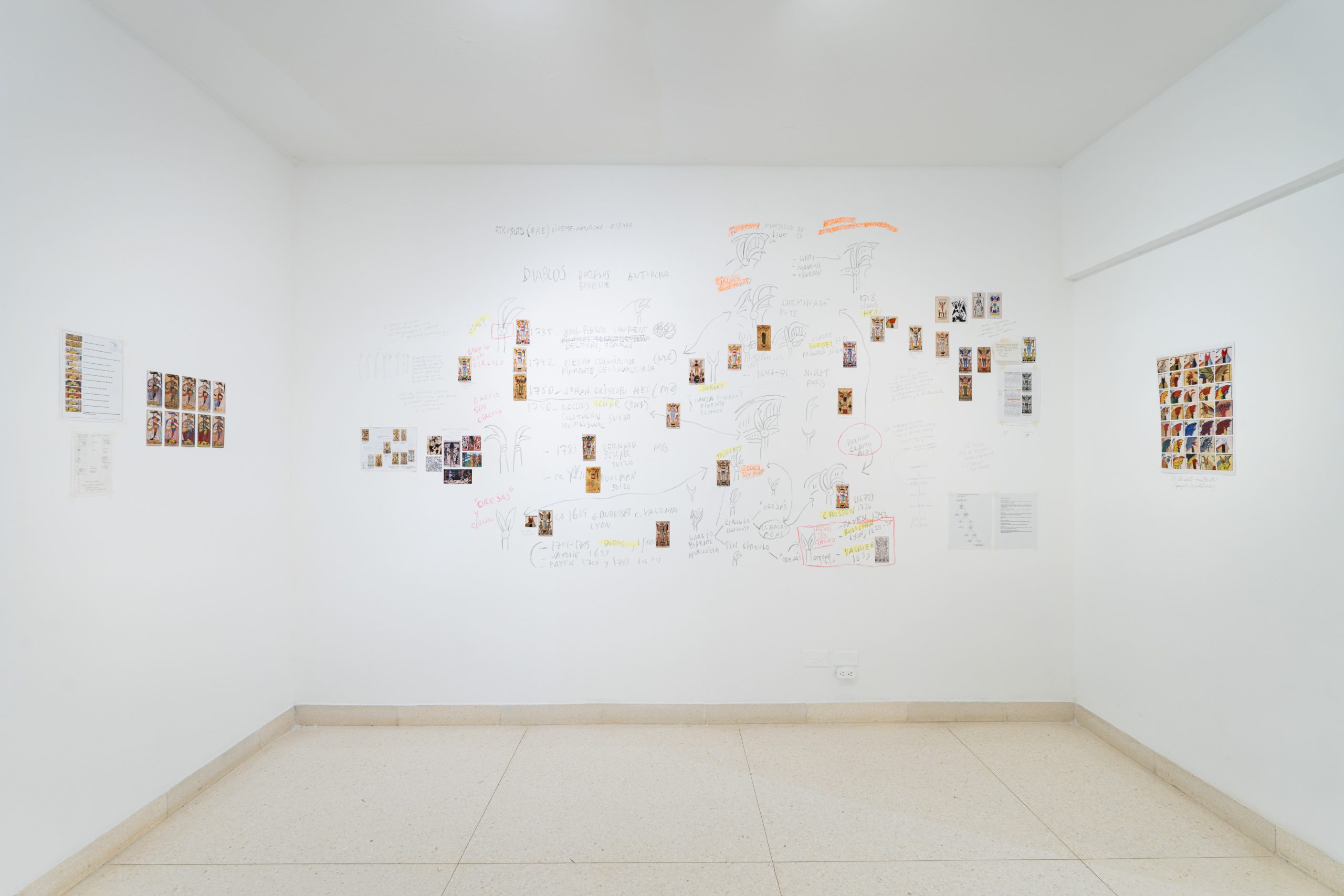
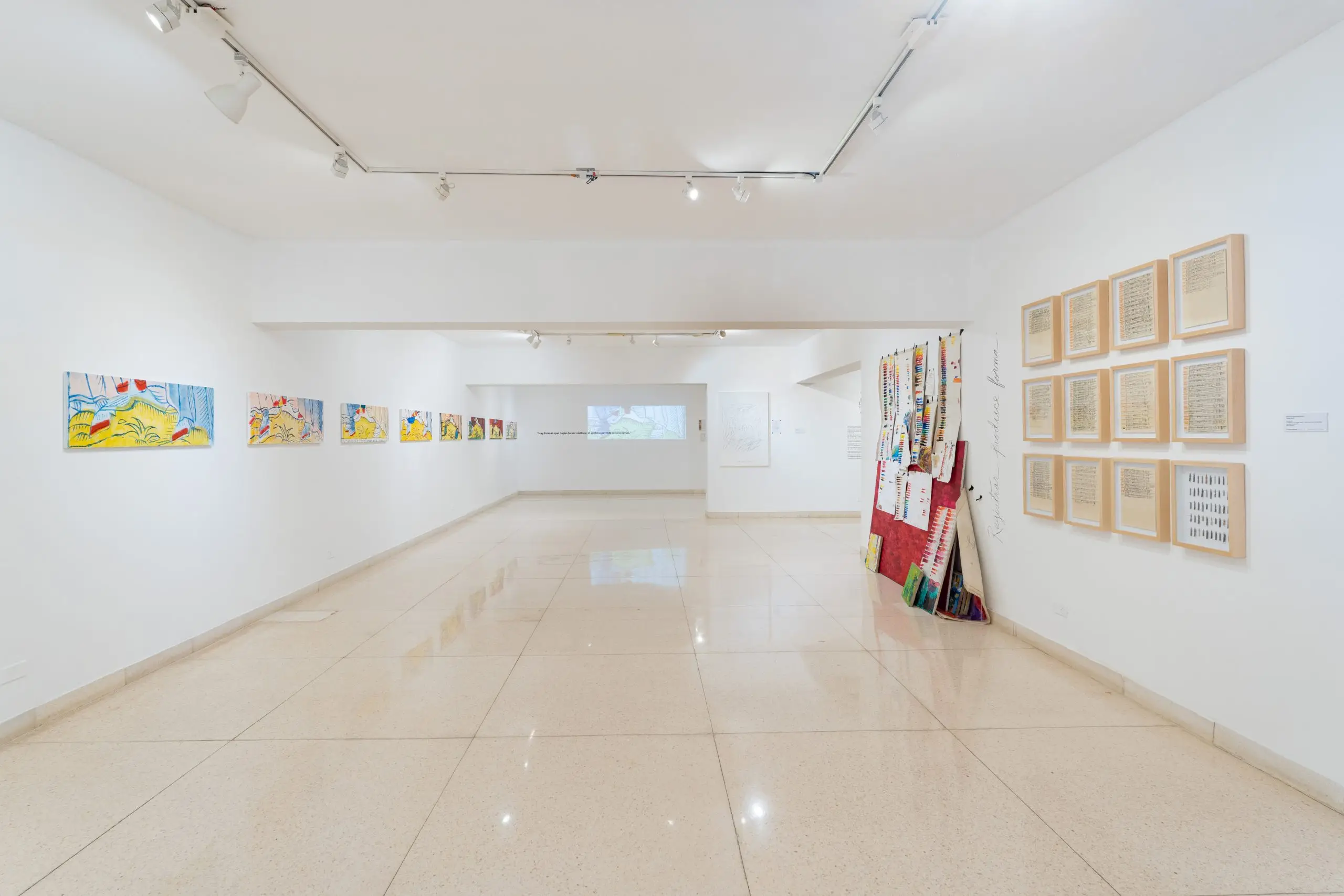
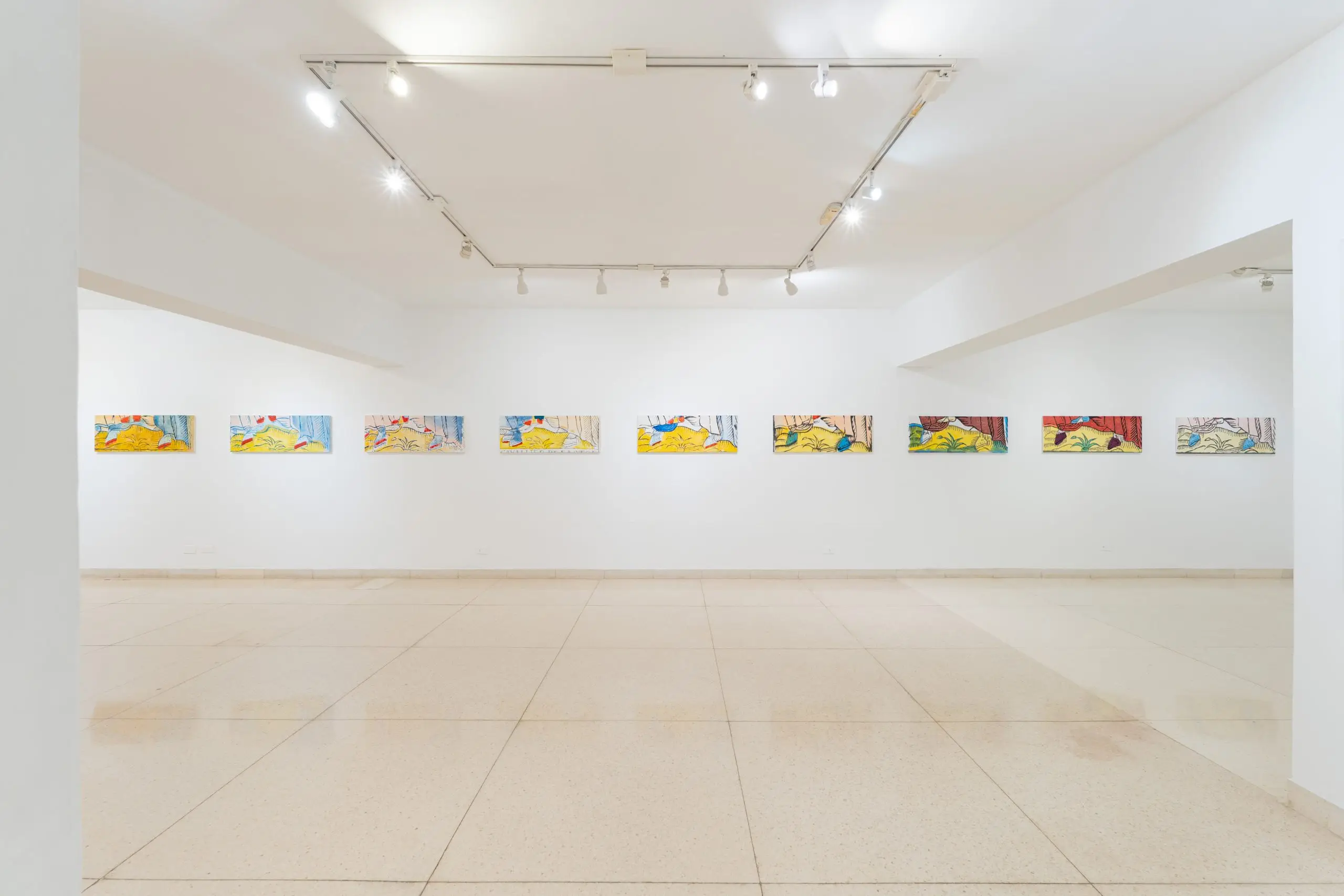
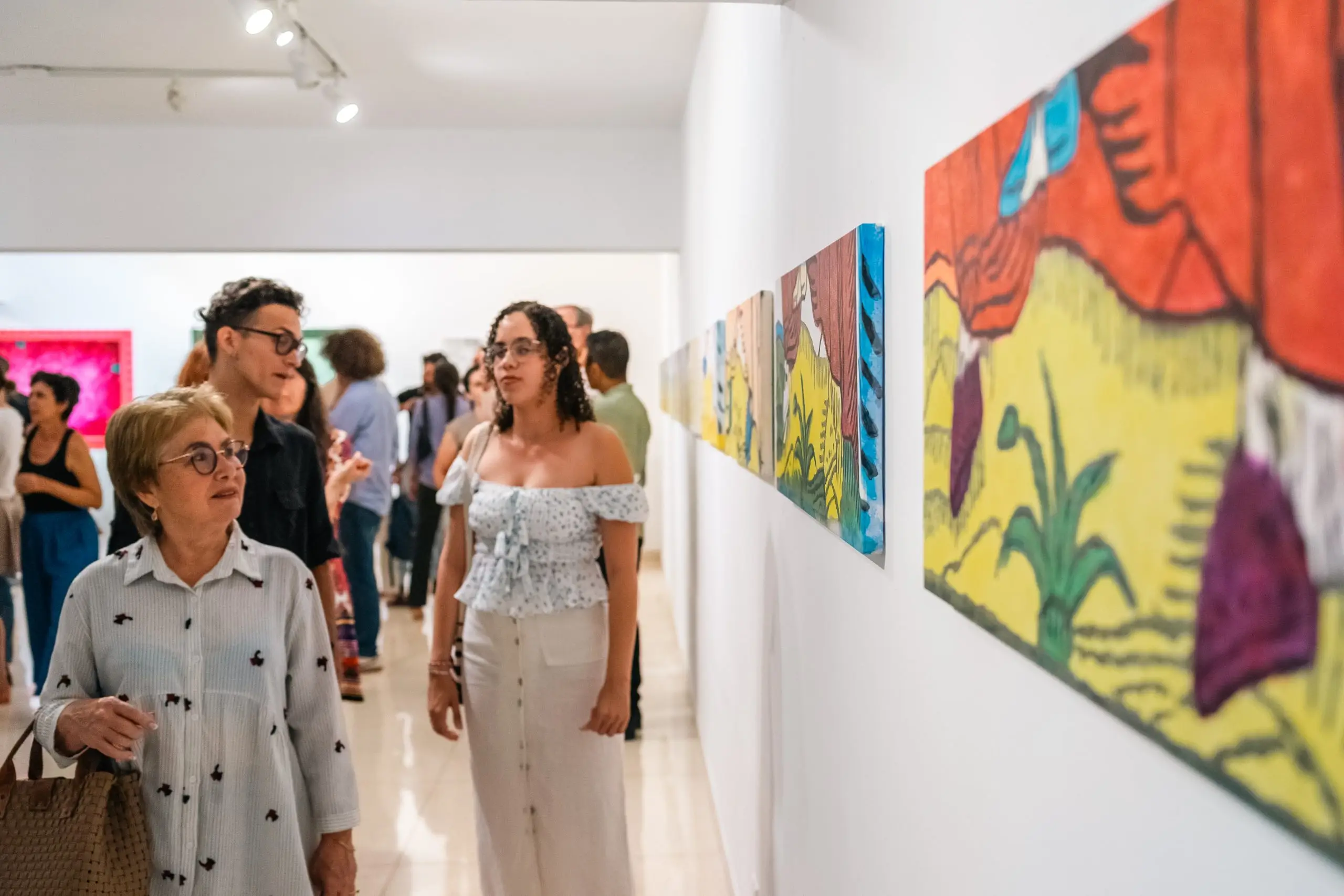
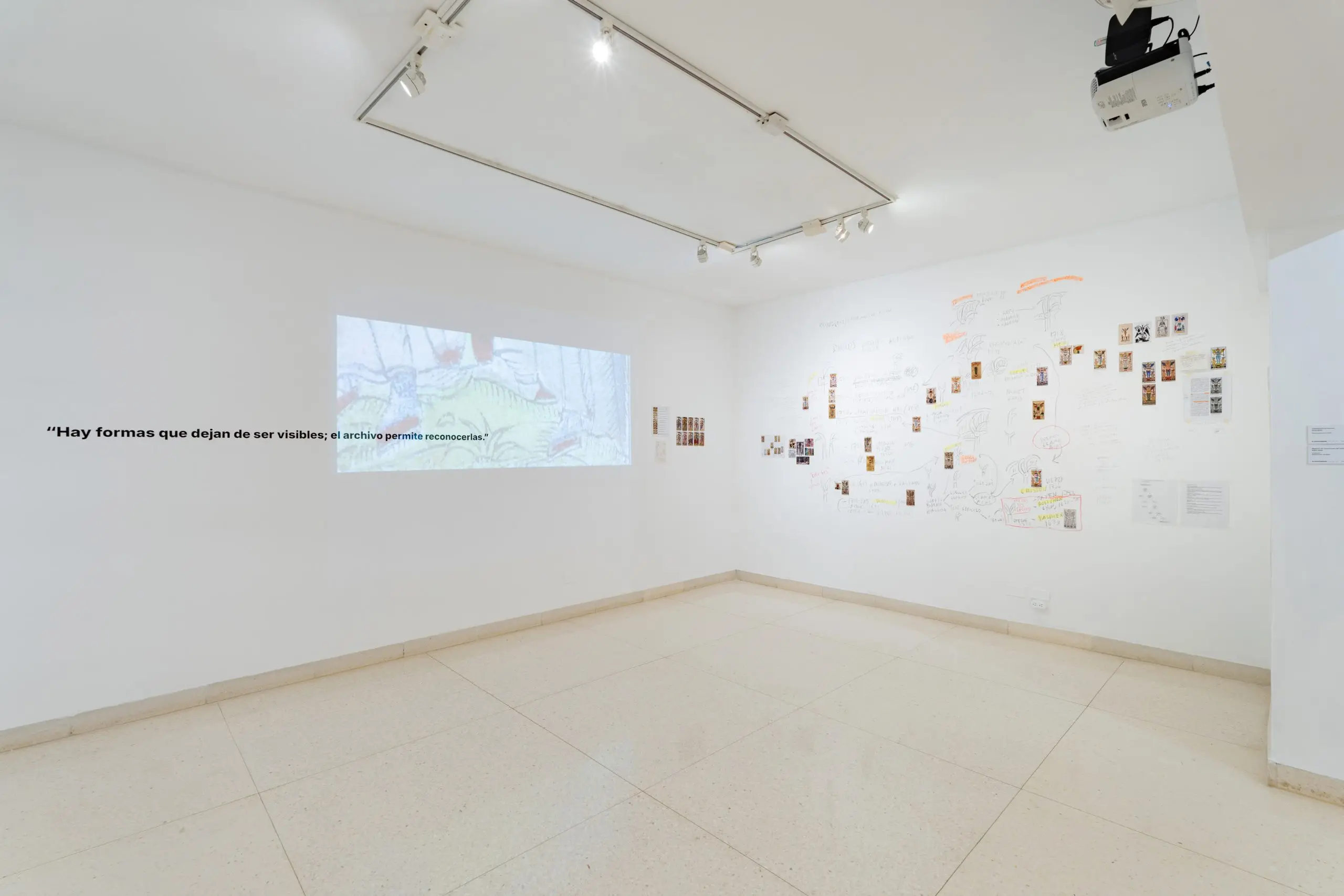
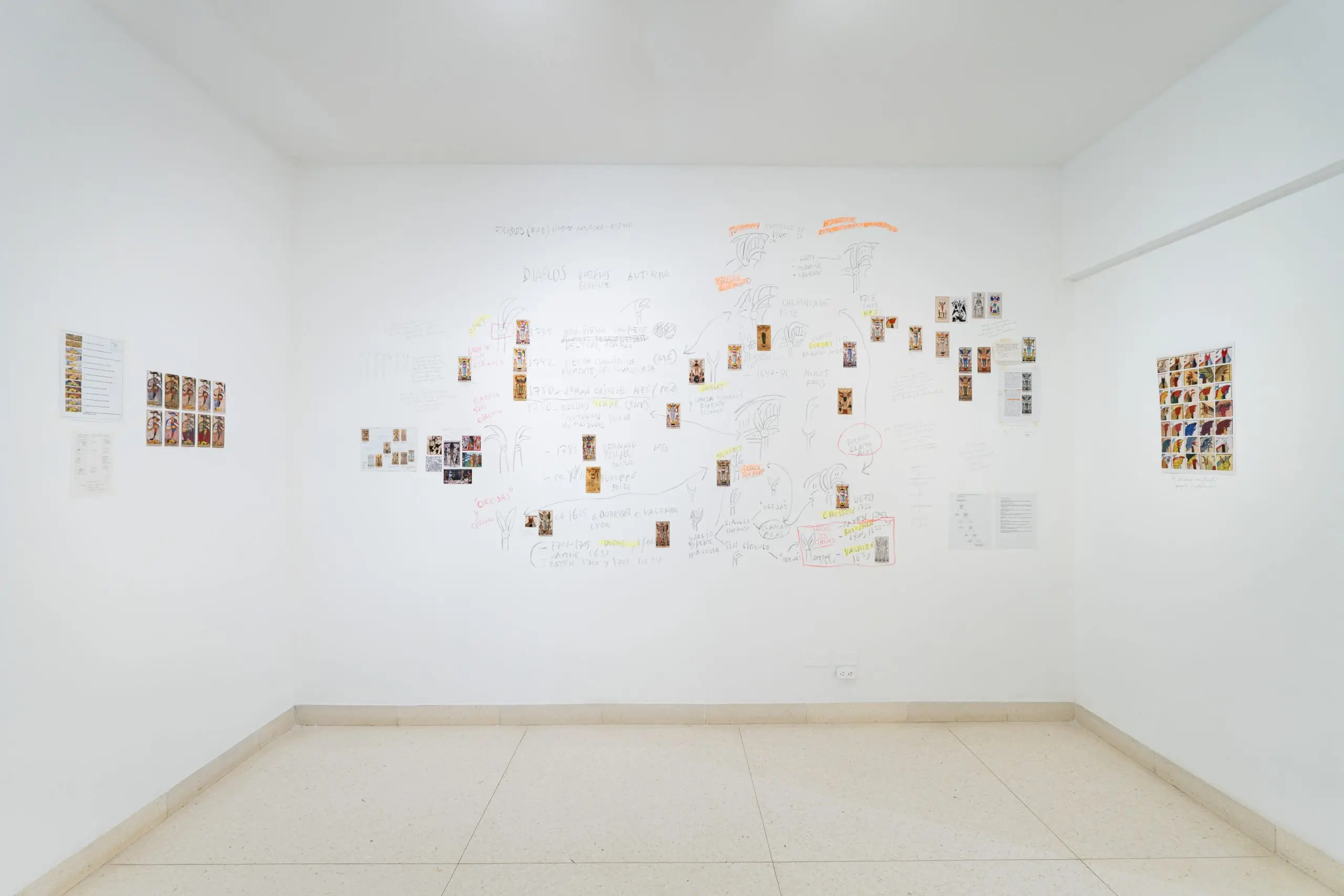
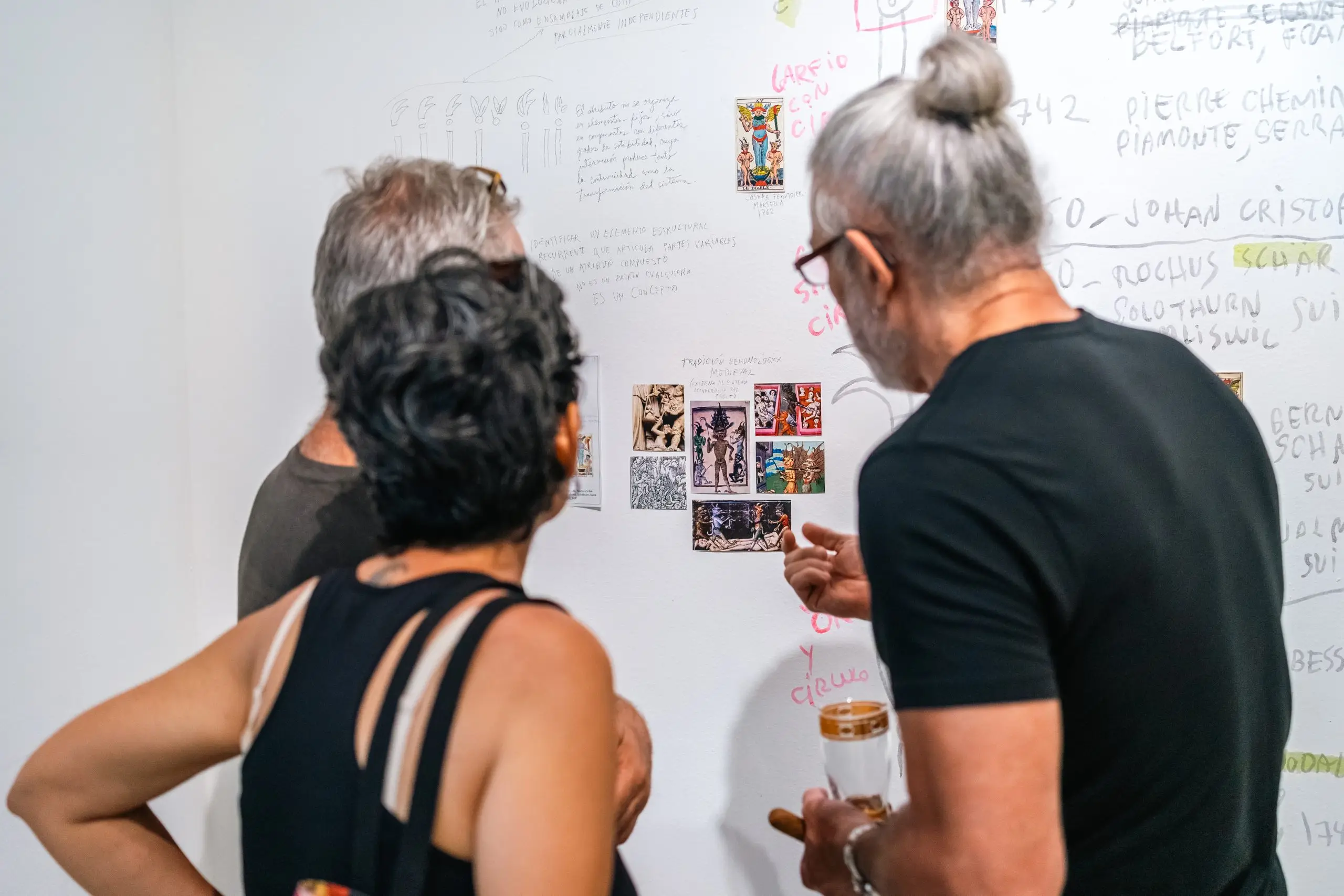
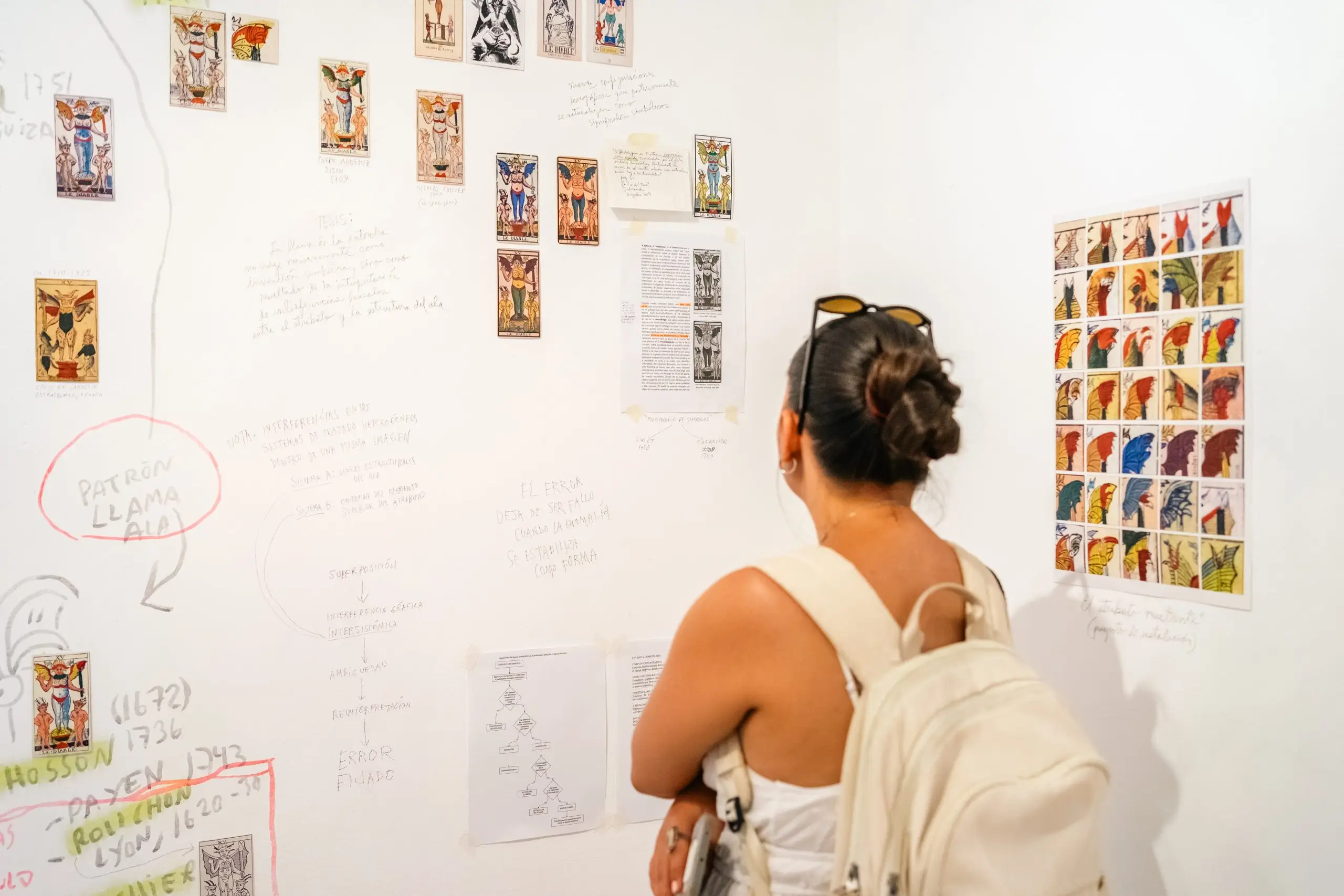
In the Tarot series, form is not preserved intact, but is transformed in its transmission. The paintings concentrate on iconographic details that, far from being organized as fixed elements, vary from one version to another with varying degrees of stability. In the Knight of Wands, the horse's hooves appear and disappear, an ear vanishes into the chest of the rider, and the rider's shoulder can be confused with the mane of the animal. In arcane XV, the attribute held by the Devil does not remain stable either, but shifts between such diverse forms as a pitchfork, a bidentate hook, “rabbit ears”, a torch or a sword blade. These differences do not interrupt the continuity of the series: they make it possible. Even when the form seems to blur or change its identity, the comparison between images makes it possible to read it again as part of the same field of variation.
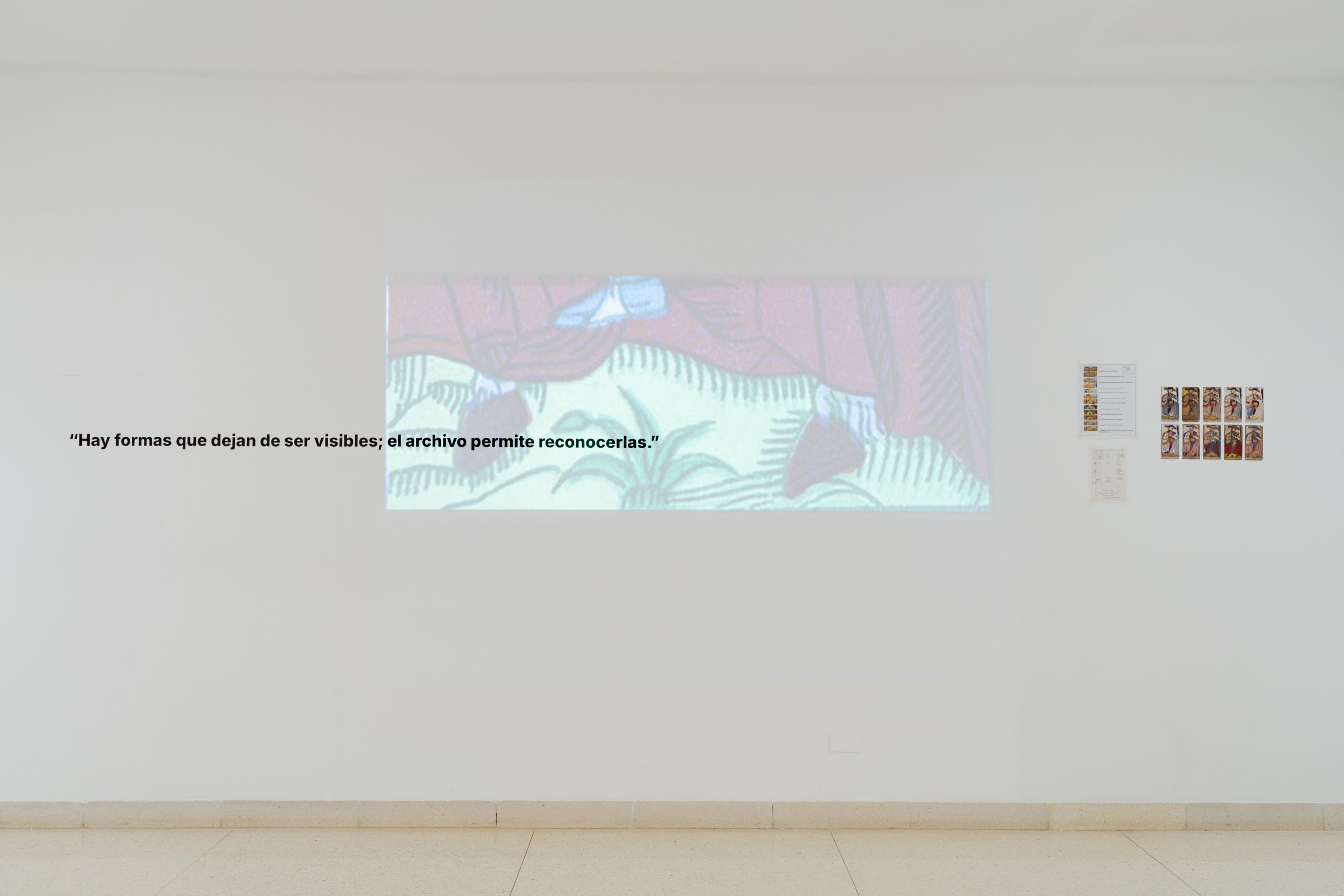
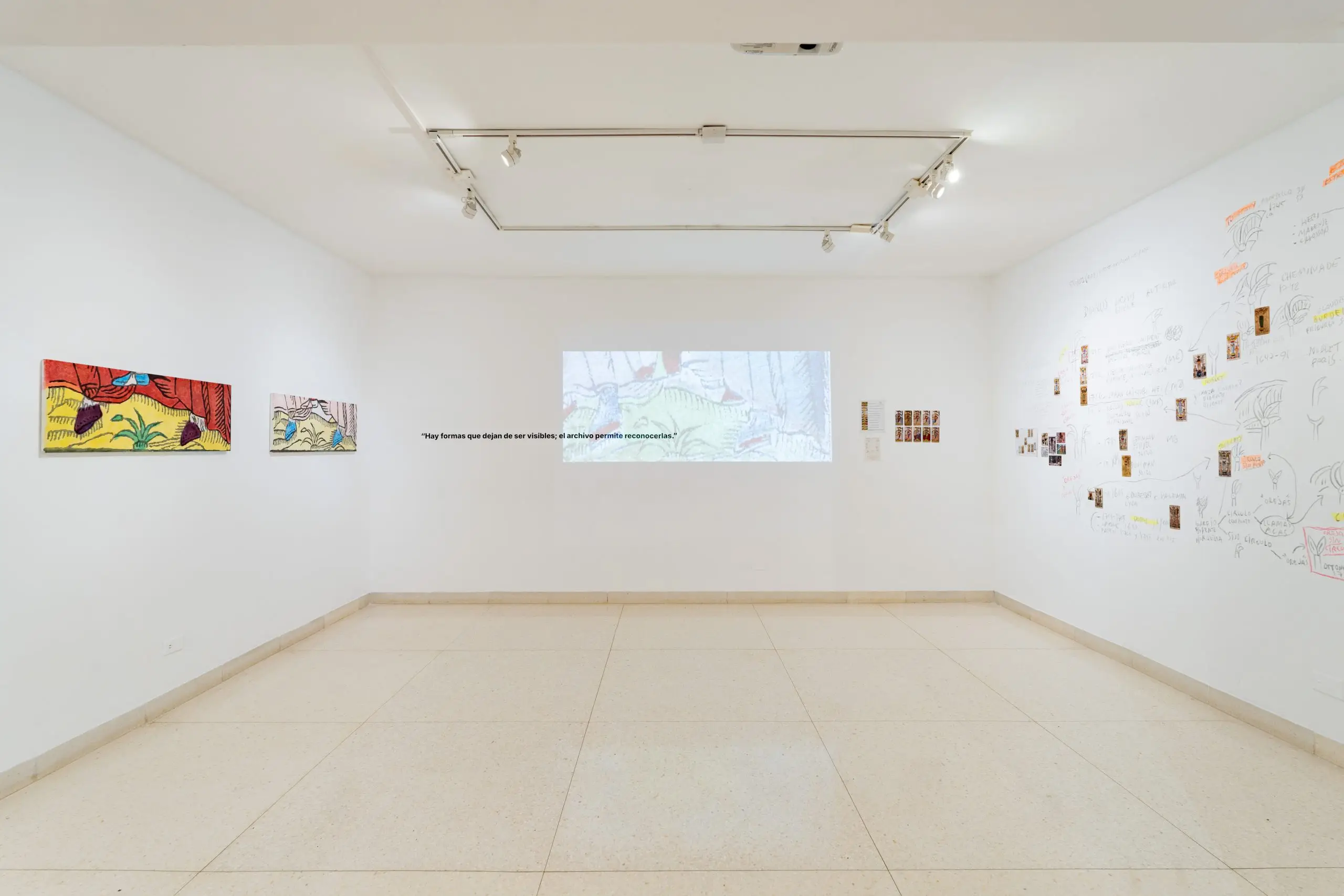
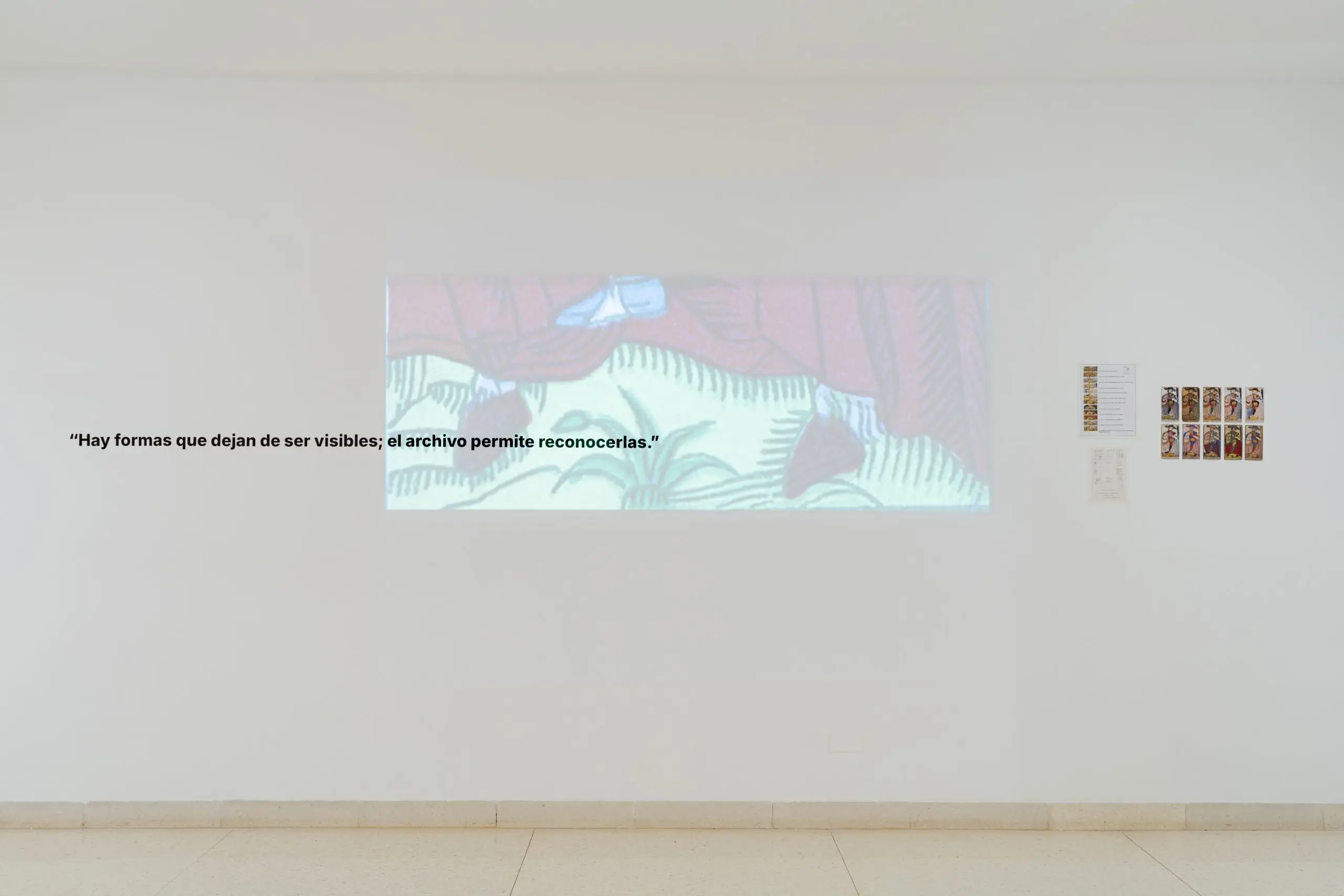
The projection Making the archive visible retakes those same images and shifts the series to time. What on the wall is presented as a spatial comparison, in the video manifests itself as a continuous transition. The succession of images linked by fades produces an unstable continuity: the form seems to animate, transform, undo and recompose itself. The projection does not constitute a separate body, but a temporal extension of the problem posed by the pictorial series of the Tarot.
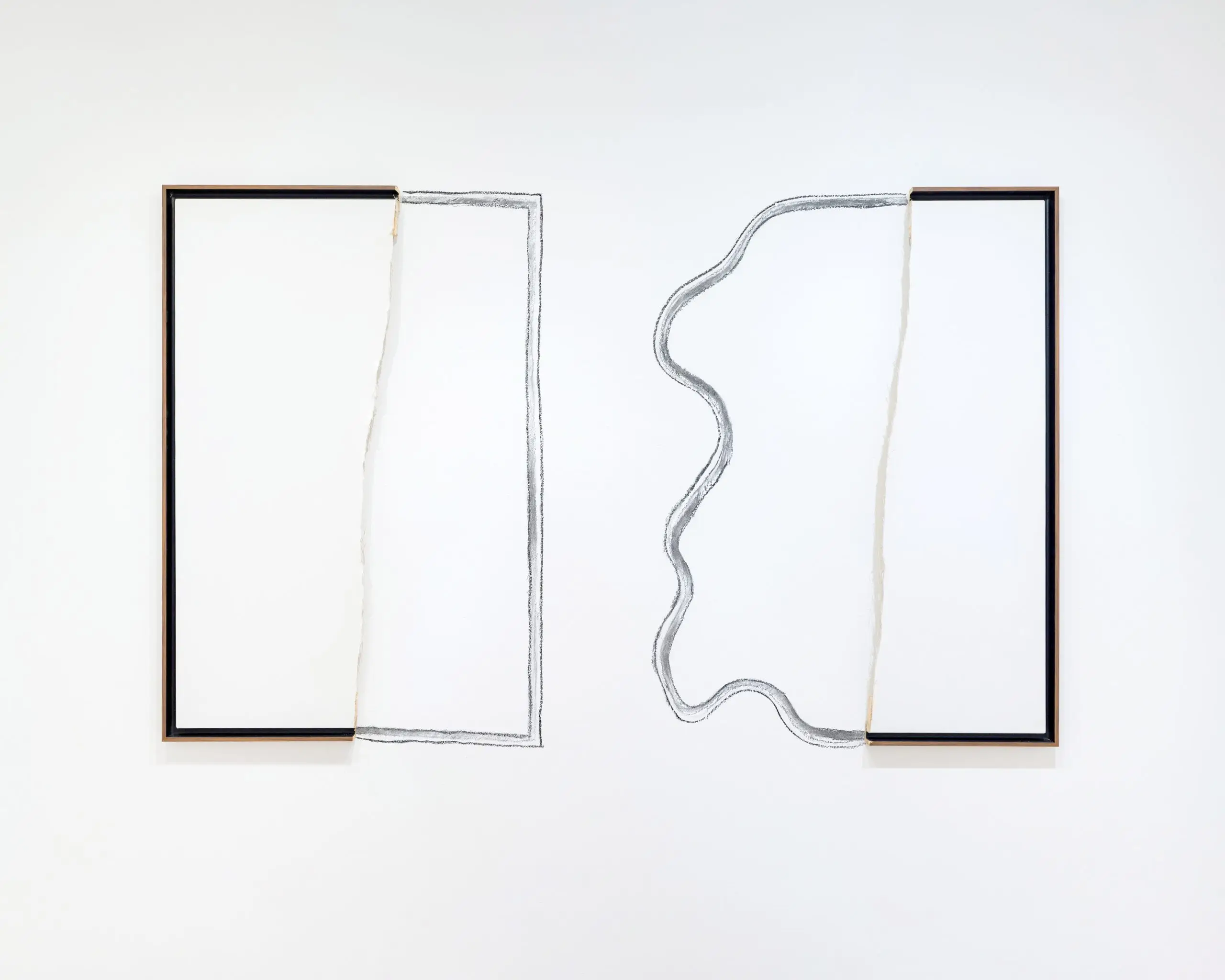
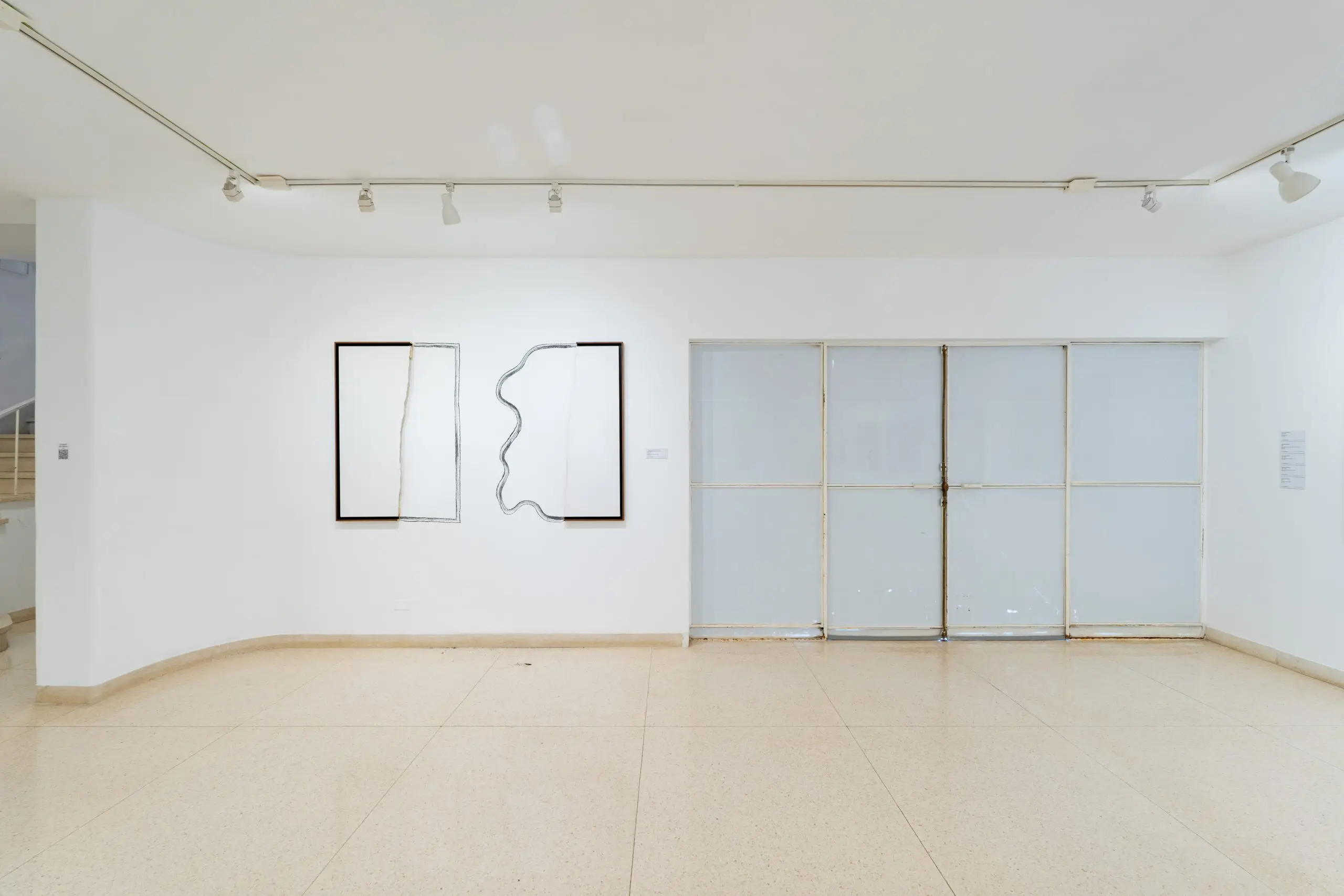
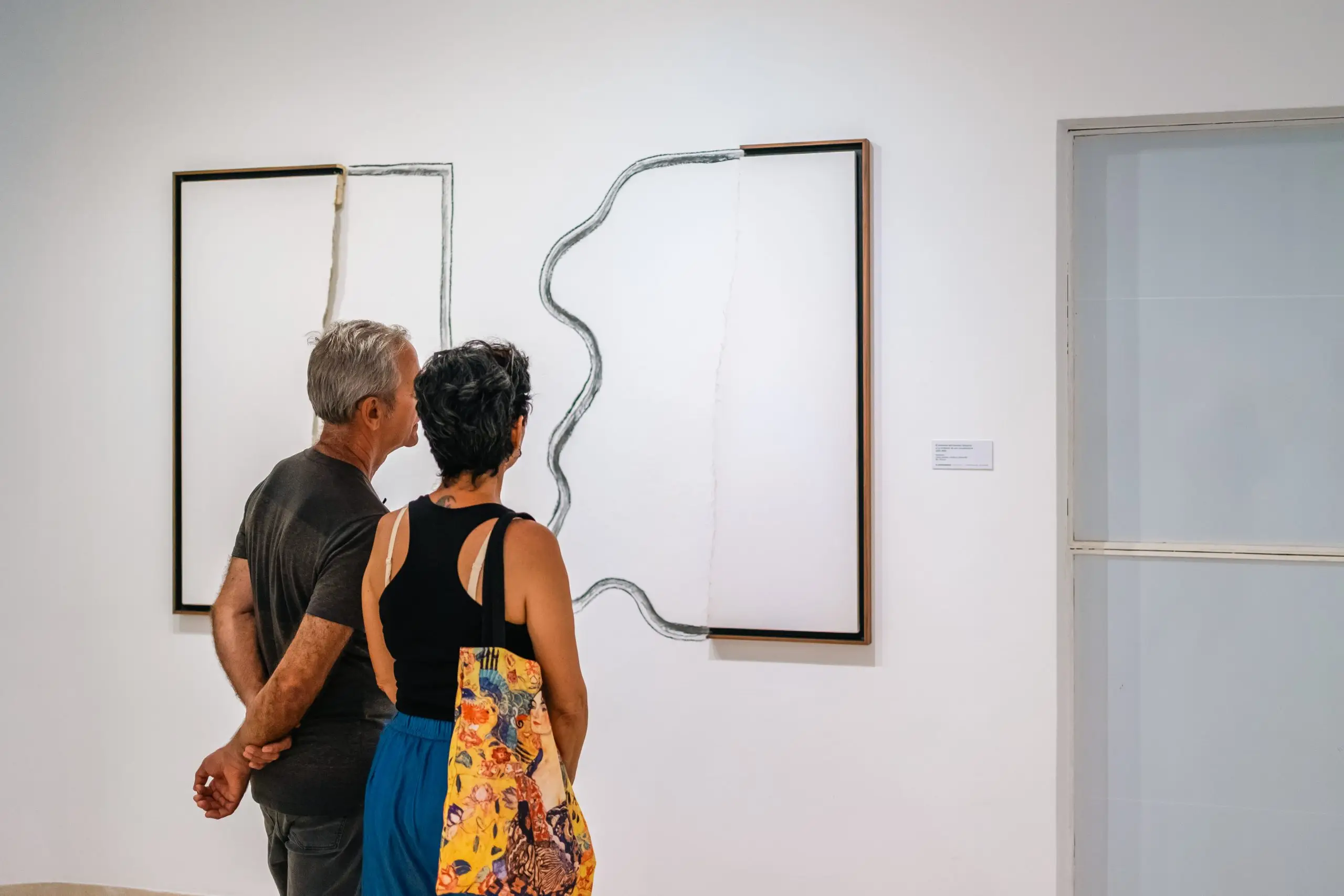
At Phantom Limb Syndrome or The Anatomy of a Convalescence, A canvas prepared and apparently available for painting has been sawn and separated into two fragments. The work is framed by a minimal molding, which reframes the cut without neutralizing it, but rather reinforcing the tension between visual unity and material fragmentation. The missing part is not materially replaced: it is substituted by a charcoal drawing made directly on the wall. In one of the fragments, the drawing attempts to approximate the lost rectangular shape; in the other, it abandons that logic and drifts towards a more organic and unstable form. The work does not reconstruct a previous unity, but makes visible how all restitution implies transformation. Absence then ceases to function as emptiness and becomes a productive condition for new forms.
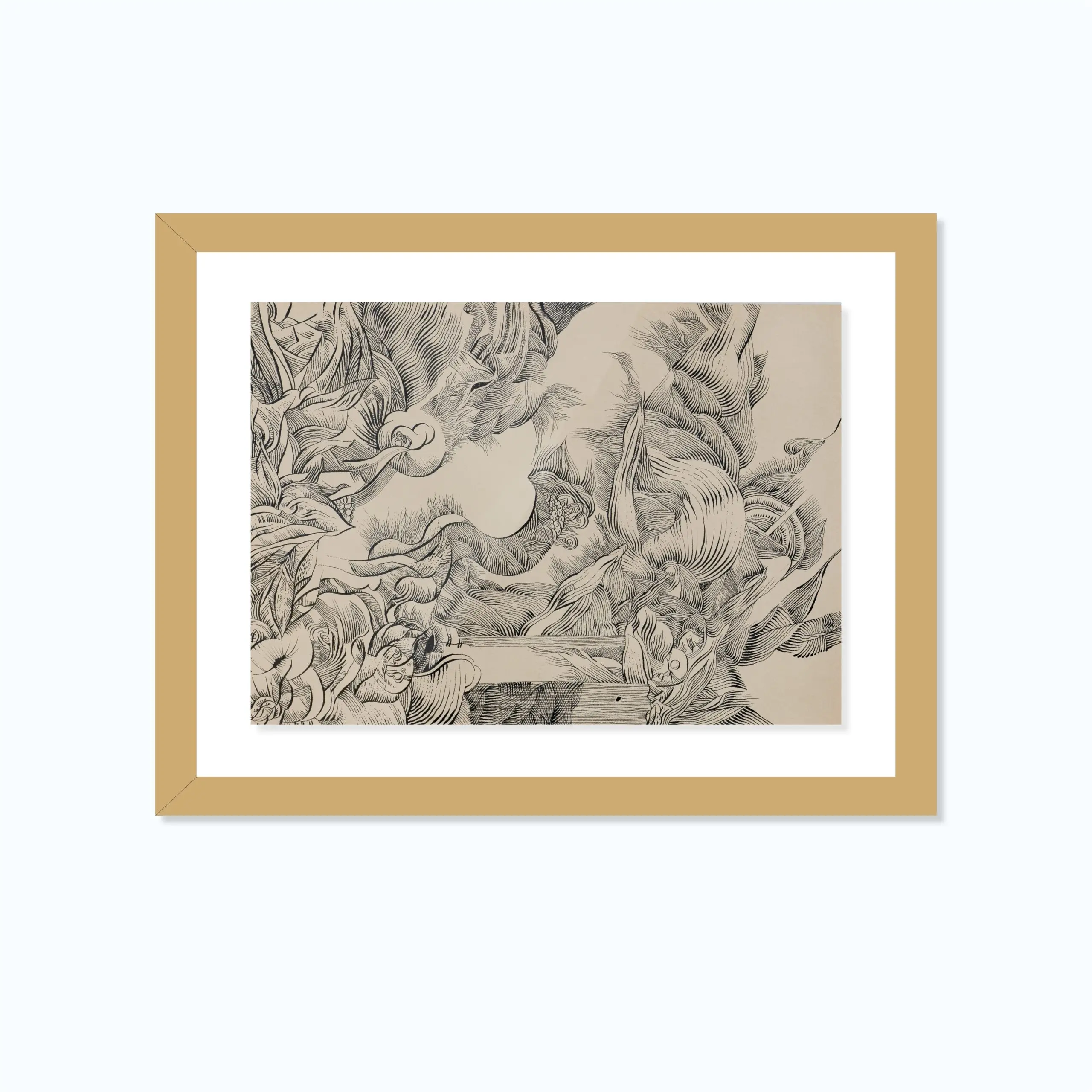
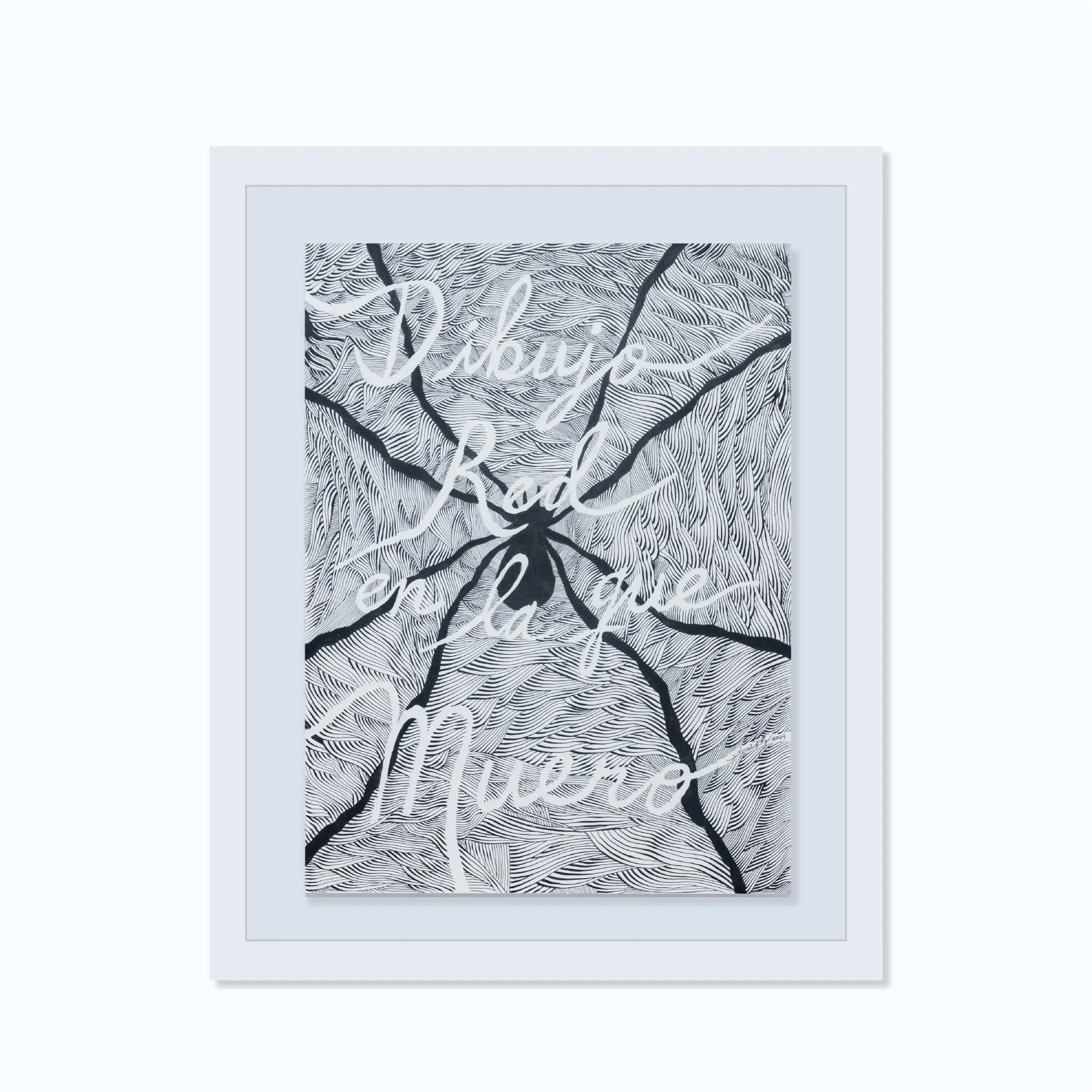
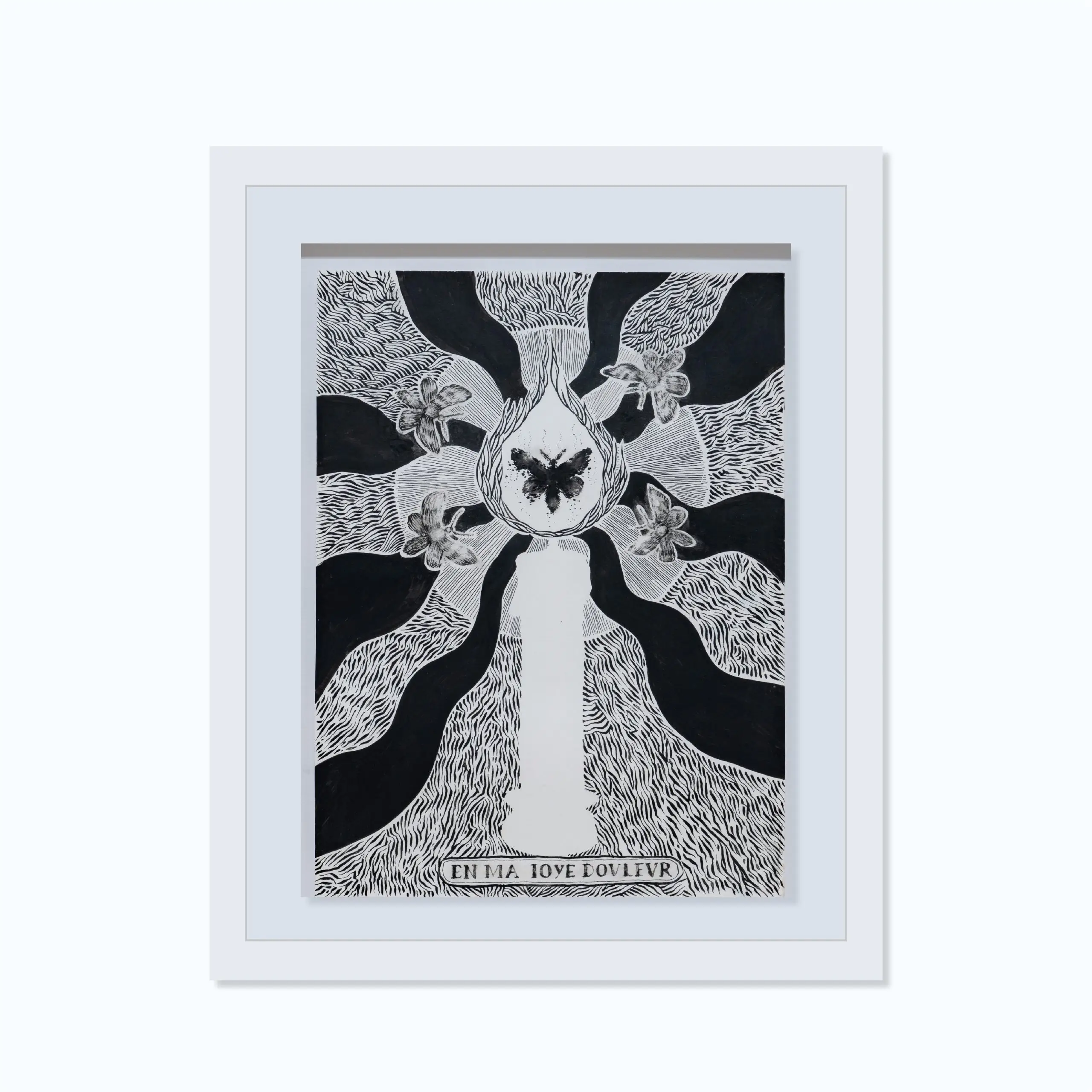
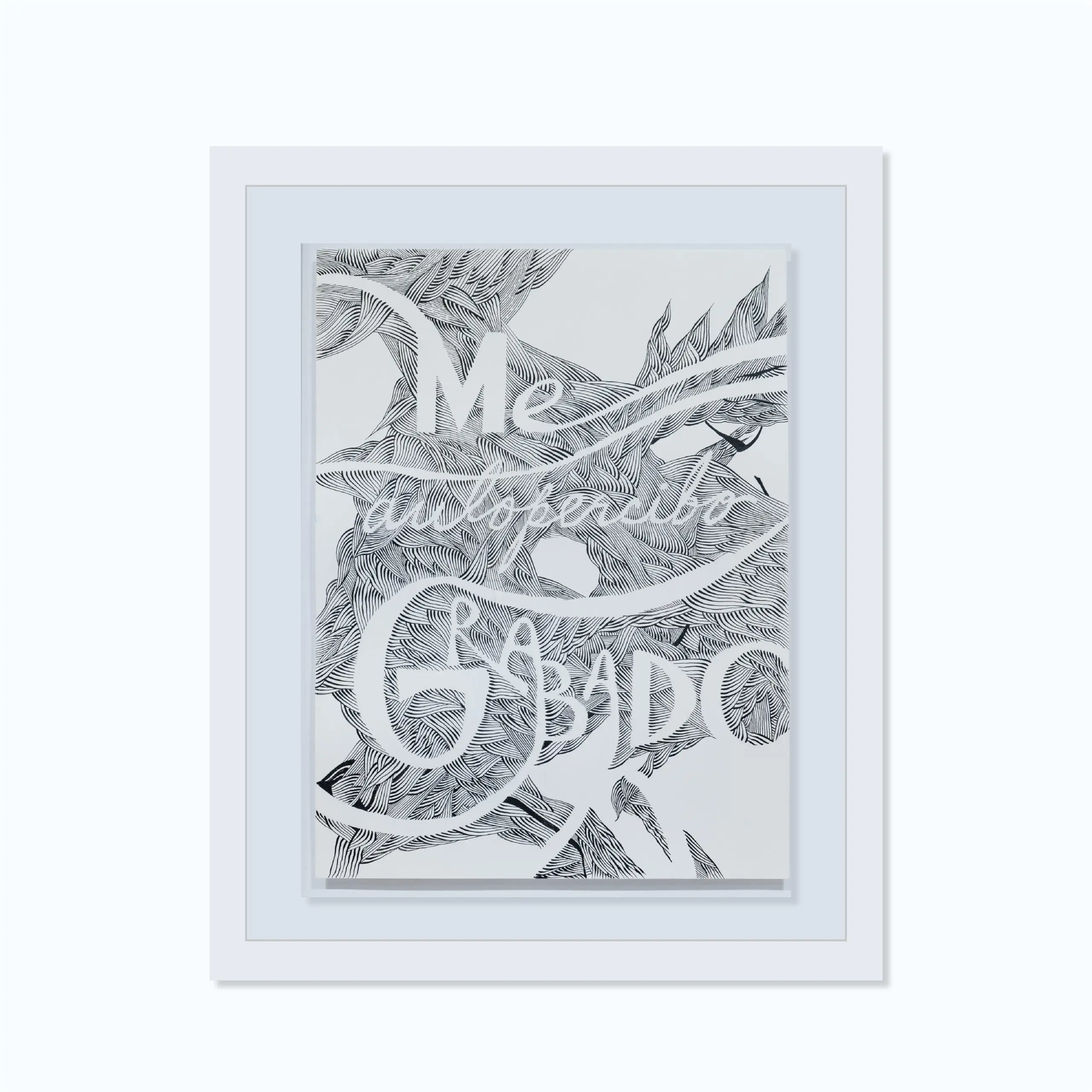
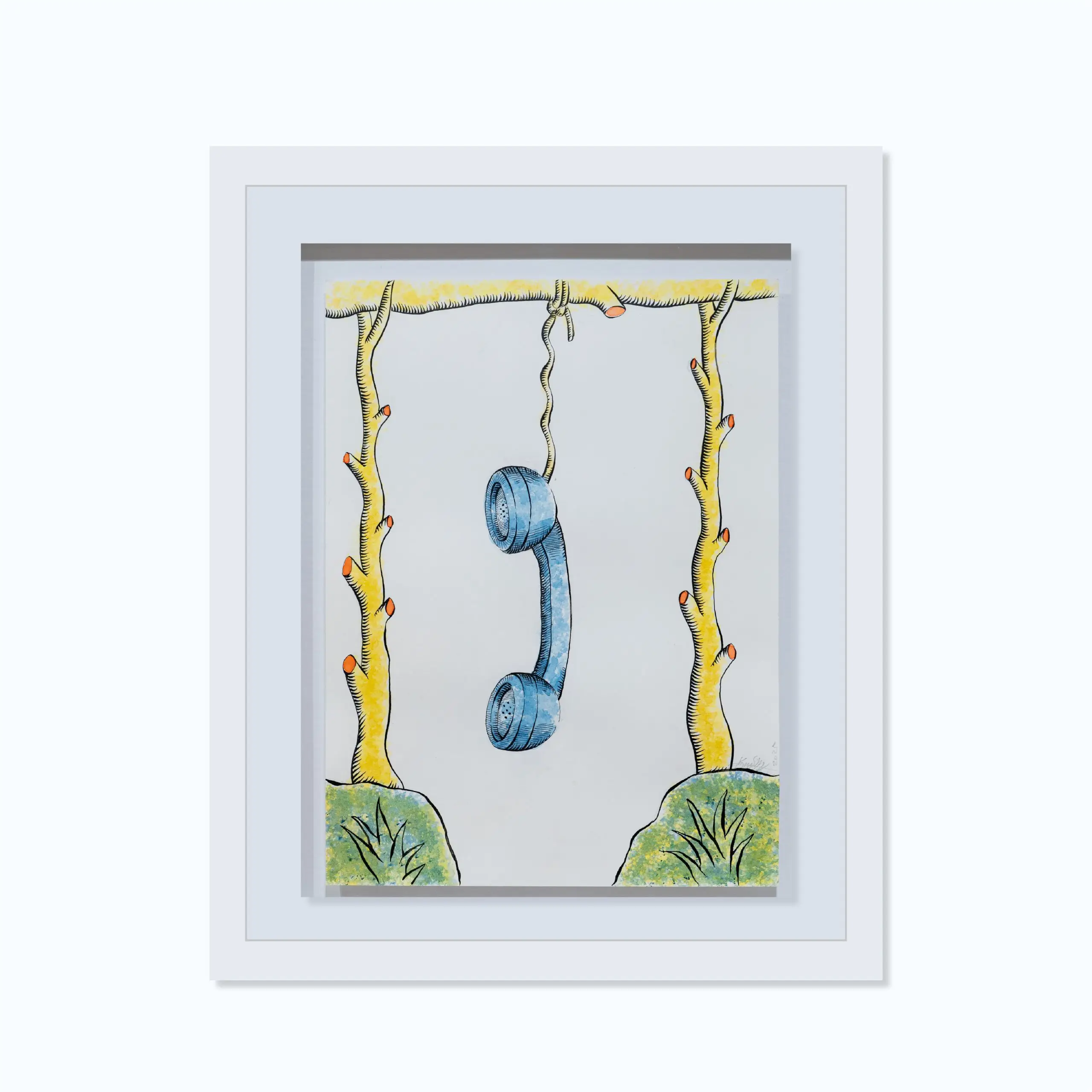
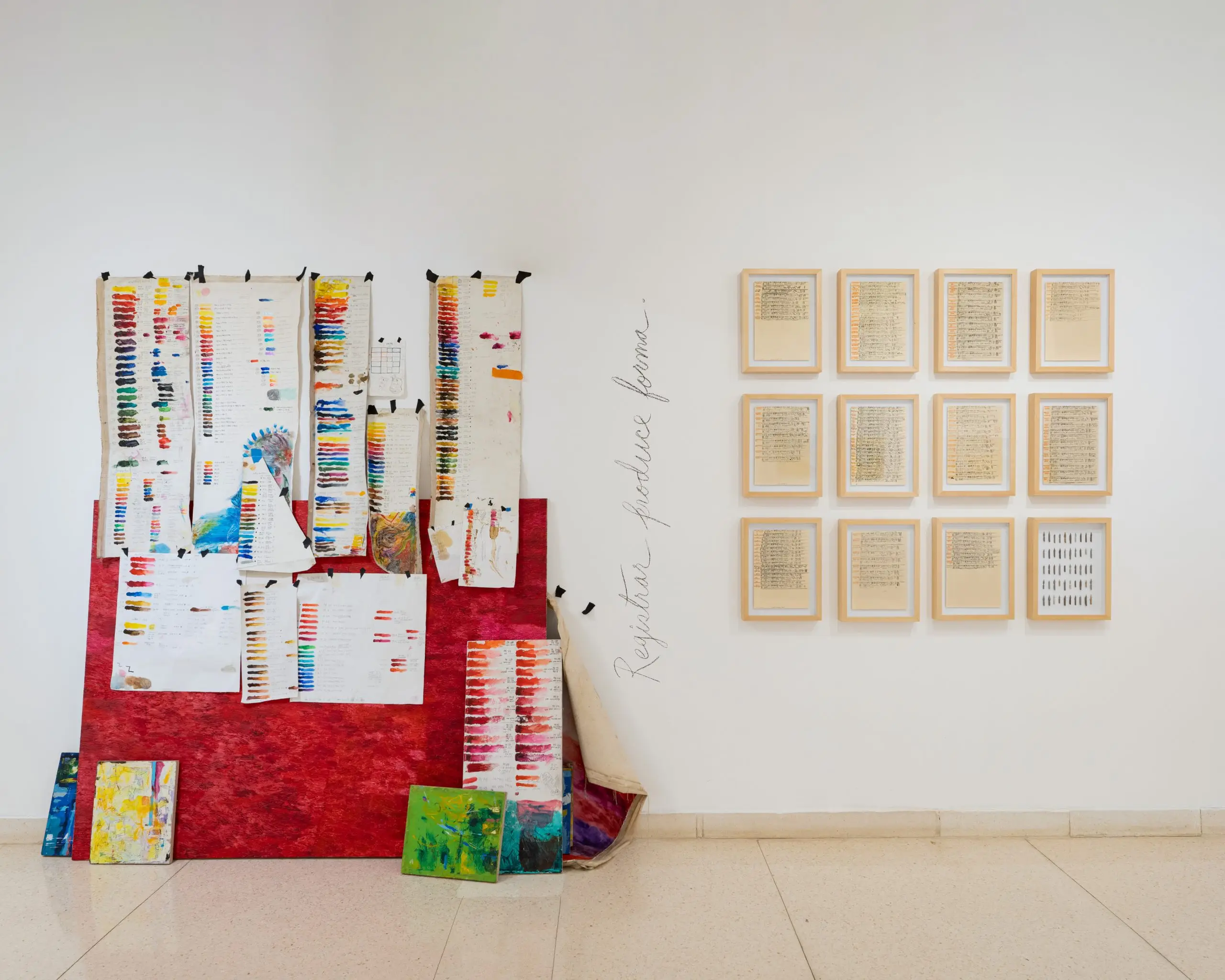
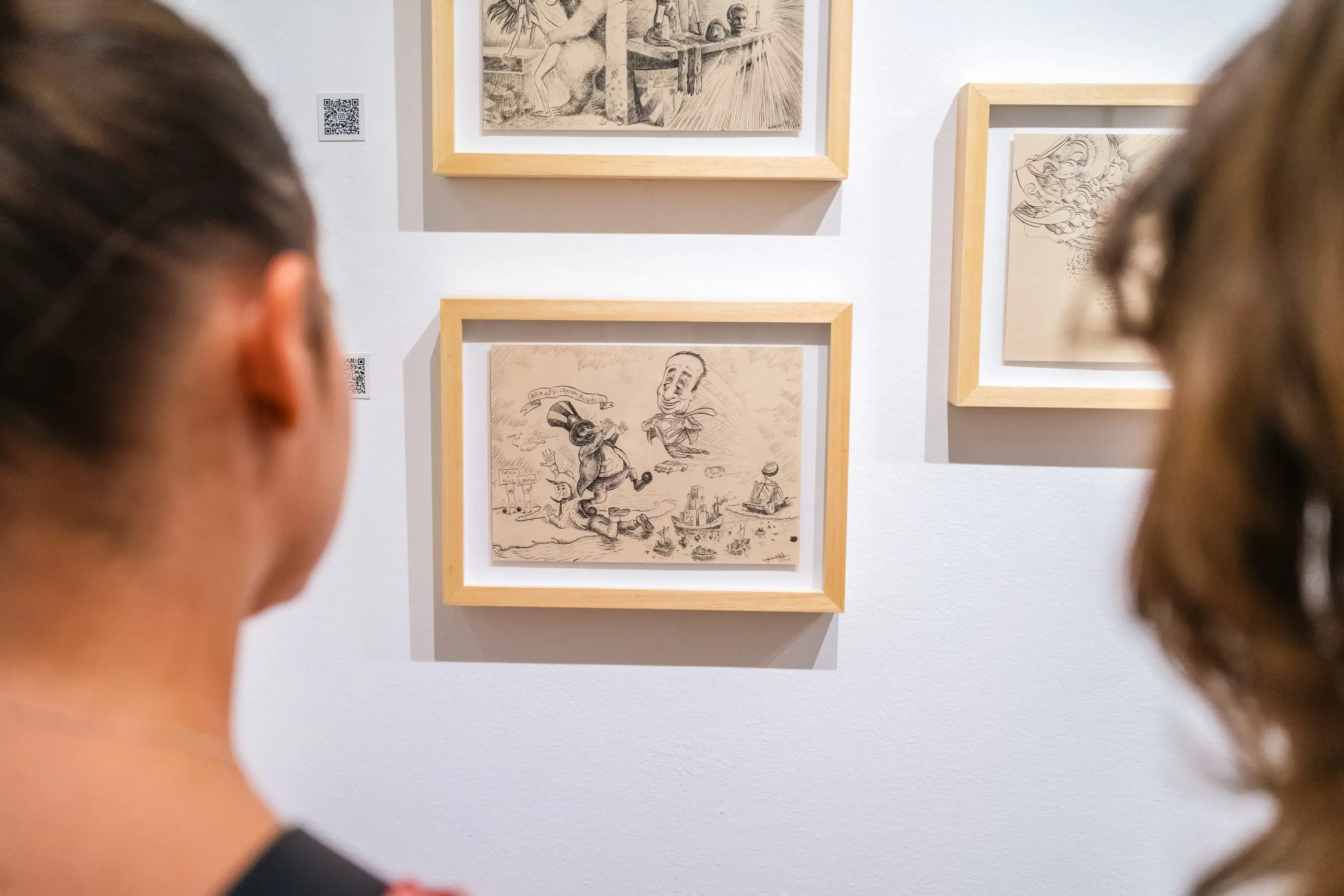
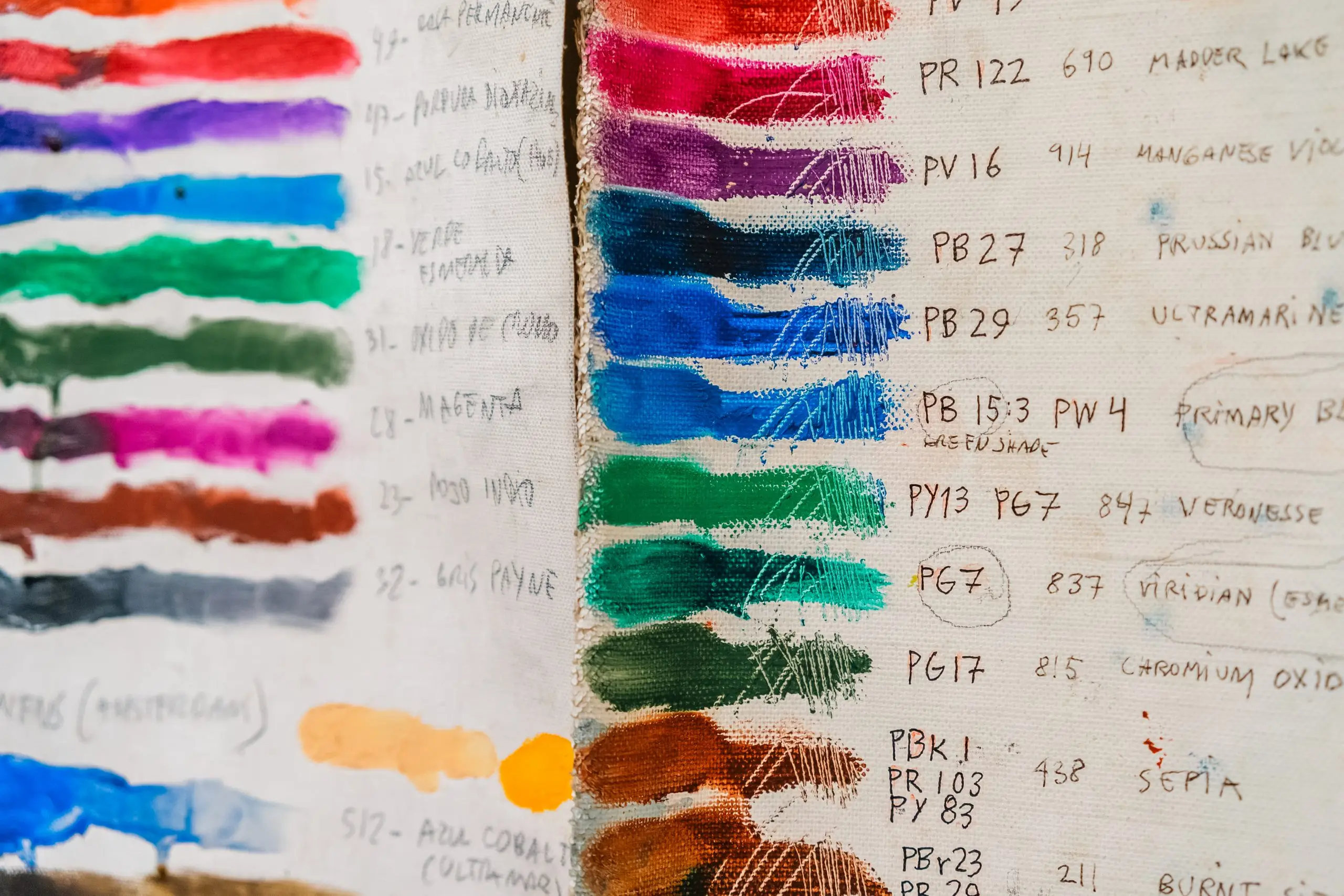
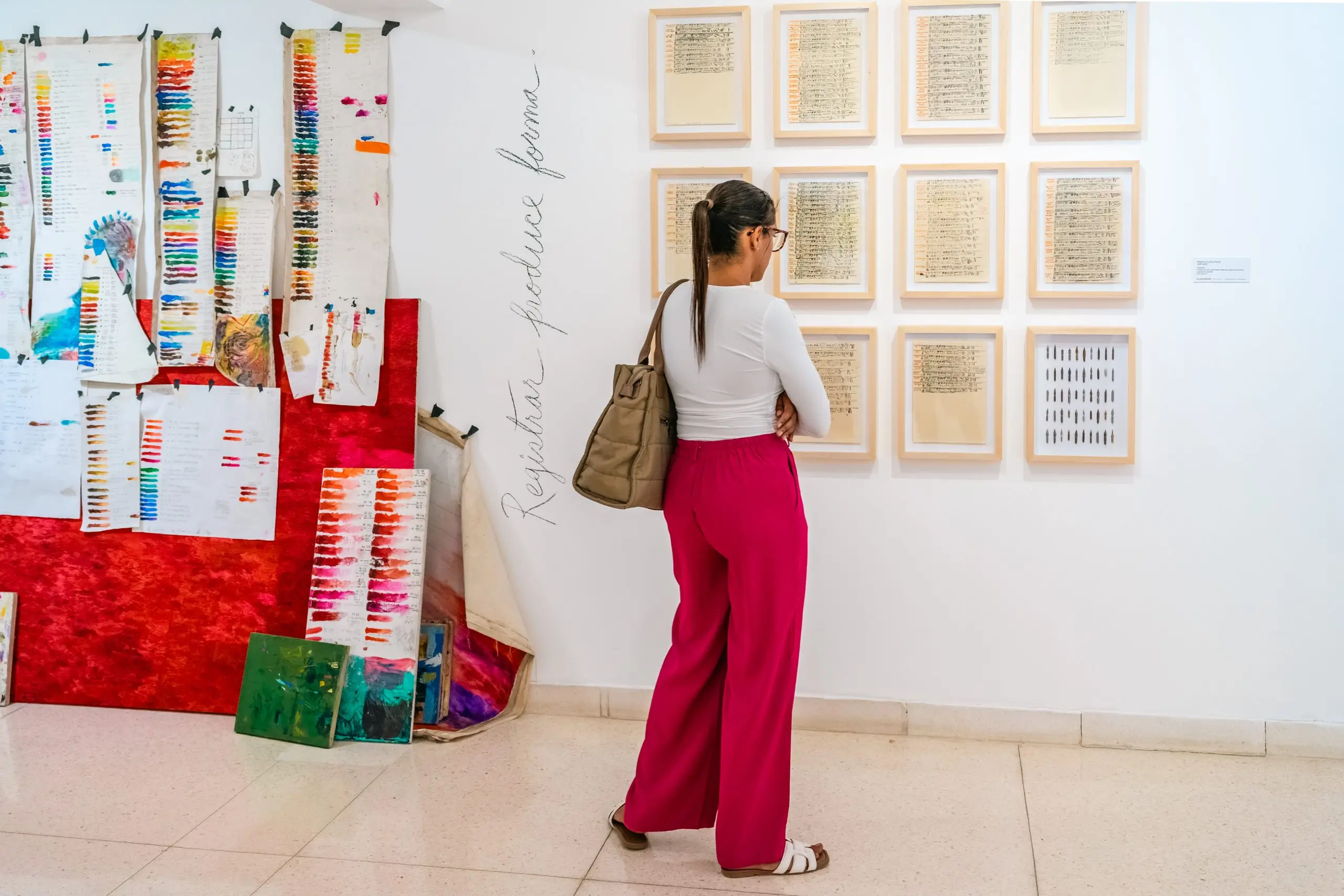
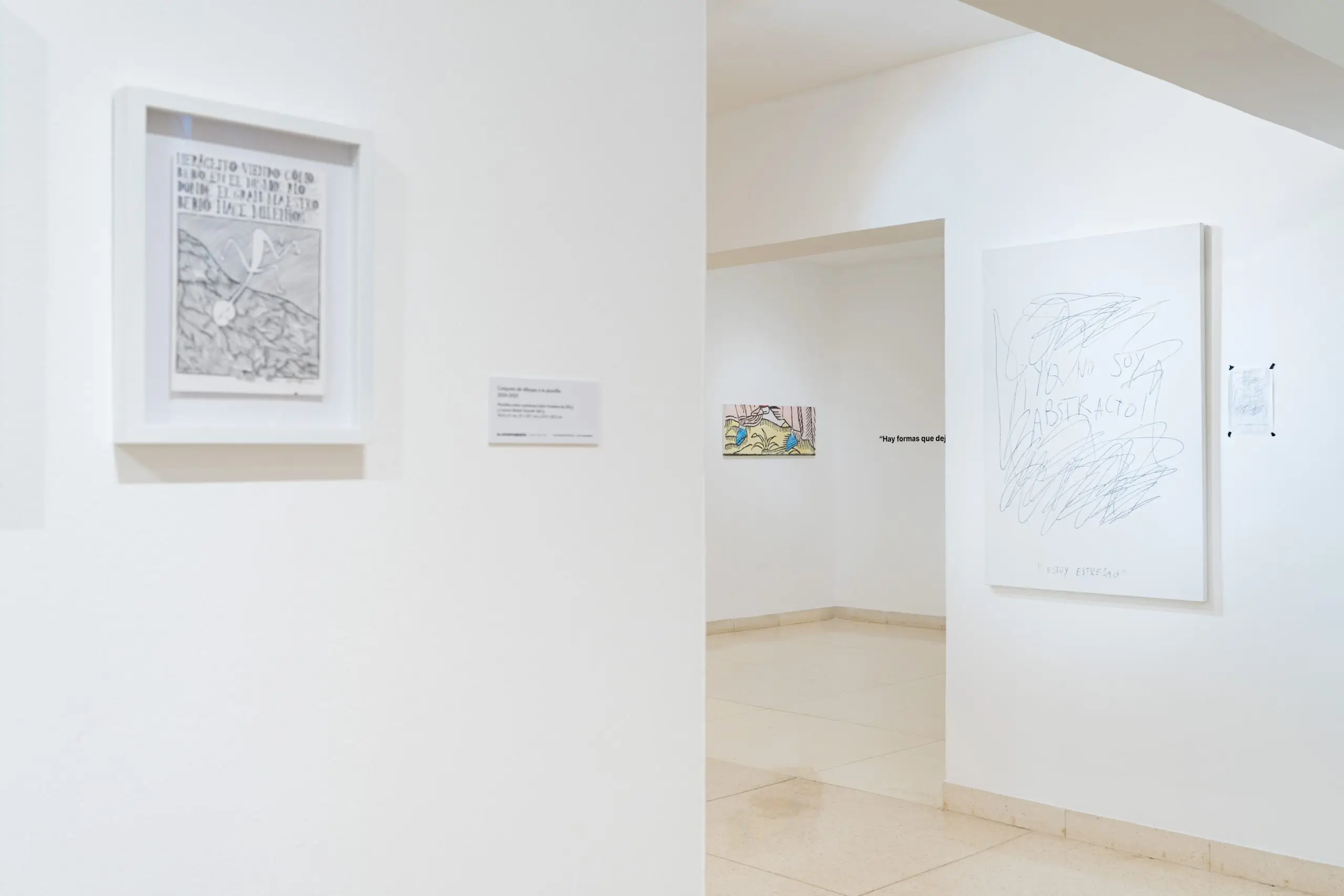
At Register produces form, the process is not reconstructed. The pen tests do not function as preliminary materials, but as part of the work itself. The form is defined in the contact between tool and support, and each stroke incorporates a variation that is not corrected, but accumulated. In this same regime are the color proofs: fragments where the pigment is presented as matter in adjustment, as a decision still open.
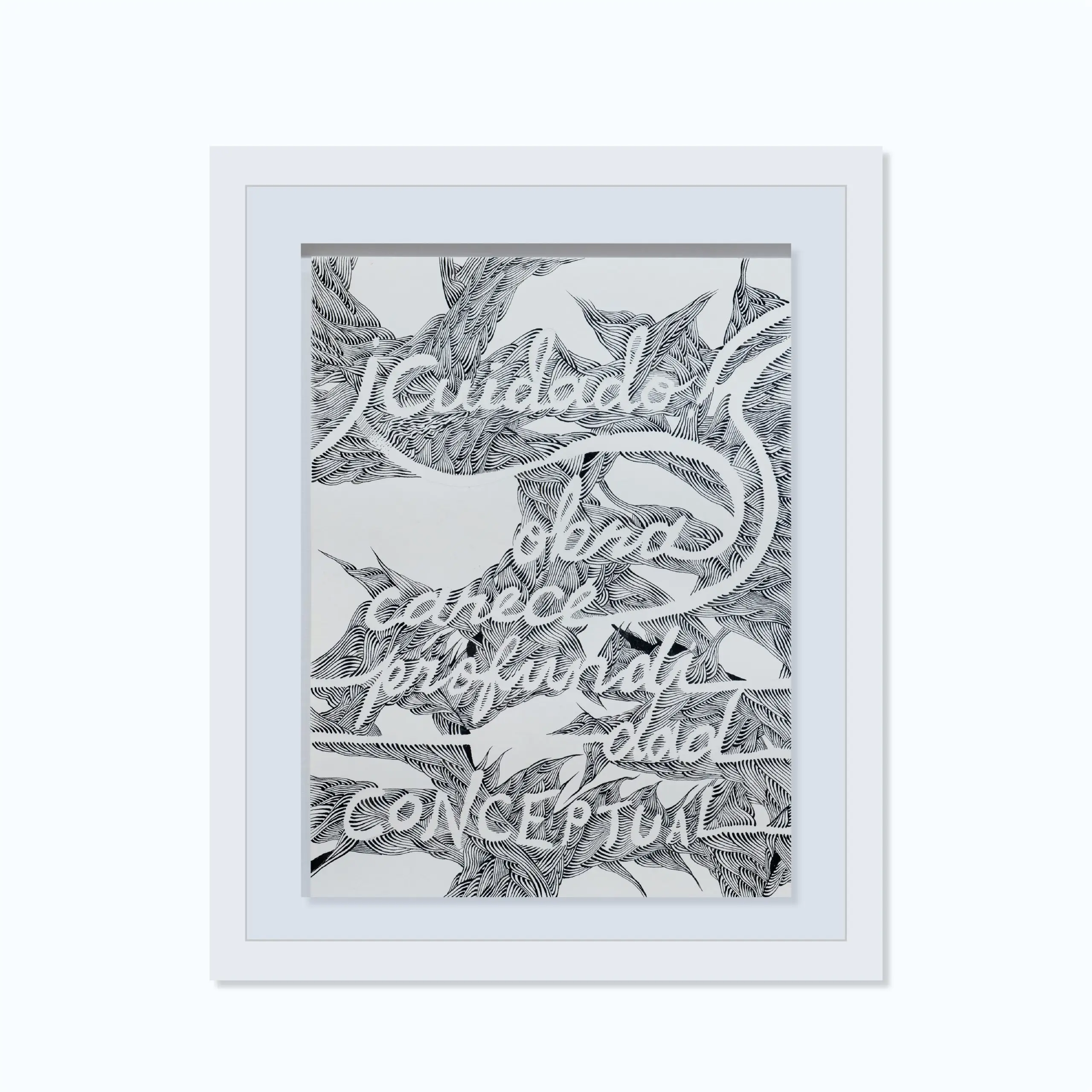
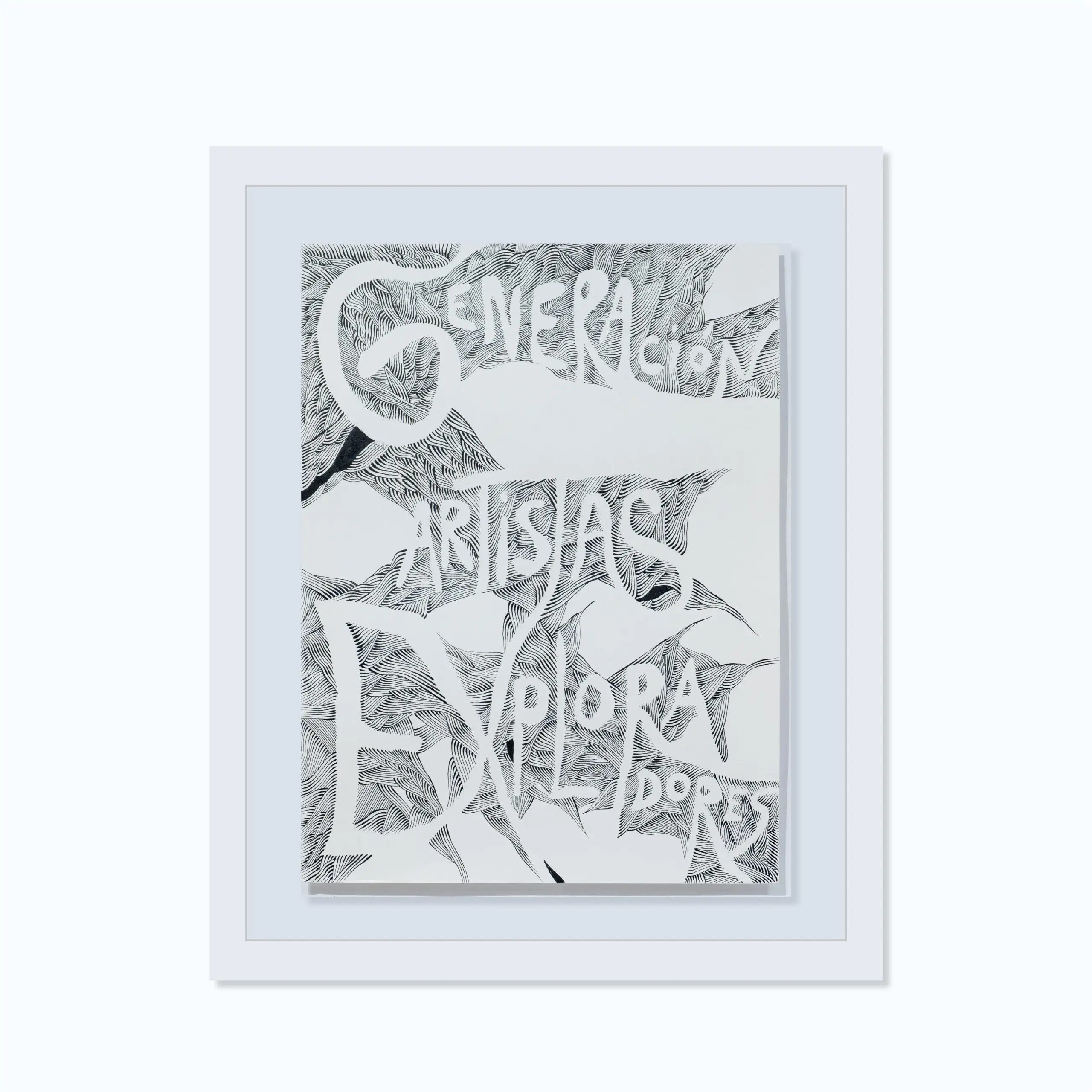
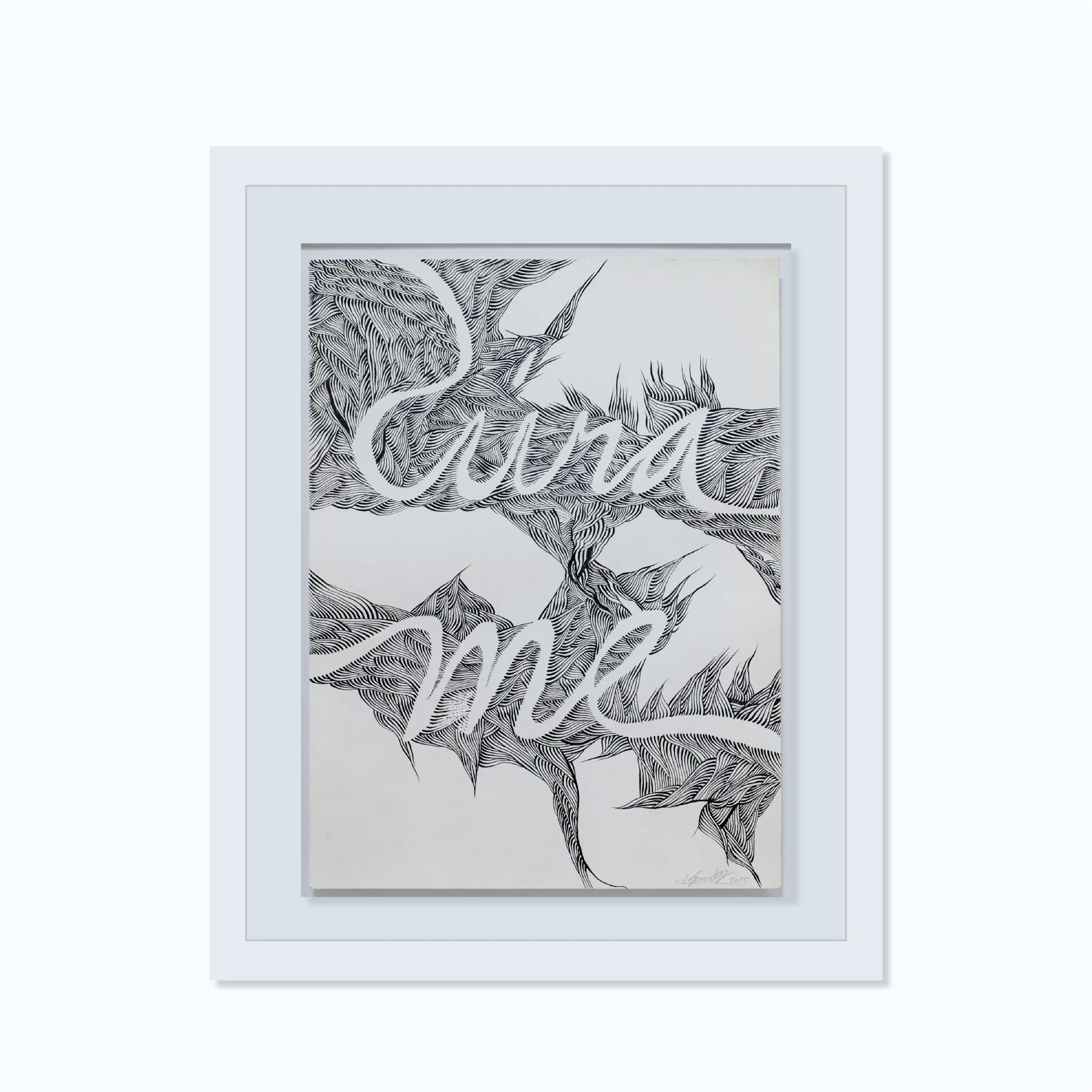
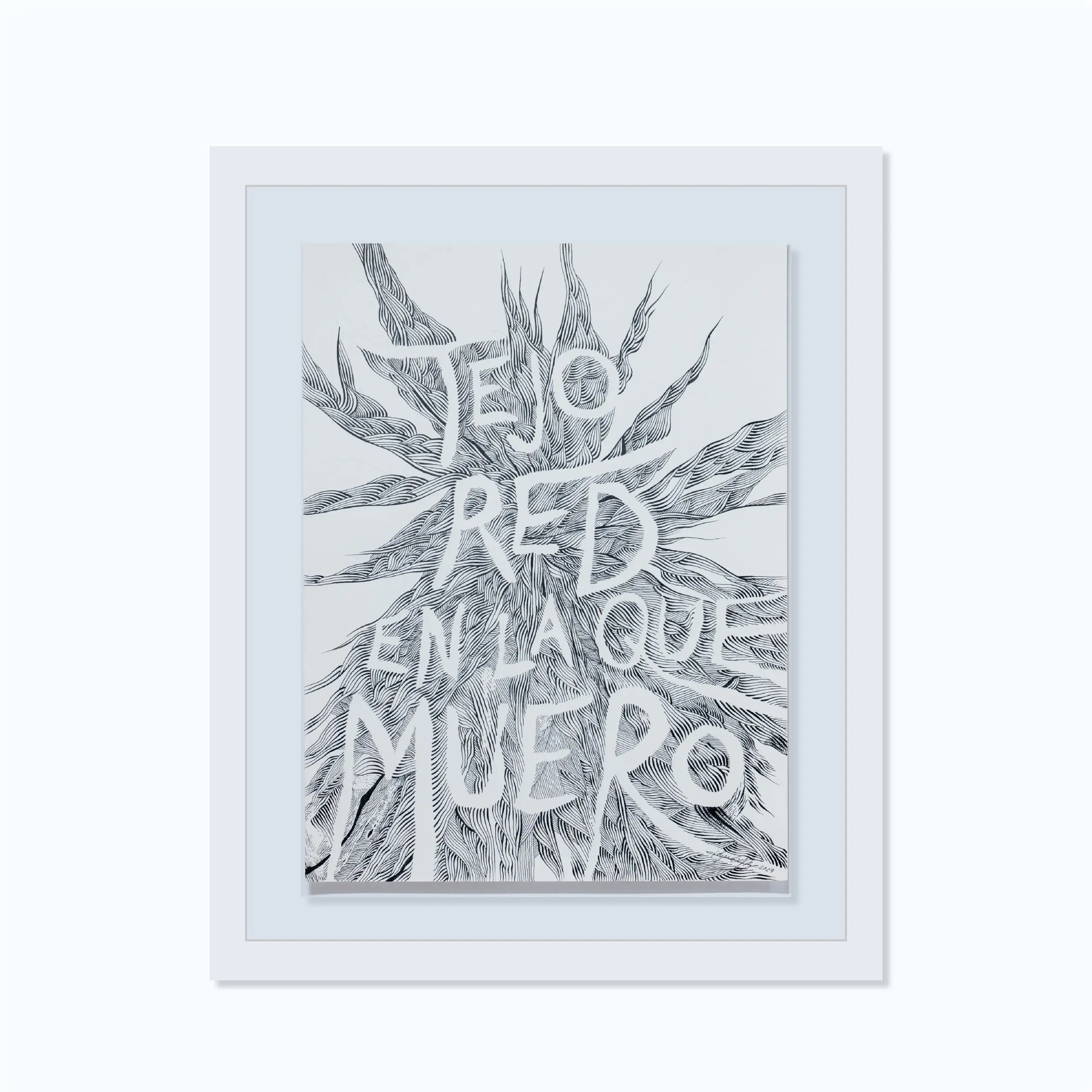
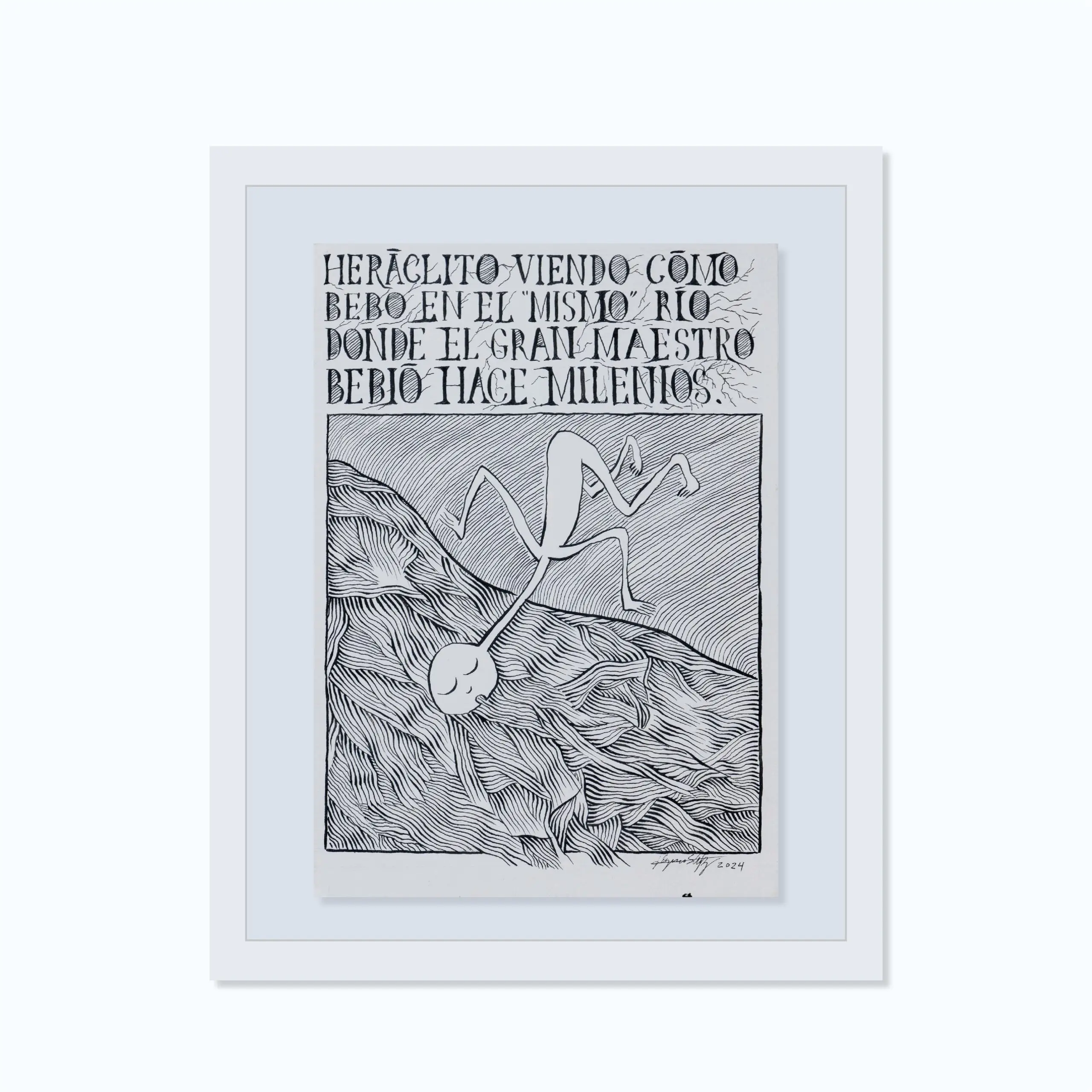
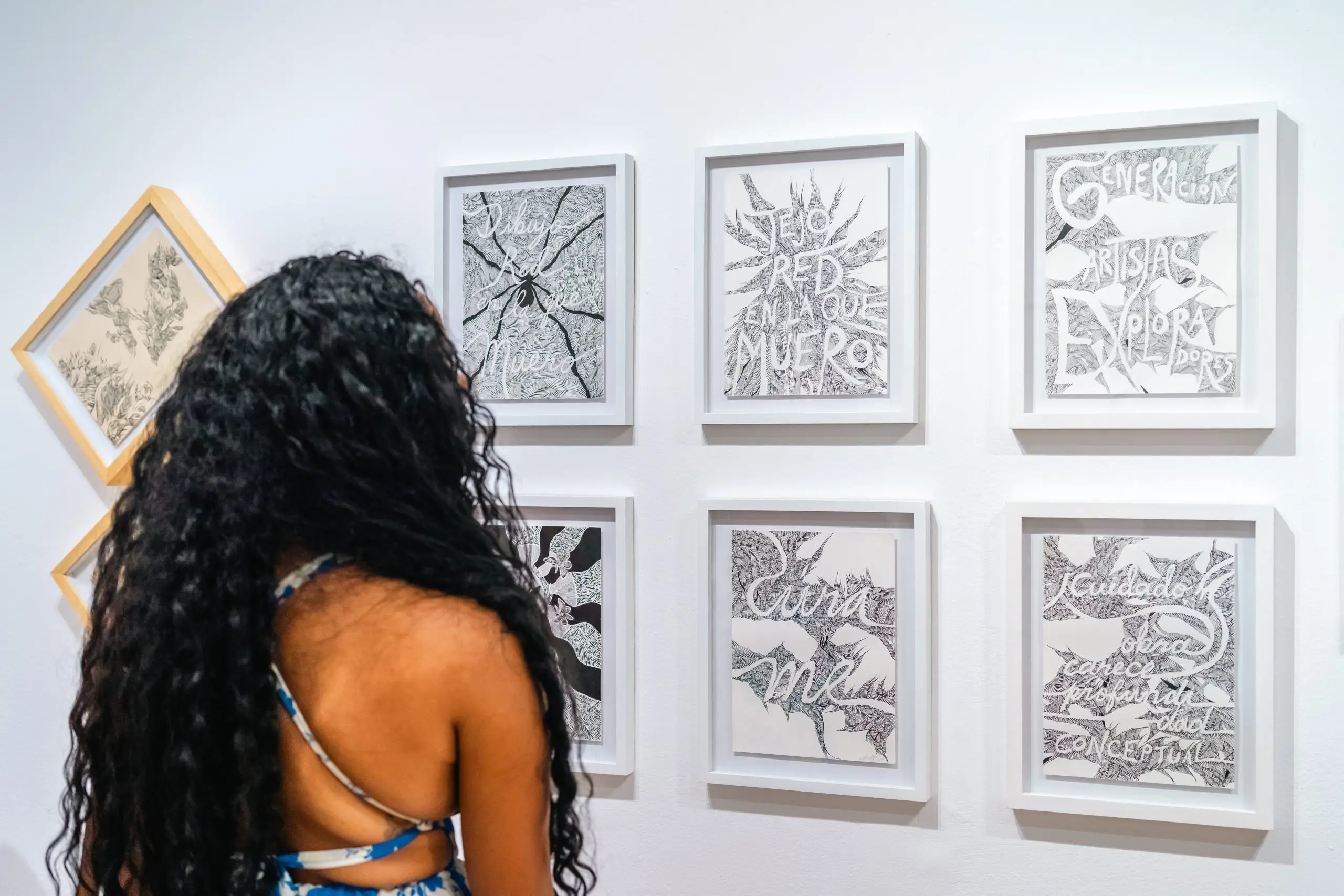
In the pen drawings, this logic intensifies until it becomes an image. The accumulation of lines produces density and surface until the figure appears, and the technical control does not cancel the process, but makes it visible. In several of these drawings, moreover, the text is not added to the image: it is reserved in the color of the cardboard, as an interruption of the linear field and as a form that emerges from the execution. What appears as a finished drawing remains, however, an accumulation of strokes and variations. The image does not hide the process: it condenses it.
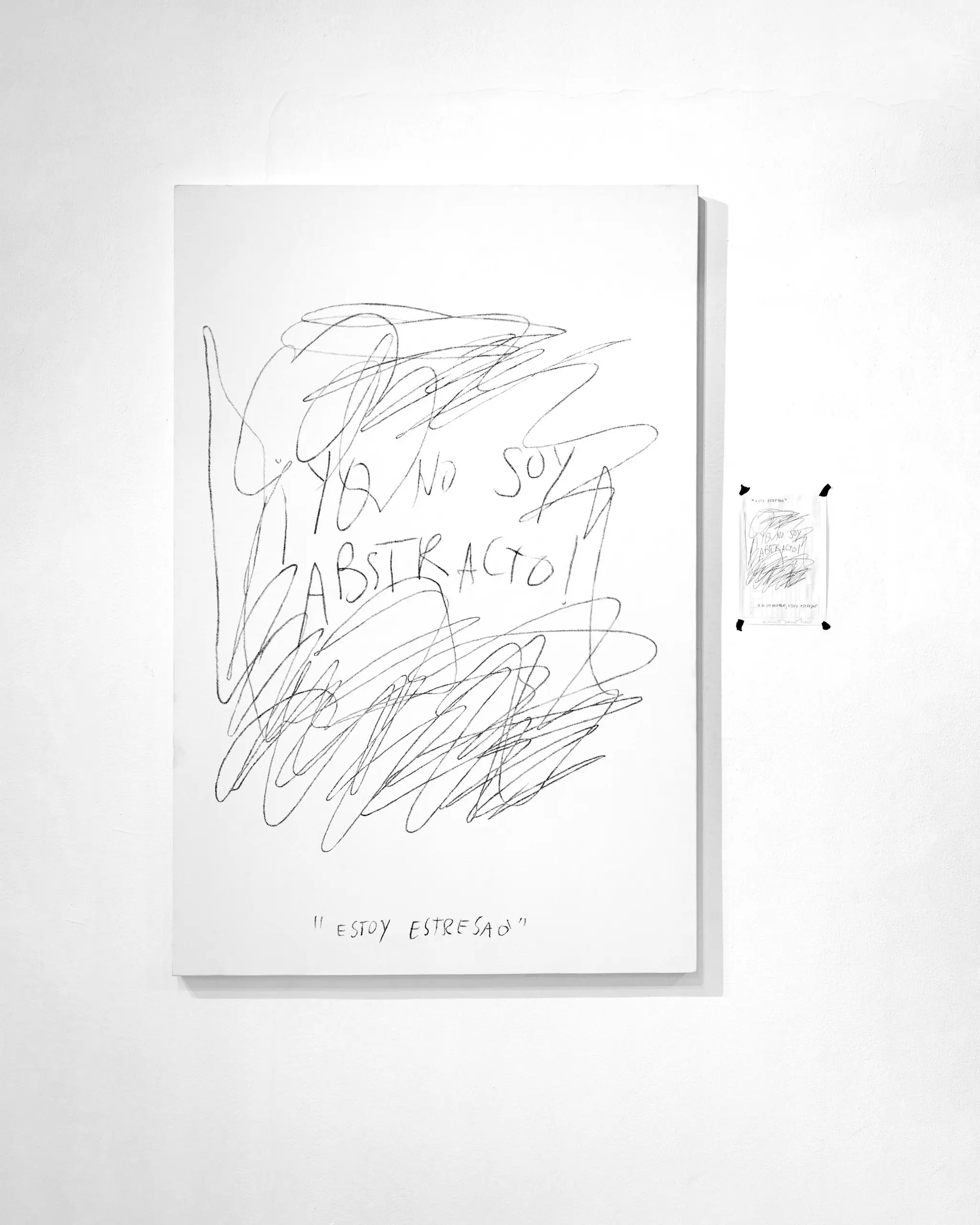
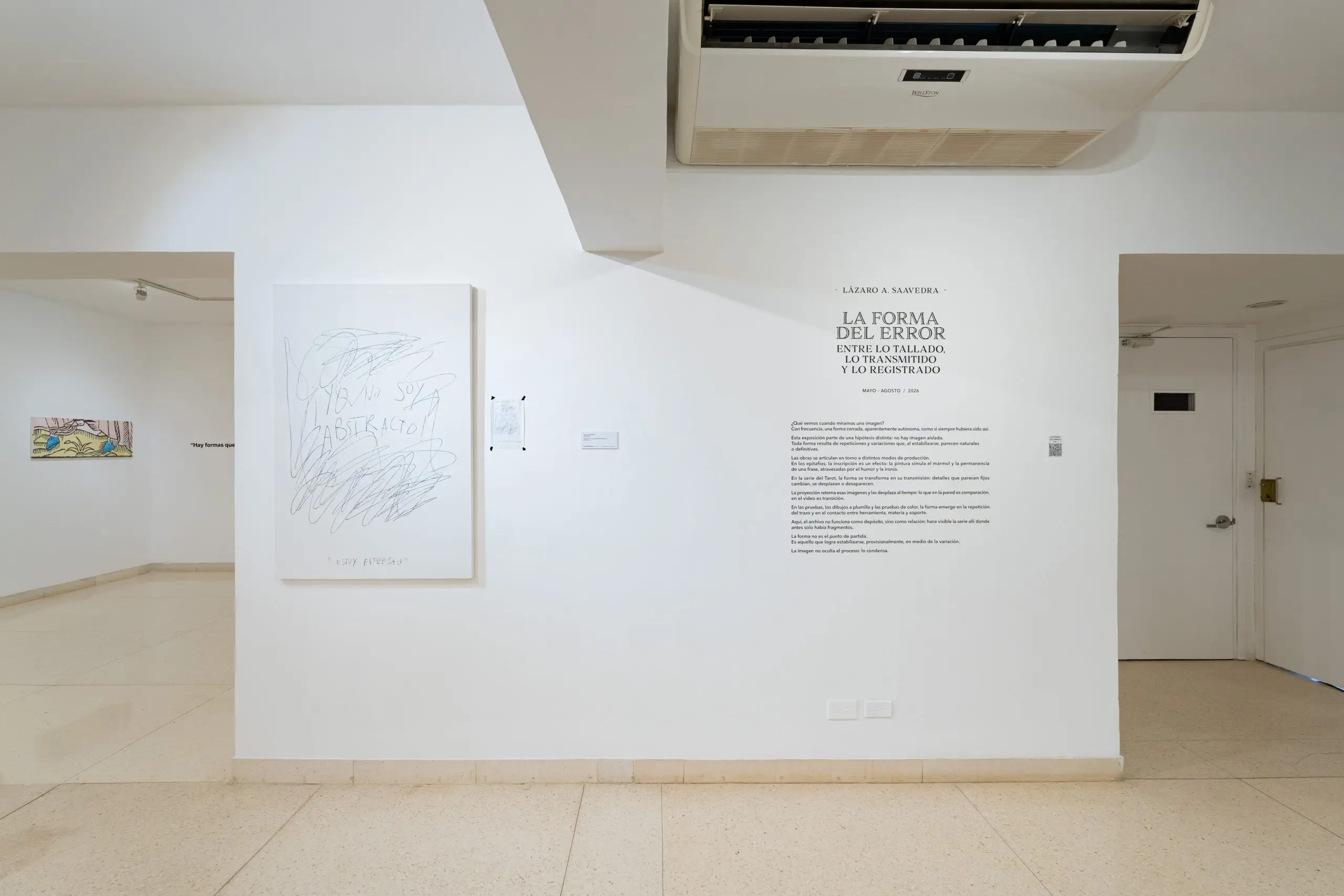
At I am not abstract, a small scribble made spontaneously on a page of notebook paper is transferred to a large scale by means of pen and India ink. What initially appears as a quick and continuous stroke is revealed, up close, as a construction made from multiple accumulated minimal lines. The line then ceases to function as an immediate trace of the gesture and becomes evident as a constructed structure. What seems spontaneous turns out to be meticulously elaborated; what seems abstract insists, at the same time, on denying it.
Between the carved, the transmitted and the recorded there is no separation, but rather different ways of producing form under unstable conditions. What from the outside might seem heterogeneous responds, in reality, to a system of relationships that only becomes visible when the images are put in series.
Form is not the starting point. It is that which manages to stabilize, provisionally, in the midst of variation. Lazaro A. Saavedra
 EN
EN  ES
ES  IT
IT  FR
FR  ZH
ZH  PT
PT