At the end of the 18th century, most of the natural science museums in Europe were inaugurated. Their collections were filled with specimens brought from the colonies that these countries had subjugated.
In 1884, Henri Rousseau began his artistic career as a painter at the age of 41.
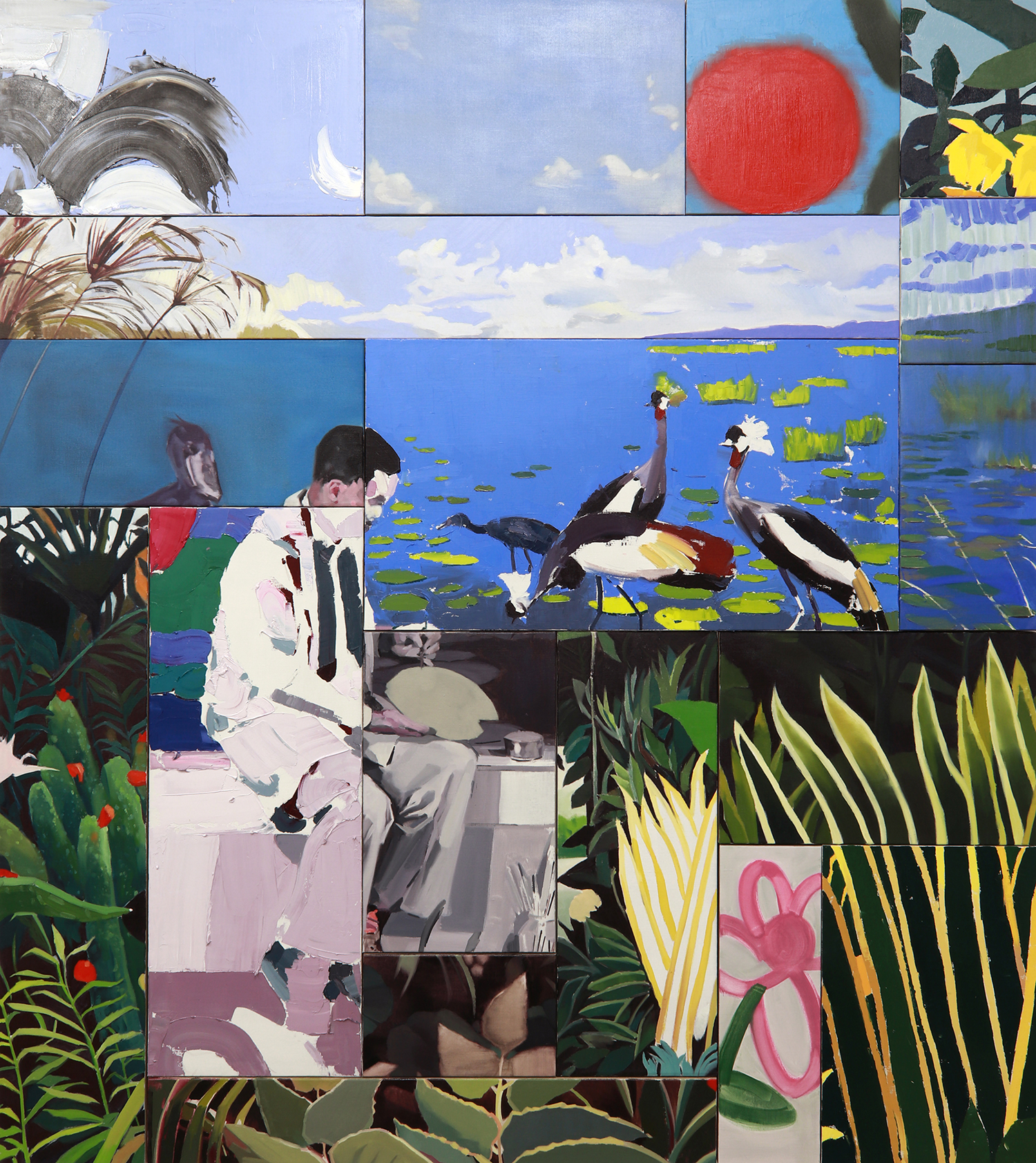
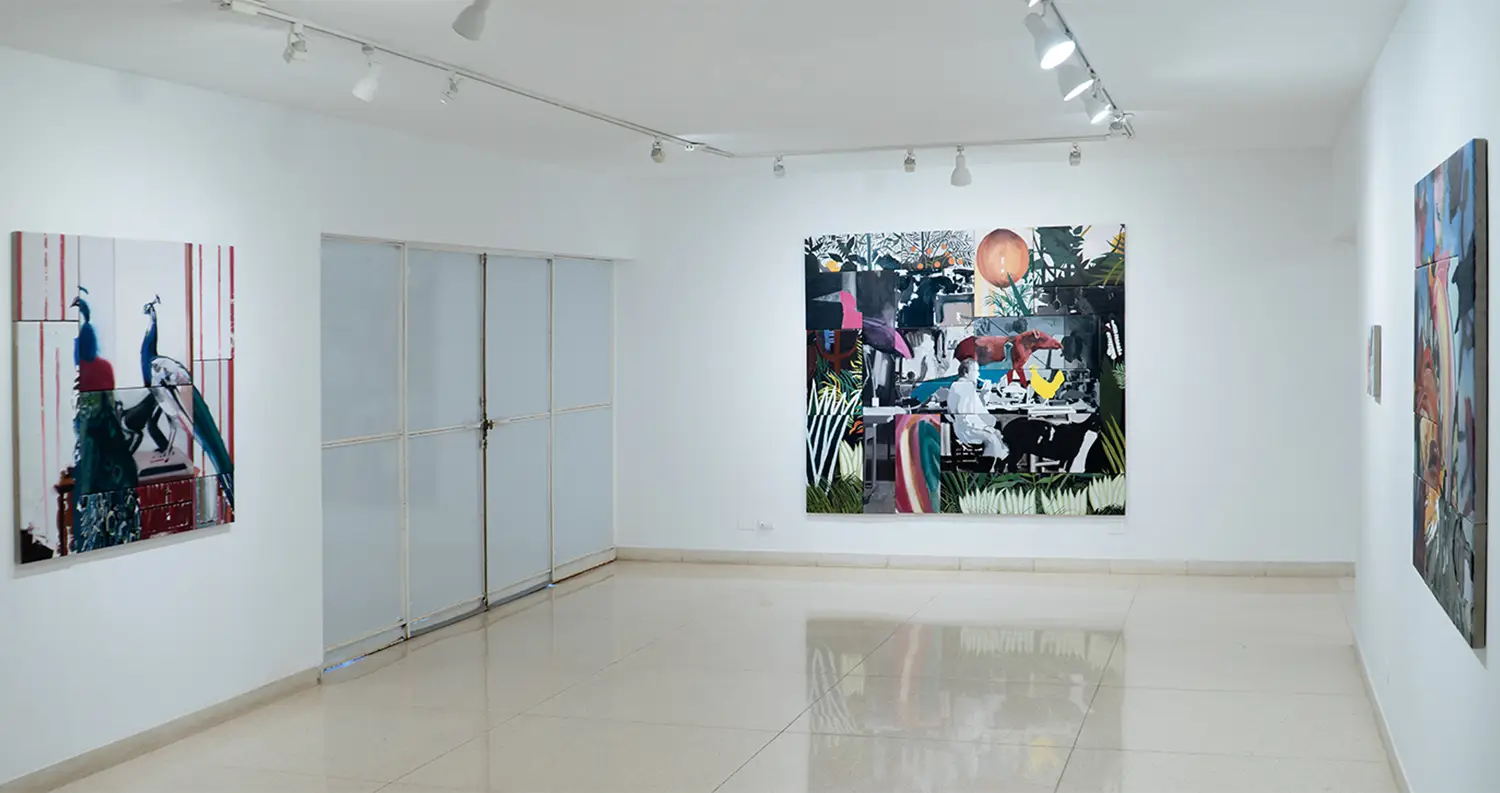
Under a naive look, Rousseau alternated nationalist paintings with the production of a series of very singular paintings. In these, he depicts in the midst of exuberant tropical jungles, a sort of dreamlike fauna. The evident formal anomalies and the disproportion in the representation of those animals are especially striking. Rosseau never left France, yet he built his exotic imaginary from his continuous visits to the Museum of Natural Sciences in Paris and, in particular, to its Botanical Garden.
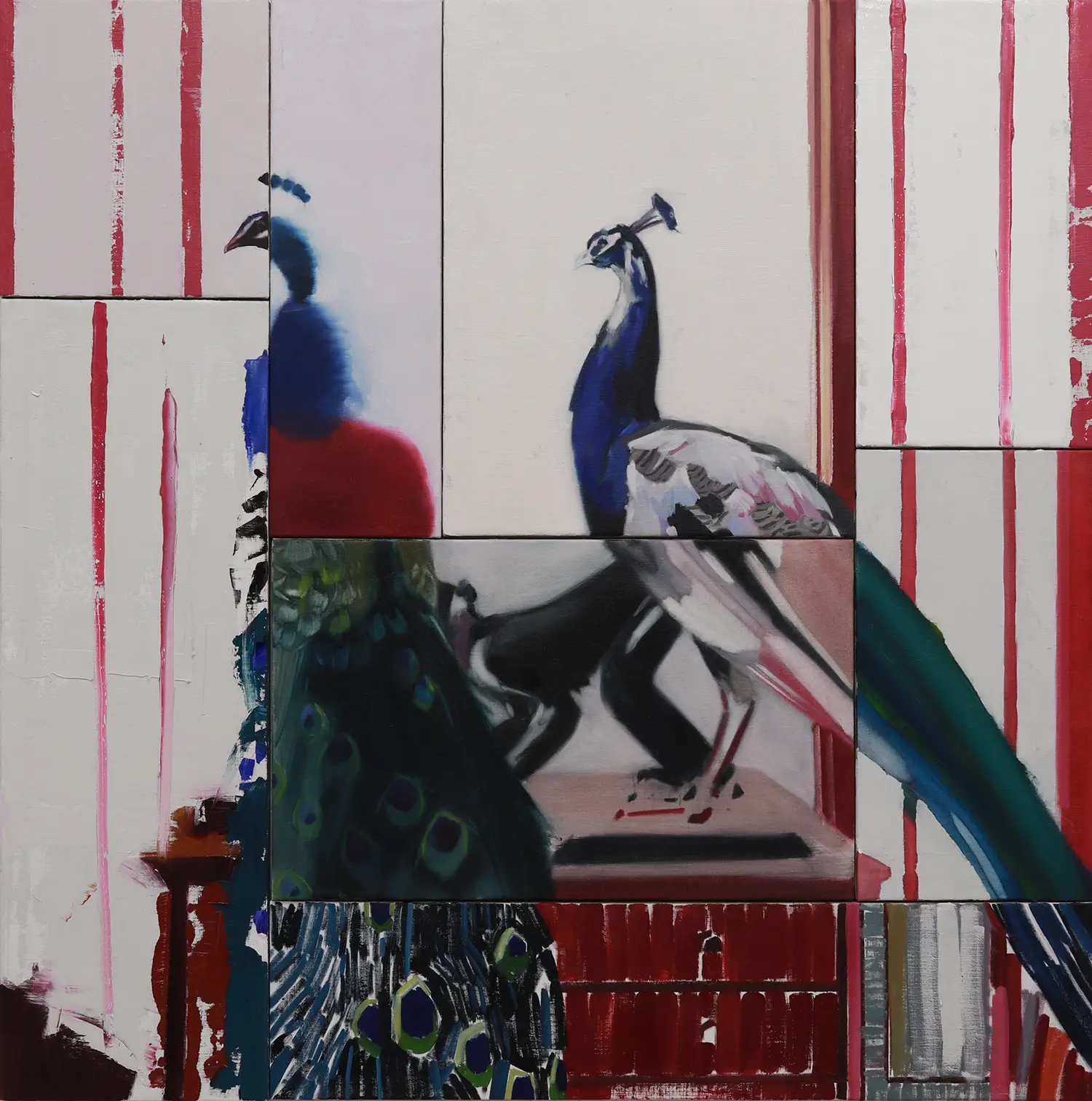
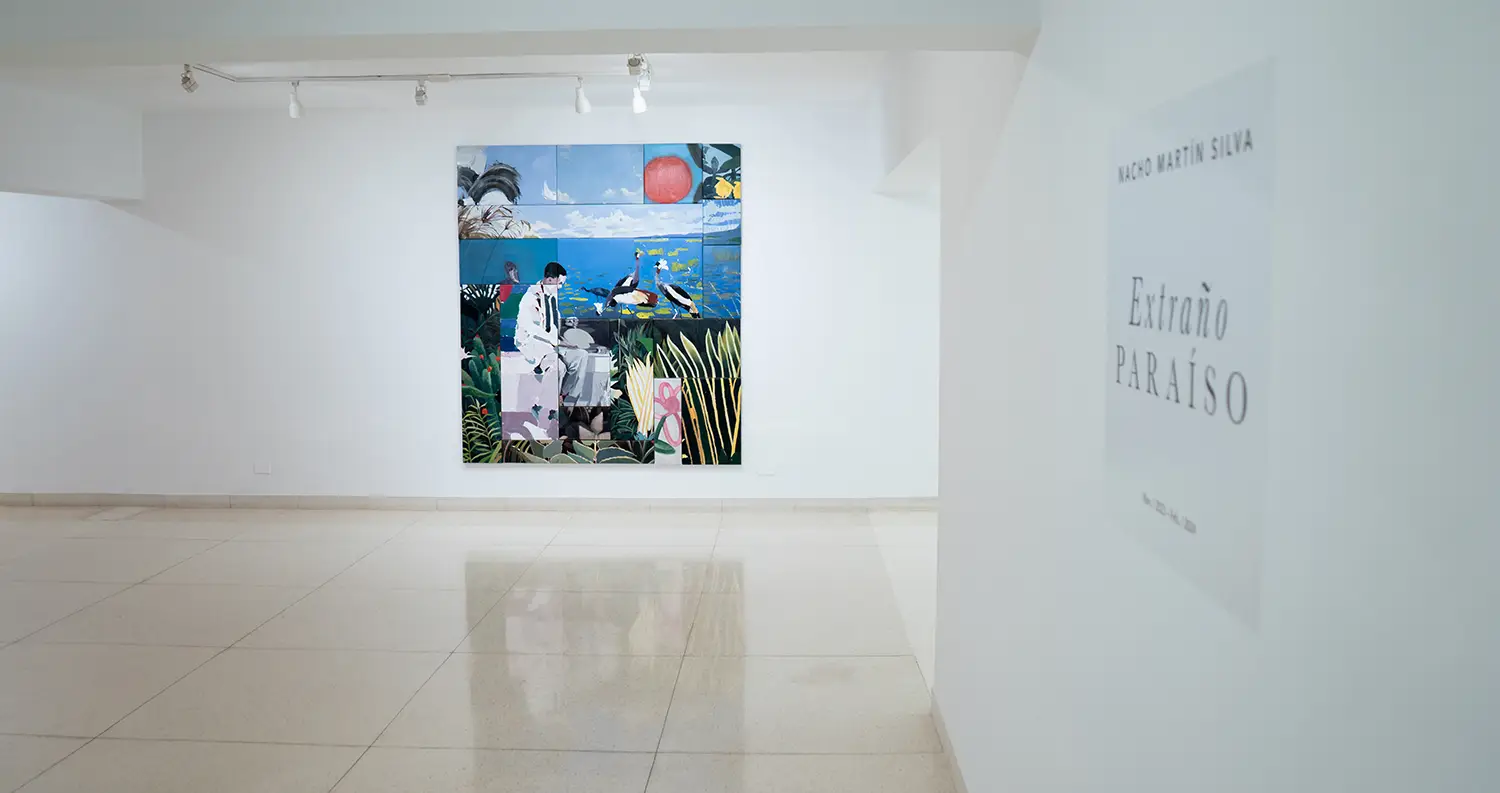
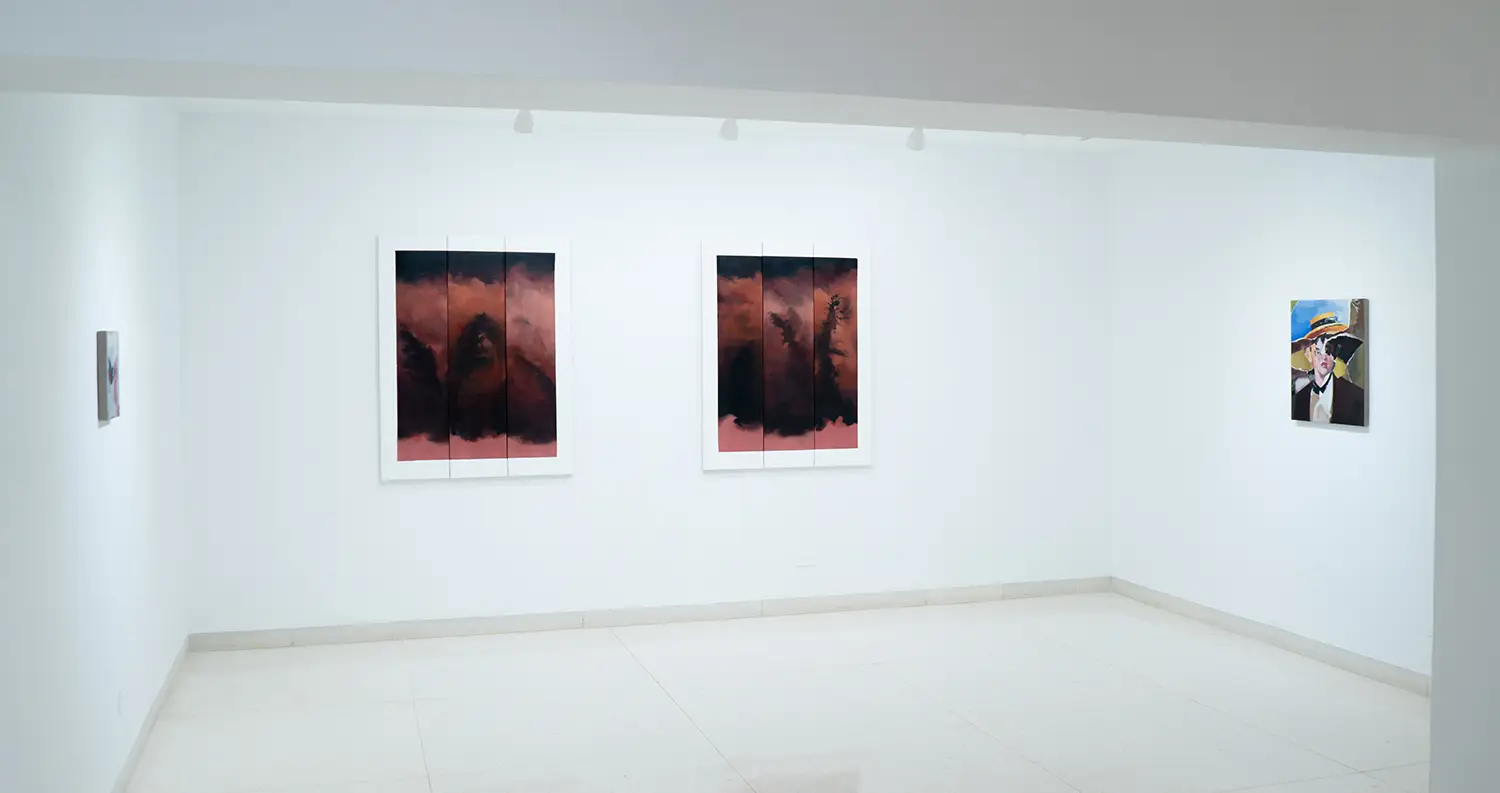
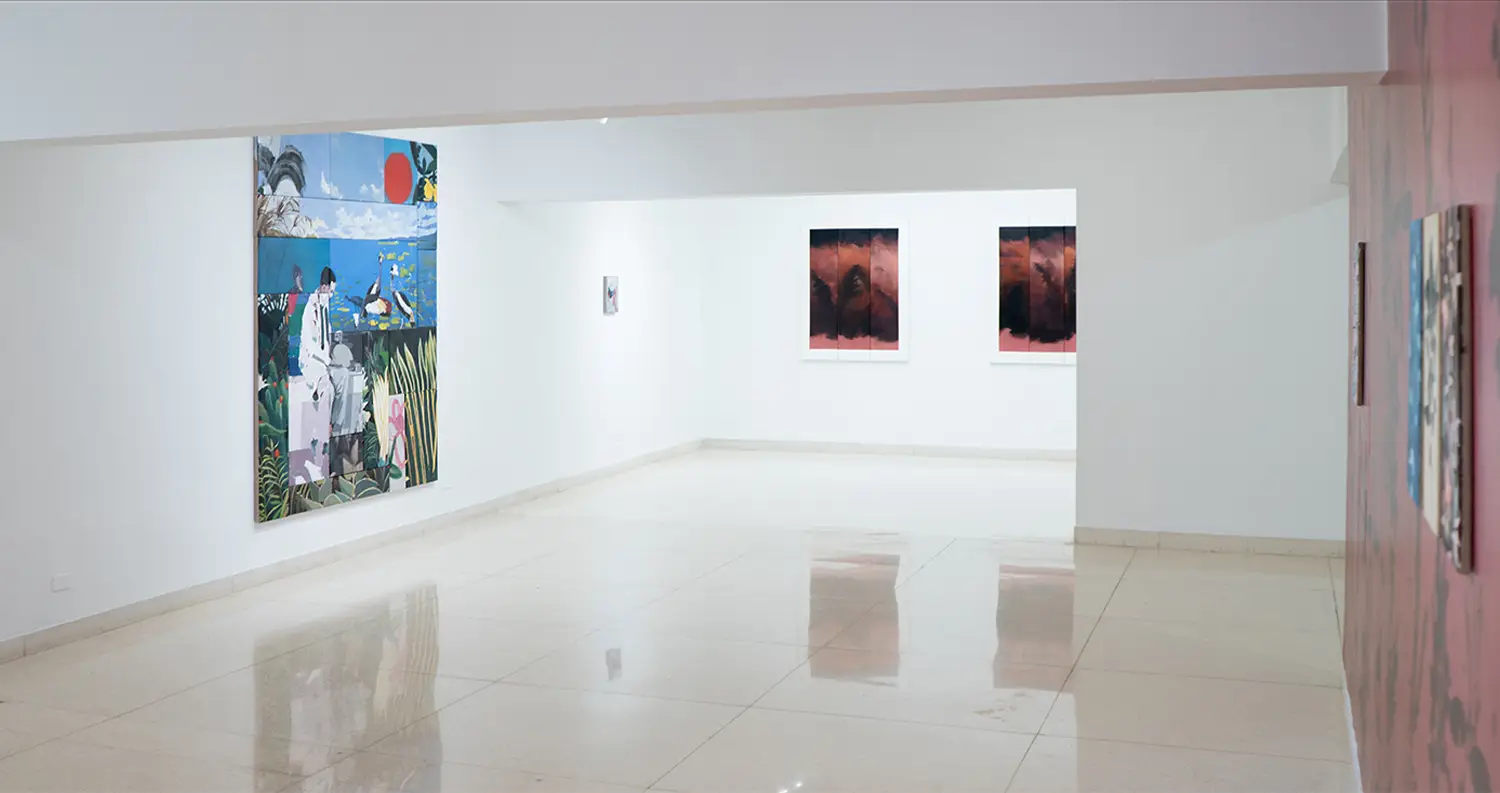
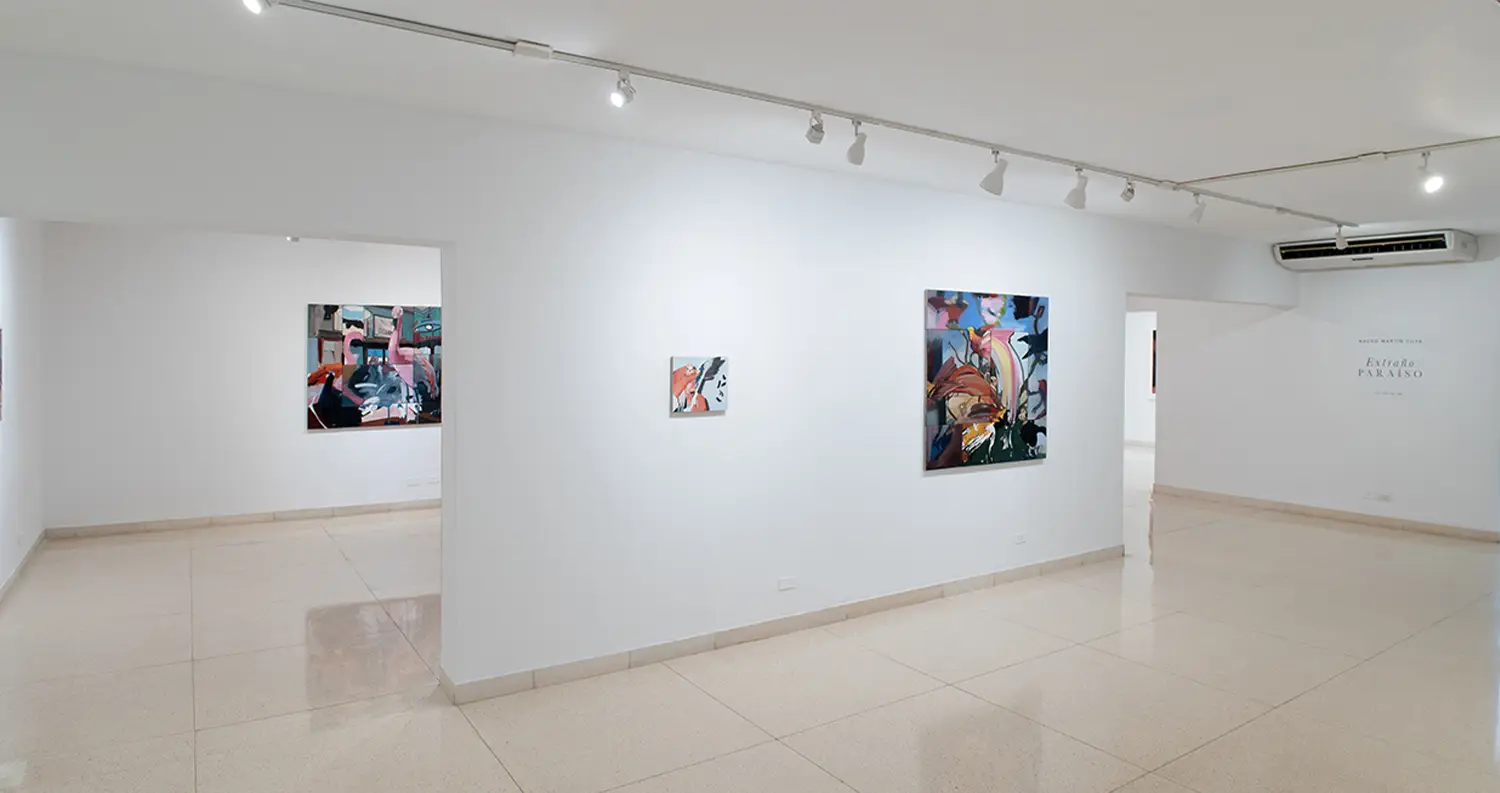
It is precisely this segment of the work of the renowned French painter that Nacho Martín Silva finds most fascinating. That is why he appropriates it as a starting point in the development of the project Extraño Paraiso.
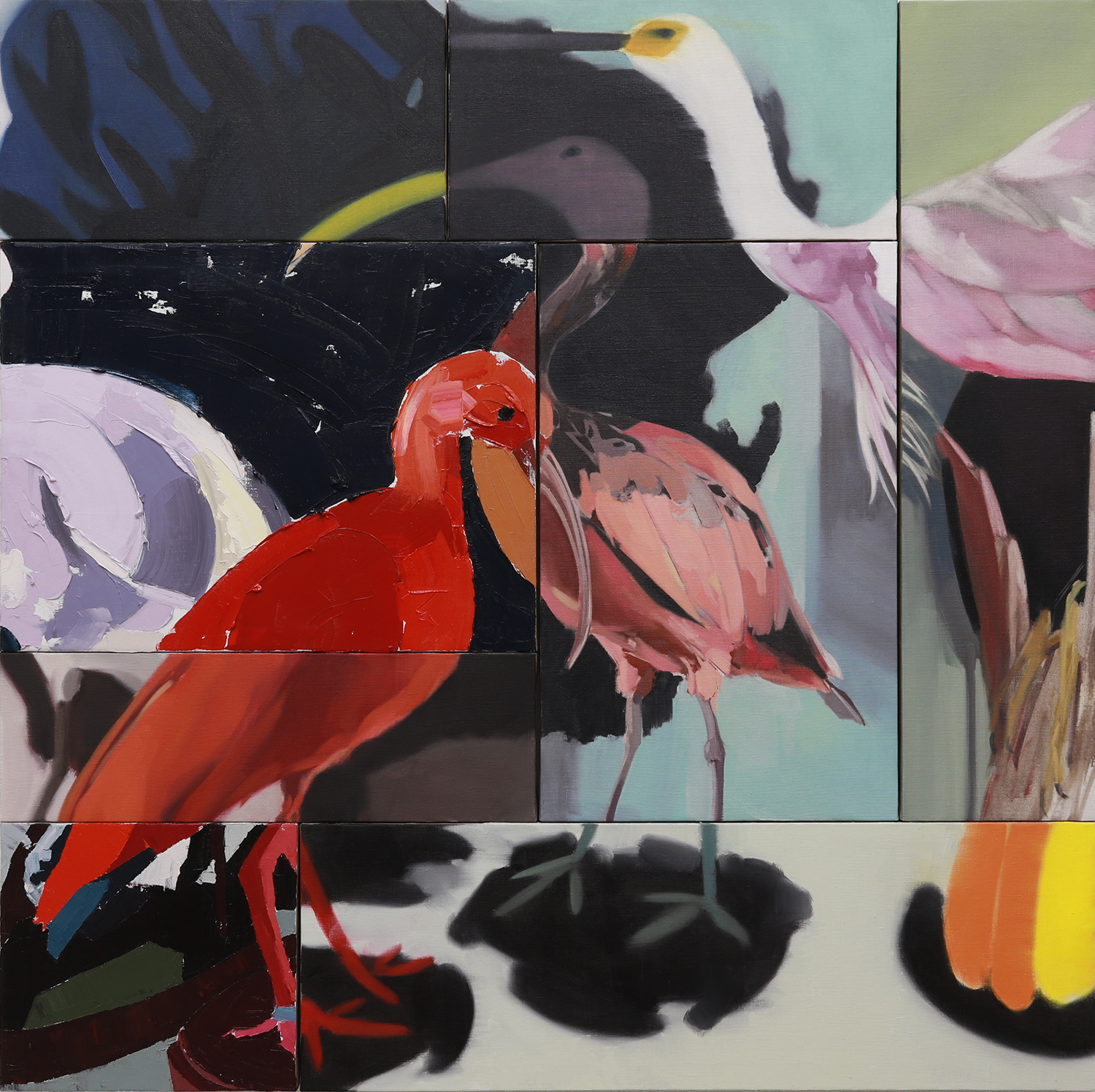
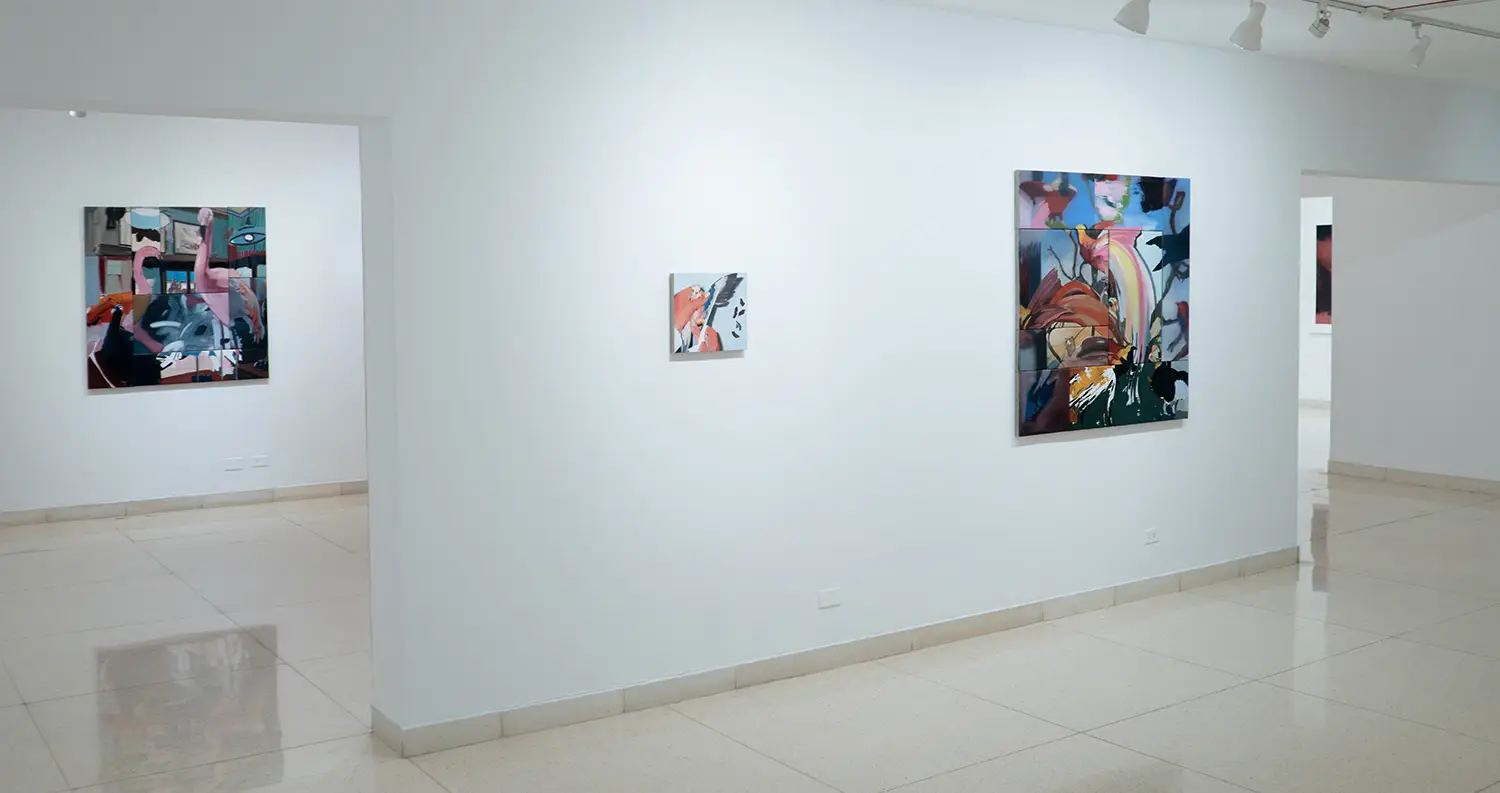
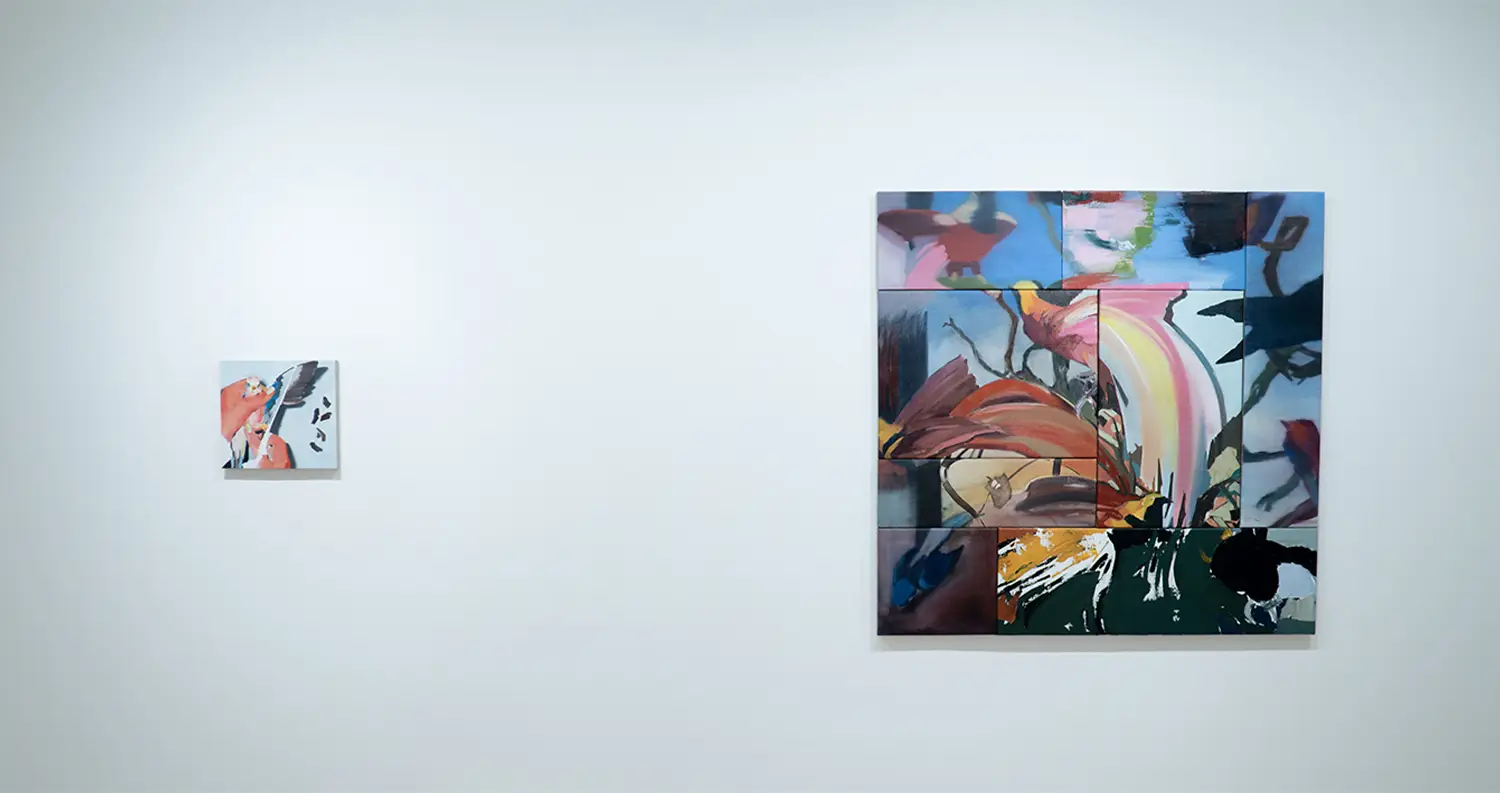
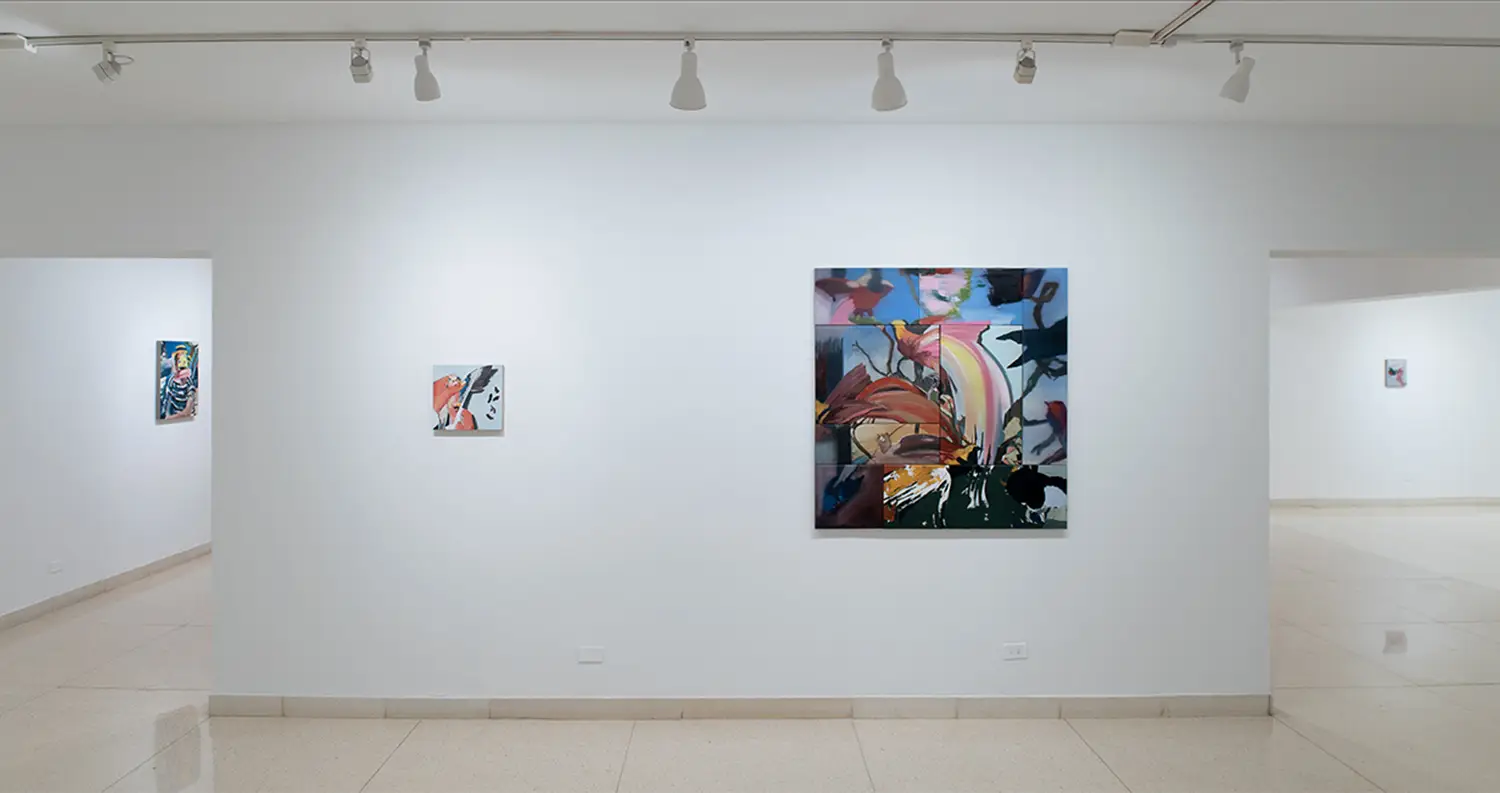
The manipulation of scientific and documentary material for the construction of fictions is one of the ideas that persist in all of Martín Silva's work. Through his characteristic pictorial language, based on the fragmentary construction of the painting, he draws attention to the ruin of the veracity of images in the contemporary world.
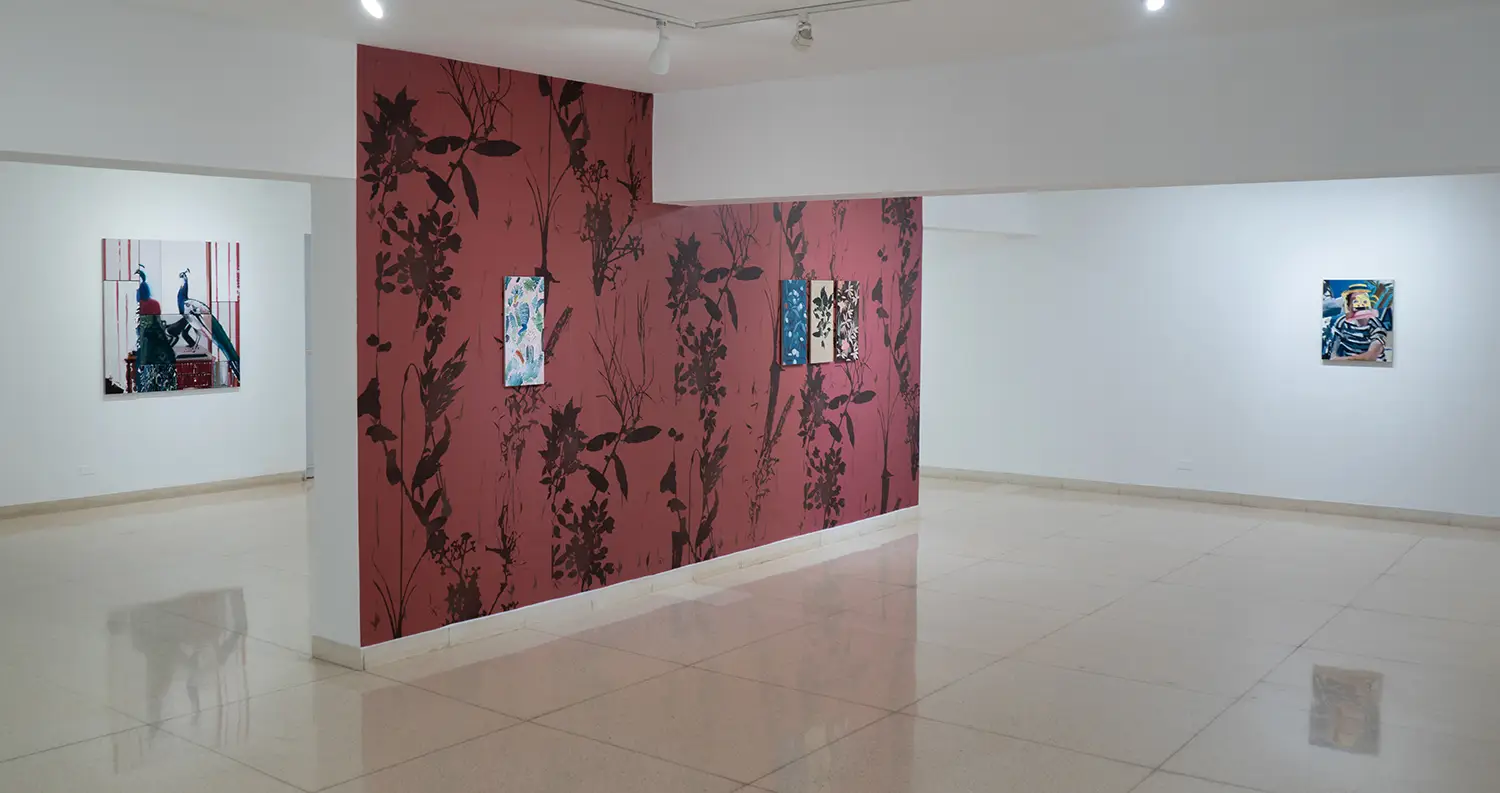
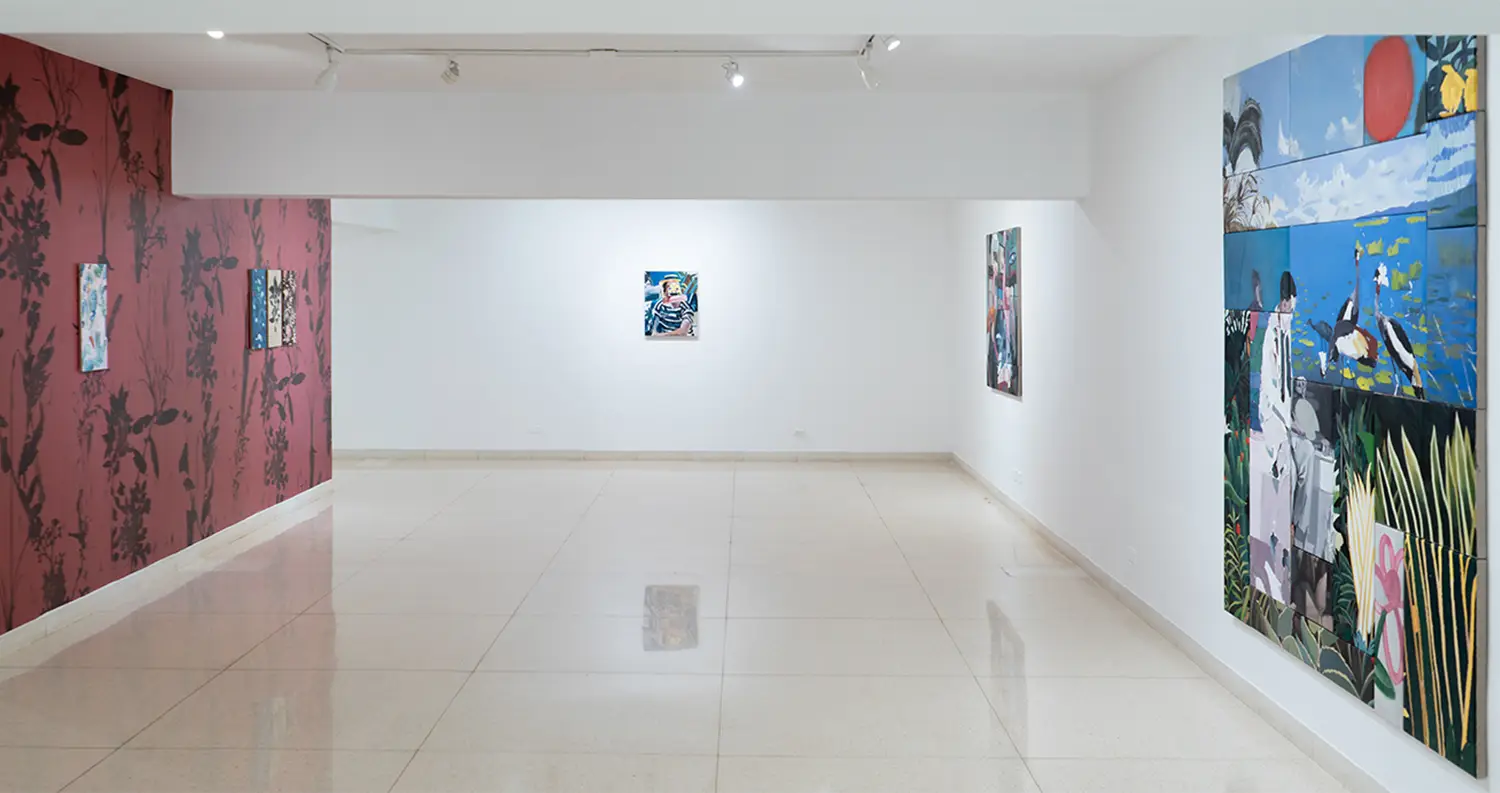
In this exhibition, the artist proposes a journey through the idea of landscape and the idea of nature. He pays special attention to a nature understood from the point of view of modernity, which has been turned into a spectacle and, at the same time, into a subject of observation.
It is worth noting that Martín Silva does not approach the question of landscape from an ecological militancy. From a position with a certain dose of irony, he seeks to reflect on the relationship that links us as individuals to our environment.
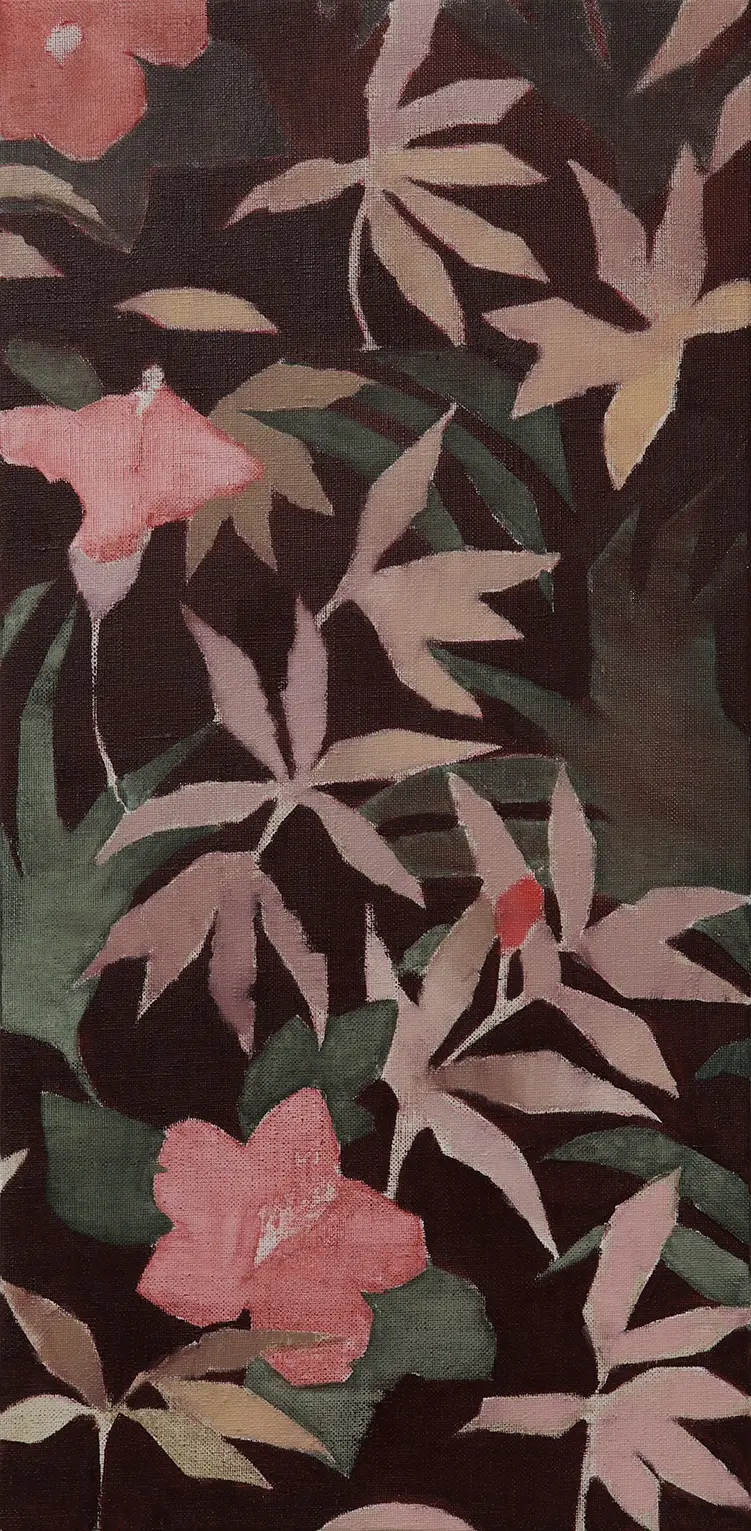
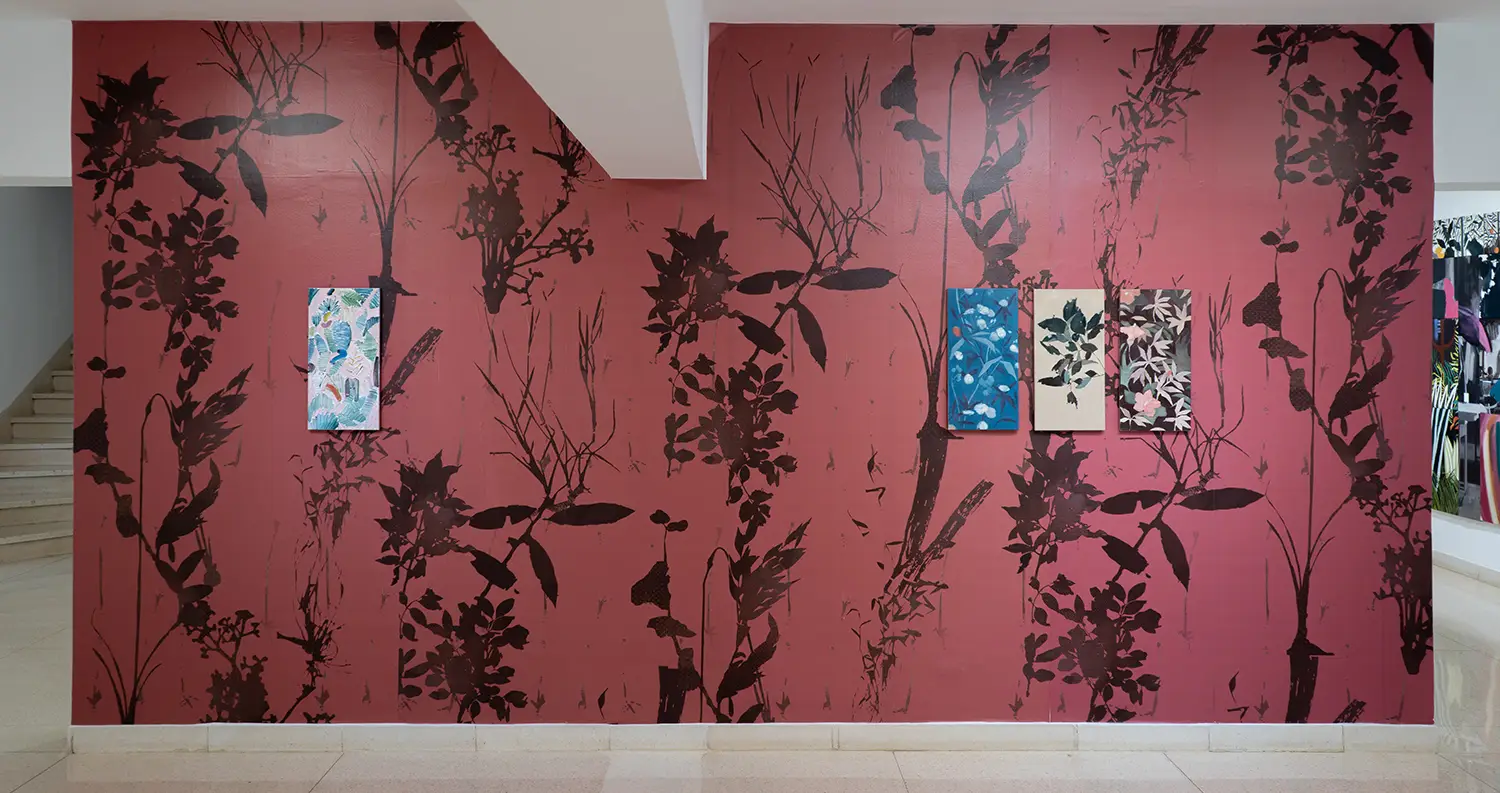
Fragments of works of art history, visual documentation on the history of taxidermy, decorative patterns for wallpapers that respond to names such as Habana, Cuba or Tropicana, extinct flora in Cuba or nuclear tests in landscapes built specifically for that purpose; are the material that nourishes his imaginary for this project.
 EN
EN  ES
ES  IT
IT  FR
FR  ZH
ZH  PT
PT