 EN
EN  ES
ES  IT
IT  FR
FR  ZH
ZH  PT
PT 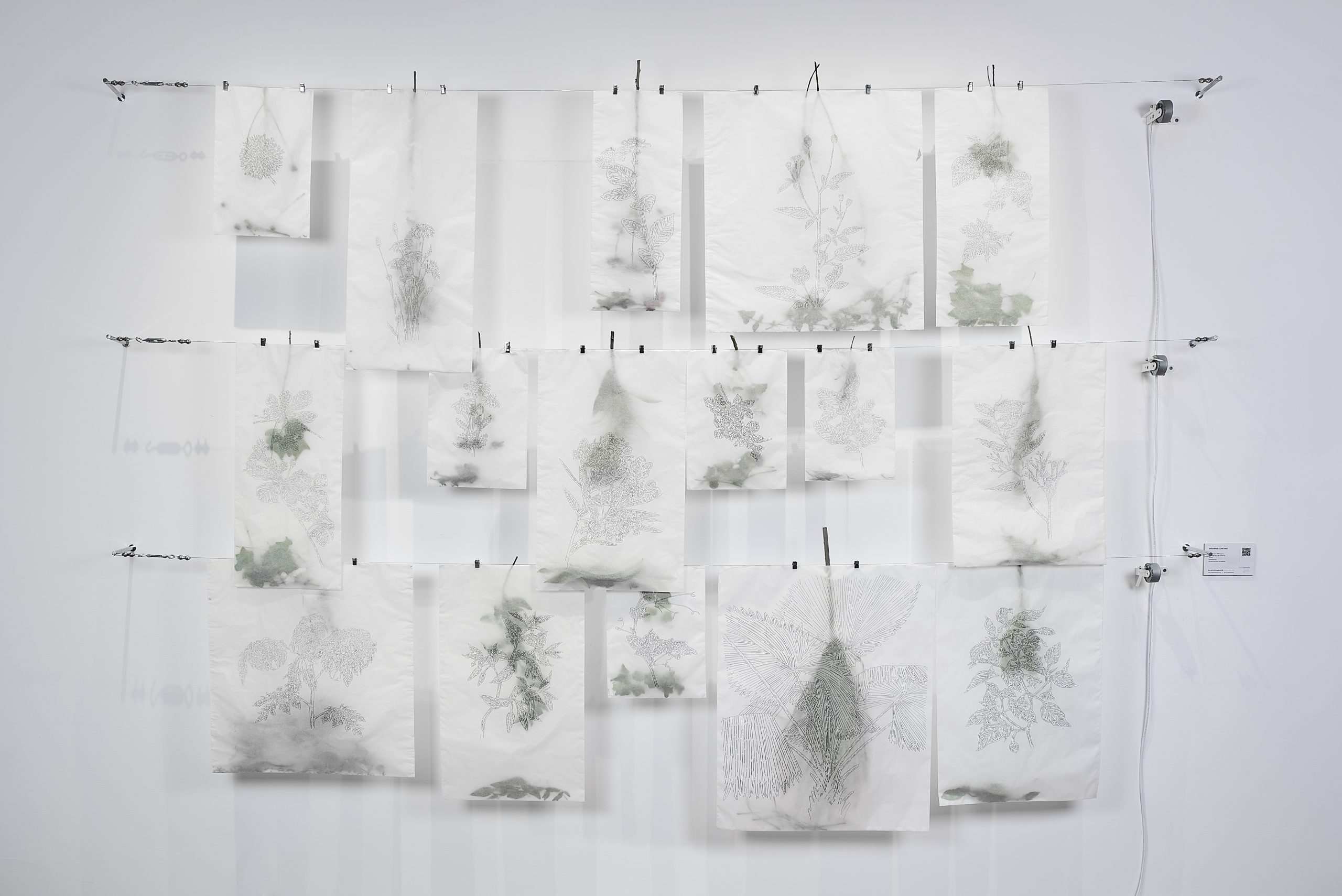
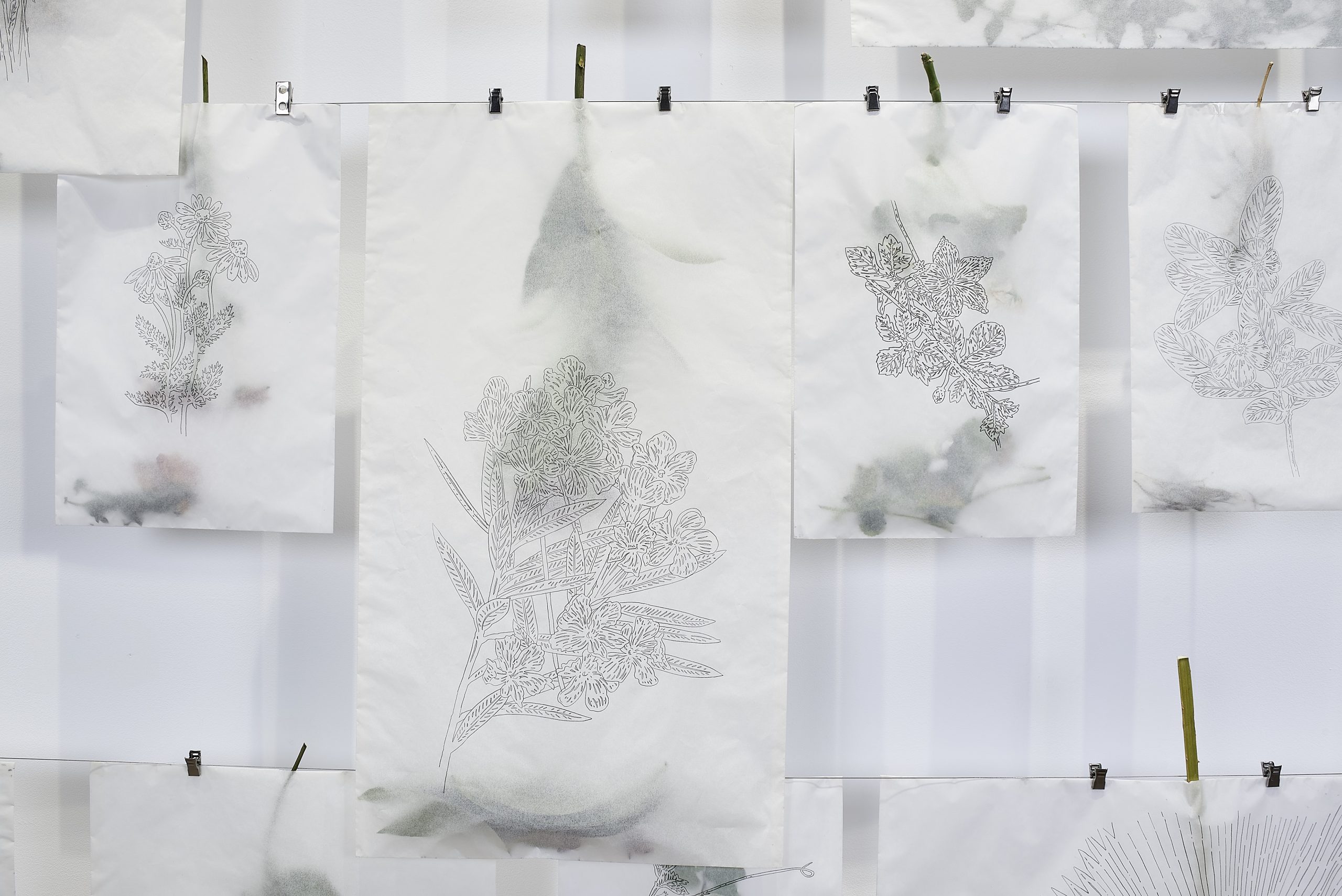
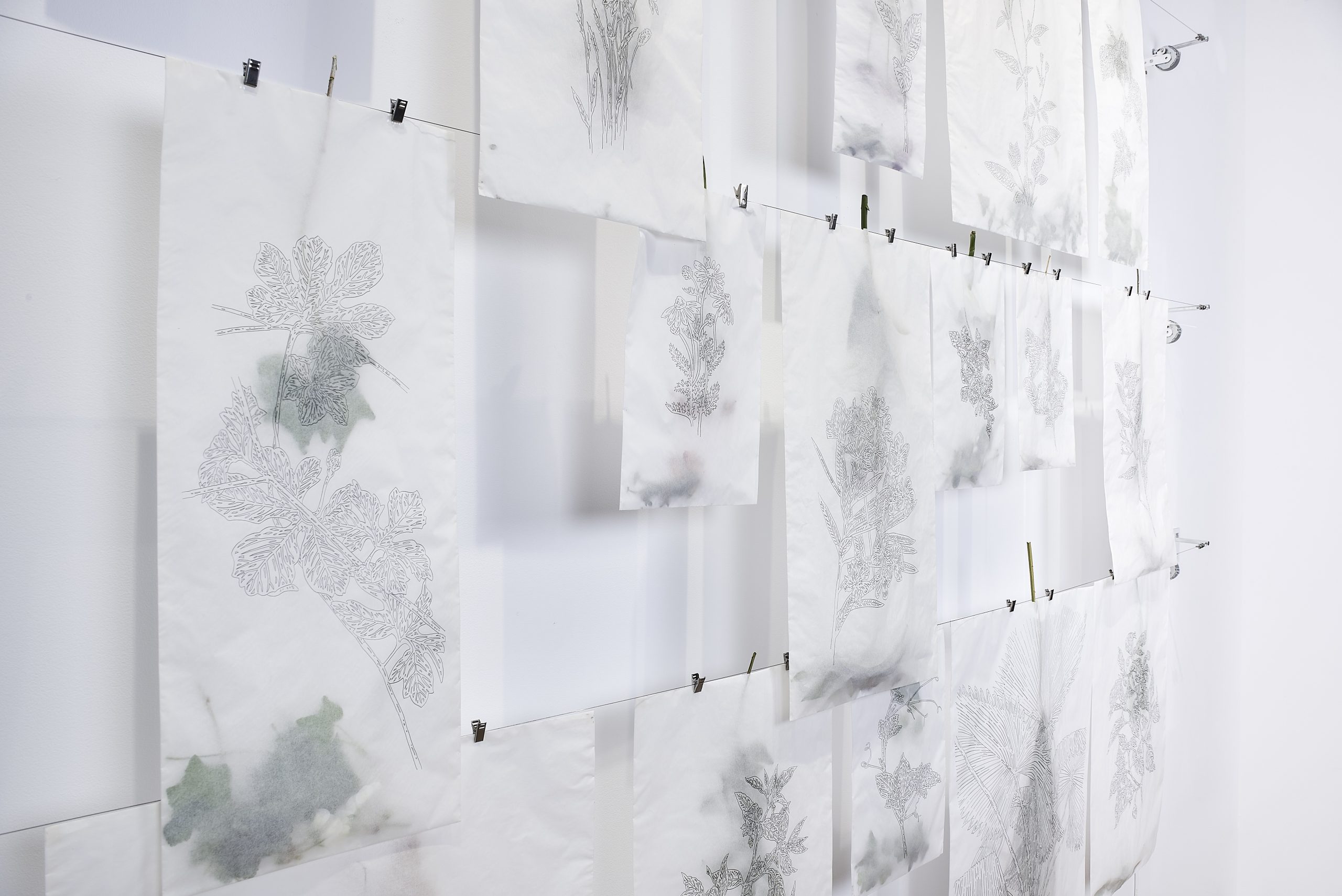
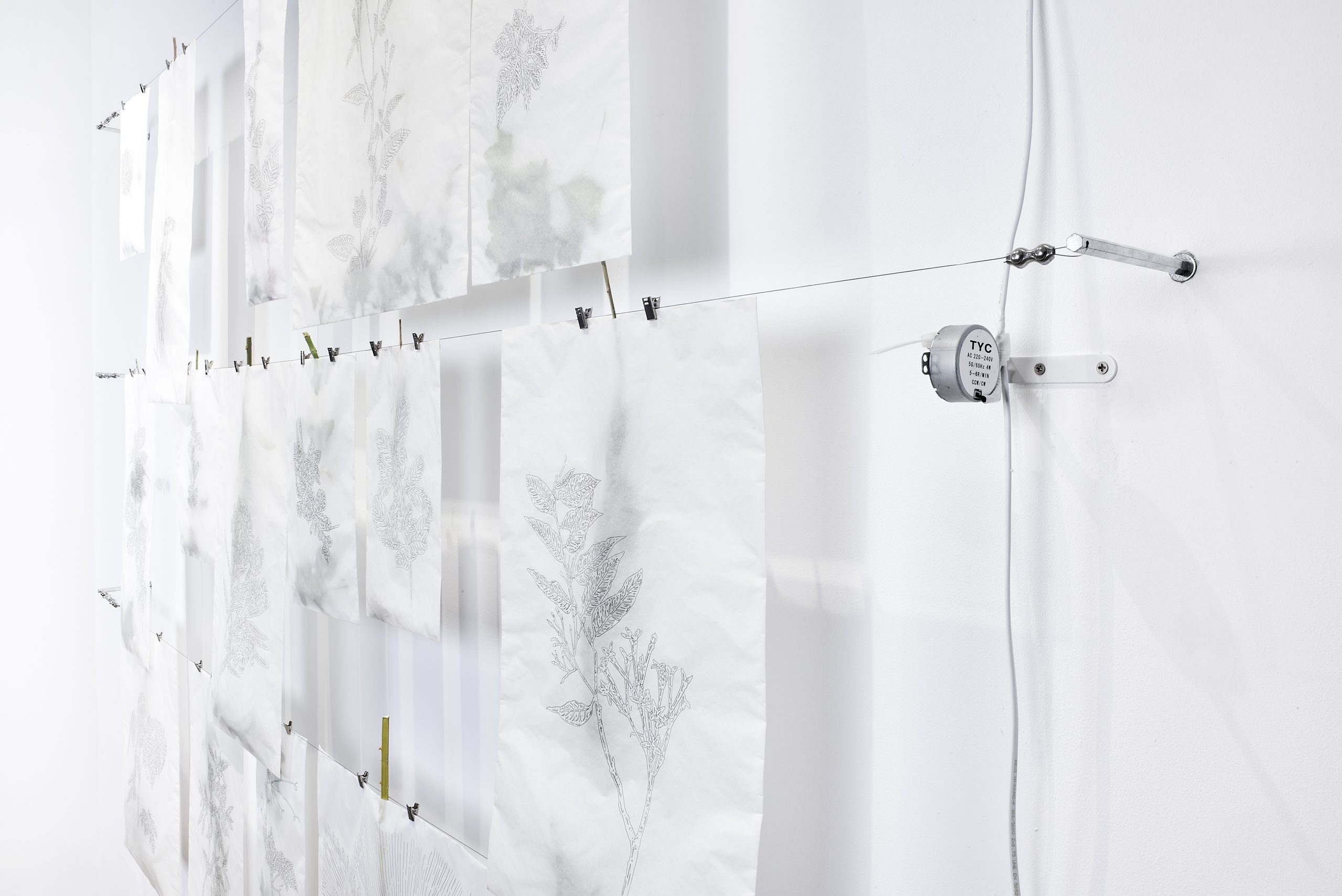
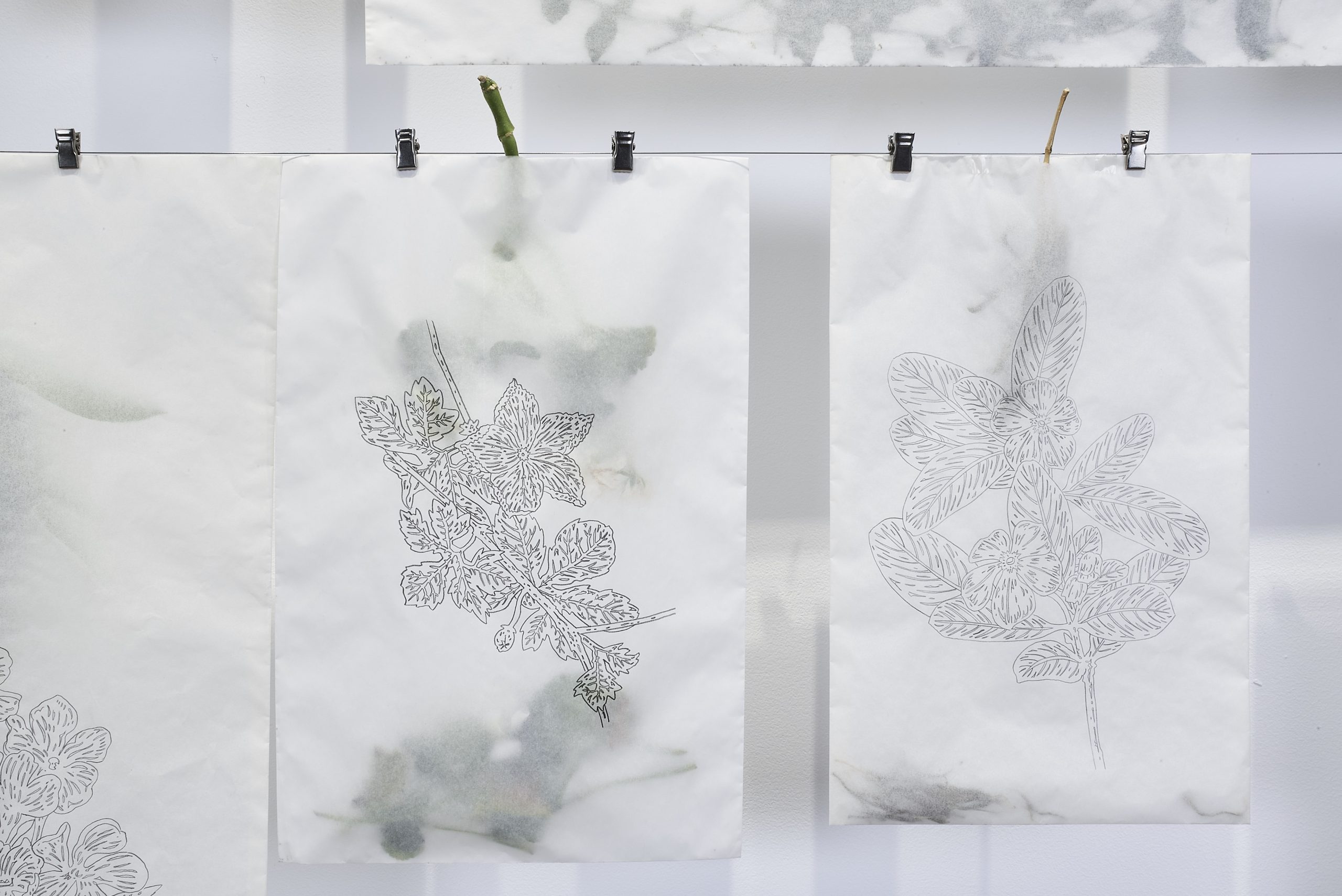
From the Manigua Series, The History Collector, 2024
Installation
Variable dimensions
From an etymological perspective, the origin of the word “manigua” can be traced back to the Taíno language. It refers to a habitat where nature is typically wild, abundant, and so lush as to be impenetrable, and it is associated with a set of supernatural beliefs. In a cultural sense, the manigua is ritual; the manigua is syncretism; the manigua is rebellion; it is healing and freedom.
In the jungle, the first settlers of the Antilles went about their daily lives, and later, African slaves revived the religious beliefs of their peoples. During the wars in Cuba, the jungle offered shelter to people, and knowledge of the plants that grow there was used to heal the wounded. All this ancestral knowledge has now been preserved in popular culture, in the hands of the “yerberos” and herbalists who zealously defend the healing and ritual potential of the plants that were once gathered from the Cuban jungle.
For me, Manigua is more than a natural space, it is a concept: it is the knowledge that accompanies me wherever I go and helps me in my daily praxis. So complex is its understanding that only in the intersection between imaginary, writing, science, art and tradition I find its most accurate representation. Only by tracing a "cognitive map" I am able to rethink it.
For this project, I drew on the book by José Seoane Gallo, who, on the cusp of a drastic social change in the early 1960s, compiled a series of testimonies related to the use of remedies made from medicinal plants found in the Cuban countryside. His goal was to preserve this folk wisdom, which seemed destined to disappear. _Ariamna Contino