 EN
EN  ES
ES  IT
IT  FR
FR  ZH
ZH  PT
PT 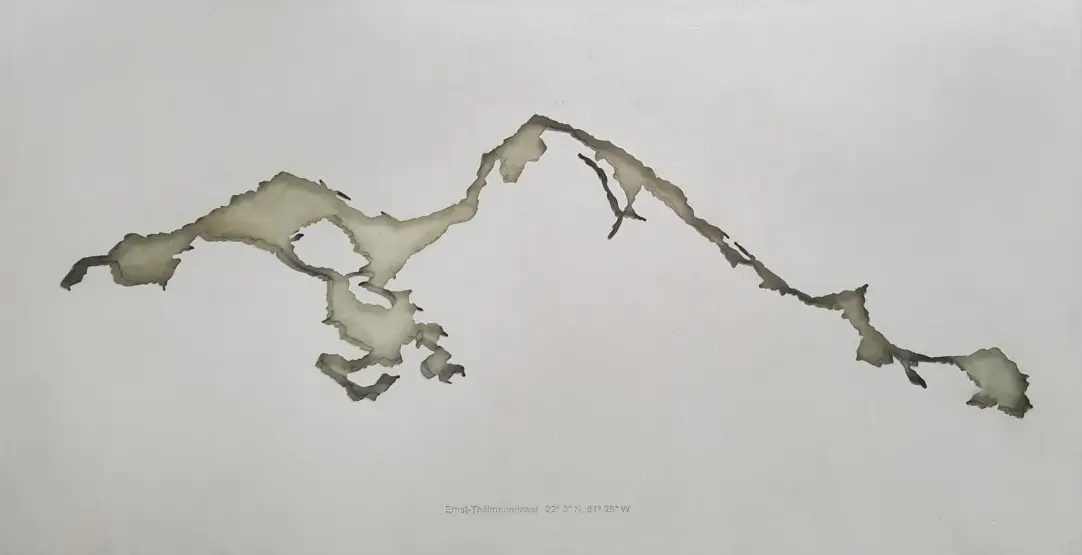


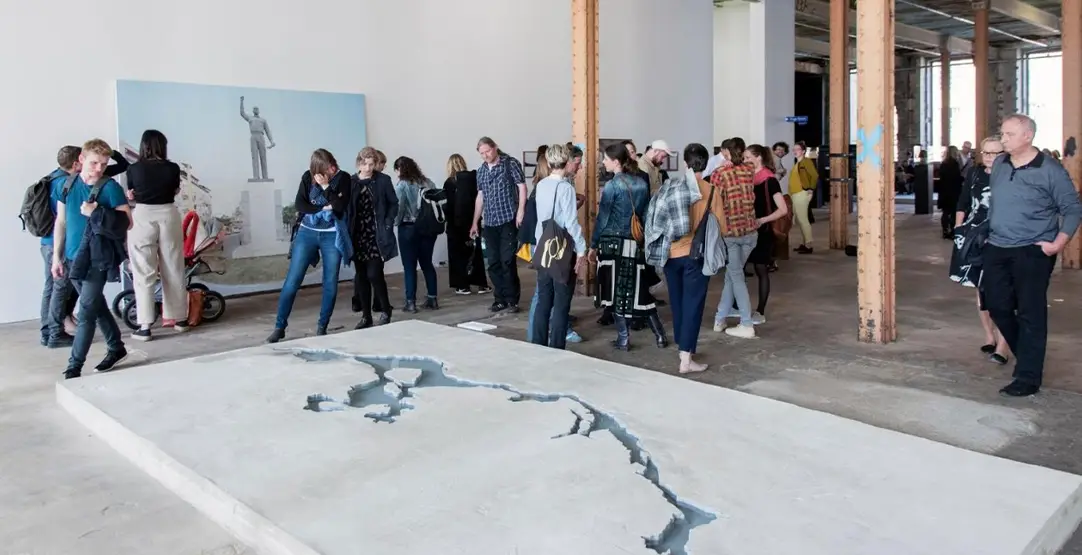


Mirage, 2017
Installation
The utopia or utopian states described in the literature are not located in a specific place. For this reason, the metaphor of the Island is used, a geographical figure that is defined as a portion of land surrounded by water. In this sense, the Island constitutes the space that shelters an "ideal" state of things, that is to say, the Island is, due to its isolation and separation from the rest of the world, the irrefutable place of utopia.
The work Espejismo (Mirage), a cement bas-relief representing one of Cuba's southern keys (Cayo Blanco del Sur), is part of this line of thought. This island, which symbolically forms part of the geography of a larger island, has been the subject of speculation about the diplomatic relations between the Cuban State and the former German Democratic Republic. Some sources comment on the possibility that, in June 1972, during a visit of Fidel Castro to Berlin, this small archipelago was given to him as a gift, which would be renamed Cayo Ernest Thälmann in honor of a German politician.
The use of cement has its historical explanation in the agreement established in those years between both nations for the construction of a cement plant in Cuba. On the other hand, the sense is inverted as it is an island formed by water and not surrounded by water. In this way, the liquid inside becomes a reflection of "other" realities, while warning of the almost implausible existence of a fragment of the GDR in the tropic of the Caribbean Sea. Like a mirage effect, the concrete installation of this island recreates the illusion of the apparent but unproven fact.
The piece is a physical expression of a failed attempt, which was marked by the utopian endeavor to build a new system.