 EN
EN  ES
ES  IT
IT  FR
FR  ZH
ZH  PT
PT Federal Dust Collection
Reynier Leyva Novo
december 4 - december 8, 2024
Special Projects, Untitled Miami Beach (curated by Omar López-Chahoud)


During my Smithsonian Artist Research Fellowship in Washington, D.C., in May and June of 2024, I conducted a project entitled Federal Cleaningin which I collected dust from various U.S. federal buildings and national monuments. Washington D.C., the epicenter of political power in the United States, is home to a significant concentration of government buildings and political institutions. Designed by Pierre L'Enfant in the late 18th century, the city reflects the functions and symbols of the national government. Key structures such as the White House, the Capitol, the Supreme Court and numerous federal agencies play fundamental roles in the administration and legislation of the country. Washington D.C. is not only the seat of the U.S. government; it exemplifies the political life and history of the nation, representing the power structures that govern the country.
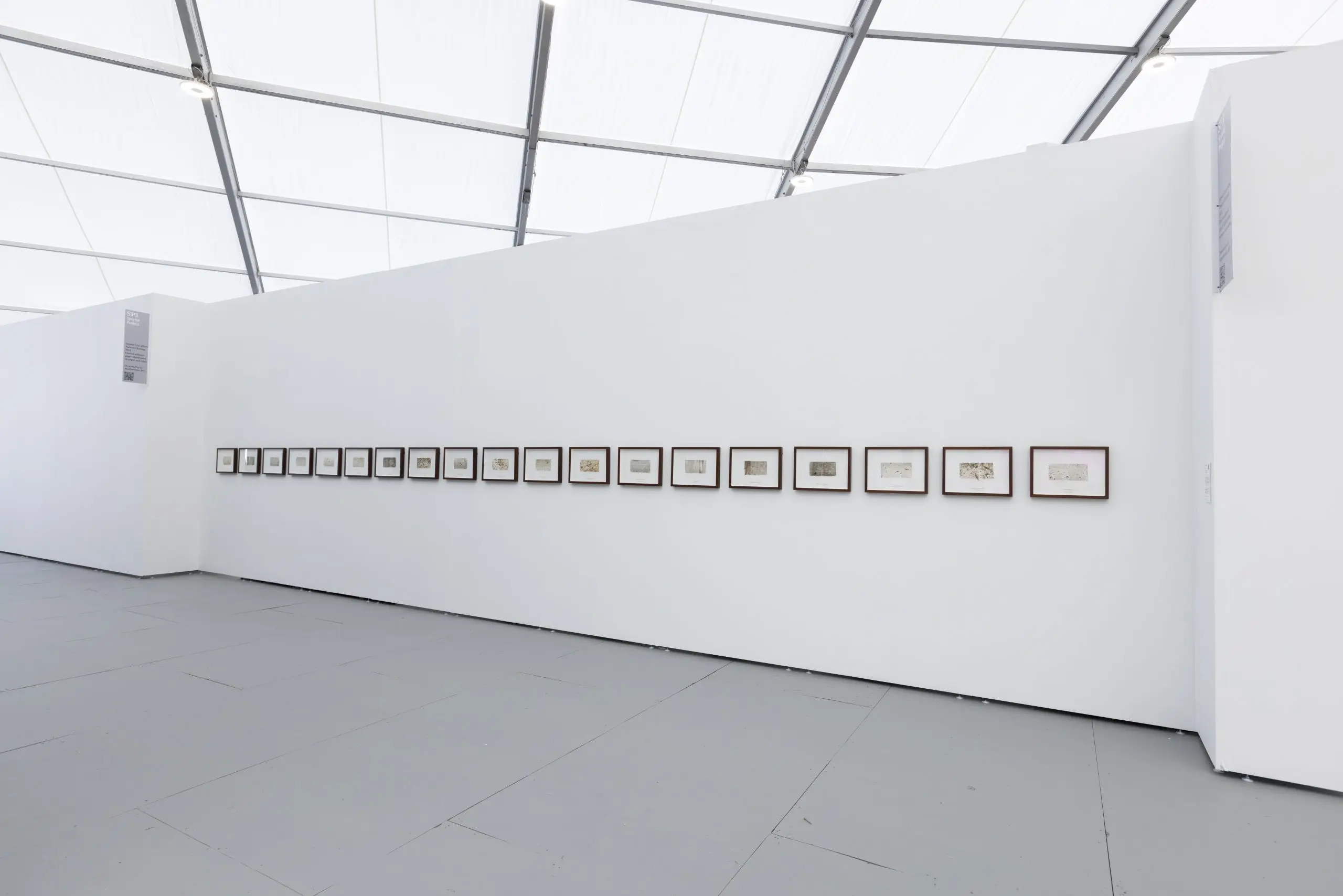
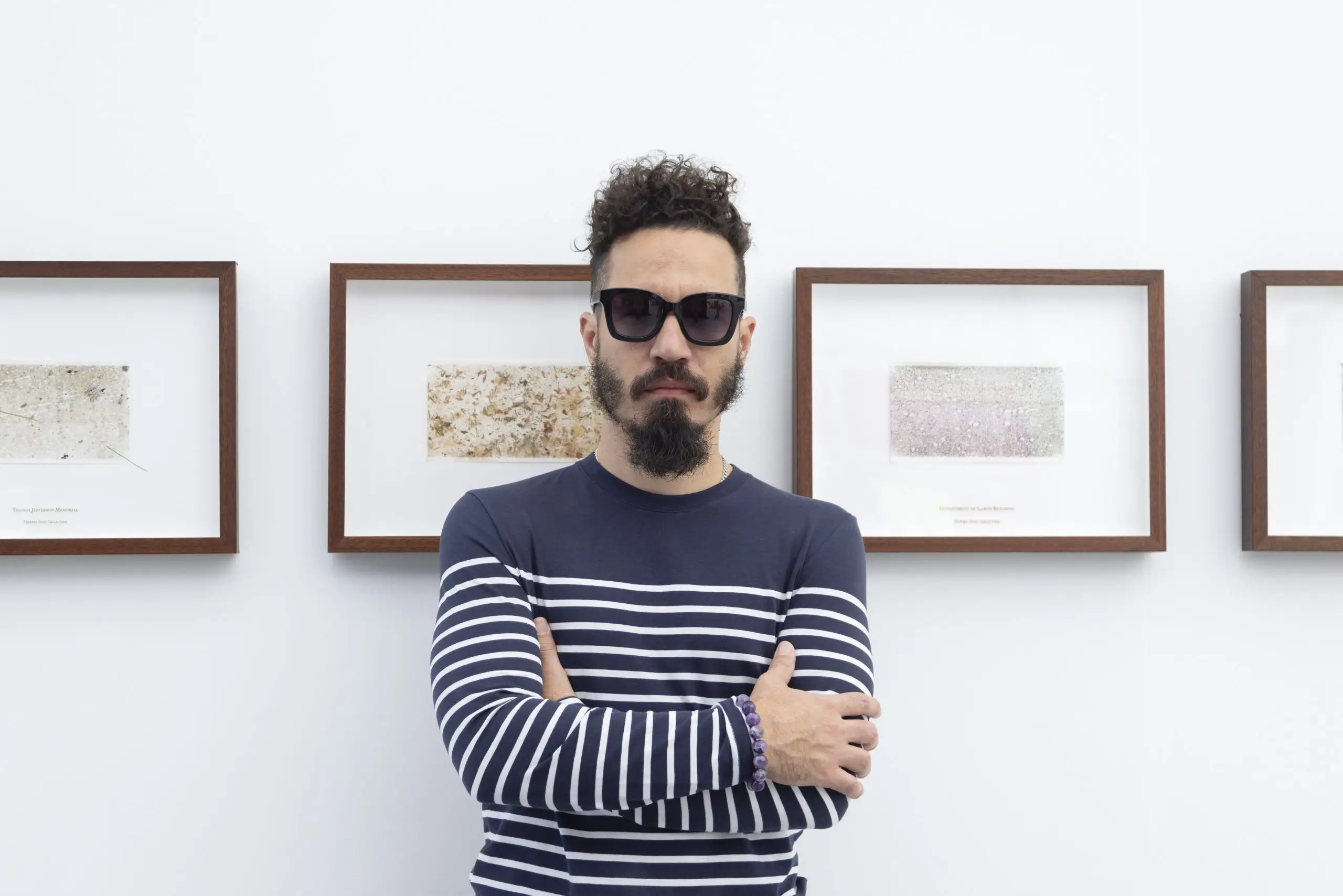
Federal Cleaning is a series of 14 works that explore the impermanence of power structures, using dust collected from these iconic federal buildings. Each piece, meticulously arranged on adhesive paper, captures the subtle but persistent changes these bastions of authority undergo. The dust, collected from the surfaces of the buildings, symbolizes the ongoing human and environmental interactions that these structures endure. It underscores the vulnerability of political institutions, reflecting the transient nature of government and the constantly evolving political landscape.
This series presents dust not only as waste, but as a historical record of the gradual transformations that these monumental buildings undergo. By highlighting the dust, Federal Cleaning draws attention to the reality that even the most formidable structures are susceptible to change and decay. The project challenges the viewer to reflect on the fragility of power and the inevitable changes that occur in systems of governance, inviting a deeper consideration of the transitory nature of authority.
- Reynier Leyva Novo
views of the installation