 EN
EN  ES
ES  IT
IT  FR
FR  ZH
ZH  PT
PT 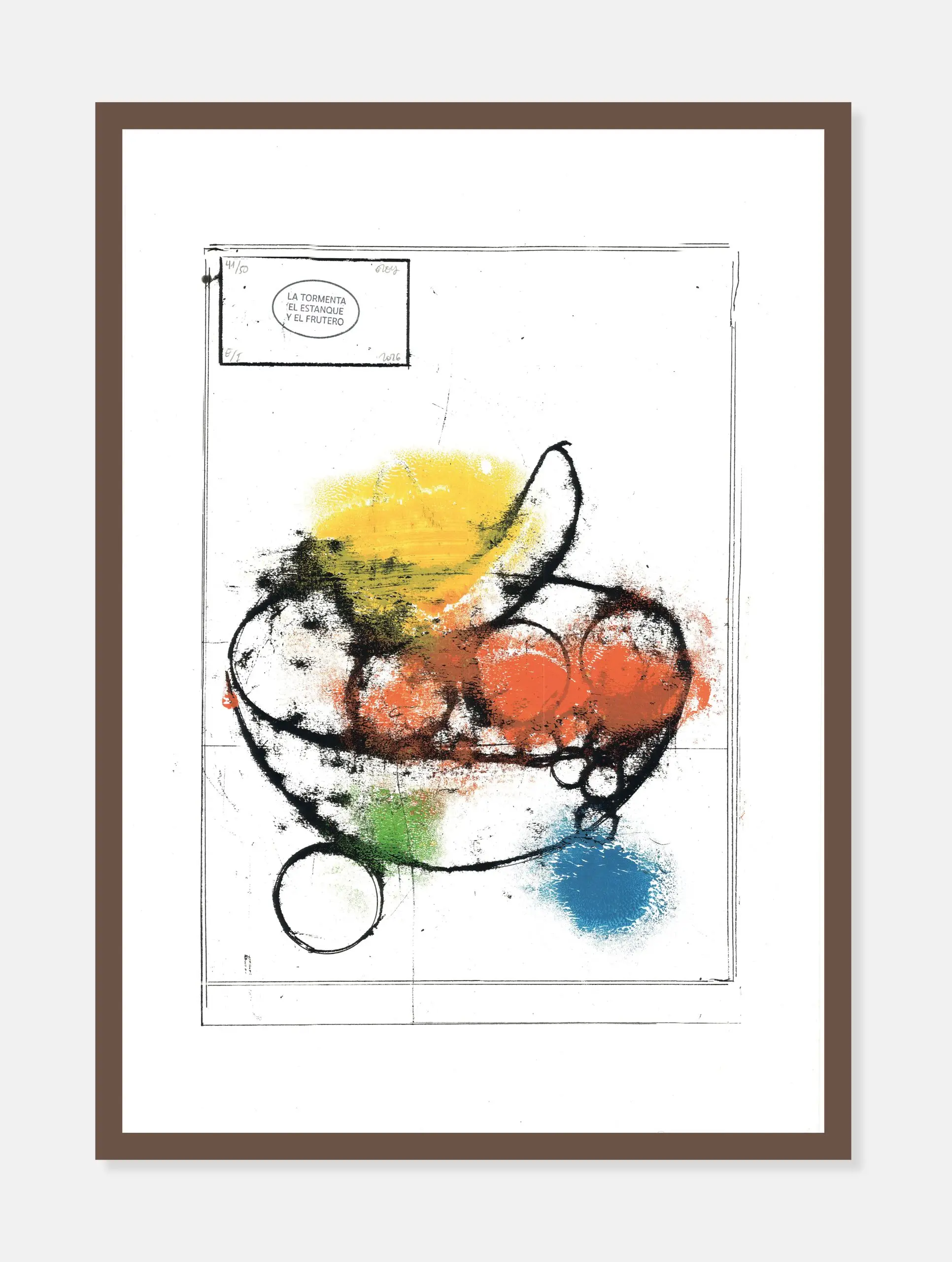
Eloy Arribas
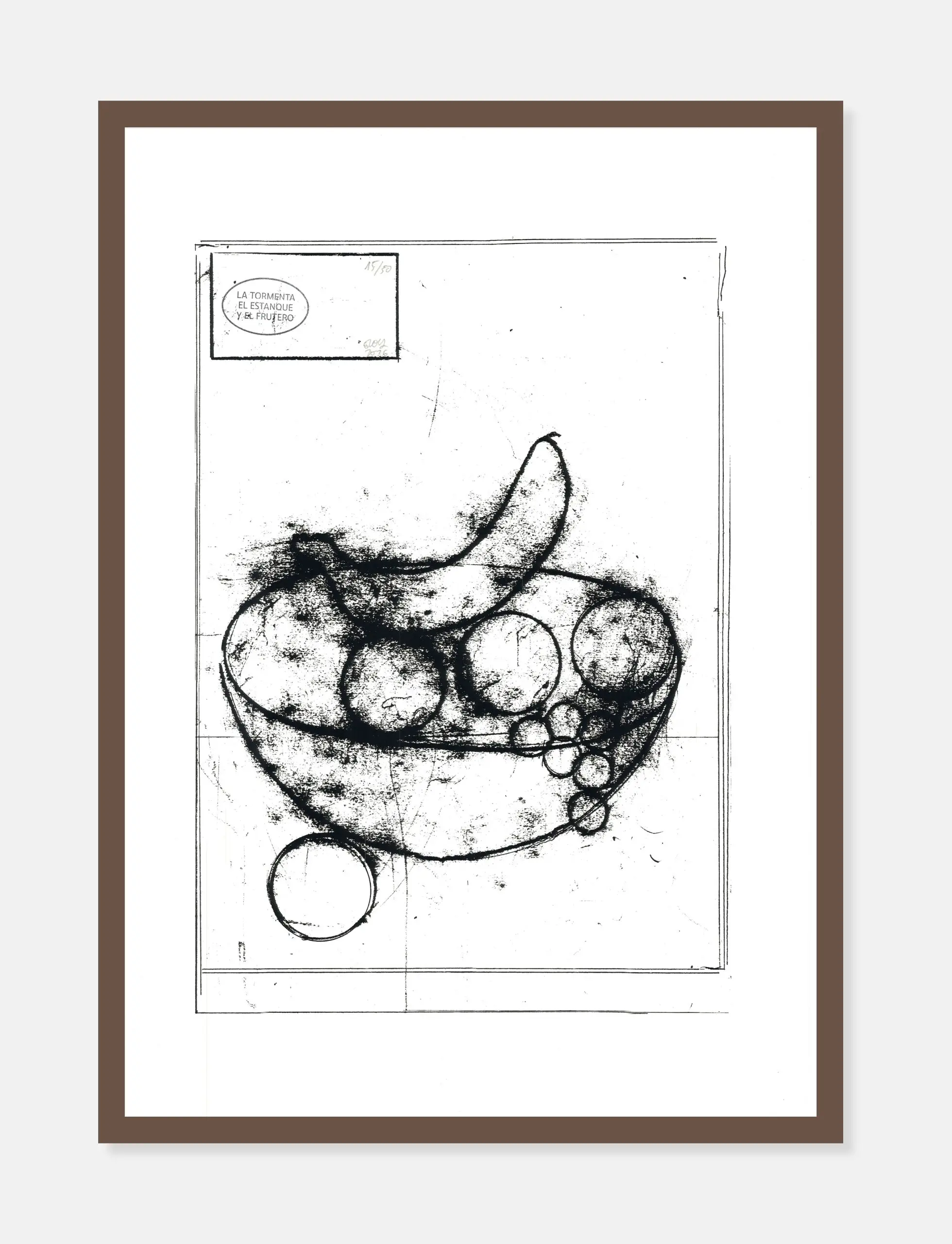
Variations due to wear, 2026
Experimental hand silkscreen and acrylic on 320 gr paper
50 × 35 cm (19.69 × 13.78 in)
Edition of 50 + 27 P/A
Master printer: Nacho Ramos
Process concept: time and action recording
This edition is conceived as a processual work in which each copy functions as a material testimony of a specific moment in the printing process. The variation between copies is not a technical deviation, but the conceptual core of the work.
The method does not seek uniformity or mechanical repetition, but rather to evidence the action, the passage of time and the progressive transformation of the support. In the same way that in Eloy Arribas' painting the form is constructed and altered according to the rhythm of the gesture, in this silkscreen series each print incorporates a singular imprint: the decision shared between artist and printer and the living response of the matrix.
The wear and tear of the screen - caused by exposure, humidity and mechanical reiteration - is not understood as a failure, but as a visual and conceptual event. The resulting image is, in itself, a record of the creative act.
Technical data sheet of the paper used
The edition has been stamped on Freelife Vellum 320 g/m² paper, a high quality paper composed of 55% of pure FSC® certified cellulose, 40% of FSC® certified recycled fibers and 5% of cotton fibers. This composition provides structural stability, strength and body, while introducing slight tonal variations and small irregularities typical of papers with high recycled content.
Its macroporous and slightly vellum surface favors an excellent reception of the water-based screen printing ink, allowing a good charge, contrast and depth without loss of definition. The choice of this support reinforces the process character of the series and establishes a material coherence between image, technique and concept.
Methodology datasheet (screens and printing)
Silkscreen edition of 50 unique copies, conceived so that the variation between copies is an integral part of the work. The progressive wear of the matrix is used as an aesthetic and conceptual resource.
Materials
Inks: water base
Screens: 62, 100 and 120 yarns/cm meshes
Emulsion: solvent-resistant emulsion, used in a deliberately underexposed manner
Racleta: medium hardness (approx. 75 shore)
Screen hygiene: no washing between copies; spot surface cleaning
Mesh strategy
62 yarns/cm: start of the series. Larger ink deposit and screen opening, with fast wear and visible textures from the first impressions.
100 threads/cm: intermediate phase. Balance between definition and degradation, progressive transition of the image.
120 yarns/cm: final stage. Greater fine detail and more controlled wear, with gradual fading of the image.
Stamping process
The run was structured in successive phases, modifying pressure, squeegee angle and humidity level to intensify or slow the deterioration of the matrix. The screen was kept slightly moist for most of the process to promote continuous degradation without premature collapse.